
Navigating the bustling metropolis of New York City doesn’t have to be a daunting financial undertaking. At the heart of experiencing the city’s vibrant energy lies its extensive public transportation system, primarily the iconic New York City Subway. For any traveler, understanding the cost of a subway ticket is a fundamental step in planning an efficient and budget-friendly travel itinerary. This guide will delve into the current fare structures, explore different ticket options, and offer insights into how to maximize your subway usage, ensuring your exploration of NYC is both seamless and economical.
The New York City Subway is more than just a way to get from point A to point B; it’s a quintessential New York experience, connecting you to world-renowned landmarks, diverse neighborhoods, and unparalleled attractions. From the towering skyscrapers of Midtown Manhattan to the cultural hubs of Brooklyn and the historic streets of Queens, the subway is your key to unlocking the city’s vast offerings. Knowing the ticket prices is the first step in unlocking these adventures, whether you’re here for a weekend getaway, a business stay, or a more extended long-term stay.
Understanding the Subway Fare Structure
The fare system for the New York City Subway is designed to be straightforward, with a base fare that applies to most single rides. This pricing model makes it accessible for everyone, from budget travel enthusiasts to those seeking a more luxury travel experience that still embraces local transit. Understanding this core fare is crucial before exploring any potential discounts or unlimited options.
The Base Fare: A Single Ride
As of the latest updates, the standard fare for a single ride on the New York City Subway is $2.90. This price allows you to travel as far as you need on the subway system, including transfers to other subway lines within the system. This flat fare is a significant advantage, meaning the cost remains the same regardless of the distance you travel. Whether you’re heading from the northern tip of The Bronx down to the southern tip of Manhattan, or making a short hop between adjacent stations, the price for one trip is consistent. This simplicity is a boon for tourists and locals alike, allowing for easy budgeting of daily commutes and explorations.
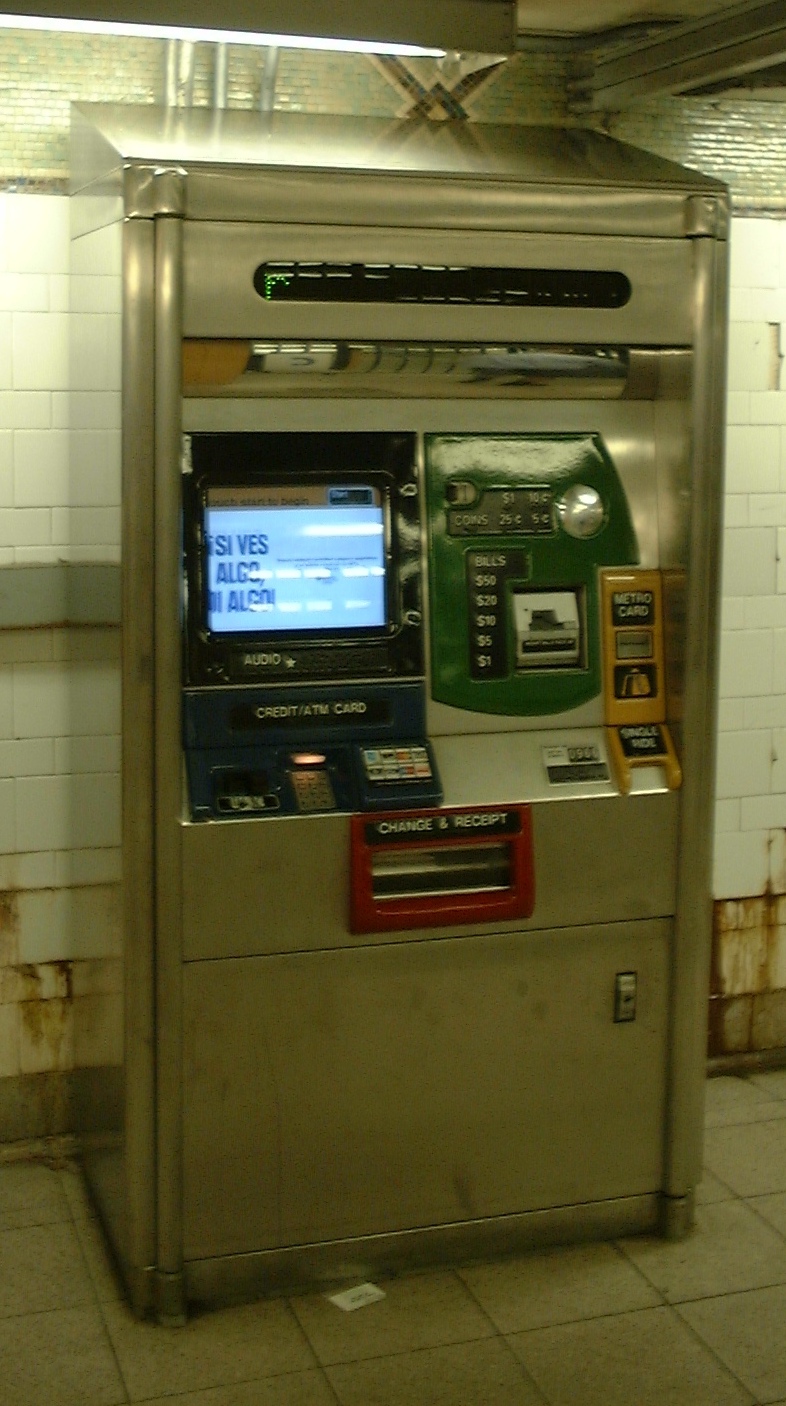
This base fare applies to all riders, including children, with a minor exception for very young children accompanying a paying adult. It’s important to note that this fare is paid using a MetroCard or via the OMNY contactless payment system. Cash is not accepted directly at the turnstiles; you’ll need to purchase a MetroCard or use a contactless payment method at a station vending machine or a contactless reader.
Payment Methods: MetroCard vs. OMNY
The Metropolitan Transportation Authority (MTA) offers two primary methods for paying your subway fare: the traditional MetroCard and the modern OMNY contactless payment system. Both have their advantages and the choice often comes down to personal preference and the duration of your stay in New York City.
The MetroCard: A Familiar System
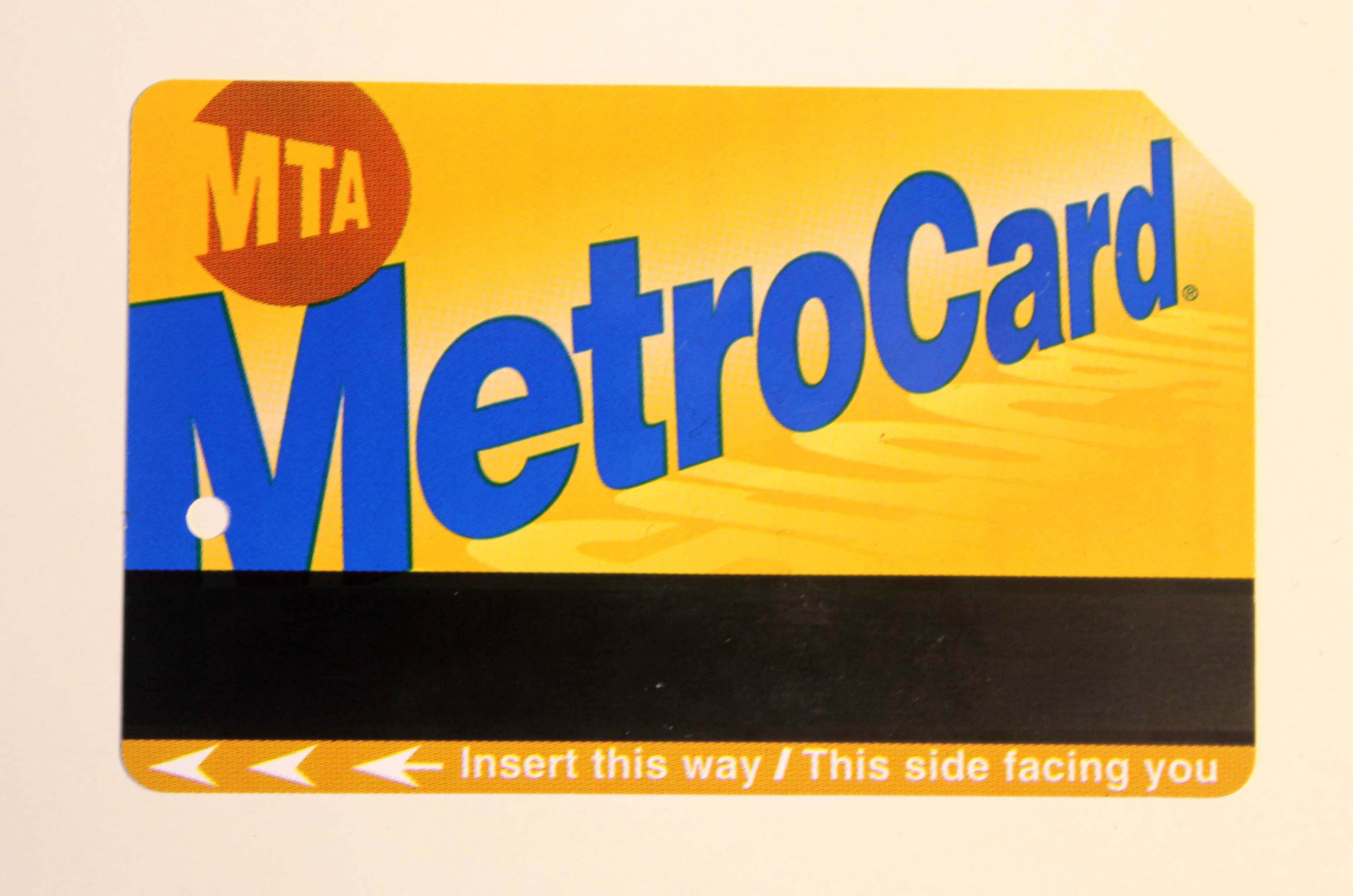
The MetroCard has been the mainstay of New York City transit for decades. These rechargeable cards can be purchased at any subway station vending machine. You can load them with either a “Pay-Per-Ride” option or an unlimited value. For the “Pay-Per-Ride” option, you can add any amount you wish, and each ride will deduct $2.90. When you purchase a MetroCard, there is a nominal fee for the card itself, typically $1.00, which is added to your initial purchase. This fee is a one-time charge per card.
When using a “Pay-Per-Ride” MetroCard, you can benefit from a “free transfer” policy. If you swipe your MetroCard to enter the subway system, you are allowed one free transfer to another subway line or an MTA bus within a two-hour window of your initial swipe. This is a valuable feature that can save you money if your journey requires multiple connections. This applies to both the single ride fare and to rides purchased as part of a package.
OMNY: The Contactless Future
OMNY, which stands for “One Metro New York,” is the MTA’s contactless fare payment system. It allows riders to tap their contactless credit card, debit card, smartphone, or wearable device directly on an OMNY reader at the turnstile. The fare is then automatically charged to your linked payment method. The fare for a single ride using OMNY is also $2.90, aligning with the MetroCard single ride fare.
A significant advantage of OMNY is its “fare capping” feature. After you make 12 paid rides within a 7-day period (Monday through Sunday), you will automatically receive unlimited rides for the rest of that week at no additional charge. This means that if you plan on riding the subway frequently, OMNY can effectively turn into an unlimited pass without the upfront cost of purchasing one. This is particularly beneficial for family trips or for those who find themselves using public transit extensively during their visit.
Exploring Unlimited Ride Options and Fare Capping

For travelers planning to explore New York City extensively, or for residents who rely on the subway daily, unlimited ride options and the OMNY fare capping system can offer significant savings. These options are designed to make frequent subway use more economical, encouraging exploration of various destinations and attractions without the constant worry of accumulating individual fares.
Unlimited Ride MetroCards: For the Frequent Rider
The MTA offers several types of unlimited ride MetroCards. These cards are ideal for tourists who anticipate using the subway many times a day to visit popular landmarks like the Statue of Liberty, Times Square, or the Metropolitan Museum of Art.
- 7-Day Unlimited Ride MetroCard: This card costs $34.00. It allows for unlimited subway and local bus rides for a consecutive seven-day period. This option is excellent for visitors staying for a week or more who plan on frequent travel. The cost-effectiveness becomes apparent if you take more than 12 rides within that week, as the base fare of $2.90 would equate to $34.80 for 12 rides.
- 30-Day Unlimited Ride MetroCard: This card costs $132.00. It provides unlimited subway and local bus rides for a consecutive 30-day period. This is the most economical option for long-term visitors or residents who use the subway daily.
When purchasing an unlimited ride MetroCard, there is no additional card fee. You simply pay the price for the unlimited duration. These cards are best suited for individuals; they are not transferable in the sense that one person can use it for multiple people simultaneously.
OMNY Fare Capping: Automatic Savings
As mentioned earlier, the OMNY system offers an automatic fare capping feature. For the first 12 rides you take within a 7-day period (starting on a Monday and ending on a Sunday), you will be charged the regular $2.90 per ride. Once you have paid for the 12th ride, any subsequent rides you take within that same 7-day period will be free.
The OMNY fare cap effectively functions like a $34.00 unlimited weekly pass. If you tap and pay with the same contactless device for 12 rides within a week, your total spending will not exceed $34.00. This is a convenient and flexible option as you don’t need to pre-purchase anything. You simply use your existing contactless payment method, and the savings are applied automatically. This is particularly beneficial for those who are unsure of their exact travel needs during their visit, offering peace of mind and built-in savings.
Maximizing Your Subway Travel Experience in New York City
Beyond understanding the ticket prices, optimizing your subway experience involves strategic planning and leveraging available resources. Whether you’re staying in a luxurious suite at a hotel like the Plaza Hotel or a more budget-friendly apartment in Greenwich Village, the subway can be your most efficient mode of transport.
Planning Your Routes and Understanding the System
The New York City Subway system is vast and can appear complex at first glance. However, with a few tips, you can navigate it like a seasoned New Yorker.
- Use Navigation Apps: Apps like Google Maps, Apple Maps, Citymapper, or the official MTA app provide real-time train information, route planning, and service alerts. They are invaluable tools for figuring out the best subway lines to take, potential delays, and even walking directions to your destination from the nearest station.
- Understand Express vs. Local Trains: Many lines have both express and local trains. Express trains skip certain stops, allowing for faster travel, while local trains stop at every station. Pay attention to the signs on the platform and on the train doors to ensure you board the correct one for your destination.
- Be Aware of Uptown and Downtown: Subway lines are generally designated as “Uptown” (heading north) or “Downtown” (heading south). Ensure you are on the correct side of the platform for your direction of travel.
- Check Service Alerts: The MTA often posts service alerts for planned maintenance or unexpected disruptions. It’s always a good idea to check these before heading out, especially during weekends or late nights, as they can affect certain lines or require alternative routes.
Exploring Beyond Manhattan: Utilizing Your Ticket
The beauty of the subway system is its reach across all five boroughs of New York City. Your subway ticket isn’t just for Manhattan; it’s your gateway to diverse tourism experiences.
- Brooklyn: Take the subway to explore the trendy neighborhoods of Williamsburg, enjoy the arts and culture scene in DUMBO, or visit Prospect Park.
- Queens: Discover the vibrant ethnic enclaves, savor delicious international cuisine in Flushing, or visit the Museum of the Moving Image.
- The Bronx: Explore the historic Yankee Stadium or wander through the Bronx Zoo.
- Staten Island: While the subway doesn’t directly reach Staten Island, you can take the subway to the Whitehall Terminal in Lower Manhattan and catch the free Staten Island Ferry for stunning views of the Statue of Liberty and the Manhattan skyline.
By understanding the fare structure, choosing the most convenient payment method, and utilizing planning tools, your New York City subway experience will be smooth, cost-effective, and incredibly rewarding, allowing you to fully immerse yourself in the city’s dynamic lifestyle and rich local culture.