
Embarking on a Texas adventure, whether you’re planning an epic road trip through the Lone Star State, relocating to a vibrant city like Austin, or simply a long-term visitor enjoying the Texan lifestyle, understanding the local vehicle regulations is crucial. Among these, the Texas car inspection stands out as a fundamental requirement for vehicle owners. While it might seem like a mundane detail amidst planning attractions or finding the perfect accommodation, a seamless inspection process ensures your vehicle is road-ready, compliant with state law, and ultimately, contributes to a stress-free travel experience. This article delves into the specifics of Texas vehicle inspections, answering the pressing question of “How much is a Texas car inspection?” and providing essential insights for both new residents and seasoned travelers navigating the expansive highways of Texas. We’ll explore the costs, requirements, and the importance of this annual check-up, framing it within the broader context of safe and responsible travel and lifestyle choices in this dynamic state.

Understanding the Texas Vehicle Inspection: A Prerequisite for Smooth Journeys
The Texas vehicle inspection is more than just a bureaucratic hurdle; it’s a vital program designed to ensure vehicle safety and reduce harmful emissions, ultimately safeguarding both drivers and the environment. Since March 2015, Texas transitioned from a two-sticker system (one for inspection, one for registration) to a one-sticker system, integrating proof of inspection with vehicle registration. This streamlined process means that before you can renew your vehicle registration or register a newly purchased vehicle, it must pass an annual safety inspection. For those new to Texas or planning an extended stay with their own vehicle, understanding this system is paramount.
The Dual Focus: Safety and Emissions Components
Every vehicle operating in Texas is subject to a safety inspection. This thorough check covers essential components to ensure the vehicle is safe for operation on public roads. These include the brakes, lights, horn, steering, mirrors, wipers, tires, seatbelts, wheel assembly, exhaust system, and windows. The aim is to catch potential mechanical failures before they become hazardous.
In addition to the safety inspection, vehicles registered in certain Texas counties are also required to undergo an emissions test. These counties are primarily those with larger populations and higher traffic volumes, contributing to air quality concerns. Dallas, Houston, Fort Worth, El Paso, and San Antonio are prime examples of metropolitan areas where emissions testing is mandatory. The emissions test evaluates the vehicle’s exhaust system to ensure it’s not releasing excessive pollutants into the atmosphere, aligning with the state’s commitment to environmental protection, particularly in popular tourist destinations and bustling urban centers. This two-pronged approach ensures both driver safety and ecological responsibility, aspects that resonate deeply with conscious travelers and residents alike.
Who Needs an Inspection and Where to Get One
Essentially, any passenger car, light truck, motorcycle, or trailer registered in Texas needs an annual inspection. This applies whether you’re a long-time resident renewing your registration, a newcomer establishing residency, or even if you’ve recently purchased a used vehicle. The only exemptions typically apply to certain antique vehicles, certain farm vehicles, and specific types of trailers.
Inspections must be performed at an official Texas Department of Public Safety (DPS) authorized inspection station. These stations are easily identifiable by a prominent sign displaying the official “Official Vehicle Inspection Station” logo. You’ll find thousands of these certified facilities scattered across the state, from independent automotive shops to larger dealership service centers. Many are conveniently located near popular travel routes and urban hubs, making it relatively easy to find one, whether you’re passing through Waco or settling down in College Station. It’s advisable to check the operating hours and any specific requirements of a station beforehand, especially if you’re on a tight travel schedule or visiting from out of state.
Breaking Down the Costs: What to Expect Financially
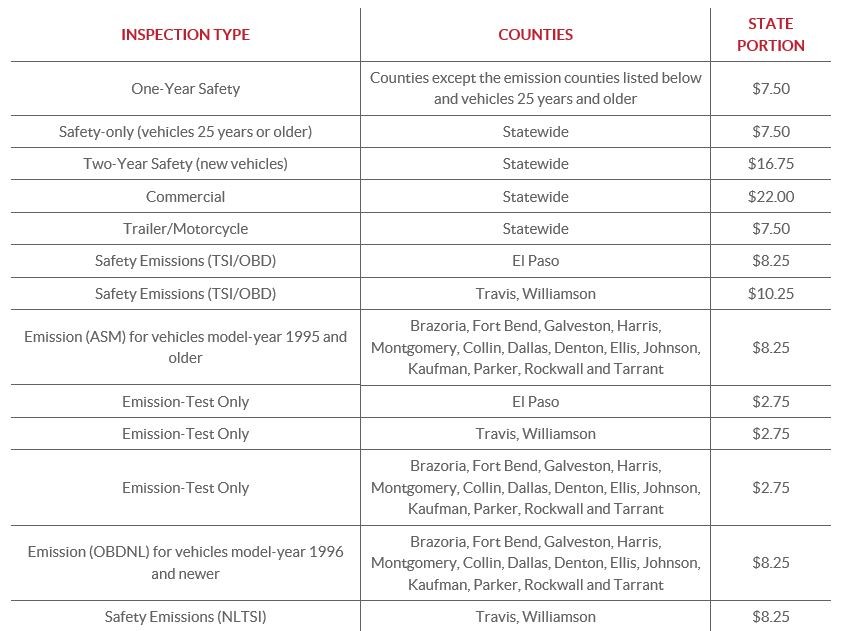
Understanding the financial aspect of a Texas car inspection is straightforward, as the fees are largely standardized statewide. Unlike some other services where prices can fluctuate wildly, inspection fees are set by the state, ensuring transparency and predictability for vehicle owners. This predictability is a welcome relief for those planning a budget for their Texas visit or relocation.
Fixed State Fees: Safety vs. Safety & Emissions
The cost of your Texas vehicle inspection depends primarily on whether your vehicle is subject to both a safety inspection and an emissions test, or just the safety inspection. The fees are collected by the inspection station at the time of service, and then a portion is remitted to the state.
For vehicles requiring only a safety inspection, the typical fee is $7.00. This applies to most vehicles in counties not designated as emissions testing areas. For example, if you live in a rural part of West Texas or a smaller community in the Texas Hill Country, you’ll likely only pay this basic fee.
For vehicles requiring both a safety inspection and an emissions test, the fee is $25.50. This higher fee covers the additional equipment and procedures required for emissions testing and is mandatory in the 17 most populous Texas counties that have vehicle emissions testing programs. These include the major metropolitan areas like Dallas-Fort Worth, Houston-Galveston-Brazoria, and El Paso. It’s crucial for residents and long-term visitors in these areas to factor this into their annual vehicle expenses. Motorcycles, regardless of location, typically have a flat inspection fee of $7.00, as they are generally exempt from emissions testing.
These fees are fixed, meaning you shouldn’t encounter different prices for the same service at different authorized stations. This uniformity helps maintain fairness and prevents stations from overcharging. Always ensure you receive an official inspection report and receipt.
Potential Additional Costs: Repairs and Retests
While the inspection fees themselves are fixed, it’s important to budget for potential additional costs should your vehicle fail the initial inspection. If your vehicle does not pass, the inspection station will provide you with a detailed report outlining the reasons for failure. You will then need to get the necessary repairs done.
After repairs, you have a grace period (typically 15 days, though this can vary slightly depending on the situation and station policy) to return to the same inspection station for a retest, often at no additional charge. If you go to a different station, or exceed the grace period, you will likely have to pay the full inspection fee again. This highlights the importance of keeping your vehicle well-maintained. Regular maintenance not only prolongs the life of your car but also significantly increases the likelihood of passing the inspection on the first attempt, saving you both time and money on potential repairs and retest fees. For travelers on a schedule, this can mean the difference between smooth sailing and unexpected delays in their Texas itinerary.
Navigating the Requirements: A Traveler’s Guide to Inspection Day
Preparing for your Texas car inspection can simplify the process significantly, turning a potential chore into a quick pit stop on your journey. Whether you’re stopping en route to Big Bend National Park or before settling into your new Houston apartment, knowing what to expect and what to bring will save you time and hassle.
Documents Needed and What’s Checked
When you arrive at an official inspection station, you’ll typically need to present two key documents:
- Proof of current liability insurance: Texas law mandates that all drivers carry minimum liability insurance. The inspection station will verify this electronically or require you to show your insurance card.
- Valid photo identification: While not always strictly required for the inspection itself, it’s good practice to have your driver’s license or state ID handy, especially if you’re also planning to register the vehicle.
The inspection process itself is comprehensive, covering a range of safety components:
- Brakes: Including service brake and parking brake function.
- Lights: Headlights, taillights, brake lights, turn signals, and license plate lights.
- Tires: Tread depth, condition, and proper inflation.
- Steering and Suspension: Ensuring proper control and stability.
- Wipers: Functionality and condition of the blades.
- Mirrors: Presence and condition of rearview and side mirrors.
- Horn: Proper operation.
- Seatbelts: All required seatbelts must be present and functional.
- Windows and Windshield: Clear visibility, no cracks obstructing the driver’s view.
- Exhaust System: For leaks and proper function.
- Wheel Assembly: Secure and in good condition.
For vehicles in emissions testing counties, the emissions portion typically involves plugging into the vehicle’s On-Board Diagnostics (OBD-II) system (for vehicles model year 1996 and newer) to read diagnostic trouble codes. Older vehicles might undergo a tailpipe test. It’s important that your vehicle’s “Check Engine” light is not illuminated, as this is an automatic failure for the emissions test. The Texas Commission on Environmental Quality (TCEQ) oversees these emissions standards, aligning Texas with national efforts to improve air quality.
Tips for a Smooth Inspection Experience
To ensure your inspection day goes as smoothly as possible, consider these tips:
- Pre-Check Your Vehicle: Before heading to the station, do a quick self-inspection of your lights, wipers, horn, and tires. Make sure all fluid levels are adequate. This proactive step can often catch minor issues that could lead to a failure.
- Address the “Check Engine” Light: If your “Check Engine” light is on, get it diagnosed and repaired before your inspection, especially if you’re in an emissions-testing county. It’s almost guaranteed to cause a failure.
- Drive Your Vehicle: For emissions tests, it’s often beneficial to drive your vehicle for a bit before the inspection. This allows the catalytic converter to warm up and ensures the vehicle’s computer has completed all “readiness monitors” since its last reset.
- Bring All Necessary Documents: Having your proof of insurance and ID ready will expedite the check-in process.
- Choose a Reputable Station: While fees are standardized, service quality can vary. Look for stations with good reviews or those recommended by locals, particularly if you’re new to a city like San Antonio or Corpus Christi.
- Don’t Wait Until the Last Minute: Schedule or plan your inspection well before your registration expires. This gives you time to address any issues without risking penalties.
Beyond the Inspection: Implications for Your Texas Adventure
Passing your Texas car inspection is a significant step, but it’s part of a larger administrative ecosystem designed to keep Texas roads safe and organized. For travelers, new residents, and anyone looking to fully embrace the Texas lifestyle, understanding the broader implications is key to a hassle-free experience.
Vehicle Registration and License Plates
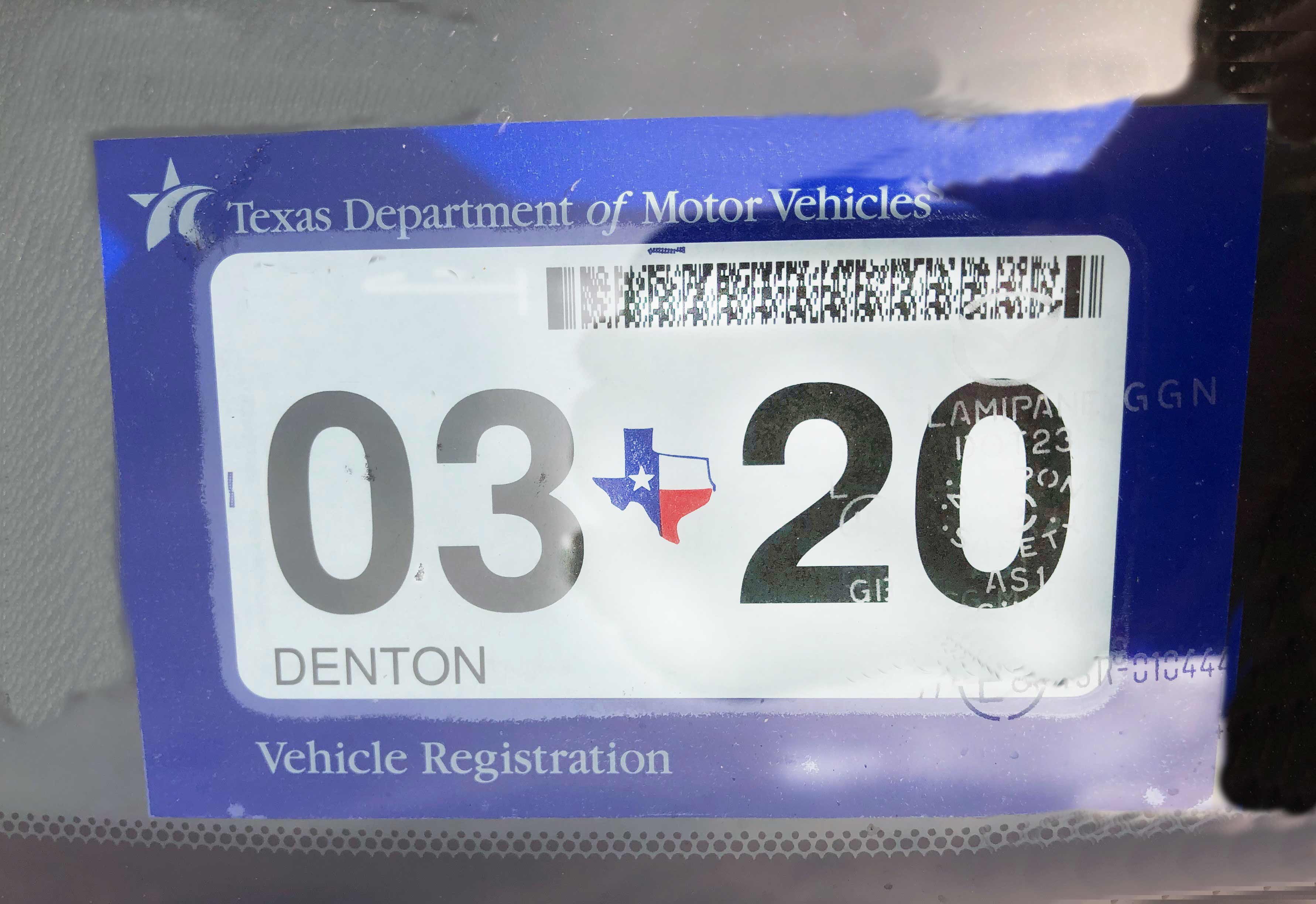
The successful completion of your vehicle inspection is the prerequisite for registering your vehicle in Texas. Under the one-sticker system, the inspection data is electronically submitted to the Texas Department of Motor Vehicles (DMV). This means that when you go to renew your vehicle registration, the system will automatically confirm whether your vehicle has passed its annual inspection. You no longer receive a physical inspection sticker; instead, your vehicle registration sticker, which is displayed on your windshield, serves as proof that your inspection is current.
This integration simplifies the process but also means that any delay in getting your inspection done will directly impact your ability to renew your registration and receive updated license plates or registration stickers. For those moving to Texas, you typically have 30 days from establishing residency to register your vehicle. Getting your inspection done promptly is one of the first and most critical steps in this process. Without a valid registration, your vehicle is not legally allowed on Texas roads.
Avoiding Penalties: Fines and Delays
Driving with an expired inspection or registration can lead to significant penalties. Fines for an expired inspection sticker can range from modest amounts to several hundred dollars, depending on the elapsed time and whether other violations are incurred. Additionally, you could face court costs and surcharges. These financial penalties can quickly add up, turning what should be a minor annual expense into a costly headache, especially if you’re touring cities like Dallas or Houston and happen to encounter law enforcement. Beyond financial costs, there’s the inconvenience and potential for delays in your travel plans. No one wants their Texas vacation interrupted by a traffic stop over an expired inspection. Staying compliant ensures that your journey across the vast Texas landscape remains uninterrupted and enjoyable.
Peace of Mind on the Open Road: Safety and Environmental Responsibility
Ultimately, the modest cost and effort involved in a Texas car inspection are a small price to pay for the benefits they provide. A properly inspected vehicle offers peace of mind. Knowing that your brakes, tires, lights, and other critical safety components are in good working order means a safer journey for you, your passengers, and everyone else on the road. This is particularly important when traversing long distances across the state, from the Panhandle to the Gulf Coast, where reliable vehicle performance is paramount.
Furthermore, by ensuring your vehicle meets emissions standards, you contribute to a cleaner environment. This aligns with a growing global awareness of sustainable tourism and responsible living, principles that Life Out Of The Box champions. Reducing vehicle emissions helps improve air quality, particularly in densely populated urban centers, and preserves the natural beauty that draws so many travelers to Texas in the first place. Whether you’re planning to visit a state park, explore a vibrant downtown area, or simply enjoy the Texas sunshine, a current and passed inspection is your ticket to a lawful, safe, and environmentally conscious Texas experience.
In conclusion, understanding “How Much Is A Texas Car Inspection?” goes beyond just the dollar amount. It encompasses a commitment to safety, compliance with state law, and a dedication to environmental stewardship. For anyone looking to truly enjoy all that Texas has to offer, from its bustling cities to its serene natural landmarks, a valid vehicle inspection is an essential step towards a memorable and worry-free journey. Keep your vehicle in top shape, pay attention to the annual requirements, and you’ll be ready to explore every corner of the Lone Star State with confidence and ease.