
Navigating the Lone Star State, whether for a vibrant Texas road trip, a luxurious stay at a resort, or to delve into its rich history, often necessitates official documentation. Among the most crucial pieces of identification for residents and, in certain contexts, visitors, is the Texas Identification Card. Often referred to as a “non-driver ID,” this card serves as a primary form of identification, proving your identity and age. Understanding its cost is a fundamental step for anyone planning an extended stay, engaging in local tourism, or simply ensuring they are properly documented.
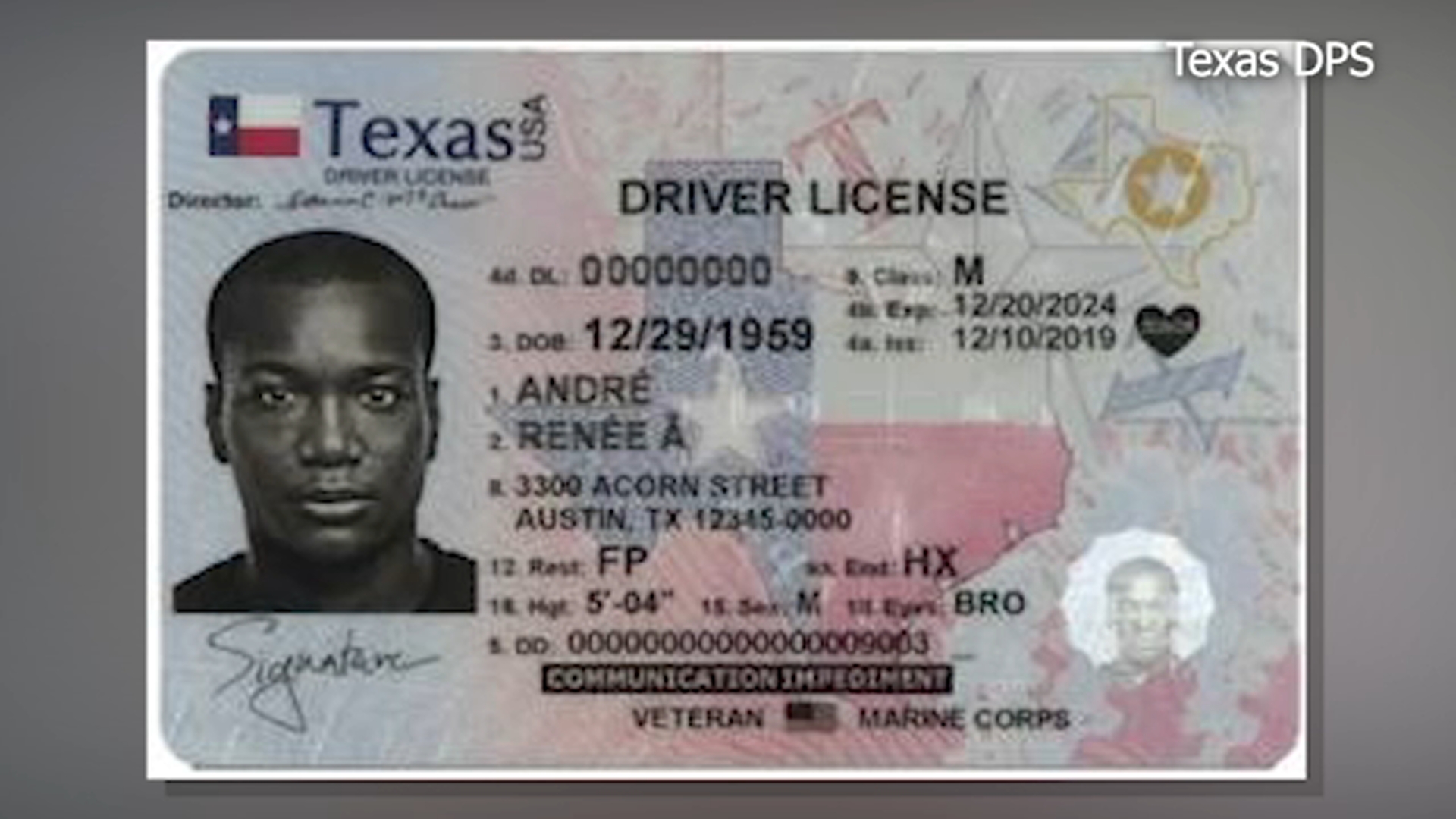
The Texas Identification Card is issued by the Texas Department of Public Safety (DPS). It’s a valuable tool, especially for those who do not own or operate a motor vehicle and therefore do not possess a driver’s license. This includes seniors, students, and individuals who rely on public transportation or other modes of travel. Beyond its function as proof of identity, a Texas ID can be instrumental in accessing various services and experiences across the state, from entering certain establishments that require age verification to participating in local activities and cultural events.
The primary driver behind the question of “How Much Is A Texas Identification Card?” is the associated fee. This fee, while modest, is a necessary part of the process of obtaining the card. The Texas DPS structures its fees to cover the administrative costs of issuing identification documents, ensuring the integrity and security of the system. For most applicants, the standard fee is a straightforward payment. However, like many government-issued documents, there can be variations based on specific circumstances, such as the need for a replacement card or special endorsements.
Understanding the Standard Fee Structure
The base cost for a Texas Identification Card is designed to be accessible. For most first-time applicants and renewals, the fee is a fixed amount. This standard fee reflects the operational expenses of the Texas Department of Public Safety, including the production of the card itself, the data management involved, and the personnel required to process applications. It’s important to note that these fees can be subject to change by legislative action, though typically such adjustments are infrequent and widely publicized.
The current standard fee for a Texas Identification Card is $32. This fee applies to individuals seeking a new ID card or renewing an expired one. This cost is consistent across all age groups for standard issuance. For those who might be traveling extensively and considering a longer-term stay, understanding these costs upfront is part of responsible budgeting for their travel experiences. Whether you are a tourist looking to immerse yourself in the local culture of Austin or planning a business stay in Dallas, having a valid ID is often a prerequisite.
Beyond the initial issuance or renewal, there are specific scenarios that may incur additional costs. One common situation is the need to replace a lost, stolen, or damaged identification card. When an ID card is no longer in your possession or is unreadable, you will need to apply for a duplicate. The fee for a duplicate Texas Identification Card is also $32. This ensures that even if you face an unforeseen circumstance, such as misplacing your wallet while exploring the Alamo or during a stay at a popular resort in the Hill Country, obtaining a replacement is a standardized process with a predictable cost.
Fee Waivers and Special Circumstances
While the standard fees are well-defined, the state of Texas does offer provisions for fee waivers in certain situations. These waivers are typically designed to assist vulnerable populations and ensure that essential identification is not an insurmountable financial barrier. Eligibility for fee waivers is generally based on specific criteria, often related to income or participation in state assistance programs.
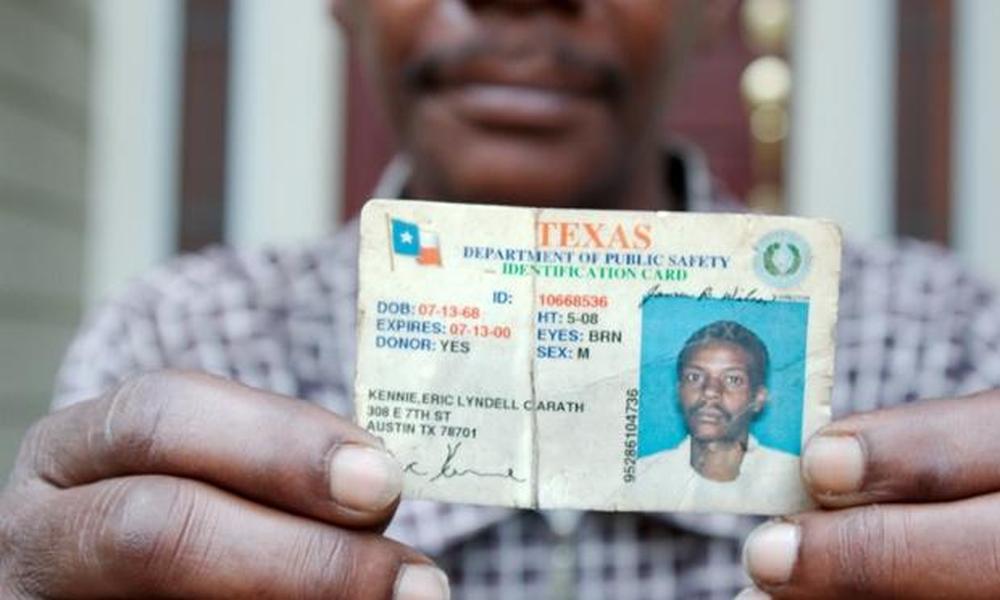
One notable category of individuals who may be eligible for a waiver of the identification card fee are those who have been in the conservatorship of the Texas Department of Family and Protective Services (DFPS) and are between the ages of 17 and 21. For these young adults transitioning out of the foster care system, obtaining identification is crucial for securing employment, housing, and accessing educational opportunities. This waiver is a critical support mechanism to help them establish independence.
Additionally, individuals who are registered organ donors may also be eligible for a fee waiver for their identification card. This initiative recognizes and encourages the selfless act of organ donation, making it easier for registered donors to obtain their official identification. The process for applying for a fee waiver typically requires documentation to verify eligibility, and applicants should consult the Texas Department of Public Safety website or visit a driver license office for detailed information on the required paperwork. These waivers underscore the state’s commitment to ensuring that identification is accessible to all its residents, regardless of their financial standing or personal circumstances.
Factors Influencing the Cost
While the $32 fee is the most common answer to “How Much Is A Texas Identification Card?”, understanding the nuances can be helpful. The primary factor, as established, is the type of transaction: original issuance, renewal, or replacement. Each of these typically falls under the standard fee. However, it’s worth considering how this fee relates to the broader context of travel and lifestyle choices within Texas.
For instance, a family planning a budget travel excursion to explore the San Antonio River Walk or visiting historical landmarks might find the ID fee a small but necessary expense. Similarly, those seeking a more luxury travel experience, perhaps staying at a five-star hotel like the Hotel Saint Cecilia in Austin, will find the cost of identification to be a minor consideration in their overall budget. The ID card is not just for identification; it can also be used to access certain amenities or participate in age-restricted tours of historical sites.
It’s also important to note that the fee does not vary based on the applicant’s age, except in cases of specific eligibility for waivers. A senior citizen renewing their ID card will pay the same $32 as an adult applying for their first ID. This standardization simplifies the process for everyone. The cost is also distinct from any potential fees associated with travel or accommodation. For example, booking a villa in the Texas Hill Country or a suite at a prominent resort in Houston will involve separate booking and amenity fees, unrelated to the cost of obtaining your state identification. The purpose of the Texas ID card is solely to provide a verifiable form of identification within the state.
Obtaining Your Texas Identification Card: Process and Next Steps
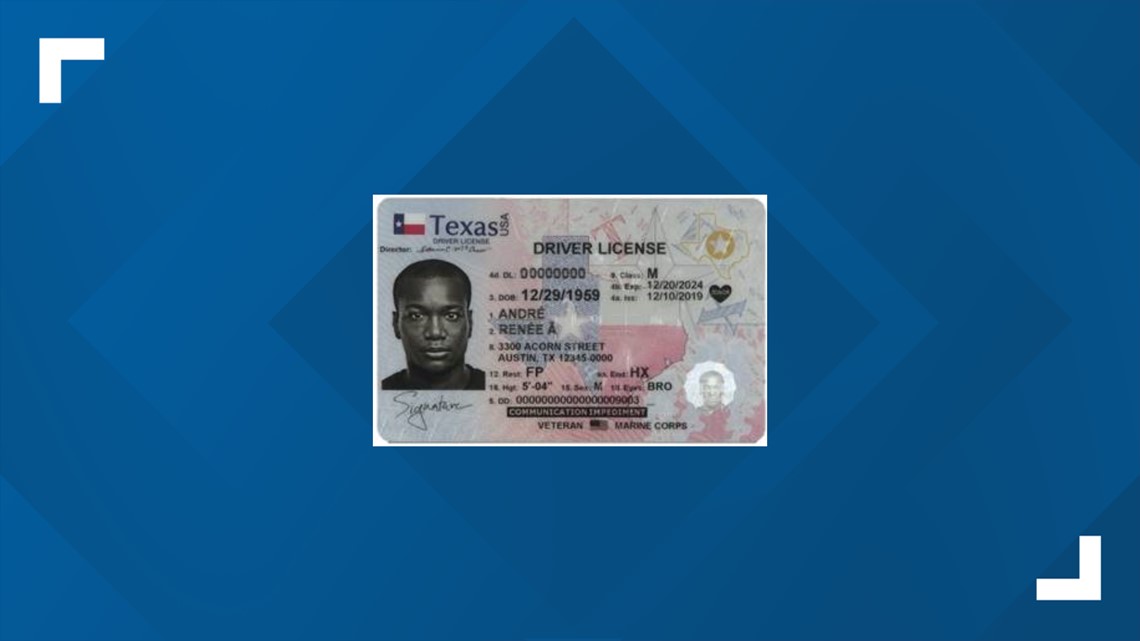
The process of obtaining a Texas Identification Card is administered through the Texas Department of Public Safety. Applicants are typically required to visit a driver license office in person. This is to ensure the verification of identity and residency documents, and to allow for the capture of a photograph for the card. The application process itself is straightforward, involving the completion of a form and the presentation of supporting documentation.
Essential documents usually include proof of identity (such as a birth certificate or passport), proof of Social Security number, and proof of Texas residency (such as utility bills or lease agreements). It is highly recommended to check the official Texas Department of Public Safety website for the most current and comprehensive list of acceptable documents, as requirements can occasionally be updated. Once the application is processed and the fee is paid, the applicant will have their photograph taken. The identification card is then typically mailed to the applicant’s provided address within a specified timeframe, usually a few weeks.
For those planning travel or a relocation to Texas, securing this identification early in their journey can streamline many aspects of their stay. Whether it’s checking into a hotel in Galveston, renting a car, or simply enjoying a local dining experience in Fort Worth, a valid Texas Identification Card serves as your official key. It’s a foundational document that supports participation in the rich tapestry of experiences that Texas has to offer, from its bustling cities and vast natural landscapes to its unique lifestyle and vibrant tourism industry. The modest fee for the card is an investment in your ability to fully engage with the Lone Star State.