
While your itinerary might be packed with visits to iconic sites like the [Alamo] or exhilarating drives along scenic routes, an unexpected encounter with law enforcement due to an insurance lapse can swiftly transform a dream vacation into a stressful ordeal. Driving without proper vehicle insurance in [Texas] carries significant penalties that extend far beyond a simple fine, impacting your travel budget, your mobility, and even your long-term financial well-being. This comprehensive guide aims to shed light on the costs, consequences, and critical considerations for anyone driving in [Texas], ensuring you’re well-prepared to navigate its roads with peace of mind. By understanding these regulations, especially for out-of-state and international visitors, you can proactively safeguard your travel plans and fully immerse yourself in the authentic [Texas] experience.
Navigating Texas Roads: Understanding Mandatory Auto Insurance for Travelers
Exploring [Texas] by car offers an incredible sense of freedom, allowing you to discover hidden gems and traverse its vast distances at your own pace. However, this freedom comes with the responsibility of adhering to the state’s stringent driving laws, particularly concerning vehicle insurance. For both residents and visitors, understanding these requirements is not merely a legal obligation but a crucial step in ensuring your personal and financial protection during your travels.
The Legal Framework: What Texas Requires
At the heart of [Texas]’s auto insurance regulations is the “Financial Responsibility Law.” This law mandates that all drivers must be able to prove financial responsibility for any accidents they might cause. For most drivers, this means carrying at least the state-minimum liability insurance. The current minimum coverage requirements in [Texas] are often referred to as “30/60/25”:
- $30,000 for bodily injury liability per person.
- $60,000 for total bodily injury liability per accident.
- $25,000 for property damage liability per accident.
These figures represent the maximum amount your insurance company will pay for damages if you are at fault in an accident. It’s important to note that these minimums are often just that – minimums. Many experts and seasoned travelers recommend carrying higher coverage limits, especially when traveling, to adequately protect against the potentially astronomical costs of serious accidents.
Proof of insurance is also a mandatory requirement. Drivers must be able to present valid proof of insurance upon request by a law enforcement officer. This can be in the form of a physical insurance card, an electronic version on your smartphone, or a declaration page from your policy. Failure to produce this proof can lead to immediate penalties, even if you are insured.
For out-of-state and international visitors, the same rules apply. When you operate a vehicle on [Texas] roads, you are subject to [Texas] law. If you’re driving your own car from another state, your existing policy generally needs to meet or exceed [Texas]’s minimum requirements. If you’re an international visitor, or if you’re renting a car, the situation requires careful attention. Rental car companies typically offer various insurance options, but it’s vital to clarify what is included in your rental agreement and whether your personal auto policy or credit card benefits provide adequate secondary coverage. Relying solely on the basic rental car insurance might leave you underinsured, potentially exposing you to significant financial risk in case of an incident. Ensuring you have robust coverage, whether through your personal policy, credit card, or the rental company, is a non-negotiable step for a worry-free journey across the vast expanses of [Texas], from the vibrant nightlife of [Austin] to the historical battlegrounds near the [San Jacinto Monument].
Why Insurance Matters Beyond Legal Compliance
While avoiding a ticket is certainly a strong motivator, the importance of auto insurance extends far beyond mere legal compliance. For travelers exploring the diverse landscapes and bustling cities of [Texas], from the serene beaches of [Galveston Island] to the rugged trails of [Palo Duro Canyon State Park], insurance offers a critical layer of financial protection and, perhaps most importantly, peace of mind.
Imagine enjoying a scenic drive along the [Texas Gulf Coast], perhaps heading to [Padre Island National Seashore] for some birdwatching, when an unforeseen accident occurs. Without insurance, you would be personally responsible for all damages, including medical expenses for injured parties and repairs to damaged vehicles or property. These costs can quickly escalate into tens, or even hundreds, of thousands of dollars, completely derailing your travel budget and potentially leading to severe financial distress. Such an event could easily turn a relaxing vacation into a financial nightmare, impacting not just your current trip but also your financial future.
Moreover, having adequate insurance allows you to focus on the joy of discovery and the unique experiences [Texas] has to offer. Whether you’re savoring the rich BBQ in [Lockhart], exploring the vibrant arts scene in [Marfa], or visiting the world-renowned museums in [Houston], knowing you’re protected against unforeseen circumstances frees you to fully immerse yourself in the moment. It transforms a potential source of anxiety into a foundation of security, ensuring that your exploration of the Lone Star State remains a truly positive and enriching adventure.
The Cost of Non-Compliance: Penalties for Driving Without Insurance in Texas
The allure of [Texas] travel is undeniable, but the consequences of neglecting its vehicle insurance laws can be severe, extending far beyond the initial inconvenience of a traffic stop. Understanding these penalties is crucial for anyone planning to drive in the state, whether you’re embarking on a short weekend getaway or an extended exploration of its many wonders. The financial repercussions can be substantial, transforming a budget-friendly trip into a costly ordeal and impacting your ability to enjoy future travel.
First Offense: Initial Fines and Administrative Fees
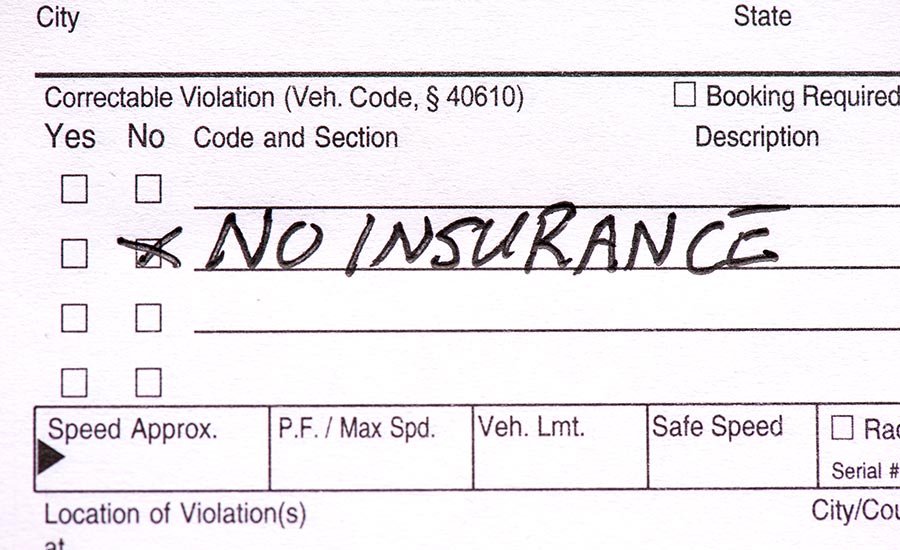
For a first-time offense of driving without valid proof of insurance in [Texas], the initial fine typically ranges from $175 to $350. While this might seem manageable at first glance, it’s merely the starting point. The true cost rapidly escalates once additional court costs, state surcharges, and other administrative fees are factored in. These additional charges can significantly inflate the total amount, often pushing the final bill for a first offense well into the $500 to $1,000 range, or even higher.
For travelers, this immediate budget hit can be particularly devastating. A sum of $1,000, for instance, could easily cover several nights at a charming boutique hotel in [Fredericksburg], a gourmet dining experience in [Austin], or tickets to various attractions across [San Antonio]. Instead, that money is diverted to penalties, reducing your ability to fully experience and enjoy your trip. Furthermore, out-of-state visitors might face the added inconvenience and expense of having to return to [Texas] for a court appearance, disrupting their travel plans and adding to their overall costs. A first offense also often comes with a warning that a driver’s license suspension will occur upon subsequent violations, serving as a stern reminder of the escalating consequences.
Escalating Consequences: Repeat Offenses and SR-22 Requirements
The penalties for driving without insurance in [Texas] become significantly harsher for repeat offenders. A second or subsequent conviction for driving uninsured carries a much steeper fine, which can be as high as $1,000. Beyond the increased monetary penalty, the most severe consequence for repeat offenses is the mandatory driver’s license suspension, typically for two years. This means that if you are caught driving uninsured multiple times, your driving privileges in [Texas] will be revoked for an extended period, regardless of where your primary license was issued. For anyone planning a road trip or relying on a car for mobility, such a suspension is a crippling blow to their travel plans and overall independence.
Furthermore, a repeat offense often triggers an SR-22 requirement. An SR-22 is not an insurance policy itself, but rather a certificate of financial responsibility that your insurance company files with the [Texas Department of Public Safety]. It signifies that you are considered a high-risk driver, making it much more difficult and expensive to obtain auto insurance. The cost of SR-22 insurance premiums is significantly higher than standard policies, often remaining elevated for several years. This requirement not only impacts your immediate budget but also has long-term financial implications, affecting your ability to affordably insure a vehicle in the future, regardless of whether you’re in [Texas] or back in your home state.
In some severe cases, particularly involving multiple repeat offenses or accidents, there’s even the possibility of vehicle impoundment. This adds storage fees and retrieval costs to the already hefty fines and penalties. For those on an extended stay in [Texas] or on a business trip, a suspended license and impounded vehicle can cause immense disruption, potentially forcing them to rely on expensive alternative transportation or even prematurely end their visit. The cascading effects of these penalties extend far beyond the initial ticket, underscoring the critical importance of ensuring continuous and adequate insurance coverage while traversing the diverse regions of [Texas], from the historic streets of [El Paso] to the vibrant atmosphere of [Fort Worth].
Beyond the Ticket: Hidden Costs and Travel Disruptions
While the direct fines and license suspensions for driving without insurance in [Texas] are substantial, they represent only the tip of the iceberg. The true cost of non-compliance can extend to far more profound financial burdens, administrative hassles, and long-term repercussions that significantly impact a traveler’s experience, lifestyle, and financial stability. These hidden costs can turn a minor infraction into a life-altering event, especially when an accident is involved.
Financial Burdens in the Event of an Accident
The most devastating consequence of driving uninsured is undoubtedly the financial liability in the event of an accident where you are at fault. Without liability insurance, you are personally responsible for all damages incurred. This includes:
- Property Damage: The cost of repairing or replacing the other vehicle(s) involved, as well as any other damaged property like fences, utility poles, or buildings. Modern vehicle repairs can be incredibly expensive, easily running into tens of thousands of dollars.
- Medical Bills: The costs associated with treating injuries sustained by other drivers, passengers, or pedestrians. Medical expenses, particularly for serious injuries, can quickly skyrocket into hundreds of thousands or even millions of dollars, depending on the severity and duration of treatment.
- Lost Wages: Compensation for the lost income of injured parties who are unable to work due to their injuries.
Imagine enjoying the stunning views at [Big Bend National Park] or exploring the vibrant [Riverwalk] in [San Antonio], only to be involved in an accident. Without insurance, these out-of-pocket expenses can quickly lead to personal bankruptcy, seizing of assets, and wage garnishment. Such a financial disaster can decimate savings, destroy credit scores, and impact your ability to travel or even secure housing for years to come. It transforms an adventurous getaway into an unbearable financial nightmare, with consequences that ripple through every aspect of your life.
Administrative Hassles and Time Lost
Beyond the direct financial costs, driving uninsured can lead to a litany of administrative hassles and significant time loss, which are particularly impactful for travelers. If you are cited for driving without insurance, you will likely be required to appear in court. For out-of-state visitors, this means making one or more return trips to [Texas], incurring additional expenses for flights, accommodation, and rental cars, further eating into your travel budget. Each court appearance consumes valuable time that could otherwise be spent enjoying your vacation or attending to business matters.
Navigating the legal system, understanding court procedures, and potentially hiring legal counsel (another significant expense) adds immense stress and complexity to what should be a straightforward trip. The sheer volume of paperwork, follow-up calls, and appointments can quickly overwhelm anyone, especially those unfamiliar with the local judicial processes. This administrative burden can transform a relaxing exploration of [Texas]’s natural beauty, like the [Guadalupe Mountains National Park], into a logistical nightmare, leaving you drained and frustrated rather than rejuvenated.

Long-Term Repercussions on Lifestyle and Mobility
The repercussions of driving without insurance can cast a long shadow, affecting your lifestyle and mobility long after the initial incident. One of the most common long-term impacts is a significant increase in future auto insurance premiums, even after you become compliant. Insurers view individuals with a history of driving uninsured as high-risk, leading to substantially higher rates for years. This financial penalty can make vehicle ownership and maintenance much more expensive, limiting your overall discretionary income, including funds for future travel.
Furthermore, a history of driving uninsured or having a suspended license can make it difficult to rent cars in the future, both domestically and internationally. Rental agencies often check driving records, and adverse entries can lead to outright denials or require you to purchase expensive supplemental insurance. This directly impacts your ability to undertake road trips or enjoy the convenience of a rental car in other destinations, thereby curtailing future travel plans and opportunities.
For repeat offenders, particularly those involved in accidents, there could even be criminal record implications, further complicating aspects of life such as employment, housing, and even international travel visa applications. The stress and anxiety associated with legal troubles, financial strain, and restricted mobility can significantly impact your overall quality of life, transforming the dream of a wanderlust-filled existence into one burdened by past mistakes. Ensuring proper insurance coverage is not just about avoiding a ticket; it’s about safeguarding your freedom, your finances, and your ability to live a life full of exploration and adventure, whether that’s discovering the charm of a bed and breakfast in [New Braunfels] or cruising through the vast plains near [Amarillo].
In conclusion, while the allure of [Texas] with its rich history, vibrant culture, and diverse landscapes is undeniable, the potential pitfalls of driving without proper vehicle insurance are equally significant. A seemingly minor oversight can escalate into severe financial penalties, prolonged administrative hassles, and long-term impacts on your lifestyle and travel opportunities. The initial fines, escalating to thousands of dollars for repeat offenses, coupled with mandatory license suspensions and the imposition of expensive SR-22 requirements, collectively paint a stark picture of the consequences.
Beyond the legal penalties, the true cost often lies in the financial devastation that can result from an uninsured accident, leaving you liable for potentially limitless damages and medical bills. The stress, time lost in court appearances, and the long-term struggle with increased insurance premiums and rental car restrictions can transform a carefully planned [Texas] getaway into a distressing and costly ordeal.
Therefore, as you plan your journey to the Lone Star State, whether you’re looking forward to the vibrant nightlife of [Austin], the historical significance of the [Alamo], or the natural wonders of [Big Bend National Park], prioritize securing adequate auto insurance. A small investment in proper coverage provides immense peace of mind, allowing you to fully immerse yourself in the beauty, hospitality, and unique experiences that [Texas] generously offers. Drive responsibly, stay informed, and ensure your [Texas] adventure remains an unforgettable and worry-free chapter in your travel story.
LifeOutOfTheBox is a participant in the Amazon Services LLC Associates Program, an affiliate advertising program designed to provide a means for sites to earn advertising fees by advertising and linking to Amazon.com. Amazon, the Amazon logo, AmazonSupply, and the AmazonSupply logo are trademarks of Amazon.com, Inc. or its affiliates. As an Amazon Associate we earn affiliate commissions from qualifying purchases.