
A trip to Hawaii, the archipelago paradise nestled in the heart of the Pacific Ocean, is a dream vacation for countless travelers worldwide. With its stunning natural beauty, vibrant local culture, and diverse activities, the United States‘ 50th state offers an unforgettable escape. However, one of the most common questions for prospective visitors is, “How much does a trip to Hawaii cost?” The answer, as with many dream destinations, isn’t a simple figure. It largely depends on your travel style, the duration of your stay, which islands you plan to visit, and your preferences for accommodation, dining, and experiences.
From budget-conscious backpackers to those seeking opulent luxury travel, Hawaii can cater to a wide spectrum of financial plans. Understanding the core components of your travel budget—flights, lodging, transportation, food, and activities—is key to planning a seamless and enjoyable Hawaiian adventure without breaking the bank. This comprehensive guide will break down the typical costs associated with a trip to Hawaii, offering insights and tips to help you budget effectively for your dream island getaway.
Understanding the Core Costs of a Hawaiian Vacation
The foundation of any travel budget begins with the essentials: how you get there, where you stay, and how you move around once you arrive. These elements often represent the most significant portion of your total trip cost and can vary dramatically based on various factors.
Flights: Your Gateway to Paradise
The cost of airfare to Hawaii is arguably the most volatile component of your budget. Prices fluctuate significantly based on your departure city, the time of year, how far in advance you book, and which airline you choose. Travelers from the West Coast of the United States, such as Los Angeles or San Francisco, typically enjoy lower fares due to shorter flight times and increased competition among airlines like Southwest Airlines, Alaska Airlines, and Hawaiian Airlines. Round-trip tickets from these hubs can sometimes be found for as low as $300-$500, especially during off-peak seasons or with promotional deals.
For those flying from the Midwest or East Coast, flights will naturally be more expensive and longer, often involving layovers. Expect to pay anywhere from $600 to $1,000 or more per person for a round-trip ticket. Peak travel seasons, such as summer (June to August), major holidays (Christmas, New Year’s, Easter), and spring break, see a substantial increase in airfare, often pushing prices beyond the $1,000 mark even from the West Coast. Flexibility with your travel dates and booking several months in advance (ideally 3-6 months) can significantly impact your flight costs. Using flight comparison websites and setting up price alerts can also help you snag the best deals.
Accommodation: From Budget to Luxury Stays
Hawaii offers a vast spectrum of accommodation options, ranging from basic hostels to extravagant resorts and villas. The island you choose to visit also plays a crucial role in pricing; Oahu (particularly Waikiki) and Maui tend to have more expensive lodging due to higher demand and a greater concentration of upscale properties.
For budget-conscious travelers, hostels or guesthouses can be found for $50-$100 per night, primarily on Oahu and the Big Island. Mid-range hotels, often offering comfortable amenities and good locations, typically fall into the $150-$300 per night bracket. These might include popular chains like Courtyard by Marriott or local boutique hotels.
Luxury resorts and high-end hotels, such as the Four Seasons Resort Maui at Wailea, Grand Hyatt Kauai Resort & Spa, or the historic Moana Surfrider in Waikiki, can easily cost $400 to $1,000+ per night, especially for suites or oceanfront rooms. Vacation rentals through platforms like Airbnb or VRBO offer a middle ground, providing more space and kitchen facilities, with prices varying widely from $100 to $500+ per night depending on size, location, and amenities.
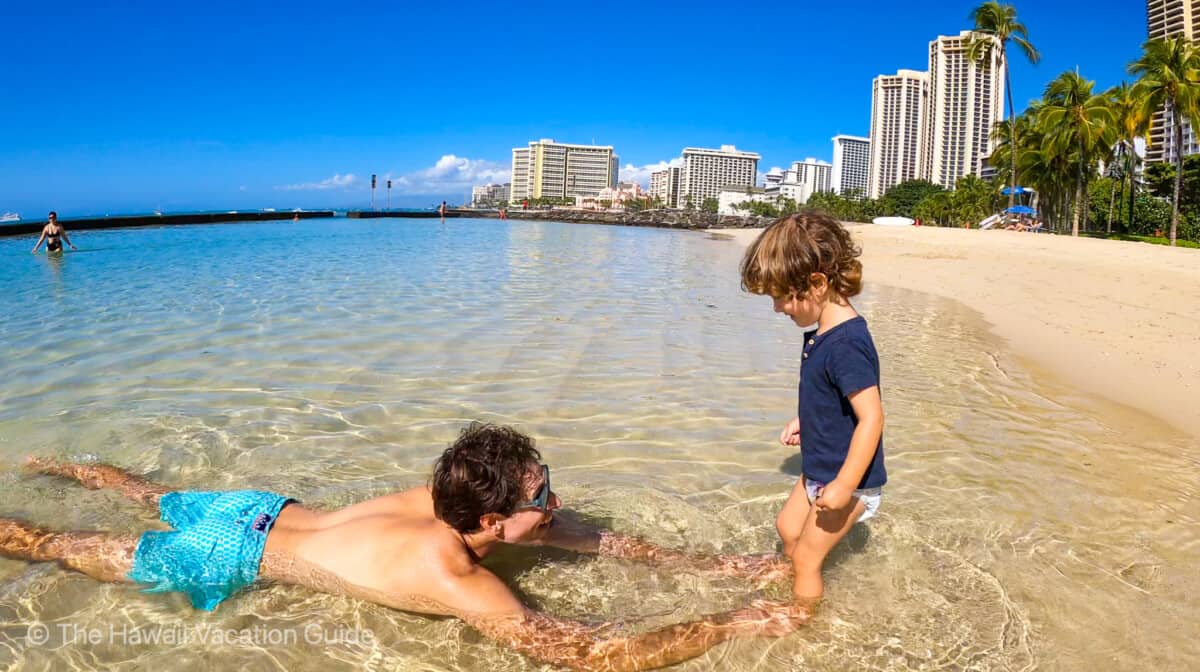
Consider booking accommodation with kitchenettes or complimentary breakfast to save on food costs. Always check for resort fees, which are common in Hawaii and can add $25-$50 per night to your bill.
Transportation on the Islands
Getting around Hawaii depends heavily on the island you’re visiting and your desired level of flexibility.
- Rental Cars: For most islands like Maui, Kauai, and the Big Island, a rental car is almost essential to explore freely. Car rental rates can range from $50-$150 per day, not including gas, which is typically higher than on the mainland United States. Booking in advance, especially during peak season, is highly recommended as availability can be limited.
- Ride-sharing and Taxis: Services like Uber and Lyft are available in more populated areas, particularly on Oahu and parts of Maui. Taxis are also an option but tend to be more expensive. These can be convenient for airport transfers or short trips within urban centers like Honolulu or Lahaina.
- Public Transportation: Oahu has the most extensive public bus system, “TheBus,” which is an affordable way to get around Honolulu and even reach popular attractions like Diamond Head or the North Shore. A single fare is usually around $3. Other islands have limited public transport, making a rental car almost a necessity for extensive exploration.
- Inter-island Flights: If you plan to visit multiple islands, you’ll need to factor in inter-island flights. Hawaiian Airlines and Mokulele Airlines operate these flights, with round-trip tickets typically costing $70-$150 per person, depending on the route and booking time.

Exploring the Cost of Activities and Experiences
Beyond the basics, the true magic of Hawaii lies in its diverse array of activities and culinary delights. These elements allow you to immerse yourself in the local culture and natural wonders, but they also contribute significantly to your overall budget.
Dining: Savoring Hawaiian Flavors
Food costs in Hawaii can vary greatly. As an isolated island chain, many goods are imported, making grocery store prices generally higher than on the mainland. Eating out frequently, especially in tourist-heavy areas or upscale restaurants, can quickly inflate your budget.
- Budget-Friendly: To save money, consider cooking some meals if your accommodation has a kitchen. Local plate lunch spots, food trucks, and farmers’ markets offer delicious and affordable options, with meals often costing $10-$20. Shave ice and poke bowls are must-try local specialties that are also relatively inexpensive.
- Mid-Range: Casual restaurants and family diners might cost $20-$40 per person per meal. A traditional Hawaiian luau, a popular cultural experience with food and entertainment, typically runs $100-$200 per person.
- Luxury: Fine dining experiences in Hawaii, particularly at resort restaurants with ocean views, can easily exceed $70-$150 per person for dinner, excluding drinks and gratuity.
On average, budget $70-$150 per person per day for food, depending on your habits.
Excursions and Attractions
Hawaii boasts an incredible array of attractions and activities, many of which are free or low-cost, such as hiking the Diamond Head trail ($5 per car), relaxing on world-famous beaches like Waikiki Beach, or exploring Volcanoes National Park on the Big Island ($30 per vehicle).
However, many iconic experiences come with a price tag:
- Snorkeling/Diving Tours: $50-$150 per person for half-day excursions to spots like Hanauma Bay (reservations often required, entrance fee ~$25) or Molokini Crater.
- Surfing Lessons: Group lessons typically cost $70-$120 per person.
- Helicopter Tours: A spectacular way to see the islands, especially the Na Pali Coast on Kauai or volcanic activity, but they are expensive, ranging from $250-$600 per person.
- Whale Watching Tours (seasonal): $60-$120 per person (December to May).
- Pearl Harbor Tours: While entry to the USS Arizona Memorial is free, organized tours often cost $50-$150.
- Polynesian Cultural Center: A full-day experience on Oahu can range from $80-$250 per person, depending on the package.
- Road to Hana (Maui): While driving this scenic route is free, guided tours can cost $100-$200 per person.
Carefully select your must-do activities and prioritize them within your budget.

Shopping and Souvenirs
Whether it’s a small token for a loved one or a piece of local art, souvenirs are often part of the travel experience. Costs here are entirely discretionary. Budgeting $50-$200 for souvenirs, depending on your generosity and taste, is a reasonable estimate. Common purchases include local coffee, macadamia nuts, Hawaiian print clothing, and handcrafted jewelry.
Budgeting for Different Travel Styles
To provide a clearer picture, let’s categorize typical costs based on common travel styles for a one-week trip to one island, assuming a couple traveling together.
The Budget-Conscious Traveler ($2,500 – $4,500 for two)
For those looking to experience Hawaii without overspending, a budget trip is certainly achievable.
- Flights: Aim for off-peak season (late spring, fall) and book well in advance. Expect $300-$600 per person from the West Coast, or $600-$900 from further afield. Total: $600-$1,800.
- Accommodation: Stay in hostels, budget hotels, or consider camping (where permitted) for $50-$120 per night. Total: $350-$840.
- Transportation: Rely on Oahu’s public bus system, or carpool/use ride-shares sparingly. If renting a car, choose the smallest economy option and split costs. Total: $100-$400 (if mostly public transport/minimal car rental).
- Food: Focus on groceries, local markets, plate lunch spots, and food trucks. Budget $50-$70 per day for two. Total: $350-$490.
- Activities: Prioritize free attractions like beaches, hiking trails, and free cultural events. Perhaps one paid excursion like snorkeling or a budget luau. Total: $100-$300.
- Miscellaneous/Buffer: $100-$200.
Total estimated cost for a week for two: $2,500 – $4,500.
Mid-Range Exploration ($4,500 – $8,000 for two)
This category allows for more comfort and a wider range of experiences.
- Flights: Slightly more flexible with dates, perhaps a direct flight from the West Coast or a decent fare from further east. Expect $500-$800 per person. Total: $1,000-$1,600.
- Accommodation: Comfortable 3-star hotels, vacation rentals, or a standard room in a well-regarded resort. Budget $150-$300 per night. Total: $1,050-$2,100.
- Transportation: A rental car for the entire trip, providing freedom to explore. Budget $70-$100 per day (including gas). Total: $490-$700.
- Food: A mix of cooking, casual restaurants, and a few nicer dining experiences. Perhaps one luau. Budget $80-$130 per day for two. Total: $560-$910.
- Activities: Several paid excursions like a snorkeling tour, surfing lesson, or a visit to a botanical garden. Total: $400-$800.
- Miscellaneous/Buffer: $200-$300.
Total estimated cost for a week for two: $4,500 – $8,000.
Indulging in Luxury ($8,000 – $15,000+ for two)
For those who desire premium experiences and ultimate comfort, Hawaii offers unparalleled luxury.
- Flights: First-class or business-class fares, or premium economy on preferred airlines. Expect $1,500-$4,000+ per person. Total: $3,000-$8,000+.
- Accommodation: High-end resorts like the Ritz-Carlton Kapalua or Four Seasons Resort Hualalai, oceanfront suites, or private villas. Budget $400-$1,000+ per night. Total: $2,800-$7,000+.
- Transportation: Premium rental car (convertible, luxury SUV), private transfers, or even chauffeur services. Total: $700-$1,500+.
- Food: Fine dining experiences, resort restaurants, private chef services, and cocktails. Budget $150-$300+ per day for two. Total: $1,050-$2,100+.
- Activities: Private helicopter tours, exclusive catamaran cruises, spa treatments, golf rounds at championship courses, and private guided tours. Total: $1,000-$3,000+.
- Miscellaneous/Buffer: $500-$1,000+.
Total estimated cost for a week for two: $8,000 – $15,000+.
Tips for Saving Money and Maximizing Your Experience
Regardless of your budget, there are always smart strategies to make your Hawaiian vacation more affordable and enjoyable.
Strategic Planning and Booking
- Travel during shoulder season: The periods from mid-April to early June and September to mid-December often offer the best balance of good weather, fewer crowds, and lower prices for flights and accommodation.
- Book flights and accommodation in advance: Especially for popular resorts or during peak season, early booking can secure better rates.
- Consider travel packages: Sometimes bundling flights, hotels, and even a rental car can result in significant savings compared to booking each component separately.
- Look for deals and discounts: Sign up for email alerts from airlines and hotel chains. Websites like Groupon or local coupon books might offer discounts on activities and restaurants.
- Choose your island wisely: While all islands are beautiful, some are inherently more expensive than others. Oahu generally offers the widest range of budget options, while Maui tends to be the most expensive. Kauai and the Big Island often fall in the middle.
Embracing Local Lifestyle
- Cook some of your meals: This is perhaps the biggest money-saver. Stock up on groceries at local supermarkets like Foodland or Safeway, or visit farmers’ markets for fresh, local produce.
- Eat like a local: Seek out plate lunch establishments, food trucks, and smaller local eateries away from the main tourist strips. These often offer authentic and delicious Hawaiian food at a fraction of resort prices.
- Utilize free attractions and activities: Spend days at the beach, go hiking on numerous trails, explore scenic drives, or visit free cultural sites. Hawaii’s natural beauty is its greatest attraction, and much of it is free to enjoy.
- Bring your own gear: If you plan on snorkeling, consider bringing your own mask and snorkel to avoid rental fees. Pack reusable water bottles to refill and save on buying bottled water.
The Best Time to Visit Hawaii
While there’s no “bad” time to visit Hawaii, certain periods offer advantages in terms of cost and crowd levels. The peak seasons are typically from mid-December through March (winter escapees, whale watching season) and June through August (summer vacationers). During these times, prices for flights, accommodation, and car rentals are at their highest.
The “shoulder seasons” — April to May and September to November — often provide the sweet spot. You’ll find pleasant weather, fewer tourists, and more favorable prices. While hurricane season technically runs from June to November, major hurricanes are rare, and travel insurance can provide peace of mind. Traveling during these shoulder months allows you to stretch your budget further without compromising on the quality of your Hawaiian experience.
In conclusion, the cost of a trip to Hawaii is as varied as its landscapes. With careful planning, strategic booking, and a willingness to embrace local lifestyle and free attractions, a memorable Hawaiian vacation is within reach for almost any budget. By understanding where your money will go and making informed choices, you can ensure your journey to paradise is everything you dreamed of and more.
LifeOutOfTheBox is a participant in the Amazon Services LLC Associates Program, an affiliate advertising program designed to provide a means for sites to earn advertising fees by advertising and linking to Amazon.com. Amazon, the Amazon logo, AmazonSupply, and the AmazonSupply logo are trademarks of Amazon.com, Inc. or its affiliates. As an Amazon Associate we earn affiliate commissions from qualifying purchases.