
Embarking on a journey of personal transformation, such as undergoing a tummy tuck (abdominoplasty), often involves significant planning, not just concerning the medical procedure itself, but also the broader logistics of travel, accommodation, and recovery. For many, the idea of combining a cosmetic procedure with a short getaway or a structured recovery period in a new environment has given rise to the growing trend of medical tourism. When considering a tummy tuck, a popular choice for those seeking to refine their silhouette, the question “How much is a tummy tuck in Texas?” is a primary concern. However, for the discerning traveler looking for health and wellness options, this question extends beyond just the surgical fee, encompassing the entire experience within the vast and diverse landscape of Texas. This guide explores the financial aspects of a tummy tuck in the Lone Star State, while also delving into how patients can integrate their medical journey with the rich travel, tourism, and lifestyle opportunities that Texas so readily offers.
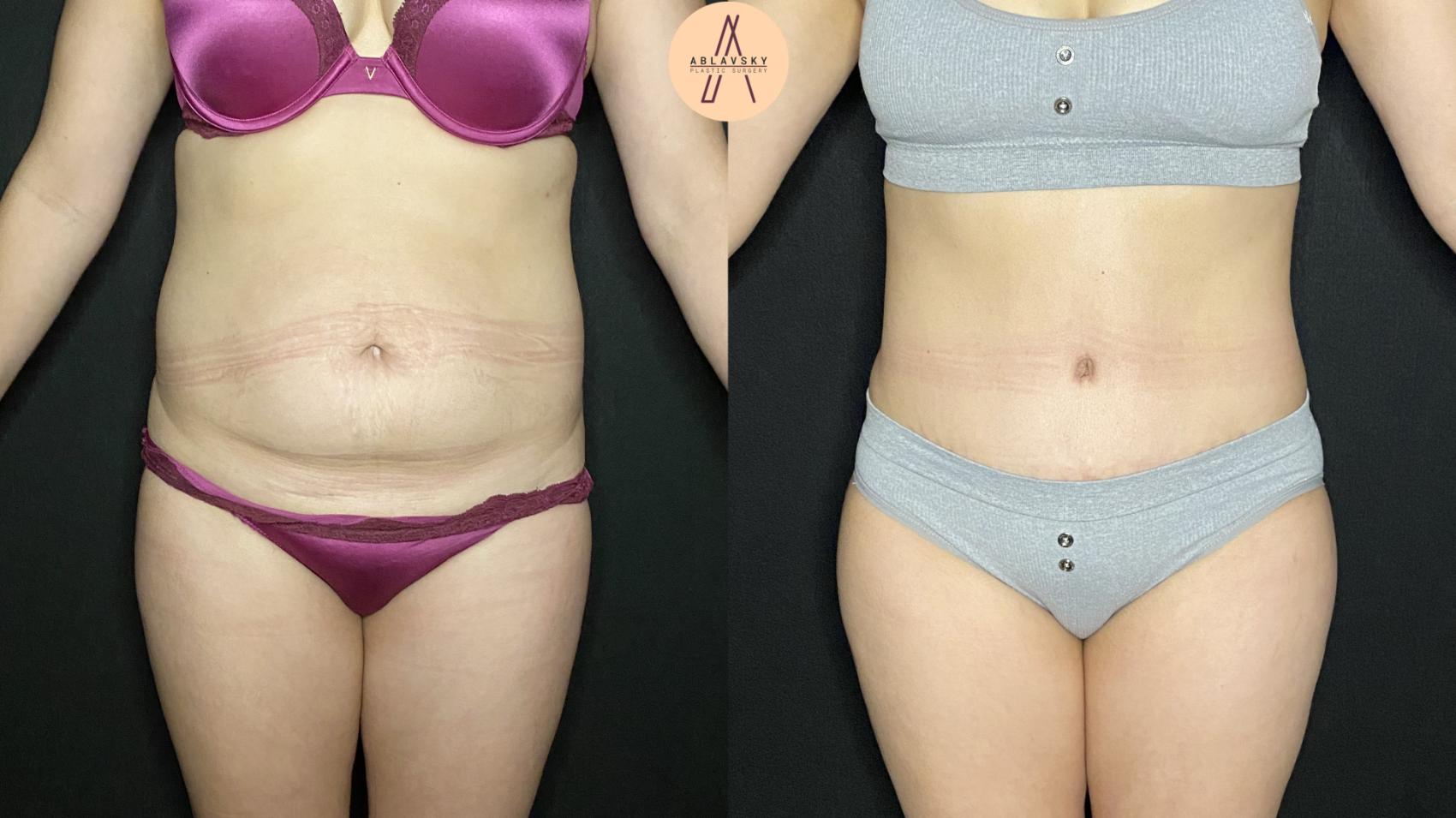
Texas, a sprawling hub in the southern United States, has emerged as a prominent destination for medical tourism, particularly for cosmetic surgeries. Its reputation is built on a foundation of world-class medical facilities, highly skilled plastic surgeons, and a competitive market that often presents more accessible pricing compared to other major metropolitan areas across North America. Patients traveling for a tummy tuck can anticipate a spectrum of costs influenced by several factors, including the surgeon’s expertise, the complexity of the procedure, the location within Texas, and the type of facility. Beyond the operating room, patients must also consider the costs associated with pre-operative consultations, anesthesia, post-operative care, medications, and the crucial aspect of recovery accommodations. By understanding these multifaceted elements, individuals can craft a comprehensive budget and plan a seamless medical tourism experience in Texas that balances their health goals with opportunities for relaxation and exploration.
Understanding the Investment: What Goes into Tummy Tuck Costs in Texas?
The price of a tummy tuck in Texas is not a single, fixed figure but rather an aggregate of several distinct components. On average, patients can expect the total cost to range anywhere from $6,000 to $15,000, though this can fluctuate significantly based on individual circumstances and choices. Breaking down this investment reveals why such a wide range exists, providing clarity for those planning their medical journey. For medical tourists, understanding these cost drivers is paramount, as they directly impact not only the financial outlay but also the quality and safety of the entire experience.
Core Surgical Fees: Surgeon, Anesthesia, Facility
The most substantial portion of the tummy tuck cost is typically attributed to the core surgical fees. These include:
- Surgeon’s Fee: This covers the plastic surgeon’s expertise, time, and professional services. Highly experienced, board-certified surgeons practicing in prime locations like Houston, Dallas, or Austin may command higher fees due to their reputation, skill level, and demand. Their fees often reflect years of specialized training, successful outcomes, and a commitment to patient safety and aesthetic excellence. When selecting a surgeon, it’s crucial to prioritize board certification and a strong portfolio of results over solely the cost.
- Anesthesia Fee: Anesthesia is a critical component of any surgical procedure, ensuring patient comfort and safety. This fee covers the services of the anesthesiologist or nurse anesthetist and the medications used during the surgery. The cost can vary based on the duration of the procedure and the type of anesthesia administered (general anesthesia is most common for a tummy tuck). Like surgeons, experienced and board-certified anesthesiologists will have fees commensurate with their expertise.
- Facility Fee: This fee accounts for the use of the surgical facility or operating room. It covers the equipment, nursing staff, and other overhead costs associated with performing the surgery in a safe, sterile, and accredited environment. Surgical facilities can range from hospital operating rooms to private outpatient surgical centers. The accreditation level and amenities of the facility can influence this cost component. Many top-tier plastic surgery practices in Texas operate out of state-of-the-art accredited outpatient centers, which often provide a more personalized and comfortable experience than a hospital setting, though costs can be comparable.
Pre- and Post-Operative Care: Consultations, Garments, Medications, Follow-ups
Beyond the surgical event itself, a successful tummy tuck journey involves a comprehensive support system before and after the procedure. These elements contribute to the overall cost but are indispensable for optimal results and recovery:
- Consultation Fees: While some clinics offer complimentary initial consultations, many experienced surgeons charge a fee for their initial assessment. This fee is typically credited towards the total cost of the surgery if you proceed. It’s an essential step where you discuss your goals, assess your candidacy, and develop a personalized surgical plan.
- Compression Garments: After a tummy tuck, patients are required to wear special compression garments for several weeks. These garments help reduce swelling, support the healing tissues, and contour the new abdominal shape. The cost of one or more high-quality compression garments is usually factored into the overall price or purchased separately.
- Prescription Medications: Post-operative discomfort, swelling, and infection prevention are managed with prescribed medications, including pain relievers, antibiotics, and anti-inflammatories. These pharmacy costs are typically borne by the patient and should be accounted for in the budget.
- Follow-up Appointments: A series of post-operative visits with your surgeon are crucial to monitor your healing progress, address any concerns, and ensure a smooth recovery. These follow-up appointments are generally included in the surgeon’s fee, but it’s always wise to confirm this upfront. For medical tourists, planning these follow-ups, which might require a short return trip or extended stay, is vital.
Geographic and Provider Variations: Major Cities vs. Smaller Towns
The specific location within Texas can significantly impact the cost of a tummy tuck. Major metropolitan areas tend to have higher living costs and a greater concentration of highly sought-after surgeons, which can translate to higher prices.
- Major Cities: Houston, Dallas, and Austin are home to some of the state’s most reputable plastic surgeons and advanced medical facilities. The competitive market and higher operational costs in these urban centers mean that prices might be at the higher end of the spectrum. For example, a tummy tuck in Uptown Dallas or near the Texas Medical Center in Houston might be more expensive than in a smaller city. However, these cities also offer an unparalleled array of luxury hotels, fine dining, and cultural attractions, making them attractive for medical tourists who wish to combine their procedure with a premium travel experience.
- Smaller Cities and Suburbs: Areas surrounding major cities, such as Plano or The Woodlands near Houston, or mid-sized cities like San Antonio or El Paso, might offer slightly more competitive pricing while still providing access to excellent medical care. These locations can sometimes present a good balance between cost-effectiveness and quality, often with a more relaxed atmosphere conducive to recovery. They might also offer more budget-friendly accommodation options, appealing to those on a tighter travel budget.
Combining Care with Texas Exploration: A Medical Tourism Perspective
For those considering a tummy tuck in Texas, the journey is not solely about the surgery; it’s an opportunity for a unique medical tourism experience. Integrating recovery with leisure and exploration can transform the entire process, especially when utilizing the website’s main topics of travel, hotels, tourism, and lifestyle. Texas’s diverse landscape, vibrant cities, and renowned hospitality sector make it an ideal backdrop for a comfortable and enriching recovery.
Choosing Your Recovery Destination: Major Texas Cities and Their Offerings
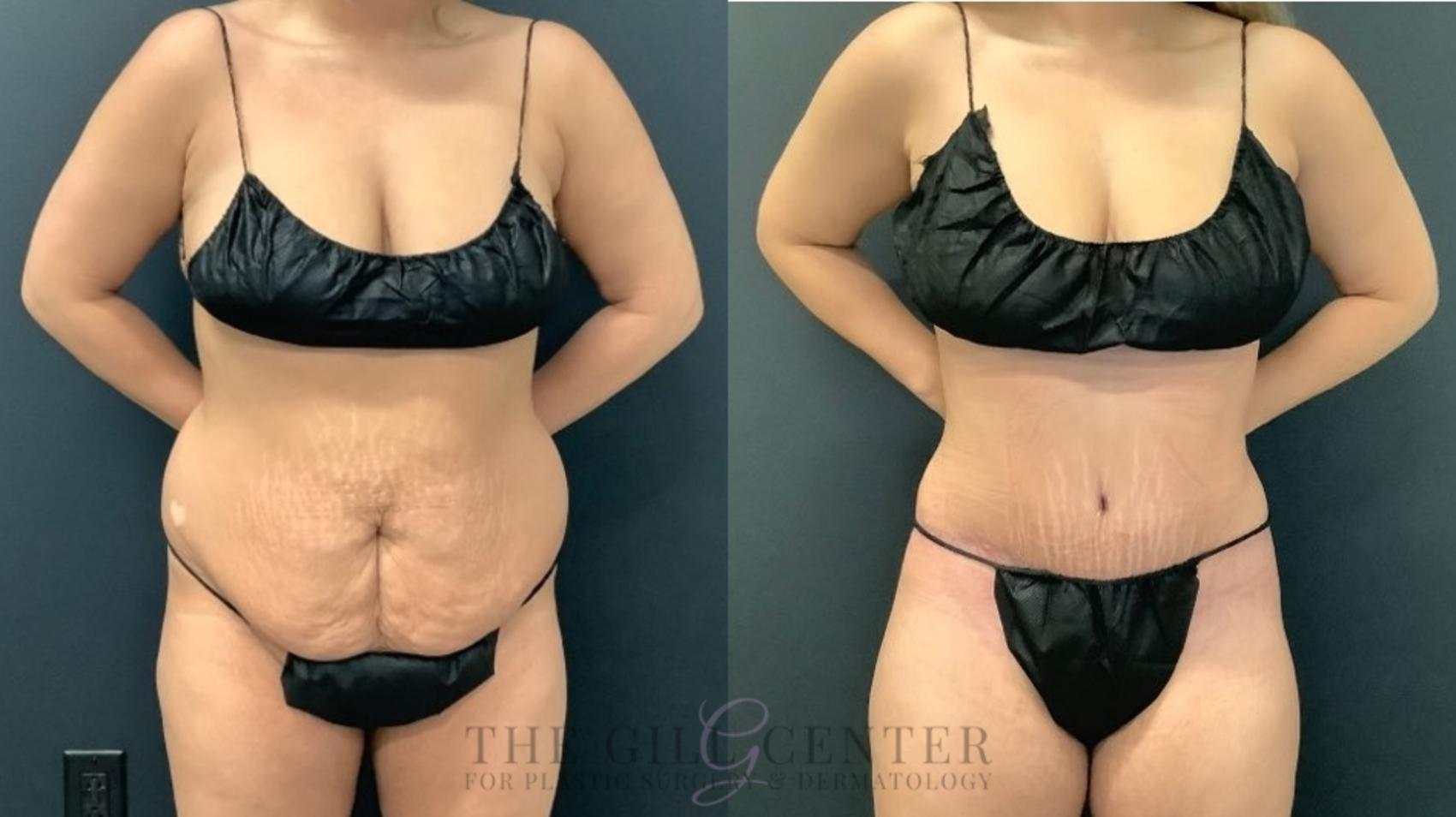
Selecting the right city for your procedure and subsequent recovery is a crucial decision for a medical tourist. Each major Texas city offers a distinct blend of medical expertise, accommodation types, and leisure activities suitable for various stages of recovery.
- Houston: As home to the largest medical complex in the world, the Texas Medical Center, Houston is a natural draw for medical procedures. Its extensive network of hospitals, specialized clinics, and a high concentration of board-certified plastic surgeons make it a top choice. During recovery, patients can find solace in Houston’s numerous green spaces like Hermann Park, explore museums in the Museum District, or enjoy world-class dining. For a luxurious recovery, options like The Post Oak Hotel offer unparalleled amenities, while the Galleria area provides easy access to upscale shopping and comfortable Marriott or Hilton properties.
- Dallas: Dallas boasts a thriving medical community, particularly in cosmetic surgery, with many clinics concentrated in areas like Uptown Dallas and North Dallas. The city’s upscale appeal, vibrant arts scene, and diverse culinary landscape offer plenty of distractions during a gentle recovery. Patients can find sophisticated accommodations at hotels like Hotel ZaZa or the Rosewood Mansion on Turtle Creek, which offer serene environments ideal for recuperation. Gentle strolls through Klyde Warren Park or visiting the Dallas Arts District provide cultural enrichment without strenuous activity.
- Austin: Known for its “Keep Austin Weird” ethos, live music, and outdoor lifestyle, Austin offers a more laid-back recovery experience. The city’s medical facilities are excellent, and many plastic surgeons embrace a holistic approach. For accommodation, boutique hotels in Downtown Austin like The Driskill or modern options like the JW Marriott offer comfort. Patients can enjoy scenic views along Lady Bird Lake or explore the charming shops on South Congress Avenue when cleared for light activity.
- San Antonio: Rich in history and culture, San Antonio provides a charming backdrop for a tummy tuck recovery. The city has reputable medical centers and offers a more relaxed pace than Houston or Dallas. Iconic landmarks like The Alamo and the famous Riverwalk provide gentle sightseeing opportunities. Accommodation ranges from historic gems along the Riverwalk to modern Hyatt or Omni Hotels that cater to longer stays with excellent amenities.
Accommodation for Recovery: From Luxury Resorts to Extended Stay Apartments
The type of accommodation chosen for recovery significantly impacts comfort, convenience, and overall budget. Texas offers a vast array of options to suit every preference and financial plan.
- Luxury Hotels and Resorts: For those prioritizing comfort and pampering during recovery, Texas is home to numerous luxury hotels and resorts. Brands like Four Seasons, The St. Regis, and Ritz-Carlton provide impeccable service, serene spa facilities (for post-recovery indulgence), and gourmet dining, making the recovery period feel more like a vacation. Many offer in-room dining, concierge services, and comfortable amenities that minimize the need to venture out during the initial healing phase.
- Boutique Hotels and Upscale Apartments: A popular choice for medical tourists, boutique hotels or upscale serviced apartments (often found through platforms specializing in long-term stays) offer a balance of comfort and a more residential feel. These options often include kitchenettes, laundry facilities, and spacious living areas, providing a sense of normalcy and independence during a multi-week recovery. Locations near medical districts or in quiet, affluent neighborhoods are often preferred.
- Extended Stay Hotels and Budget-Friendly Options: Brands like Extended Stay America, Residence Inn, or Embassy Suites are excellent for patients on a budget or those requiring a longer recovery period. They typically offer larger rooms, kitchen facilities, and amenities like complimentary breakfast, making them cost-effective and convenient. These options are particularly suitable for patients traveling with a companion who can assist with daily tasks. Many are located in suburban areas like Katy or Grapevine, offering a quieter atmosphere.
Leisure and Lifestyle during Your Stay: Pre/Post-Op Exploration
While the immediate post-operative period demands rest, the overall medical tourism journey allows for gentle engagement with Texas’s lifestyle and attractions, especially before the procedure or once mobility improves.
- Pre-Operative Relaxation: Before surgery, patients can enjoy the lighter side of Texas. This might involve exploring local markets in Austin, enjoying a quiet evening at a Hill Country winery near Fredericksburg, or a leisurely walk along the San Antonio Riverwalk. These activities help reduce pre-surgery anxiety and set a positive tone.
- Gentle Post-Operative Activities: As recovery progresses and with a surgeon’s clearance, light activities can be beneficial. This could include visiting museums, such as Houston’s Museum of Fine Arts or Dallas’ Sixth Floor Museum, enjoying botanical gardens, or exploring unique shops in quaint towns like Georgetown. For those whose recovery extends for several weeks, day trips to scenic areas like the Gulf Coast for a gentle beach stroll (without sun exposure) or the quieter parts of the Hill Country can be restorative. It’s crucial to avoid strenuous activity, heavy lifting, and direct sun exposure during the initial recovery phase.
- Culinary Delights: Texas’s culinary scene is a destination in itself. From authentic Tex-Mex to world-class steakhouses and innovative farm-to-table restaurants, there’s something for every palate. During recovery, patients can savor these flavors through comfortable restaurant dining or via convenient in-room delivery services from their chosen accommodation.
Beyond the Procedure: Planning Your Health & Wellness Journey to Texas
A tummy tuck in Texas is more than just a medical appointment; it’s a comprehensive health and wellness journey. Thoughtful planning extends beyond just the surgical aspects to encompass all elements of travel and accommodation, ensuring a smooth, stress-free, and enjoyable experience. This integrated approach, often termed medical tourism, leverages the state’s excellent medical infrastructure alongside its diverse travel appeal.
Budgeting for Your Trip: Travel, Accommodation, and Incidentals
Creating a detailed budget is fundamental for a successful medical tourism venture. Beyond the surgical costs, several other categories require financial consideration:
- Travel Costs: This includes round-trip airfare to your chosen Texas city (e.g., George Bush Intercontinental Airport in Houston, Dallas/Fort Worth International Airport in Dallas), or fuel costs if driving. Consider potential costs for an accompanying travel companion. Factor in ground transportation from the airport to your accommodation and to and from the surgical facility for appointments. Rideshare services, taxis, or pre-arranged medical transport can add up.
- Accommodation Costs: As discussed, this can range widely based on your chosen level of luxury and duration of stay. Budget for at least 7-14 days post-surgery, though some patients prefer to stay longer, especially if traveling internationally. Research hotel suites, extended-stay properties, or serviced apartments that offer amenities conducive to recovery, such as kitchens, comfortable bedding, and quiet environments. Early booking often yields better rates, especially for high-demand periods.
- Food and Dining: While some accommodations offer kitchenettes, dining out or ordering in will be part of the experience. Allocate funds for groceries if you plan to cook, or for restaurant meals and delivery services.
- Incidental Expenses: Don’t forget a buffer for miscellaneous costs. This could include entertainment, light shopping (when recovered), personal care items, or unexpected expenses that might arise. Having a contingency fund is always a wise decision.
- Travel Insurance: For medical tourists, specialized travel insurance that covers medical emergencies and trip interruptions is highly recommended. While the elective surgery itself may not be covered, related travel issues or unexpected non-surgical medical needs can be.
Tips for a Smooth Medical Tourism Experience
To ensure your tummy tuck journey in Texas is as smooth and stress-free as possible, consider these practical tips:
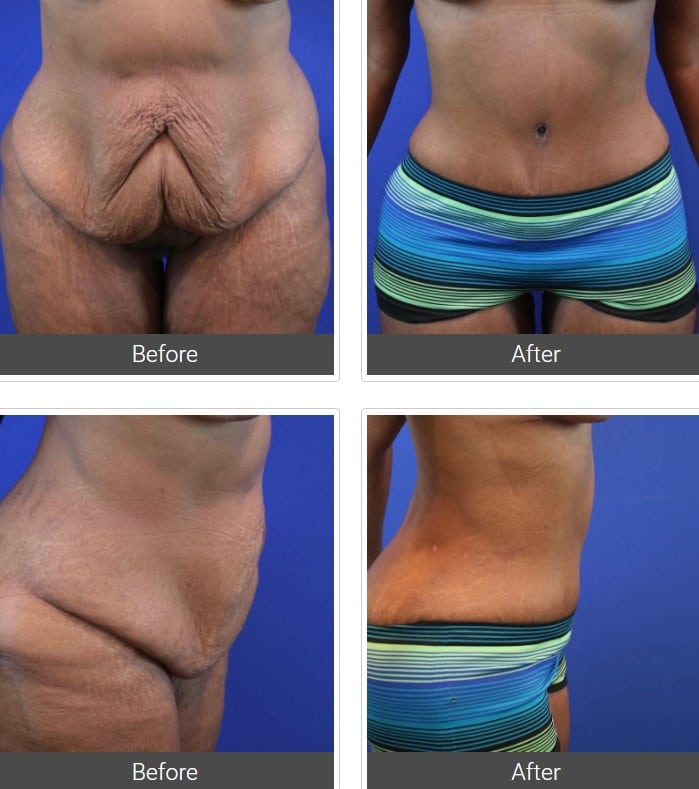
- Thorough Research: Invest time in researching board-certified plastic surgeons in your chosen Texas city. Look at their credentials, patient reviews, and before-and-after galleries. Schedule virtual consultations if possible before committing to travel.
- Communicate Clearly: Maintain open and honest communication with your surgeon’s office regarding your travel plans, recovery needs, and any questions you have. They can often provide valuable advice on local accommodation, transportation, and post-operative care.
- Travel Companion: Strongly consider traveling with a trusted companion. They can assist with transportation, medication management, meal preparation, and general support during the initial recovery phase when you will have limited mobility.
- Pack Smart: Pack loose, comfortable clothing that is easy to put on and take off. Button-down shirts and elastic-waist pants are ideal. Bring entertainment like books, tablets, or puzzles for downtime during recovery. Don’t forget all necessary personal documents, medications, and contact information for your surgeon.
- Plan for Downtime: Understand that recovery is not a race. Plan for significant rest and minimal activity for the first few weeks. While Texas offers many attractions, your primary focus should be on healing. Gradually introduce light activities as advised by your surgeon.
- Leverage Website Resources: Utilize resources on travel, hotels, and accommodation for Texas to find the best deals and options that suit your recovery needs and budget. Look for properties with amenities like accessible rooms, reliable Wi-Fi, and proximity to pharmacies or grocery stores.
In conclusion, the cost of a tummy tuck in Texas is a significant investment that goes beyond the surgical fee. It encompasses a holistic approach to health, wellness, and travel. By meticulously planning each aspect—from selecting a reputable surgeon and understanding the financial breakdown to choosing ideal recovery accommodations and integrating light leisure activities—patients can transform their cosmetic procedure into a well-rounded and rewarding medical tourism experience. Texas stands ready to offer not just top-tier medical care but also a welcoming environment for your journey to transformation.