
Navigating the Lone Star State, whether you’re a long-time resident or a visitor exploring its vast landscapes, often involves the trusty automobile. From the vibrant streets of Austin to the sprawling ranches near San Antonio, a car can be your passport to experiencing the diverse Texas offerings. However, before you embark on your adventures, a crucial step for vehicle owners in the state is the mandatory Texas vehicle inspection. Understanding the cost associated with this requirement is essential for budgeting your travels and ensuring compliance. This comprehensive guide will delve into the intricacies of Texas car inspections, detailing their cost, what they entail, and why they are a vital part of keeping our roads safe and our vehicles in good condition.

Understanding the Texas Vehicle Inspection System
The Texas Department of Public Safety (DPS) oversees the Texas Vehicle Inspection Program (VIP). This program mandates that most registered vehicles in Texas undergo an annual inspection to ensure they meet specific safety and environmental standards. The primary goal is to promote road safety by identifying and rectifying potential mechanical issues that could lead to accidents. Additionally, for vehicles registered in certain counties, the inspection includes an emissions test to help maintain air quality.
The Cost of a Texas Vehicle Inspection
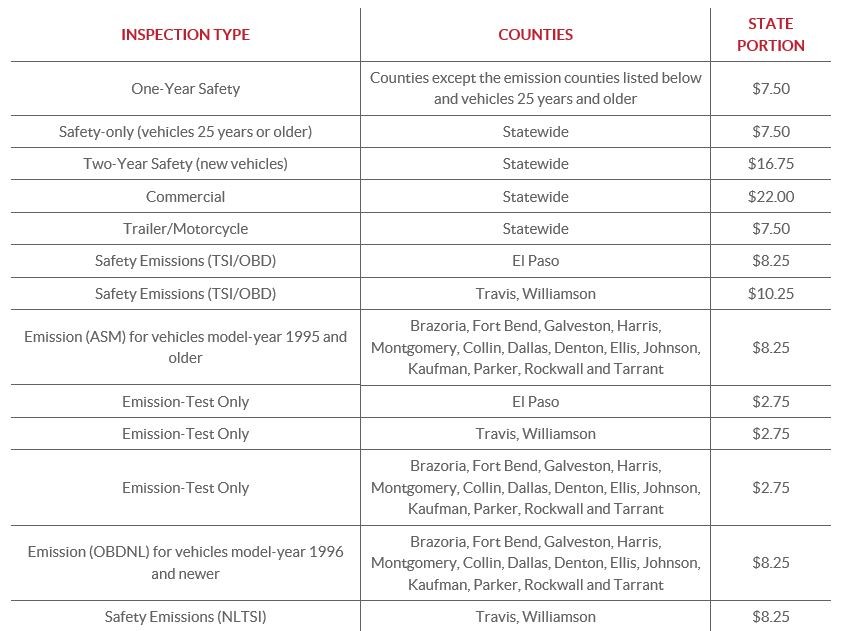
The cost of a Texas vehicle inspection is not fixed by the state; rather, it is set by the individual inspection station. This means that prices can vary from one location to another. However, the Texas Legislature has established a maximum fee that stations can charge for the safety inspection and, if applicable, the emissions test.
- Safety Inspection: The maximum fee for the safety inspection portion of the inspection is $7.50. This is a base rate that covers the essential check of your vehicle’s safety features.
- Emissions Test: For vehicles registered in one of the 17 participating counties that require an emissions test, there is an additional charge. The maximum fee for the emissions test is $19.50.
Therefore, the total cost for a vehicle requiring both a safety inspection and an emissions test will be the sum of these two amounts, capped at $27.00 ($7.50 + $19.50). It’s important to note that these are maximums, and some stations may charge slightly less. When planning your visit, it’s advisable to call a few local stations to compare prices, although the difference is typically minimal.
What Does a Texas Vehicle Inspection Cover?
The Texas vehicle inspection is designed to be thorough, covering critical components that ensure your vehicle operates safely and efficiently. The inspection can be broken down into two main parts: the safety inspection and the emissions test (if applicable).
The Safety Inspection
The safety inspection, which costs up to $7.50, is mandatory for all passenger vehicles, motorcycles, and light trucks registered in Texas. Certified inspectors at licensed stations will examine several key areas of your vehicle. These typically include:
- Brakes: The inspector will check the condition of your brake pads, rotors, and hydraulic system to ensure proper braking function.
- Lights: All exterior lights, including headlights (high and low beams), taillights, brake lights, turn signals, and hazard lights, are inspected for proper operation and condition.
- Horn: The horn must be functional and audible.
- Windshield Wipers: The wipers must be in good working order and be able to clear the windshield effectively.
- Mirrors: All mirrors (rearview and side mirrors) must be present and in good condition.
- Tires: Tire tread depth is checked to ensure it meets minimum safety standards. The inspector will also look for any visible damage or defects.
- Steering: The steering wheel and system are examined for excessive play or looseness.
- Suspension: Components of the suspension system are checked for wear and tear.
- Exhaust System: The inspector will look for leaks or damage to the exhaust system, which can affect emissions and noise levels.
- Chassis: The frame and undercarriage of the vehicle are inspected for any signs of significant damage or rust that could compromise structural integrity.
- Fuel System: The fuel lines and tank are checked for leaks.
- Windows: The windshield and other windows are inspected for cracks or damage that could impair visibility. Tinting is also checked to ensure it complies with Texas regulations.
If your vehicle passes the safety inspection, you will receive a passing sticker to be displayed on your windshield. If it fails, the inspector will provide a report detailing the issues. You will then have a specific timeframe to have the necessary repairs made and to have the vehicle re-inspected.
The Emissions Test (Smog Check)
The emissions test is a component of the Texas VIP for vehicles registered in 17 specific counties that are part of the Texas Emissions Reduction Plan (TERP) or are regulated by the Texas Commission on Environmental Quality (TCEQ). These counties are generally more populous and have stricter air quality regulations. The counties that currently require emissions testing are:
- Brazoria
- Collin
- Dallas
- Denton
- El Paso
- Fort Bend
- Galveston
- Harris
- Hood
- Hunt
- Johnson
- Kaufman
- Liberty
- Midland
- Montague
- Rockwall
- Tarrant
- Travis
- Montgomery
- Orleans
- Parker
- Rusk
- Shackelford
- Smith
- Sterling
- Taylor
- Van Zandt
- Walker
- Wise
- Wood
The emissions test, costing up to $19.50, uses specialized equipment to measure the amount of pollutants emitted from your vehicle’s exhaust system. The inspector connects a probe to your vehicle’s tailpipe and runs the engine at specific speeds. The results are compared against the Texas emissions standards. If your vehicle’s emissions are within the acceptable limits, it passes this portion of the inspection.
Exemptions from Emissions Testing:
It’s important to note that not all vehicles registered in these counties are required to undergo an emissions test. Some common exemptions include:
- Vehicles that are two model years old or newer.
- Motorcycles.
- Electric vehicles.
- Vehicles with a Gross Vehicle Weight Rating (GVWR) of 10,000 pounds or more.
- Diesel-powered vehicles.
- Vehicles that have a historical vehicle license plate.
- Vehicles that are registered as a “classic.”
- Vehicles driven less than 5,000 miles per year (this requires an affidavit).
If your vehicle is exempt from the emissions test, you will still need to get the safety inspection. The fee for the safety inspection remains the same, and you will not incur the emissions testing fee.
When and Where to Get Your Inspection
The Texas vehicle inspection must be performed annually. You can typically get your vehicle inspected up to 90 days before your current inspection sticker expires. This allows you to get the inspection done well in advance, avoiding last-minute rushes, especially as your registration renewal date approaches.
You can get your Texas vehicle inspection at any licensed inspection station. These stations are usually found at:
- Auto repair shops
- Dealerships
- Tire shops
- Some gas stations
Look for the official Texas Vehicle Inspection Program sign displayed at the station. All licensed inspectors are trained and certified by the Texas DPS. It’s a good idea to choose a reputable station to ensure a fair and accurate inspection.
What to Bring to Your Inspection Appointment
To ensure a smooth inspection process, you should have the following ready:
- Your current vehicle registration: While not always strictly required for the inspection itself, it’s good to have it handy.
- Proof of insurance: Texas requires all drivers to carry liability insurance.
- Your vehicle: This might seem obvious, but ensure your car is in a drivable condition.
Re-inspection After Failing
If your vehicle fails the inspection, you will receive a detailed report outlining the reasons for the failure. You are generally allowed a grace period to make the necessary repairs. The timeframe for re-inspection and the number of re-inspections allowed without an additional fee can vary by station, so it’s best to clarify this with the inspector at the time of the initial inspection.
Once repairs are completed, you will need to return to an inspection station for a re-inspection. If the same station performed the initial inspection, they may offer a free or discounted re-inspection. If you choose to go to a different station, you will likely have to pay the inspection fee again.
The Importance of the Texas Vehicle Inspection Program
The Texas Vehicle Inspection Program plays a crucial role in maintaining road safety and protecting the environment. While the cost of the inspection is a factor for vehicle owners, it is an investment in the well-being of all road users and the quality of the air we breathe.
Enhancing Road Safety
By ensuring that critical safety components like brakes, lights, and tires are in good working order, the inspection program significantly reduces the risk of accidents caused by vehicle malfunctions. A well-maintained vehicle is more predictable and responsive, contributing to a safer driving experience for everyone on Texas roads, whether they are on a road trip through the Texas Hill Country or commuting to work in Houston.
Protecting the Environment
For vehicles in participating counties, the emissions test is vital for monitoring and reducing air pollution. By identifying vehicles that are emitting excessive pollutants, the program encourages owners to address issues that contribute to smog and respiratory problems. This is particularly important in urban areas where air quality can be a significant concern.
Compliance and Registration
It’s important to remember that passing the Texas vehicle inspection is a prerequisite for renewing your vehicle registration. Without a valid inspection certificate, you will not be able to complete your registration, which can lead to fines and other penalties if you are caught driving an unregistered vehicle. Therefore, keeping your inspection current is not just about safety but also about legal compliance.
In conclusion, the cost of a car inspection in Texas is a modest fee, capped at $27.00 for vehicles requiring both safety and emissions tests, and $7.50 for safety inspections alone. This annual expense is a small price to pay for the significant benefits of enhanced road safety, cleaner air, and legal compliance. Whether you’re planning a scenic drive to Big Bend National Park or a visit to a historic site like The Alamo in San Antonio, ensuring your vehicle is inspected is a fundamental step towards a safe and enjoyable journey across the vast and beautiful state of Texas.
LifeOutOfTheBox is a participant in the Amazon Services LLC Associates Program, an affiliate advertising program designed to provide a means for sites to earn advertising fees by advertising and linking to Amazon.com. Amazon, the Amazon logo, AmazonSupply, and the AmazonSupply logo are trademarks of Amazon.com, Inc. or its affiliates. As an Amazon Associate we earn affiliate commissions from qualifying purchases.