
Navigating the bustling streets and vibrant neighborhoods of Chicago can be an exhilarating experience, whether you’re a long-time resident or considering an extended stay in the Windy City. While the city is famous for its iconic skyline, world-class museums, and deep-dish pizza, there’s a practical aspect of urban living that often comes up for vehicle owners: the Chicago City Vehicle Sticker. This mandatory permit is more than just a piece of adhesive; it’s a vital component of the city’s operational budget, contributing to the services that make Chicago such a dynamic place to live and visit. For anyone planning to reside in or regularly operate a vehicle within the city limits, understanding the cost and requirements of this sticker is essential for smooth travels and an informed urban lifestyle.
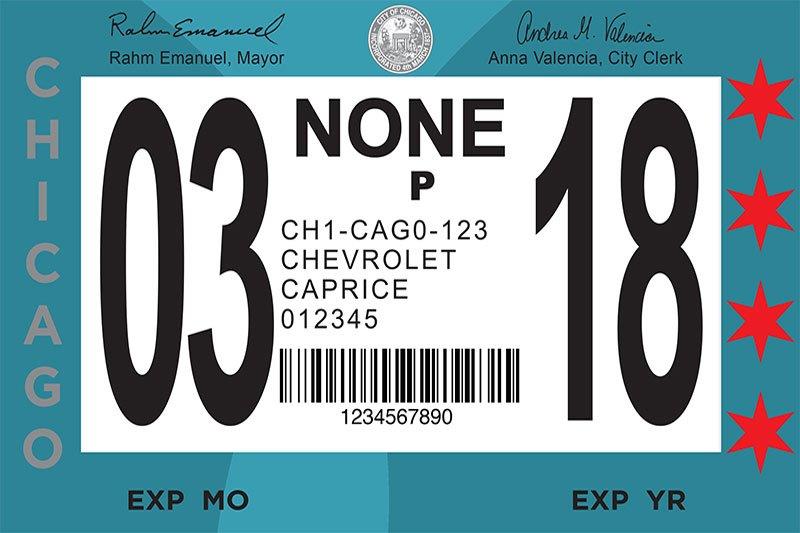
This comprehensive guide will break down everything you need to know about the Chicago City Vehicle Sticker, from its purpose and pricing to where and how to acquire it. We’ll delve into the various factors that influence its cost, shed light on the importance of timely renewal, and explain the penalties for non-compliance. By the end of this article, you’ll have a clear picture of this often-overlooked but crucial aspect of Chicago life, empowering you to budget effectively and comply with local regulations, whether you’re embarking on a luxurious urban adventure or embracing budget-conscious city living.
Understanding the Chicago City Vehicle Sticker
Before diving into the specifics of pricing, it’s crucial to grasp what the Chicago City Vehicle Sticker is, why it exists, and who is required to obtain one. This understanding forms the foundation for appreciating its role in the larger tapestry of city management and resident responsibilities.
What is the City Sticker and Who Needs It?
At its core, the Chicago City Vehicle Sticker is an annual tax levied on vehicles owned or leased by residents of the City of Chicago. It’s a small sticker affixed to the passenger-side windshield of a vehicle, serving as visible proof that the owner has paid their municipal vehicle tax. The funds generated from these stickers are not just for show; they are critically important for supporting a wide array of essential public services that enhance the quality of life for everyone in Chicago. These services include maintaining thousands of miles of city streets, funding police and fire departments, supporting sanitation services, operating parks, and contributing to public health initiatives. In essence, your city sticker helps keep Chicago running smoothly and safely.
The mandate to acquire a city sticker applies to any vehicle that is primarily garaged or stored within the City of Chicago for at least 30 consecutive days. This means if you’ve moved to Chicago, or if your car is routinely kept within the city limits, you are generally required to purchase and display one. It’s important to note that the city sticker is distinct from parking permits, which are often required for street parking in residential zones. While both are city-mandated, they serve different purposes. The city sticker is a general vehicle tax, whereas a residential parking permit regulates where you can park.
There are, however, a few key exemptions. Non-residents who are merely visiting Chicago for a temporary period (less than 30 days) are not required to purchase a city sticker. Similarly, vehicles owned by governmental bodies, certain non-profit organizations, and public utilities may also be exempt. Understanding these distinctions is crucial for new arrivals or those considering extended stays, ensuring they avoid unnecessary fines and contribute appropriately to their urban environment.
Factors Influencing Sticker Cost
The cost of a Chicago City Vehicle Sticker is not a one-size-fits-all fee; rather, it is determined by several factors designed to create a fair and equitable taxation system. These factors primarily relate to the characteristics of your vehicle and your personal circumstances.
The most significant determinant of cost is the weight of your vehicle. The city generally categorizes vehicles into different weight classes, with heavier vehicles typically incurring higher fees. This tiered system is often justified by the argument that heavier vehicles contribute more to road wear and tear, thus requiring more resources for infrastructure maintenance. So, a compact sedan will usually have a lower sticker cost than a large SUV or a heavy-duty truck.
Another crucial factor is the type of vehicle. Passenger cars, trucks, vans, and motorcycles all fall under different classifications, each with its own specific fee schedule. Commercial vehicles, in particular, often face higher rates due to their frequent use and potential impact on city infrastructure.
Special categories and incentives also play a role in the final price. Chicago offers discounts for senior citizens, recognizing the financial constraints many older adults face. There are also incentives for eco-friendly vehicles, specifically hybrid and electric models, reflecting the city’s commitment to sustainability and reducing its carbon footprint. These discounts encourage residents to choose more environmentally conscious transportation options, aligning with global trends in urban development and lifestyle choices.
Finally, late fees and penalties can significantly inflate the cost of a city sticker. The city provides a grace period for renewals, but failure to purchase or renew a sticker within the specified timeframe will result in substantial surcharges, and potentially much more severe consequences like tickets, booting, or even towing. This aspect underscores the importance of staying informed and adhering to renewal deadlines, making it a critical budgeting consideration for Chicago residents.
Deconstructing the Cost: A Detailed Breakdown
Understanding the specific dollar amounts involved in purchasing a Chicago City Vehicle Sticker requires a detailed look at the fee structure. While exact figures can change, the general categories and approximate costs provide a solid basis for budgeting.
Standard Passenger Vehicle Rates
For most Chicago residents, the primary concern will be the cost for standard passenger vehicles. The fee structure for these vehicles is primarily based on their weight, with two common tiers:
- Vehicles weighing 4,500 pounds or less: This category typically includes most sedans, smaller SUVs, and compact cars. The annual fee for these vehicles is generally around $87.82. This represents a foundational cost for many city dwellers, a manageable expense in the broader context of urban living.
- Vehicles weighing over 4,500 pounds: This tier encompasses larger SUVs, minivans, and some heavier sedans. The annual fee for these vehicles is usually higher, approximately $136.22. The increased cost reflects the city’s policy of charging more for vehicles that are perceived to exert more wear and tear on public roads and infrastructure.
It’s important to remember that these figures are base rates and do not include potential late fees or other surcharges, which we will discuss shortly. When planning your budget for living in Chicago, it’s wise to factor in the higher end if you own a larger vehicle.
Specialized Vehicle and Discount Categories
Beyond standard passenger vehicles, Chicago has specific rates for other vehicle types and offers various discounts for eligible residents, promoting a diverse and inclusive urban lifestyle.
- Trucks and Vans: Vehicles classified as trucks or vans, especially those used for commercial purposes or simply larger in size, generally face higher sticker fees. For example, trucks and vans with a gross vehicle weight rating (GVWR) of up to 8,000 pounds might incur an annual fee of approximately $203.27. Heavier commercial vehicles can have significantly higher costs, reflecting their increased impact on city infrastructure and services. This is an important consideration for small business owners or those using larger vehicles for personal transport.
- Motorcycles: Motorcycles typically have a lower annual fee, often around $56.88. This acknowledges their lighter weight and smaller footprint, making them a more budget-friendly option in terms of city sticker costs.
- Senior Citizen Discounts: Chicago offers a valuable discount for eligible senior citizens. Residents aged 65 or older who meet certain income requirements can apply for a reduced rate on their city sticker, usually around $30.00. This initiative supports older adults in managing their cost of living within the city, a thoughtful consideration for a demographic often on fixed incomes. Eligibility usually requires proof of age and income, so applicants should be prepared with the necessary documentation.
- Alternative Fuel Vehicle Incentives: In an effort to promote environmental sustainability and cleaner air, Chicago provides a discount for owners of electric and hybrid vehicles. These eco-friendly options typically qualify for a reduced sticker price, often similar to the senior discount rate. This incentive aligns with global movements towards green living and encourages residents to choose vehicles that contribute less to urban pollution, enhancing the quality of life for all.
The Impact of Late Fees and Penalties
Perhaps one of the most significant hidden costs associated with the Chicago City Vehicle Sticker comes from non-compliance. Ignoring renewal deadlines can quickly turn a relatively modest annual fee into a much more substantial financial burden.
Upon the expiration of your current sticker, there is typically a 30-day grace period. If you purchase or renew your sticker within this window, you usually only pay the standard fee. However, if you fail to do so, late fees are immediately applied. These fees can be significant, often adding a substantial amount to the original sticker cost. For example, a late fee for a standard passenger vehicle might be an additional $60.00 or more, effectively doubling the initial expense.
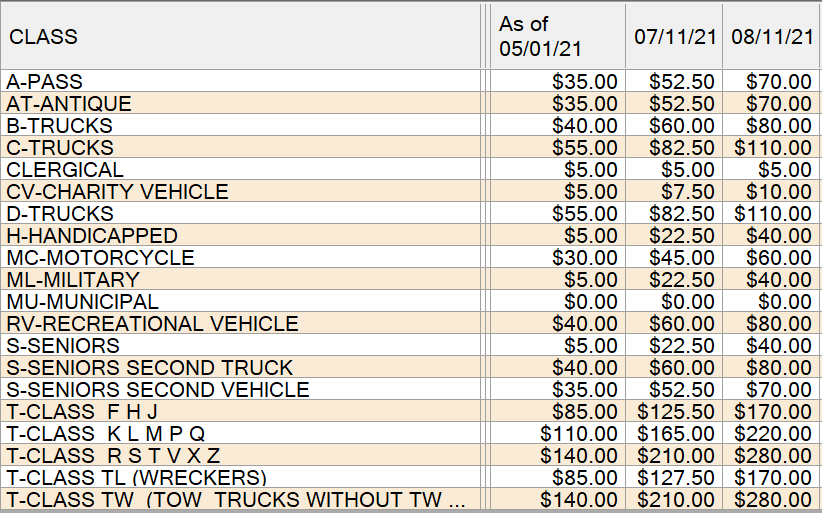
The consequences extend far beyond just late fees. A vehicle without a valid, properly displayed city sticker is subject to parking tickets, which can range from $60.00 to $200.00 per offense. These tickets can accumulate rapidly, especially if the vehicle is parked on city streets regularly. Furthermore, repeated violations or severe non-compliance can lead to more drastic measures, such as your vehicle being booted (a device clamped onto a wheel to prevent movement) or even towed. The cost of removing a boot, retrieving a towed vehicle from an impound lot, and paying associated storage fees can easily run into several hundred dollars, making the initial sticker cost seem negligible in comparison.
Therefore, budgeting for and proactively managing your city sticker renewal is not just about compliance; it’s a critical financial strategy for any vehicle owner in Chicago. Staying on top of these dates can save you a considerable amount of money and unnecessary hassle, contributing to a smoother urban lifestyle.
Navigating the Purchase and Renewal Process
Acquiring or renewing your Chicago City Vehicle Sticker is a straightforward process, but knowing the correct channels and procedures can save time and prevent common errors. The city has established multiple convenient options to ensure residents can easily fulfill their obligation.
Where to Buy and Renew Your City Sticker
The City of Chicago offers several accessible methods for purchasing or renewing your vehicle sticker:
- Online: For many, the most convenient option is to renew or purchase the sticker directly through the official website of the Chicago City Clerk’s Office. The online portal is user-friendly, allowing you to enter your vehicle and personal information, pay with a credit card, and have the sticker mailed to your residence. This option is particularly advantageous for those with busy schedules or who prefer to handle administrative tasks from the comfort of their home.
- In-Person at the City Clerk’s Office: If you prefer face-to-face assistance or need immediate sticker issuance, you can visit one of the Chicago City Clerk’s Office locations. These offices are distributed across the city, providing accessible service points. The staff can guide you through the process, answer any questions, and often issue the sticker on the spot. This can be beneficial for first-time purchasers or those needing specific guidance.
- Authorized Vendors: To further enhance convenience, the City of Chicago partners with various authorized vendors throughout the city. These commonly include currency exchanges, some banks, and certain auto dealerships. These locations offer extended hours compared to official city offices and can be a practical option if an official office is not nearby. However, it’s important to note that these vendors typically charge a small service fee in addition to the sticker cost. Always ensure you are dealing with an officially authorized vendor to avoid scams.
Regardless of the method chosen, it’s essential to ensure that you are using official channels or reputable authorized vendors to safeguard your personal and financial information and to guarantee the validity of your sticker.
Essential Documents and Renewal Schedule
Having the correct documentation prepared will significantly expedite the purchase or renewal process. While specific requirements can vary slightly, you will generally need:
- Vehicle Registration: Proof of your vehicle’s current state registration is paramount. This document contains vital information such as your license plate number, vehicle identification number (VIN), and vehicle type, all of which are necessary for processing your city sticker.
- Proof of Residency: You may be asked to provide proof that your vehicle is primarily garaged within the City of Chicago. This could include a valid Illinois driver’s license or state ID with a Chicago address, a utility bill, or a lease agreement. This ensures that only legitimate residents benefit from city services funded by the sticker.
- Payment: Be prepared with your preferred payment method, whether it’s a credit/debit card for online transactions or cash/check for in-person purchases.
The renewal schedule for the Chicago City Vehicle Sticker is tied directly to your vehicle’s state license plate expiration. Most city stickers expire on the same date as your state license plate sticker, making it easier to remember a single renewal cycle. For example, if your license plates expire in June, your city sticker will also expire in June. You will typically receive a renewal reminder in the mail or via email a few months before your expiration date. It is highly advisable to act on these reminders promptly to avoid late fees and potential penalties.
Once you receive your new sticker, it is critical to properly display it on the passenger-side windshield of your vehicle, usually in the lower right-hand corner. The sticker must be fully visible from the outside. Incorrect display, or failure to display it at all, can result in tickets, even if you have purchased a valid sticker. Taking these simple steps ensures full compliance and a stress-free experience navigating Chicago’s urban landscape.
The Broader Context: City Stickers and Urban Lifestyle
While the Chicago City Vehicle Sticker might seem like just another administrative hurdle, it’s deeply integrated into the fabric of urban living and plays a significant role in supporting the vibrant lifestyle that Chicago offers. Understanding its broader context helps residents and visitors appreciate its importance beyond a simple fee.
Contribution to City Services and Infrastructure
The revenue generated from the sale of Chicago City Vehicle Stickers is a cornerstone of the city’s financial framework. These funds are not simply absorbed into a general budget; they are strategically allocated to maintain and enhance the critical services and infrastructure that make Chicago a world-class city.
Consider the intricate network of roads and bridges that crisscross Chicago. From the busy expressways to the charming residential streets, regular maintenance, repair, and even new construction are ongoing necessities. The city sticker revenue directly supports these efforts, ensuring smooth and safe travel for all vehicles, whether you’re commuting to work, exploring tourist attractions, or embarking on a family trip across town. Without these funds, the quality of infrastructure would inevitably decline, impacting everything from daily commutes to the city’s overall attractiveness for tourism and business.
Beyond physical infrastructure, the funds also bolster crucial public safety departments. The Chicago Police Department and the Chicago Fire Department rely on consistent funding to operate effectively, respond to emergencies, and keep residents and visitors safe. This includes everything from maintaining vehicles and equipment to funding personnel and training programs. Similarly, sanitation services, responsible for waste collection and street cleaning, are vital for maintaining public health and the aesthetic appeal of the city. Imagine Chicago without clean streets or efficient emergency response – the city sticker plays a role in preventing such scenarios.
Furthermore, a portion of the revenue often contributes to the extensive network of Chicago Parks, cultural programs, and public health initiatives. These resources enhance the quality of life for residents, providing green spaces for relaxation, recreational opportunities, and access to essential health services. In essence, by purchasing a city sticker, vehicle owners are directly investing in the collective well-being and operational excellence of their urban environment, supporting the very amenities and services that define the unique Chicago experience.

Budgeting for the Chicago Urban Experience
For those contemplating a move to Chicago, or for existing residents managing their finances, the city sticker is just one piece of the larger financial puzzle of urban living. Understanding and budgeting for these costs is crucial for a comfortable and sustainable lifestyle.
Living in a major metropolitan area like Chicago comes with its own set of expenses that differ significantly from suburban or rural areas. Vehicle-related costs extend beyond the city sticker to include higher auto insurance premiums (due to increased traffic density and accident rates), potentially expensive parking fees (both street parking and garage rates), and local gasoline taxes. While Chicago offers excellent public transportation options, many residents still rely on personal vehicles for convenience, work, or family needs.
For budget-conscious travelers or those considering long-term accommodation in Chicago, factoring in vehicle-related expenses is a key “local tip.” If you plan to bring your car and stay for more than a month, the city sticker becomes a mandatory expense. This needs to be considered alongside rent, utilities, food, and other lifestyle choices. Savvy residents often research these costs in advance and incorporate them into their overall monthly or annual budgets.
For visitors planning short stays, the city sticker is generally not a concern. However, understanding that local residents shoulder these costs provides insight into the economics of urban life and the collective effort required to maintain a thriving city. For those considering a luxury travel experience or a longer business stay that involves a personal vehicle, being aware of all associated costs ensures a smoother and more predictable financial journey. Ultimately, the Chicago City Vehicle Sticker is a small but significant part of the financial landscape that underpins the vibrant, dynamic, and complex urban experience that is Chicago.
The Chicago City Vehicle Sticker is more than just a regulatory formality; it’s an essential contribution to the infrastructure and services that define living in, and visiting, one of America’s greatest cities. Understanding its purpose, the factors influencing its cost, and the straightforward process of obtaining it are vital steps for any vehicle owner within Chicago’s limits. By fulfilling this civic responsibility, residents not only avoid costly penalties but also actively participate in sustaining the bustling streets, reliable public safety, and vibrant lifestyle that make Chicago a truly exceptional urban destination. Whether you’re a permanent resident, a temporary long-term visitor, or simply exploring the city, being informed about the city sticker ensures a smoother, more enjoyable, and compliant Chicago experience.