
Navigating the costs associated with end-of-life arrangements, particularly cremation, can be a sensitive yet necessary undertaking for many families. In the vast and diverse state of Texas, the expenses for cremation services can vary significantly, influenced by a multitude of factors ranging from the specific services chosen to the provider selected. Understanding these variables is crucial for making informed decisions during a time of grief.
Cremation, as an alternative to traditional burial, has seen a steady rise in popularity across the United States, and Texas is no exception. This trend is often attributed to several factors, including perceived cost savings, environmental considerations, and personal preferences. However, “cremation” itself is not a single, monolithic service; rather, it encompasses a range of options, each with its own associated price tag.
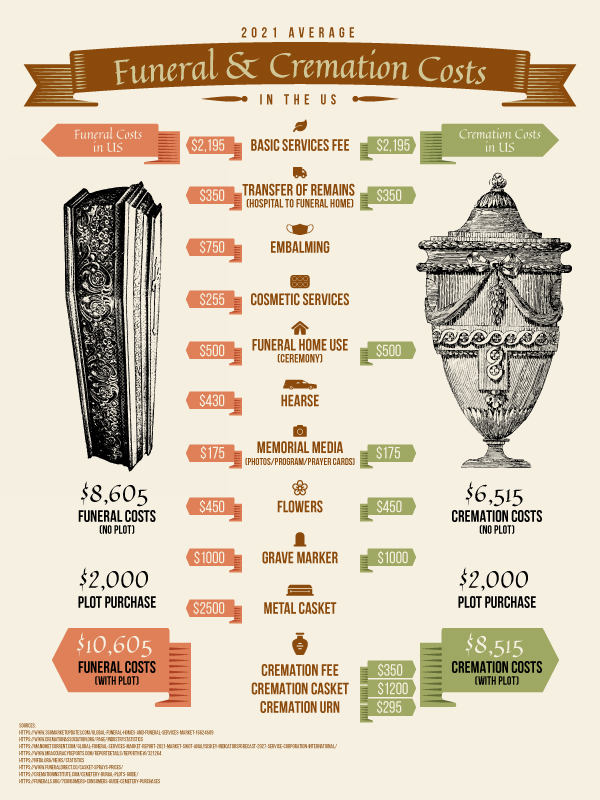
The average cost of cremation in Texas can be a broad estimate, but it’s essential to delve deeper into what influences this figure. These costs generally fall into several categories: the direct cost of the cremation process itself, the services provided by the funeral home or cremation provider, and any additional memorialization or disposition choices.
Understanding the Core Costs of Cremation
At its most basic, the cremation process involves the incineration of the body in a specialized furnace called a retort. This process typically takes a few hours. The cost of this fundamental service can vary based on the cremation provider’s facilities, their operational costs, and the volume of cremations they perform. Some providers may offer “direct cremation” or “simple cremation,” which is the most economical option. This typically includes the pickup of the deceased from the place of death, the cremation itself, and the return of the cremated remains in a basic urn or container.
Direct Cremation: The Most Budget-Friendly Option
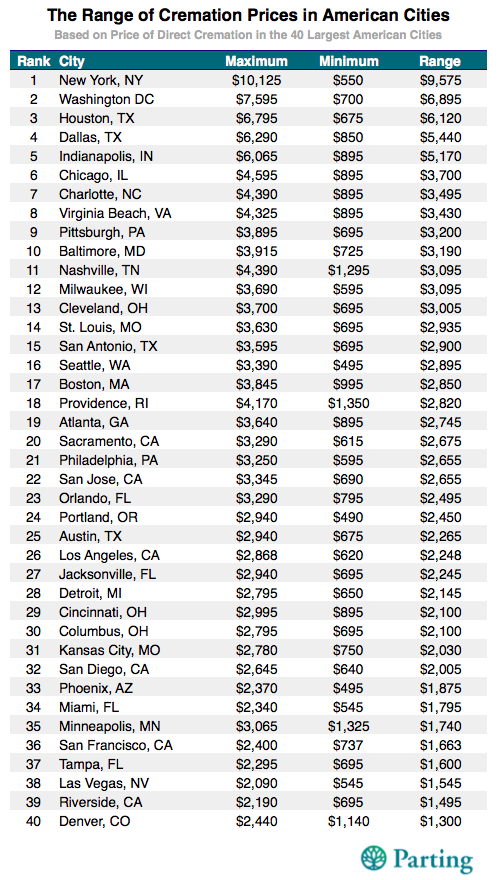
Direct cremation is often the most sought-after choice for those prioritizing affordability. In Texas, the price for direct cremation can range from approximately $1,000 to $3,000, though this is a general guideline. This price typically covers:
- Transportation: The removal of the deceased from the place of death to the cremation facility. This is often limited to a specific geographic area.
- Basic Container: A simple, combustible container for the body to be placed in the retort.
- Cremation Process: The actual incineration of the body.
- Return of Cremated Remains: The ashes are typically placed in a temporary urn or a plain plastic container.
It’s important to note that direct cremation usually excludes embalming, viewing, or any form of funeral service. These are considered separate services that will add to the overall cost. For families who do not wish to hold a formal viewing or memorial service, direct cremation provides a straightforward and cost-effective solution.
Additional Services and Their Impact on Cremation Costs
Beyond the basic cremation process, families often opt for additional services that enhance the memorialization and grieving process. These choices can significantly influence the final cost.
Embalming and Preparation for Viewing
If a family wishes to have a viewing or open-casket visitation before cremation, embalming will likely be required. Embalming is a process of temporarily preserving the body through chemical treatment. The cost of embalming can add several hundred dollars to the overall cremation package. It’s important to clarify with the provider if embalming is a prerequisite for any services you are considering.
Memorial Services and Celebrations of Life
Many families choose to hold some form of memorial service or celebration of life to honor their loved one. These events can range from simple gatherings to elaborate ceremonies. The cost of these services will vary depending on:
- Venue: Whether the service is held at the funeral home, a place of worship, a community center, or a more unique location. For example, a service near the San Antonio River Walk might incur different venue fees than one in a more rural setting.
- Casket/Rental Casket: If a traditional casket is used for viewing, it will be an additional expense. Rental caskets are an option for viewings where the body is cremated afterward, offering a more cost-effective alternative to purchasing a casket solely for the viewing.
- Flowers and Decorations: The cost of floral arrangements, decorations, and other aesthetic elements can add up.
- Obituary and Death Certificates: Fees for publishing obituaries in newspapers or online, and for obtaining certified copies of death certificates, are separate but common expenses.
- Clergy/Officiant Fees: If a religious leader or officiant is involved, their fees may apply.
- Music and Special Tributes: Costs associated with any personal touches like musical performances, slideshows, or other tributes.
The average cost for a cremation with a memorial service can range anywhere from $3,000 to $7,000 or more, depending on the extensiveness of the chosen elements.
Urns and Memorial Keepsakes
After cremation, the cremated remains are returned to the family. The choice of urn or keepsake can also impact the final cost. Basic urns are often included with cremation packages, but many families opt for more decorative or personalized urns. These can be made from various materials like wood, marble, metal, or ceramic, and can range in price from under $100 to several thousand dollars for custom, artisan pieces.
Beyond urns, there are numerous memorial keepsakes available, such as cremation jewelry, fingerprint necklaces, or memorial trees planted in honor of the deceased. These personalized items offer tangible ways to remember a loved one and will add to the overall expenditure.
Factors Influencing Cremation Costs in Texas
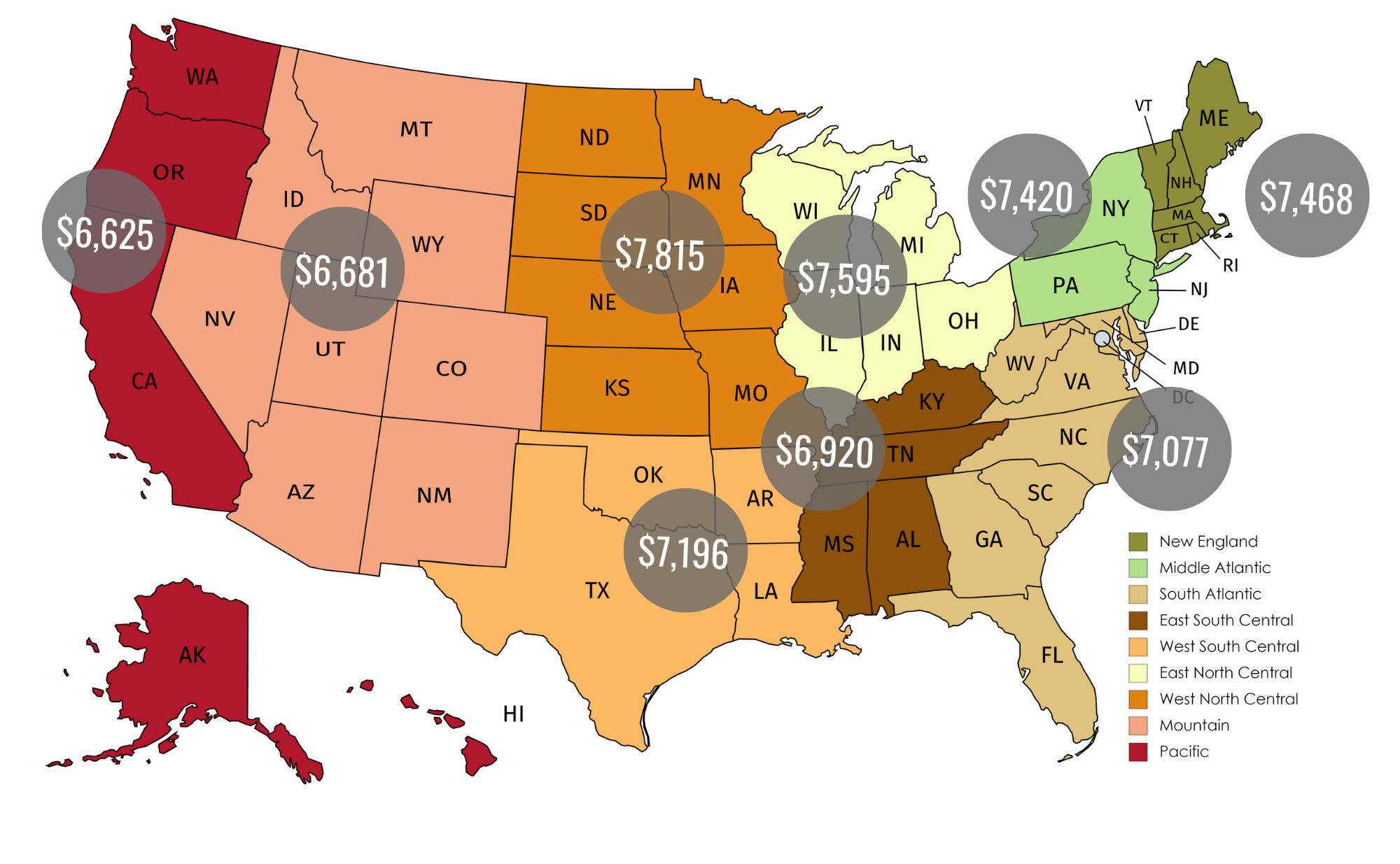
Several key factors contribute to the price disparities in cremation services across Texas. Understanding these nuances can help families find a provider that best suits their budget and needs.
Geographic Location Within Texas
The cost of living and doing business varies significantly across Texas. Major metropolitan areas like Houston, Dallas, and Austin may have higher operational costs for funeral homes and cremation providers compared to smaller towns or rural areas. This can translate into higher service fees. For instance, a cremation service in a bustling city might be more expensive than a similar service offered in a more remote part of the state, like West Texas.
Type of Provider
The type of entity providing the cremation services can also influence pricing.
- Traditional Funeral Homes: These establishments often offer a full spectrum of services, from immediate need arrangements to elaborate funerals and memorial services, along with cremation. Their prices may reflect the comprehensive nature of their offerings and overhead.
- Cremation-Only Providers: These businesses specialize solely in cremation services, often operating with lower overhead and focusing on efficiency. They are frequently a more economical choice for direct cremation.
- Online or Out-of-State Providers: Some companies offer cremation services online or from out-of-state locations, which can sometimes present competitive pricing. However, it’s crucial to verify their licensing, compliance with Texas regulations, and their ability to handle the logistics within the state.
Specific Services and Add-ons
As detailed earlier, the more services and personalized touches a family chooses, the higher the overall cost will be. This includes everything from embalming and viewing options to custom urns, memorial products, and celebrant fees. Carefully itemizing these choices and comparing them with different providers is essential.
Urgency of Need
While cremation costs are generally standardized, there can sometimes be a slight increase in price for immediate or same-day services, especially if they fall outside of regular business hours or on weekends/holidays. This is due to the need for staff availability and potential overtime.
Making Informed Decisions and Comparing Options
When faced with the need to arrange cremation in Texas, proactive research and careful comparison are invaluable.
Requesting Itemized Price Lists
Funeral homes and cremation providers in Texas are legally required to provide a General Price List (GPL) that itemizes their services and products. It is highly recommended to obtain and carefully review these lists from multiple providers. This allows for a direct comparison of costs for specific services, such as:
- Base cremation fee
- Transportation fees
- Cost of a cremation container
- Fee for an alternative container (if applicable)
- Cost of embalming
- Price of different urns
- Fees for memorial services or viewings
Pre-Need Arrangements
For individuals planning for their own end-of-life wishes, pre-need arrangements can be a beneficial option. This allows one to select and pay for services in advance, often at current prices, which can help lock in costs and alleviate the financial burden on loved ones later. Many providers offer flexible payment plans for pre-need arrangements.
Considering a “Death Doula” or End-of-Life Planner
In Texas, as in other states, the role of death doulas and end-of-life planners is growing. These professionals can offer guidance and support throughout the planning process, helping families understand their options, navigate costs, and make decisions that align with their values and budget. They can also assist in identifying providers that offer competitive pricing for services, from simple cremation in Houston to more elaborate memorializations across the state.
Understanding Legal Requirements
It is important to be aware of Texas state laws and regulations regarding cremation and funeral services. Licensed providers will be knowledgeable about these requirements, including death certificates, permits, and the handling of cremated remains.
Ultimately, determining the cost of cremation in Texas requires a detailed examination of individual needs and preferences. By understanding the core components of cremation, the additional services that can be added, and the various factors influencing pricing, families can approach this sensitive process with clarity and confidence, ensuring that their loved one receives a fitting and respectful farewell that aligns with their wishes and financial considerations. Whether planning a simple direct cremation or a comprehensive memorial service, informed choices in Texas will lead to a more meaningful and less burdensome experience.