
Colorado, a state synonymous with majestic mountain ranges, vibrant cities, and a burgeoning tourism industry, draws millions of visitors each year. Whether you’re embarking on a cross-country road trip, exploring the scenic byways of the Rocky Mountains, or simply navigating your way through the bustling streets of Denver, understanding the cost of gasoline is a crucial part of budgeting for your adventures. The price of gas directly impacts travel plans, influencing everything from daily excursions to the overall feasibility of a long-distance journey. For tourists and locals alike, keeping a pulse on fuel prices in the Centennial State is not just a matter of convenience; it’s an essential aspect of responsible planning and a key component in maximizing the enjoyment of Colorado’s diverse offerings.
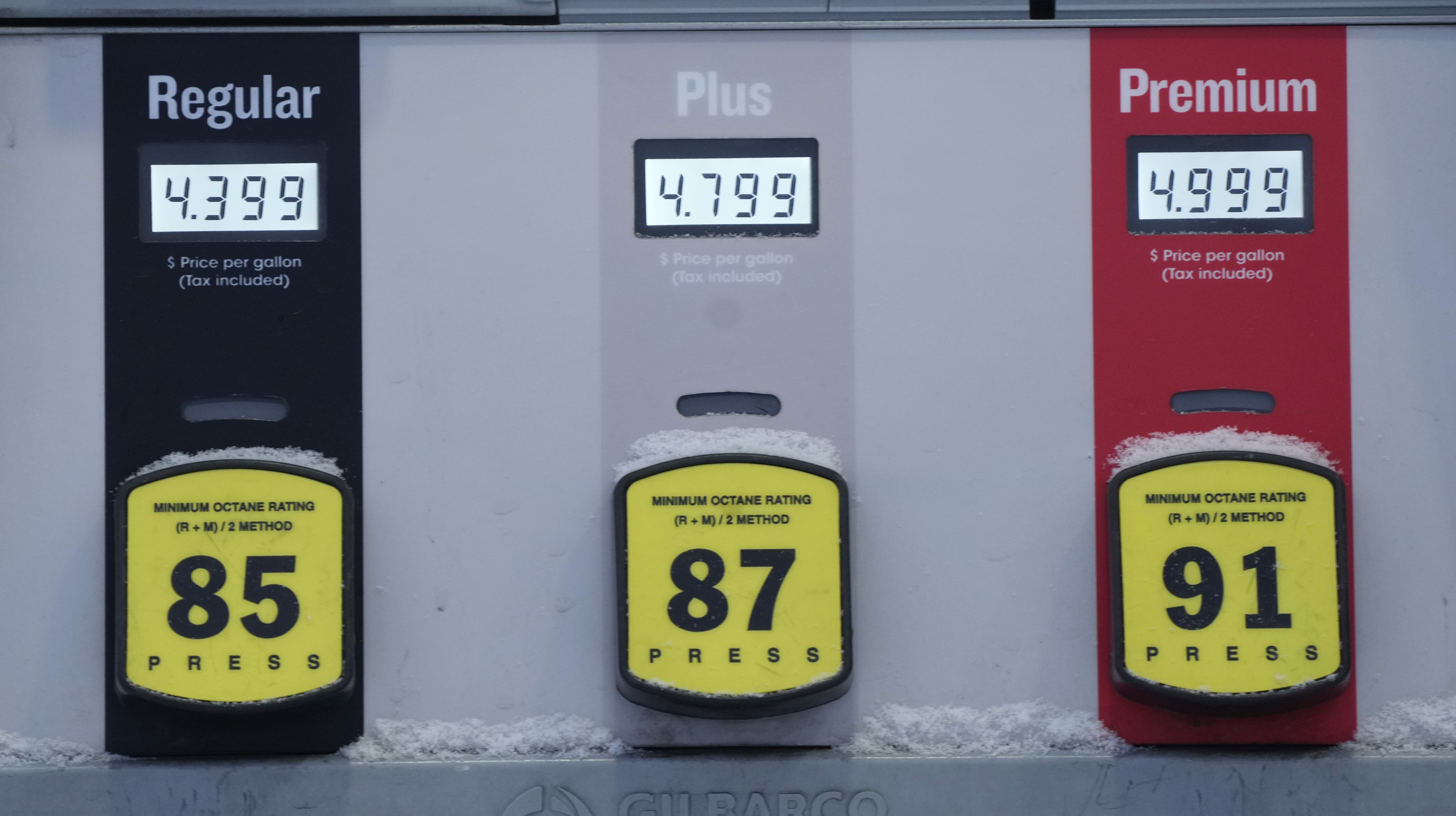
The price of gasoline is a dynamic entity, influenced by a complex interplay of global and local factors. These include the cost of crude oil, refining expenses, distribution networks, state and federal taxes, and even seasonal demand. For travelers heading to Colorado, or those residing within its borders, this fluctuation means that the cost of filling up can vary significantly from one week to the next, and even from one gas station to another within the same city. This article delves into the current gas prices in Colorado, exploring the factors that contribute to these figures and providing insights that can help you plan your travels more effectively across this breathtaking state.
Understanding the Factors Influencing Gas Prices in Colorado
The price you see at the pump in Colorado is the result of a multifaceted economic equation. To truly grasp how much gas costs, it’s important to look beyond the immediate sticker shock and understand the underlying drivers. These factors range from the global stage of petroleum markets to the specific regulations and economic landscape within Colorado itself.
Global Crude Oil Markets
At the very foundation of gasoline prices lies the cost of crude oil. This volatile commodity is traded on international markets, and its price is subject to a wide array of influences. Geopolitical events in major oil-producing regions, such as the Middle East, can send shockwaves through the market, leading to price spikes. Production levels by organizations like OPEC (Organization of the Petroleum Exporting Countries) also play a significant role; decisions to increase or decrease output directly impact global supply and, consequently, prices. Economic growth worldwide, particularly in large consuming nations like China and India, can also drive up demand for oil, pushing prices higher. Conversely, global economic downturns can lead to decreased demand and lower oil prices. For Colorado, this means that events happening thousands of miles away can directly affect the cost of filling your tank before a weekend escape to Rocky Mountain National Park or a drive along the scenic Peak to Peak Scenic Byway.
Refining and Distribution Costs
Once crude oil is extracted, it undergoes a complex refining process to be transformed into gasoline. This process occurs at refineries, which have their own operational costs, including labor, energy, and maintenance. The capacity of these refineries and their proximity to Colorado can influence the cost of the finished product. If a refinery experiences an unexpected shutdown due to mechanical issues or natural disasters, it can reduce the supply of gasoline to a region, potentially leading to price increases. Following the refining stage, gasoline must be transported to gas stations. This distribution network involves pipelines, trucks, and other logistics, all of which add to the final cost. The efficiency and cost of these distribution channels in and around Colorado are therefore critical determinants of pump prices.
State and Federal Taxes
Taxes are a significant component of gasoline prices across the United States, and Colorado is no exception. Both the federal government and the state of Colorado levy taxes on each gallon of gasoline sold. These taxes are used to fund infrastructure projects, such as road construction and maintenance. The federal gasoline tax is a fixed amount per gallon, while state taxes can vary. Colorado’s state gasoline tax rate can influence the overall price consumers pay at the pump. These tax revenues are crucial for maintaining and improving the extensive network of roads and highways that are vital for tourism and commerce throughout the state, from the urban centers of Denver and Boulder to the charming mountain towns like Aspen and Vail.
Seasonal Demand and Local Competition
Gasoline demand also fluctuates seasonally. During the summer months, for example, when more people are traveling for vacations and outdoor activities, the demand for gasoline typically increases. This higher demand, coupled with the introduction of more expensive summer-blend gasoline (which has lower evaporative properties and is required by environmental regulations), can lead to higher prices. Conversely, demand often dips in the fall and winter. Furthermore, local competition among gas stations plays a role. In areas with numerous gas stations, competition can drive prices down, while in more remote or less competitive areas, prices might be higher. Understanding these local dynamics can help savvy travelers identify opportunities for savings, perhaps by filling up before venturing into less populated regions of the state.
Current Gas Prices and Trends in Colorado

Staying informed about the current average gas prices in Colorado is essential for any traveler or resident. While specific prices fluctuate daily, several resources provide up-to-date information, allowing for informed decisions regarding fuel purchases. These trends can also offer insights into the broader economic forces at play.
Average Gas Prices Across Colorado
The average price of gasoline in Colorado is regularly tracked by various organizations, including the American Automobile Association (AAA). These averages provide a useful benchmark for understanding the general cost of fuel across the state. It’s important to note that these are averages, and actual prices can differ significantly depending on the specific city, neighborhood, and even the brand of gas station. For instance, gas prices in major metropolitan areas like Denver might be slightly lower due to higher competition compared to rural areas or popular tourist destinations that experience peak demand. When planning a road trip to explore destinations like Mesa Verde National Park or drive the Million Dollar Highway, checking the average prices for the regions you’ll be traversing is a prudent step.
Regional Variations Within Colorado
Colorado’s diverse geography contributes to notable regional variations in gas prices. Areas closer to major transportation hubs and refineries might see slightly lower prices. Conversely, gas stations in more remote mountain towns or along popular tourist routes, where demand can be higher and supply chains potentially more complex, may charge a premium. For example, filling up your vehicle in the bustling Denver metropolitan area before heading west towards the Colorado Rockies might yield a different price than trying to refuel in a small community deep within the mountains. This is a crucial consideration for travelers planning extensive drives, such as a journey through the San Juan Mountains or to the otherworldly landscapes of the Great Sand Dunes National Park and Preserve. Understanding these regional differences can help in planning fuel stops strategically, ensuring you don’t get caught with an empty tank in a high-priced area.
Tips for Finding Cheaper Gas
Navigating the fluctuating cost of gasoline requires a bit of strategy. Fortunately, there are several ways to find more affordable fuel options in Colorado. Utilizing gas price comparison apps on your smartphone can be incredibly helpful. These applications aggregate real-time price data from gas stations in your vicinity, allowing you to quickly identify the cheapest options nearby. Many loyalty programs offered by major gas station chains also provide discounts or rewards that can lower your per-gallon cost. While it might seem like a small saving, these can add up over the course of a trip. Furthermore, planning your fuel stops can be beneficial. If you know you’ll be driving through an area known for higher prices, consider filling up in a less expensive location beforehand. For those planning extended stays or frequent travel within Colorado, purchasing fuel in bulk when prices are favorable could also be a consideration, though this is less practical for short-term tourists.
Planning Your Colorado Travel Around Gas Prices
The cost of gasoline is an integral part of any travel budget, and for a state as expansive and adventure-filled as Colorado, it can represent a significant expense. By understanding the contributing factors and staying informed about current prices, travelers can make more informed decisions, optimize their itineraries, and ultimately, enjoy more of what Colorado has to offer.
Budgeting for Fuel on Your Colorado Road Trip
When planning a road trip through Colorado, accurate budgeting for fuel is paramount. This involves not only estimating the total mileage of your journey but also factoring in current gas prices and potential price fluctuations. Online mileage calculators and fuel cost estimators can be invaluable tools. They allow you to input your vehicle’s fuel efficiency and the distance you plan to cover, providing a projected fuel cost. However, it’s wise to add a buffer to this estimate to account for unexpected detours, traffic delays that increase mileage, or price increases that might occur during your trip. Considering the variety of experiences Colorado offers, from exploring the historic mining towns of the Central City area to attending events in Colorado Springs, it’s important to allocate sufficient funds for transportation. For instance, a drive from Denver to Durango and back is a substantial distance, and factoring in the cost of gas for such a journey is crucial.
Impact on Accommodation and Activity Choices
The cost of gas can indirectly influence other aspects of your travel planning. If fuel prices are particularly high, you might reconsider the length of your stay at a particular destination or the number of day trips you plan to take. For example, the affordability of gas might influence your decision to stay at a resort further from your primary attractions or opt for accommodations in a more central location to minimize driving. Similarly, the budget allocated for fuel might impact your choices regarding activities. A higher gas expenditure might necessitate scaling back on other discretionary spending, such as dining out or purchasing souvenirs. For those looking for budget-friendly travel, understanding that gas prices can be a significant part of the overall cost allows for more strategic planning, perhaps favoring destinations closer to your accommodation or exploring public transportation options in cities like Denver where available. The allure of places like the Garden of the Gods or the cultural richness of Fort Collins remains, but how you reach them and how often you explore the surrounding areas can be influenced by fuel costs.

Maximizing Your Travel Experience in Colorado
Ultimately, understanding and accounting for gas prices is about maximizing your travel experience in Colorado. By being prepared for the costs associated with fuel, you can avoid financial stress and focus on enjoying the state’s incredible natural beauty and vibrant culture. This might involve opting for a more fuel-efficient vehicle if renting, planning your routes to minimize unnecessary driving, and taking advantage of opportunities to fill up at more competitive prices. Whether your goal is to hike in the San Luis Valley, witness the grandeur of Pikes Peak, or immerse yourself in the arts scene of Santa Fe (though technically in New Mexico, often visited from Southern Colorado), a well-planned approach to fuel costs ensures that your adventure is smooth and enjoyable. Colorado offers a lifetime of exploration, and with a little foresight regarding fuel expenses, you can make the most of every mile, from the eastern plains to the western slopes, creating unforgettable memories in this magnificent state.