
For many, the allure of Florida lies in its sun-drenched beaches, world-class theme parks, vibrant cities, and serene natural landscapes. It’s a destination that beckons travelers from around the globe, promising everything from exhilarating adventures to relaxing retreats. Whether you’re planning a family trip to Walt Disney World Resort, a romantic escape to the Florida Keys, or a business stay in Miami, the freedom of the open road is often central to the experience. Exploring the Sunshine State, with its vast network of highways connecting diverse attractions and charming towns, invariably means relying on a vehicle. And with that reliance comes an inevitable question that weighs on every traveler’s budget and planning: “How much is gas in Florida?”
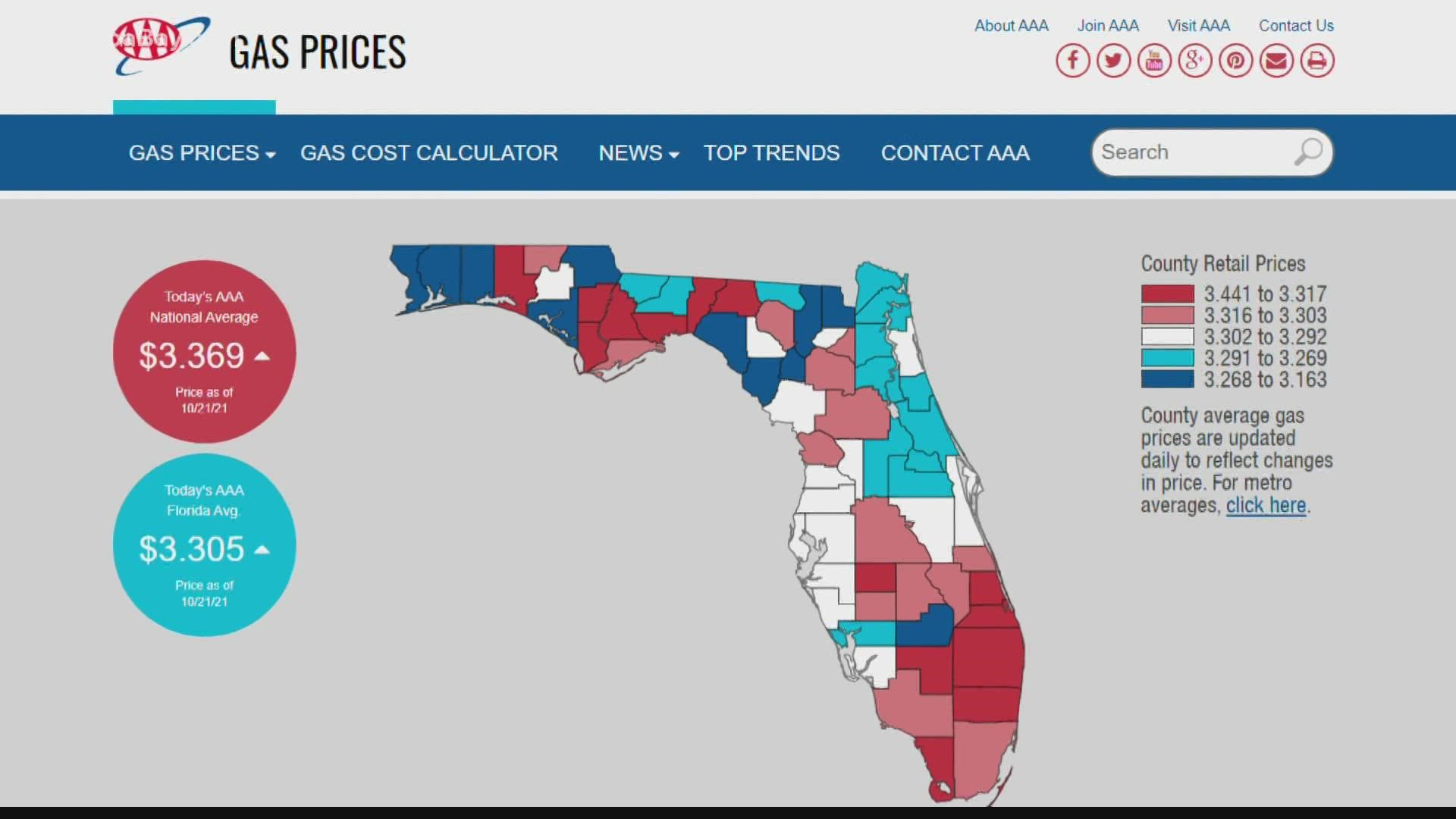
Understanding fuel costs is paramount for anyone navigating Florida, whether you’re a seasoned local, a first-time visitor, or someone considering a long-term stay. Gas prices are more than just numbers on a pump; they’re a significant factor influencing travel itineraries, accommodation choices, and the overall lifestyle experience within the state. They can dictate how far you venture from your hotel, which landmarks you visit, and even the type of activities you pursue. A surge in fuel prices can swiftly transform a meticulously planned budget trip into a more expensive endeavor, while stable or declining costs can open up opportunities for more extensive exploration.
This comprehensive guide aims to demystify gas prices in Florida, offering insights into current trends, regional variations, and the broader economic context. More importantly, it will equip you with strategies to manage your fuel expenses effectively, ensuring that your journey through the Sunshine State remains as enjoyable and stress-free as possible. From understanding market dynamics to practical tips for saving at the pump, we’ll cover everything you need to know to hit the road with confidence.
Understanding Florida’s Fuel Landscape
The price you pay at the gas pump in Florida, much like anywhere else in the United States, is a complex interplay of various factors. These aren’t static figures but rather a dynamic reflection of global economics, local demand, and state-specific policies. For travelers planning to traverse the state, grasping these underlying influences is key to anticipating and budgeting for fuel costs.
Current Price Snapshot and Influencing Factors
While specific real-time prices fluctuate daily, the general trajectory of gas prices in Florida can be attributed to several core elements. Globally, crude oil prices are the primary driver; geopolitical events, production levels from major oil-producing nations, and global demand all ripple down to the cost of gasoline. Domestically, refinery output, transportation costs, and seasonal demand play crucial roles. For instance, hurricane season can disrupt refinery operations and distribution networks, leading to temporary price spikes. The summer driving season, with increased travel for vacations, also typically sees an uptick in demand and consequently higher prices.
Adding to these are federal and state taxes. Florida imposes its own excise taxes on gasoline, which are factored into the final pump price. These taxes contribute to infrastructure maintenance, but they also mean that a portion of what you pay isn’t directly related to the cost of the fuel itself. Keeping an eye on national and state news regarding oil markets and local energy policies can provide an early indication of potential price shifts. Reputable sources like AAA regularly publish average gas prices, offering a reliable benchmark for travelers.
Regional Variations Across the Sunshine State
One of the most surprising aspects for many visitors is the significant variation in gas prices across different regions and cities within Florida. It’s not uncommon to see a difference of 20 to 50 cents per gallon, or even more, between one part of the state and another. These disparities are influenced by several factors:
- Proximity to Ports and Refineries: Areas closer to major ports like Jacksonville and Tampa, where fuel is imported and refined, often benefit from lower transportation costs, translating to slightly cheaper gas.
- Local Competition: Densely populated urban centers like Orlando and Miami typically have a higher concentration of gas stations, fostering greater competition. This competition can sometimes drive prices down as stations vie for customers. Conversely, more rural or isolated areas, such as parts of the Panhandle or remote stretches of the Florida Keys, might see higher prices due to fewer stations and increased logistical costs.
- Tourism Hotspots: Unsurprisingly, popular tourist destinations often experience higher demand, and local businesses might capitalize on this. While theme park areas in Orlando might have competitive pricing due to sheer volume, unique destinations like Key West, with its limited access and high visitor numbers, frequently see some of the highest gas prices in the state.
- Cost of Living: Cities with a higher overall cost of living, such as Miami or Naples, can sometimes reflect these elevated costs in their gas prices.
Understanding these regional nuances is crucial for trip planning. For example, if you’re driving from Jacksonville to Key West, it would be prudent to fill up your tank before reaching the Keys, where prices are almost guaranteed to be higher.
Historical Trends and Seasonal Shifts
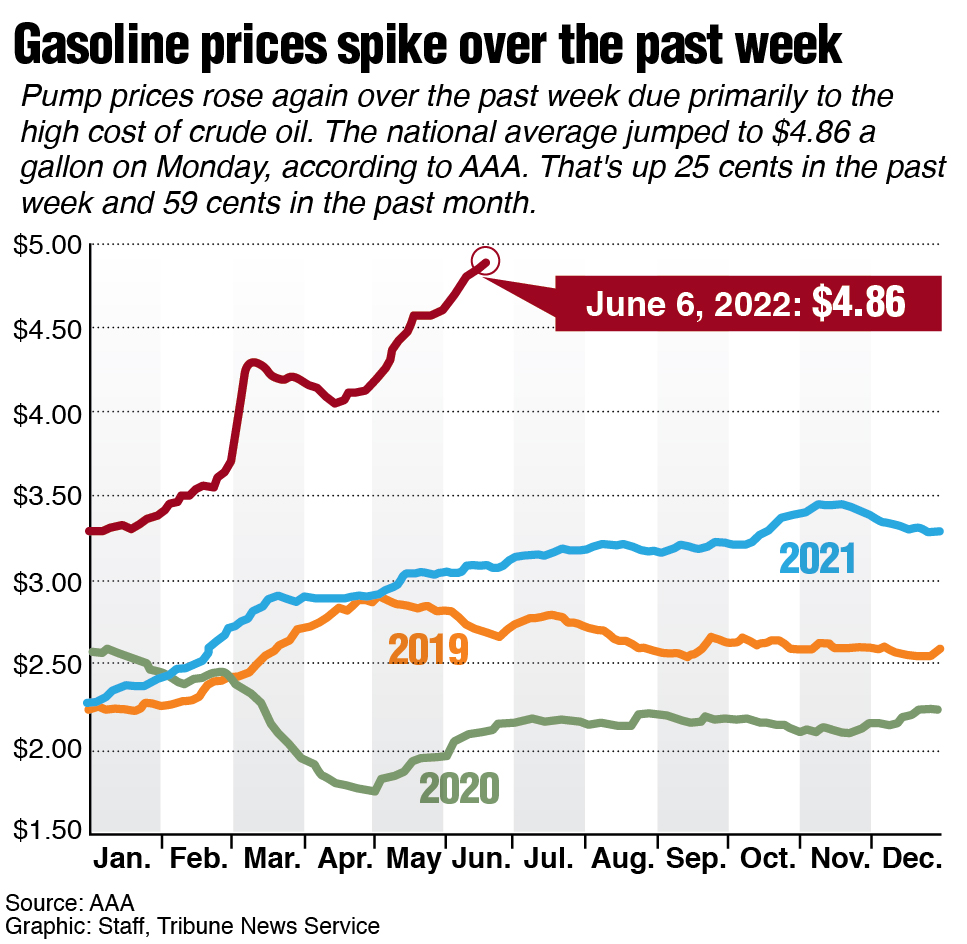
Gas prices in Florida also follow predictable seasonal patterns, largely mirroring national trends but often amplified by the state’s significant role in tourism.
- Summer Driving Season (June-August): This is typically when prices peak. Families embark on road trips, vacationers flock to beaches and attractions, and overall demand for gasoline surges. Expect to pay a premium during these months.
- Holiday Periods: Major holidays such as Memorial Day, Fourth of July, Labor Day, Thanksgiving, Christmas, and New Year’s always see increased travel volume. This heightened demand usually translates into temporary but noticeable spikes in gas prices around these festive times.
- Spring Break (March-April): Florida is a magnet for spring breakers, particularly coastal cities like Fort Lauderdale, Miami, and Panama City Beach. This influx of visitors can drive up local gas prices.
- Off-Season (Late Fall/Winter, excluding holidays): Generally, prices tend to be lower during the quieter periods outside of major holidays and peak tourist seasons. For instance, late September through early November, and parts of January and February, might offer more budget-friendly fuel costs.
Monitoring these historical trends allows travelers to strategically plan their visits or at least anticipate higher expenses during peak times. A little foresight can go a long way in managing your travel budget.
The Impact of Gas Prices on Your Florida Travel Experience
Gas prices don’t just affect your wallet; they subtly, and sometimes not so subtly, shape the entire contour of your Florida adventure. From the moment you begin planning to your daily explorations, the cost of fuel plays a pivotal role in decision-making, particularly for those looking to maximize their experience while keeping an eye on expenses.
Budgeting for Your Road Trip
A road trip through Florida is an iconic way to experience its diverse offerings. Whether you’re cruising down A1A along the coast, exploring the historical streets of St. Augustine, or venturing into the wilderness of Everglades National Park, fuel costs will be a major line item in your travel budget. It’s not enough to simply estimate the total cost; understanding how to integrate it into a comprehensive budget is crucial for a stress-free trip.
Start by calculating the approximate mileage for your intended route. Websites and apps can help you map out your journey and estimate distances between destinations like Orlando’s theme parks, Tampa’s Busch Gardens Tampa Bay, or the tranquil shores of Amelia Island. Then, consider your vehicle’s average fuel economy (miles per gallon). Armed with these figures and current average gas prices in Florida, you can generate a realistic fuel expenditure estimate. Always add a buffer of 10-15% for unexpected detours or price fluctuations. For budget travelers, this detailed approach is non-negotiable, influencing how much is left for dining, attractions, and souvenirs. For luxury travelers, while less impactful, it remains a consideration for overall trip costing.

Choosing Your Destination and Activities
High gas prices can significantly influence which Florida destinations you choose to visit and how you spend your time there. If fuel is expensive, you might rethink a sprawling multi-city itinerary in favor of focusing on one or two regions.
- Consolidating Travel: Instead of driving from Miami to Orlando to St. Augustine and back, you might opt for a concentrated stay in one area, perhaps exploring the Tampa Bay area’s attractions like Busch Gardens Tampa Bay and nearby Siesta Key Beach, rather than venturing further across the state.
- Proximity to Attractions: When gas prices are high, staying closer to your primary points of interest becomes more appealing. If Walt Disney World Resort is your main goal, choosing a hotel on-site or just minutes away from the parks minimizes daily driving and saves on fuel. Similarly, if you’re interested in space exploration, selecting accommodation near the Kennedy Space Center Visitor Complex would be logical.
- Activity Choices: High fuel costs might lead travelers to favor activities that are walkable, bikeable, or accessible via public transport (where available). Exploring South Beach on foot, renting a bike in Gainesville, or utilizing the free trolleys in St. Augustine become more attractive options. Day trips to very distant landmarks might be reconsidered in favor of local gems.
Accommodation Choices and Their Proximity
The strategic selection of your accommodation can directly mitigate the impact of high gas prices on your overall travel budget. Cheaper hotels or vacation rentals often reside in more suburban or rural areas, requiring more driving to reach attractions.
- Central vs. Peripheral Locations: While a hotel in Downtown Orlando might be pricier, its proximity to multiple dining options, entertainment venues, and public transport hubs could offset higher room rates by significantly reducing daily driving and parking costs. Conversely, a cheaper hotel further out from Universal Orlando Resort could mean considerable daily fuel expenses and wasted travel time.
- Resorts with Comprehensive Amenities: Some travelers opt for all-inclusive resorts or hotels with extensive on-site amenities like multiple restaurants, pools, and activities. Locations like these in Sarasota or Amelia Island allow guests to minimize driving once they arrive, making them attractive during periods of high gas prices. This strategy aligns well with a “staycation” or a relaxing retreat where the goal is to unwind without constant travel.
- Long-Term Stays: For those considering long-term accommodation, perhaps for a winter escape or a business project, the location becomes even more critical. Proximity to work, essential services, and local attractions can lead to substantial long-term fuel savings. Evaluating the trade-off between a lower monthly rent/stay cost versus higher weekly fuel expenses is a key part of financial planning.
By carefully considering these aspects, travelers can tailor their Florida experience to their budget, ensuring that gas prices don’t derail their dream vacation.
Strategies for Saving on Fuel During Your Florida Adventure
Navigating Florida doesn’t have to break the bank, even when gas prices are on the higher side. With a combination of smart planning, conscious driving habits, and leveraging available resources, you can significantly reduce your fuel consumption and keep your travel budget intact. These strategies are particularly useful for those on a budget trip or planning an extended stay where fuel efficiency can add up to substantial savings.
Smart Driving Habits and Vehicle Maintenance
The way you drive and how well you maintain your vehicle have a direct impact on fuel efficiency. Adopting a few simple habits can make a noticeable difference:
- Smooth Acceleration and Braking: Aggressive driving – rapid acceleration and hard braking – is a major fuel guzzler. Gentle acceleration and anticipating stops will not only save gas but also reduce wear and tear on your vehicle. This is especially true in stop-and-go traffic often found in metropolitan areas like Miami or around Orlando’s theme parks.
- Maintain Steady Speeds: Cruising at a consistent speed on highways, such as I-75 or I-95, is more fuel-efficient than constantly varying your speed. Using cruise control on long stretches can help maintain this consistency.
- Avoid Excessive Idling: If you’re going to be stopped for more than a minute, it’s generally more fuel-efficient to turn off your engine than to let it idle. This applies when waiting for passengers or during prolonged traffic delays.
- Proper Tire Inflation: Underinflated tires reduce fuel economy and are a safety hazard. Check your tire pressure regularly, especially before long drives. The recommended pressure can usually be found on a sticker inside your car’s driver-side door jamb or in the owner’s manual.
- Lighten Your Load: Remove any unnecessary weight from your vehicle. Extra luggage, sports equipment, or heavy items that aren’t needed for your trip will force your engine to work harder, consuming more fuel. Similarly, remove roof racks or bike carriers when not in use, as they create aerodynamic drag.
- Regular Vehicle Maintenance: Ensure your car is well-maintained. A clean air filter, properly functioning spark plugs, and regular oil changes can all contribute to better fuel economy. If you’re renting a car, you can generally assume it’s well-maintained, but checking tire pressure at a gas station is a quick and easy habit.
Utilizing Technology to Your Advantage
In today’s digital age, a wealth of tools is available to help you find the cheapest gas and manage your fuel expenses efficiently.
- Gas Price Apps: Apps like GasBuddy, Waze, and Google Maps are invaluable for finding the lowest gas prices in your immediate vicinity or along your planned route. Users update prices in real-time, often allowing you to save significant amounts, especially in areas with wide price disparities like Key West versus Tallahassee.
- Loyalty Programs and Discount Cards: Many grocery store chains (e.g., Publix, Winn-Dixie) and gas station brands (e.g., Shell, BP, ExxonMobil) offer loyalty programs or discount cards. Signing up can provide cents-off-per-gallon savings, sometimes accumulating substantial discounts based on your purchases. Before your trip, research which programs are prevalent in Florida and consider joining.
- Navigation Systems: Use GPS or mapping apps to plan the most efficient routes, avoiding traffic jams and unnecessary detours that waste fuel. Many modern navigation systems also provide real-time traffic updates, helping you make smarter choices on the go.
Alternative Transportation and Lifestyle Choices
Sometimes, the best way to save on gas is to simply use less of it or avoid using your car altogether. Florida, with its diverse offerings, provides several alternative transportation options and lifestyle choices that can minimize your dependency on personal vehicles.
- Public Transportation: While not as extensive as in some major global cities, Florida’s larger metropolitan areas like Orlando, Miami, and Tampa offer buses, trolleys, and even some rail services. For instance, in Orlando, the I-RIDE Trolley serves the International Drive resort area, connecting hotels, attractions, and dining. In Miami, the Metromover provides free service around Downtown Miami.
- Ride-Sharing and Taxis: Services like Uber and Lyft are readily available in most populated areas and can be a cost-effective alternative for shorter distances, especially if parking is expensive or inconvenient.
- Biking and Walking: Many Florida destinations are incredibly pedestrian and bike-friendly. Exploring areas like South Beach, St. Augustine’s historic district, or the causeways of Sanibel Island on foot or by bicycle offers a unique perspective and zero fuel costs. Many hotels offer bike rentals, or you can find local rental shops.
- Choose All-Inclusive Resorts or Centralized Accommodations: As mentioned before, opting for a resort where everything you need is on-site, or a hotel centrally located within walking distance of attractions, can drastically reduce your need for a car. This “stay and play” approach is popular in many coastal and theme park areas.
- Electric Vehicles (EVs): For residents or long-term visitors, considering an EV or hybrid vehicle could be a significant long-term saving strategy. Florida has an expanding network of charging stations, making EV travel increasingly viable.
By integrating these strategies, travelers can transform gas prices from a potential deterrent into a manageable aspect of their Florida journey, ensuring that their budget aligns with their adventurous spirit.
Beyond the Pump: The Broader Economic and Tourism Perspective
The fluctuations in gas prices in Florida extend far beyond an individual’s travel budget; they ripple through the state’s entire economy, particularly impacting its colossal tourism industry. Understanding this broader context provides a more holistic view of why fuel costs are such a significant barometer for the state’s economic health and visitor experience.
How Gas Prices Influence Florida’s Tourism Economy
Florida’s economy is inextricably linked to tourism. Millions flock to its shores and attractions annually, and a significant portion of these visitors arrive by car or rent one upon arrival. When gas prices climb, the implications are widespread:
- Reduced Visitor Numbers: For many, especially families on a budget, high gas prices can be a deterrent to long-distance road trips. A costly drive to Florida or expensive internal travel can cause potential visitors to choose closer destinations or postpone their trips, leading to a dip in overall tourist numbers.
- Shift in Travel Behavior: Even if visitors still come, their behavior might change. Instead of embarking on extensive road trips to explore various landmarks from Pensacola to Key West, they might opt for more localized vacations, staying put in one city like Orlando or Miami to minimize driving. This can impact businesses in less-visited regions.
- Impact on Local Businesses: Hotels, restaurants, small businesses, and attractions across the state feel the pinch. With less disposable income due to higher fuel costs, travelers might spend less on dining out, souvenirs, or extra activities. Transportation companies, tour operators, and even delivery services within the state also face increased operational costs, which can be passed on to consumers or affect profitability.
- Job Market Instability: A prolonged period of high gas prices impacting tourism can eventually lead to reduced demand for staff in hotels, theme parks, and other tourism-related sectors, potentially affecting employment rates in a state heavily reliant on this industry.
Conversely, periods of stable or declining gas prices can act as an economic stimulus, encouraging more travel, longer stays, and increased spending, benefiting a wide array of businesses from boutique hotels in St. Augustine to seafood restaurants in Naples.
Planning for the Future: Long-term Trends and Sustainable Travel
Looking ahead, the discussion around gas prices in Florida is evolving to include broader considerations of energy independence, environmental impact, and sustainable travel practices.
- Renewable Energy and Electric Vehicles: As part of a national and global push towards sustainability, Florida is gradually expanding its infrastructure for electric vehicles (EVs). More charging stations are appearing in cities, at hotels, and along major highways. For residents and frequent visitors, investing in an EV could be a long-term solution to volatile gas prices, aligning with a more environmentally conscious lifestyle.
- Public Transit Expansion: While cars remain dominant, there’s growing interest and investment in enhancing public transportation networks, particularly in congested urban corridors. Future expansions of rail, bus rapid transit, and improved shuttle services could offer more viable alternatives to driving in certain areas, particularly around major attractions.
- Sustainable Tourism Initiatives: Many Florida destinations and tourism operators are embracing sustainable practices, which often include promoting eco-friendly transportation options, encouraging walking and biking, and supporting local businesses that minimize their environmental footprint. Travelers increasingly seek out such experiences, and reduced reliance on fossil fuels is a key component.
Ultimately, “How much is gas in Florida?” is a question that resonates deeply within the state’s economic and cultural fabric. It’s a key consideration for anyone planning a visit, influencing everything from the duration of their stay to their choice of activities. By staying informed about price trends, adopting smart travel habits, and being open to alternative transportation, visitors can ensure that their Florida experience remains vibrant, memorable, and financially manageable. The Sunshine State continues to offer an unparalleled array of experiences, and with a little planning, the cost of getting around won’t hinder your adventure.
LifeOutOfTheBox is a participant in the Amazon Services LLC Associates Program, an affiliate advertising program designed to provide a means for sites to earn advertising fees by advertising and linking to Amazon.com. Amazon, the Amazon logo, AmazonSupply, and the AmazonSupply logo are trademarks of Amazon.com, Inc. or its affiliates. As an Amazon Associate we earn affiliate commissions from qualifying purchases.