
Navigating the sprawling urban landscape of Los Angeles, a city synonymous with car culture, often brings travelers face-to-face with an undeniable reality: gas prices here are among the highest in the nation. For anyone planning a trip to the Golden State, whether it’s for a sun-soaked Southern California adventure, a business stay, or an extended visit to soak in the vibrant lifestyle, understanding and budgeting for fuel costs is paramount. From cruising down scenic coastal highways to exploring iconic landmarks like the Hollywood Walk of Fame or the Griffith Observatory, a car is often your ticket to experiencing the true breadth of what this dynamic metropolis has to offer. However, this freedom comes at a price that can significantly impact your overall travel expenses.

This guide delves into the specifics of gas prices in Los Angeles, exploring the underlying reasons for their elevated rates and offering practical strategies for managing these costs. We’ll look at how fuel expenses influence everything from your choice of accommodation and daily itinerary to the feasibility of broader California road trips. By understanding the landscape of gas prices and adopting smart habits, visitors can still enjoy all the allure of Los Angeles without letting fuel costs overshadow their experience. Whether you’re a budget-conscious traveler or simply seeking to optimize your luxury getaway, mastering the art of fuel efficiency in Los Angeles is a valuable skill.
The Reality of Fuel Costs in the Golden State
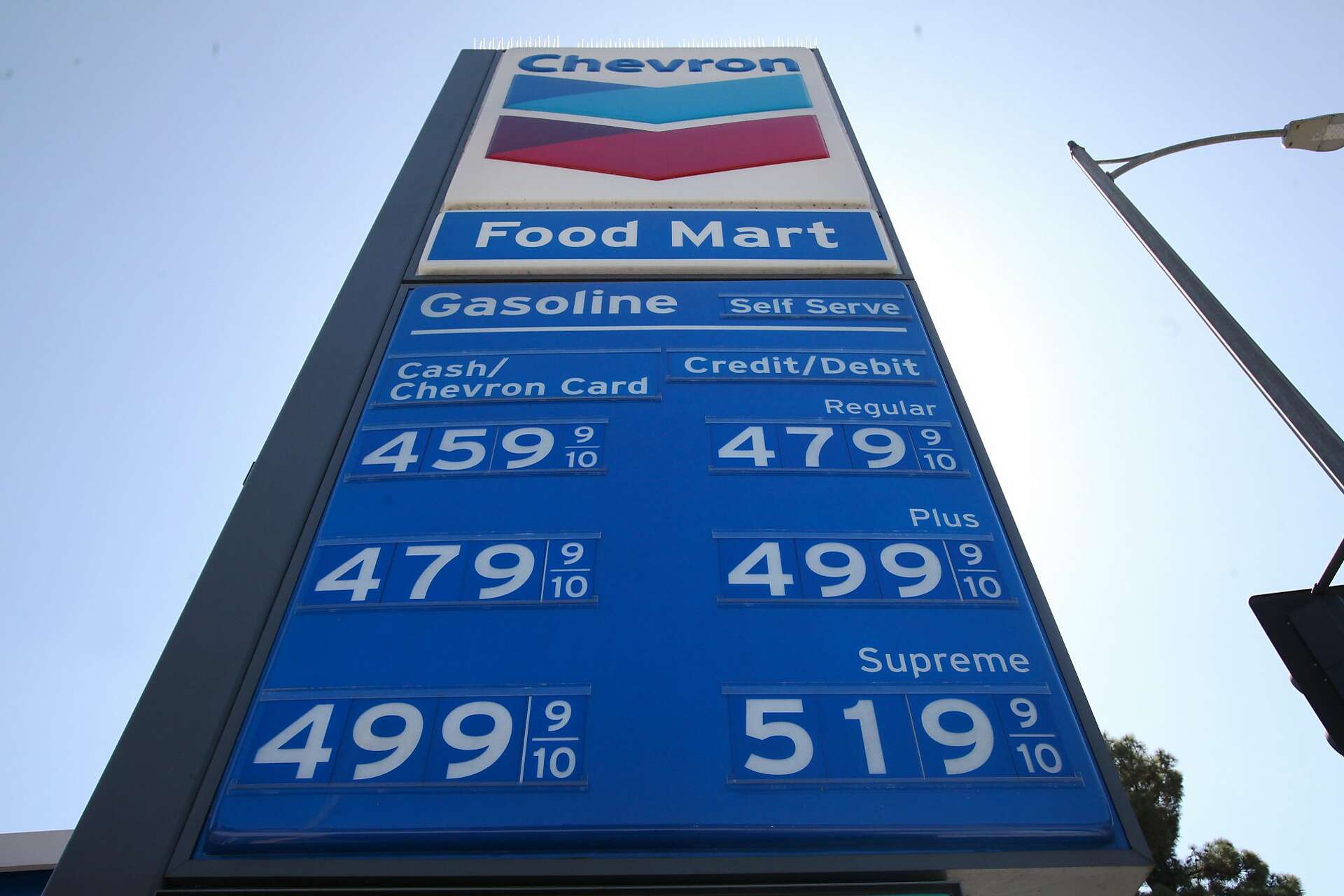
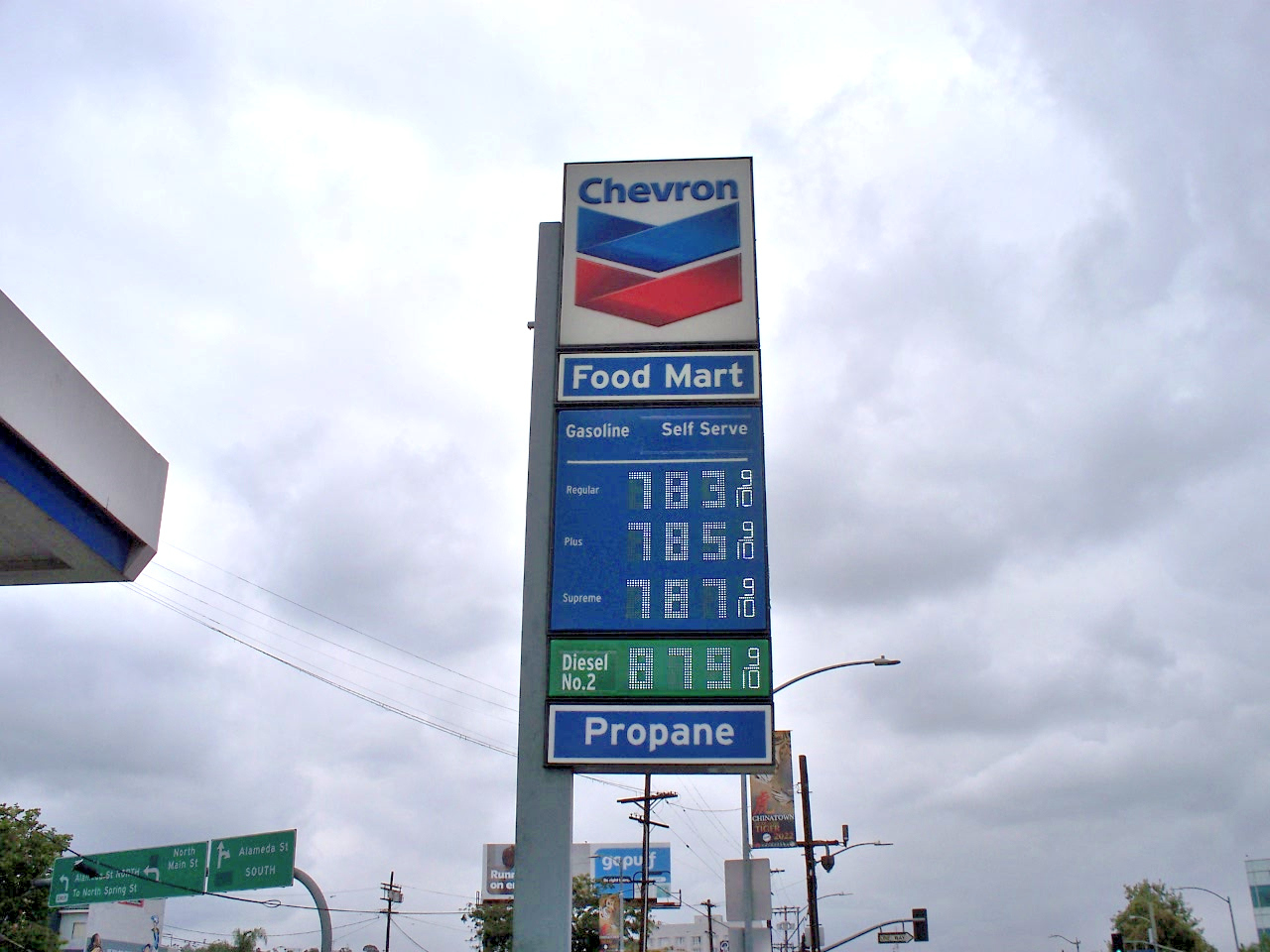
It’s no secret that California consistently ranks among the states with the highest gas prices in the United States, and Los Angeles often leads the pack within the state. While prices fluctuate daily and seasonally, you can almost always expect to pay significantly more per gallon here than in many other parts of the country. This isn’t just a random occurrence; a confluence of factors contributes to this persistent reality, directly impacting the budgets of both residents and tourists alike. For those envisioning carefree drives along Malibu beaches or quick trips between Hollywood and Beverly Hills, understanding these elements is the first step in effective financial planning.
Why Los Angeles Pump Prices Stand Out
Several key reasons explain why gas in Los Angeles carries a premium:
- High State and Local Taxes: California levies some of the highest gasoline taxes in the nation, encompassing excise taxes, sales taxes, and various environmental fees. These taxes alone can add close to a dollar per gallon compared to the national average. A significant portion of these funds is earmarked for maintaining the state’s extensive road infrastructure, which, while beneficial for smooth travel, directly translates to higher pump prices.
- Environmental Regulations and Special Fuel Blends: California has stringent environmental standards aimed at reducing air pollution, particularly in dense urban areas like Los Angeles. This necessitates the use of specially formulated fuel blends that are more expensive to produce and refine. These “summer blend” and “winter blend” requirements add complexity and cost to the supply chain, as refiners must meet specific specifications for different seasons.
- Limited Refining Capacity and Geographic Isolation: Most of California’s refineries are located within the state, meaning that when one experiences an outage or maintenance issue, the impact on supply can be immediate and significant. The state is somewhat isolated from the broader national pipeline system, making it harder and more expensive to import fuel from other regions when local supply dwindles. This localized supply and demand dynamic can cause rapid price spikes.
- Higher Cost of Doing Business: Operating gas stations and businesses in Los Angeles comes with higher overheads, including elevated real estate costs, higher wages, and more expensive regulatory compliance. These operational costs are naturally passed on to consumers at the pump.
- Market Dynamics and Demand: As a vast, car-centric city, Los Angeles has an enormous demand for gasoline. While demand alone doesn’t entirely dictate price, when combined with the other factors, it ensures that stations can maintain higher prices.
Beyond the Pump: The Domino Effect on Travel Budgets
The high cost of gas doesn’t just affect the direct expense of filling up; it creates a ripple effect throughout your entire travel budget and experience in Los Angeles.
- Car Rental Costs: If you’re renting a car, fuel expenses become a significant part of that daily cost. Rental companies often charge premium rates for gas if you don’t return the car with a full tank, making it crucial to plan your final fill-up carefully. The type of vehicle you rent also plays a role; a fuel-efficient compact car will naturally be cheaper to run than a large SUV, especially when navigating the city’s notorious traffic.
- Daily Exploration: Many of Los Angeles’s top attractions are spread out. From the Santa Monica Pier to Universal Studios Hollywood and from Griffith Observatory to the Getty Center, daily driving can accumulate substantial mileage. This means frequent stops at the pump, eroding your budget for dining, entertainment, or accommodation upgrades.
- Accommodation Choices: The cost of gas might even influence your decision on where to stay. While a hotel in Downtown Los Angeles or Santa Monica might be more expensive upfront, its proximity to public transport or major attractions could save you money on fuel compared to staying further afield in more affordable suburbs. This brings a fresh perspective to balancing upfront accommodation costs with ongoing transportation expenses.
Navigating Los Angeles on a Budget: Strategies for Smart Driving
Despite the high cost of fuel, exploring Los Angeles by car remains a popular and often necessary option for many travelers, especially those venturing out of the immediate urban core or visiting with families. The key is to be strategic and informed. Integrating smart driving habits and leveraging alternative transportation options can significantly mitigate the impact of high gas prices on your travel budget, allowing you to focus more on the incredible experiences the city offers.
Smarter Filling: Apps, Loyalty Programs, and Off-Peak Times
Being a savvy fuel consumer in Los Angeles requires a bit of planning and utilization of available tools.
- Gas Price Apps: Apps like GasBuddy, Waze, and AAA Mobile are invaluable resources. They provide real-time updates on gas prices at stations near your current location or along your planned route, helping you identify the cheapest options. Even a few cents per gallon difference can add up over multiple fill-ups during your stay. Be aware that prices can vary significantly even within a few blocks, with stations just off major freeways often being more expensive.
- Loyalty Programs and Discounts: Many major gas station chains (e.g., Shell, Chevron, 76) and grocery stores offer loyalty programs that provide discounts per gallon. If you’re planning an extended stay or a road trip across California, signing up for one of these programs could yield noticeable savings. Some credit cards also offer cash back or rewards points for gas purchases, which can indirectly reduce your costs.
- Consider Costco or Sam’s Club: If you’re a member of warehouse clubs like Costco or Sam’s Club, their gas stations almost consistently offer the lowest prices in the area. The catch is they often have long lines, so factor in potential waiting times.
- Avoid Freeway-Adjacent Stations: As a general rule, gas stations located directly off major highways and freeways tend to have higher prices due to convenience for transient drivers. Venturing a few blocks into residential or commercial areas can often reveal significantly cheaper options.
- Fill Up When You See a Deal: Don’t wait until your tank is nearly empty. If you spot a gas station with noticeably lower prices, it might be wise to top off your tank, even if you still have half a tank left. Prices can fluctuate dramatically from day to day and even hour to hour.
Embracing Alternatives: Public Transport, Ride-Shares, and Walking Tours
While a car offers unparalleled freedom, Los Angeles is making significant strides in expanding its public transportation network, offering viable alternatives for certain itineraries.
- Public Transportation (Metro Rail and Buses): The Los Angeles Metro system, including its Metro Rail and extensive bus network, serves many key tourist areas. The Red Line, for example, connects Downtown Los Angeles with Hollywood and Universal Studios Hollywood. The Expo Line connects Downtown to Santa Monica. While it requires some planning and patience, using public transport can save you a considerable amount on gas and parking fees, which are often expensive in popular areas. Other local services like the Santa Monica Big Blue Bus and the DASH bus lines offer localized routes.
- Ride-Sharing Services (Uber/Lyft): For shorter distances or when public transport isn’t convenient, ride-sharing services can be an excellent alternative, especially if you’re traveling solo or in a small group. Compare costs, particularly during surge pricing, but for an evening out or a quick hop between neighborhoods, they can often be more economical than driving, paying for parking, and factoring in gas.
- Biking and Walking: Certain neighborhoods, such as Santa Monica, Venice Beach, and parts of Hollywood, are highly walkable or bike-friendly. Consider renting bikes to explore the beachfront paths or taking guided walking tours to immerse yourself in local culture without burning a single drop of fuel.
- Electric Vehicles (EVs): If renting a car, consider an electric vehicle if available and if charging infrastructure aligns with your itinerary. While upfront rental costs might be slightly higher, the savings on fuel (or electricity, which is much cheaper per mile) can be substantial, and many hotels now offer EV charging stations as an amenity. This aligns with a growing trend towards sustainable tourism.
Unlocking the Best of Los Angeles: How Gas Prices Shape Your Exploration
The vastness of Los Angeles means that efficient planning is key to maximizing your experience while minimizing transportation costs. High gas prices make it even more critical to think strategically about your itinerary and where you choose to establish your base. By grouping attractions and selecting accommodation wisely, you can significantly reduce your time spent in traffic and at the gas pump, allowing more budget for unforgettable experiences.
Planning Your Itinerary: Efficient Routes to Hollywood and Beyond
When designing your Los Angeles adventure, think geographically. Grouping attractions that are relatively close to each other will minimize driving time and fuel consumption.
- Theme Days/Neighborhood Focus: Dedicate specific days to exploring a particular region. For example, one day could be focused on Hollywood, encompassing the Hollywood Walk of Fame, Universal Studios Hollywood, and perhaps the Griffith Observatory for sunset views. Another day could be dedicated to the beach cities, exploring Santa Monica, Venice Beach, and potentially Malibu.
- Utilize Off-Peak Driving Hours: Los Angeles traffic is legendary. Plan your longer drives during off-peak hours (mid-morning between 9:30 AM and 3:00 PM, or late evening) to avoid congestion, which not only saves time but also improves fuel efficiency. Stop-and-go traffic drastically increases gas consumption.
- Combine Car Trips with Walking/Public Transport: Drive to a central hub, park your car (factoring in parking costs), and then explore the immediate area on foot or via local public transport options like the DASH buses. For instance, you could drive to Downtown Los Angeles to visit Grand Central Market and the Walt Disney Concert Hall, then use the Metro Rail to reach other nearby attractions.
- Car-Sharing for Day Trips: If you’re considering a day trip to a more distant destination like Palm Springs or San Diego, car-sharing with travel companions can split the fuel cost, making these excursions more affordable.
Where to Stay: Accommodation Choices and Accessibility
Your choice of accommodation can significantly impact your overall transportation costs, not just in terms of gas but also parking. Los Angeles offers a diverse range of hotels, resorts, apartments, and villas, each with varying levels of accessibility and amenities.
- Proximity to Public Transport: If you plan to rely heavily on public transportation, choosing a hotel near a Metro Rail station (especially the Red or Expo Lines) can be a wise decision. Areas like Downtown Los Angeles, Hollywood, and Santa Monica offer good public transport access to major sights. This strategy is particularly effective for solo travelers or couples.
- Central vs. Suburban Locations: While staying in the heart of Beverly Hills or Santa Monica might mean higher nightly rates, it could reduce your overall gas expenditure if your itinerary is concentrated in those areas. Conversely, staying in a more affordable suburb might save on accommodation but increase your daily driving and fuel costs. Calculate the trade-off.
- Accommodation with Free Parking: Parking fees in Los Angeles can be exorbitant, especially in popular areas. Many hotels charge daily parking rates that can add $20-$60 per night to your bill. Prioritize hotels or vacation rentals that offer complimentary parking, as this directly reduces your overall vehicle-related expenses.
- Consider Your Travel Style: For luxury travel or business stays, convenience and amenities might outweigh fuel cost considerations. However, for budget travel or family trips, every dollar saved on gas translates into more funds for attractions or dining experiences. Some boutique hotels in walkable neighborhoods might offer a sweet spot between charm and accessibility.
A Holistic View: Gas Prices in the Broader California Context
Understanding gas prices in Los Angeles isn’t just about navigating the city itself; it’s also crucial for planning broader adventures across California. Many visitors use Los Angeles as a starting point for exploring the state’s diverse landscapes, from desert National Parks to northern wine regions. The statewide trend of high gas prices will invariably affect the feasibility and budget of such ambitious trips.
Road Trips and Regional Exploration: The Cost of Adventure
California is a prime destination for road trips, offering everything from scenic coastal drives to vast desert expanses and majestic mountains. However, these adventures come with a significant fuel cost implication.
- Long-Distance Travel: A road trip from Los Angeles to San Francisco or Yosemite National Park will involve hundreds of miles of driving. Factor in not just the distance but also the varying terrain, which can affect fuel efficiency. Planning your stops at gas stations in smaller towns or less populated areas might sometimes yield slightly lower prices than major metropolitan hubs, but this isn’t always a guarantee in California.
- Interstate Comparisons: If you’re driving into California from neighboring states like Arizona or Nevada, fill up your tank before crossing the border. You’ll almost certainly find significantly cheaper gas outside of California. This small tip can save a considerable amount, especially if you’re driving a less fuel-efficient vehicle.
- National Parks and Remote Areas: Trips to natural wonders like Death Valley National Park, Joshua Tree National Park, or Yosemite National Park often involve long stretches without services. Gas stations within or very near these remote parks tend to have the highest prices due to their isolated location and limited competition. Always fill up your tank in the nearest town before heading into a national park.
Sustainable Travel and the Future of Mobility in Los Angeles
The high price of gas in Los Angeles serves as a constant reminder of the economic and environmental costs of fossil fuels. This reality is accelerating the city’s transition towards more sustainable travel and alternative mobility solutions.
- Electric Vehicle Adoption: California is at the forefront of electric vehicle (EV) adoption, and Los Angeles is rapidly expanding its EV charging infrastructure. As noted earlier, renting an EV can be a way for visitors to bypass the high cost of gasoline while contributing to a greener travel footprint. Many luxury hotels and even some standard accommodations are now offering charging points.
- Investment in Public Transport: The ongoing expansion of the Metro system, including new rail lines and bus rapid transit, demonstrates a long-term commitment to reducing car dependency. While still developing, this network will become an increasingly viable option for exploring the city.
- Biking Infrastructure: Los Angeles is investing in more bike lanes and shared mobility options, encouraging residents and visitors to choose two wheels over four for shorter distances. This is particularly noticeable in areas like Santa Monica and Long Beach.
In conclusion, while the price of gas in Los Angeles might initially seem daunting, it’s a manageable aspect of your travel budget with careful planning and smart strategies. By understanding the reasons behind the high costs, utilizing apps and loyalty programs, considering alternative transportation, and optimizing your itinerary, you can still experience the vibrant culture, stunning landscapes, and iconic attractions of Los Angeles without constantly worrying about the pump. So, plan ahead, drive smart, and get ready to enjoy all that the City of Angels has to offer, from the glitz of Hollywood to the serene beauty of its beaches.
LifeOutOfTheBox is a participant in the Amazon Services LLC Associates Program, an affiliate advertising program designed to provide a means for sites to earn advertising fees by advertising and linking to Amazon.com. Amazon, the Amazon logo, AmazonSupply, and the AmazonSupply logo are trademarks of Amazon.com, Inc. or its affiliates. As an Amazon Associate we earn affiliate commissions from qualifying purchases.