
Navigating the vibrant streets of New York City is an experience unlike any other, a symphony of yellow cabs, bustling subways, and endless pedestrian traffic. For travelers planning a visit, or residents considering a road trip, one question often arises: “How much is gasoline in New York City?” The answer, as with many aspects of the Big Apple, is often higher than the national average, influenced by a unique blend of taxes, urban density, and operational costs. Understanding these dynamics is crucial for any visitor, whether you’re a luxury traveler planning a scenic drive up the Hudson River or a budget-conscious adventurer seeking the most economical way to explore Manhattan.

This article delves into the intricacies of fuel prices in New York City, examining the factors that drive them, offering practical advice for travelers, and exploring alternative transportation methods that make visiting this iconic metropolis both accessible and enjoyable, regardless of the fluctuating price at the pump. We’ll explore how these costs impact everything from choosing your accommodation to planning your daily itinerary, ensuring your New York City experience is as smooth and budget-friendly as possible.
The Cost of Fuel in the Big Apple: A Detailed Look
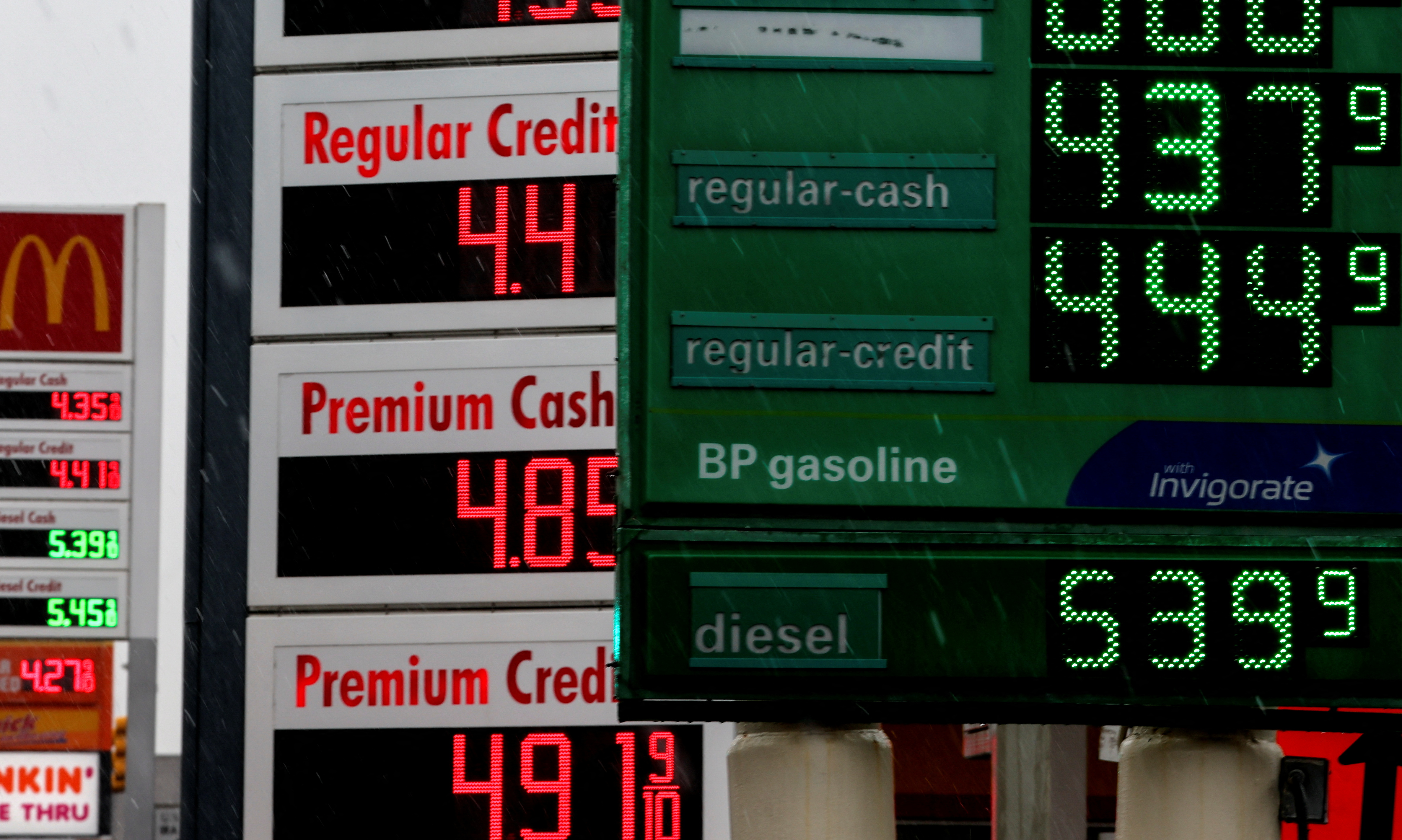
Gasoline prices in New York City are notoriously higher than the national average in the United States, and often exceed those in surrounding states like New Jersey, Connecticut, and Pennsylvania. While prices are subject to daily fluctuations based on global oil markets, seasonal demand, and geopolitical events, visitors can generally expect to pay a significant premium.
As an illustrative example, consider that while the national average might hover around $3.50 per gallon, New York City prices could easily be in the range of $4.00 to $4.50 or even higher for regular unleaded gasoline. Premium fuels will, of course, command an even greater price. Several key factors contribute to this elevated cost:
- Taxes: New York State and New York City impose various federal, state, and local taxes on gasoline. These include excise taxes, sales taxes, and other surcharges, which collectively add a substantial amount to the per-gallon price. These tax burdens are often among the highest in the nation, directly impacting consumers at the pump.
- Real Estate and Operational Costs: Operating a gas station in a densely populated urban area like New York City is incredibly expensive. The cost of land, rent for commercial properties, labor wages, and maintenance are significantly higher compared to rural or suburban areas. These overheads are naturally passed on to consumers through higher fuel prices. Think of the limited space for large stations, the logistical challenges of fuel delivery, and the necessity for competitive wages in a high-cost-of-living environment.
- Limited Competition and Supply Chains: Due to the high operational costs and scarce real estate, there are fewer gas stations within the five boroughs – Manhattan, Brooklyn, Queens, The Bronx, and Staten Island – especially in core areas like Manhattan. This reduced competition can allow existing stations to maintain higher prices. Furthermore, the complex logistics of transporting fuel into such a dense urban environment add to the overall supply chain costs.
- Demand: While many New York City residents rely on public transportation, there is still significant demand for gasoline from commercial vehicles, ride-sharing services, taxis, and a segment of the population that still owns and uses private cars. This consistent demand, coupled with limited supply, helps maintain elevated price levels.
For travelers, staying informed about current prices is advisable. Websites and apps like GasBuddy provide real-time price comparisons across different stations, which can be invaluable, especially if you plan to drive into or within the city. However, even with diligent searching, expect prices to remain higher than what you might typically encounter elsewhere in the United States.
Navigating New York City Transportation: Beyond the Pump
Given the high cost of gasoline and the notorious challenges of driving and parking in New York City, many visitors quickly realize that relying on a personal vehicle is often more of a hindrance than a convenience. The city is renowned for its comprehensive public transportation network, offering a more efficient and often more enjoyable way to explore its many attractions.
Public Transit: A Cost-Effective Alternative
The MTA (Metropolitan Transportation Authority) operates one of the most extensive public transit systems in the world, making it the backbone of urban mobility for millions.
- The Subway: The iconic New York City Subway is undoubtedly the fastest and most efficient way to travel between boroughs, especially Manhattan, Brooklyn, and Queens. With lines covering virtually every major neighborhood and tourist attraction, it operates 24/7. A single ride typically costs around $2.90, and weekly or monthly unlimited passes can offer significant savings for longer stays. Imagine zipping from your hotel near Times Square to a brunch spot in Greenwich Village or a museum in Upper East Side without a single worry about traffic or parking.
- Buses: For areas not directly served by the Subway or for more scenic surface travel, the MTA bus network is equally extensive. Buses are particularly useful for local travel within boroughs like Staten Island or to cross town when Subway routes are less convenient. Payment methods are the same as the Subway, using a MetroCard or OMNY contactless payment.
- Ferries: For unique perspectives and often faster travel, various ferry services connect different parts of the city. The free Staten Island Ferry offers spectacular views of the Statue of Liberty and the Manhattan skyline, making it a must-do for tourists. Other paid ferry services, like the NYC Ferry, connect waterfront neighborhoods, offering a pleasant way to bypass traffic and enjoy the city from the water.
Embracing public transit not only saves you money on gasoline, tolls, and parking but also immerses you more deeply in the local New York City lifestyle. Plus, you avoid the notorious stress of navigating dense traffic and finding expensive parking spots, freeing up your mental energy to focus on the wonders of the city.
Car Rentals and Ride-Sharing: When and Why
While a personal car isn’t recommended for daily exploration within Manhattan, there are specific scenarios where car rentals or ride-sharing services become practical or even necessary.
- Arrival and Departure: If you’re arriving at one of New York City’s airports like JFK Airport or LaGuardia Airport with heavy luggage, a taxi, Uber, or Lyft can be a convenient option to reach your hotel. Similarly, for departures, these services offer door-to-door convenience. However, be mindful of surge pricing during peak hours and remember that the high cost of gasoline contributes to the overall fare.
- Day Trips Beyond the City: If your itinerary includes venturing outside the immediate city limits—perhaps to the beautiful beaches of Long Island, the scenic Hudson Valley, or outlet shopping in New Jersey—renting a car for a day or two can be a smart choice. Car rental agencies are widely available, typically near airports or in certain neighborhoods. When planning such a trip, factor in not just the rental cost and gasoline, but also potential tolls (e.g., George Washington Bridge, Holland Tunnel) and parking fees at your destination.
- Accessibility Needs: For travelers with mobility challenges or specific accessibility requirements, a rented vehicle or dedicated ride-sharing service might offer greater flexibility and comfort than public transit, despite the higher associated costs. Always inquire about accessible vehicle options when booking.
When considering car rentals or ride-sharing, remember that New York City parking is notoriously expensive and difficult to find. Garage parking in Manhattan can easily run upwards of $40-$70 for a few hours or overnight. This needs to be a significant line item in your budget if you choose to drive. Many hotels, especially those in central areas, offer valet parking but at a premium price.
Budgeting for Your New York City Adventure

Understanding the cost of gasoline in New York City is just one piece of the puzzle when planning your travel budget. A holistic approach, considering all aspects of your trip, will ensure a smoother and more enjoyable experience.
Accommodation and Travel Styles
The choice of your accommodation can greatly influence your transportation needs and, by extension, your fuel consumption.
- Central Manhattan Hotels: Staying in a central location like near Times Square, Midtown, or the Theater District means you’ll be within walking distance or a short Subway ride of many major attractions such as the Empire State Building, Rockefeller Center, and Broadway shows. This significantly reduces the need for any car-based transport, saving on both gas and parking. Luxury hotels like the St. Regis New York or the Plaza Hotel in these areas offer unparalleled access to sights, often at a premium, but offset by lower transportation costs.
- Boutique Hotels in Brooklyn or Queens: Many travelers opt for charming boutique hotels or vacation rentals in vibrant neighborhoods like Williamsburg, DUMBO, or Long Island City. These areas often provide better value and a more local experience, with excellent Subway connections to Manhattan. While you might use public transit more frequently, the overall cost savings on accommodation usually outweigh any minor increase in transit fares.
- Budget-Friendly Options: For travelers on a tighter budget, hostels, extended-stay apartments, or more affordable hotels further from central Manhattan can be excellent choices. These accommodations often have great public transport access, allowing you to explore the city extensively without a car. When comparing hotels, always factor in the commute time and cost to your primary destinations. The website’s focus on “Accommodation (Booking, Reviews, Comparison, Long-term Stay…)” is highly relevant here, as strategic booking can significantly impact your overall travel costs.
Consider your personal “Lifestyle” when planning. A “Luxury Travel” experience might involve private car services, where fuel costs are embedded in the higher service fee. “Budget Travel” will lean heavily on public transport and walking. “Family Trips” might occasionally necessitate a taxi for convenience, especially with young children or extensive luggage, but daily car usage is rarely practical.
Exploring New York City on a Budget
Beyond transportation, savvy budgeting for your New York City adventure involves smart choices in dining, activities, and attractions.
- Free Attractions: New York City offers a plethora of free or low-cost activities. Walking across the Brooklyn Bridge, exploring Central Park, visiting St. Patrick’s Cathedral, or strolling through Grand Central Terminal are all iconic experiences that cost nothing. Many museums offer free admission days or “pay-what-you-wish” options.
- Food Tours and Local Eateries: While fine dining is a highlight for many, enjoying street food, visiting local markets, or grabbing a classic New York slice of pizza can be both delicious and budget-friendly. These experiences often bring you closer to the “Local Culture” aspect of “Tourism.”
- Walking Tours: Many companies offer free walking tours (tip-based) that provide fascinating insights into specific neighborhoods and their history. This is an excellent way to see landmarks and immerse yourself in the city’s narrative without incurring any transportation costs during the tour itself.
By minimizing reliance on personal vehicles and maximizing the use of New York City’s robust public transport system, travelers can significantly reduce their overall expenditure, leaving more room in their budget for unforgettable experiences, world-class dining, and unique shopping opportunities.
Impact on Tourism and Lifestyle
The high cost of gasoline in New York City undeniably shapes both the tourism landscape and the daily lifestyle of its residents. It encourages a shift towards sustainable and efficient urban mobility solutions, impacting everything from road trip planning to the adoption of electric vehicles.
Road Trips to the City That Never Sleeps
For many domestic and international travelers, a road trip into New York City is an exciting prospect. However, the fuel prices at the destination often lead to strategic planning. Visitors coming from states with lower gas prices, such as Pennsylvania or Maryland, often top off their tanks before crossing into New York State or the city limits. This simple tip can save a noticeable amount of money, especially for vehicles with larger fuel tanks.
Furthermore, once in the city, the strategy often shifts immediately to parking the car and relying solely on public transport or walking. Many hotels, particularly those outside of Manhattan or in adjacent New Jersey cities like Jersey City or Hoboken, offer more affordable parking options, coupled with convenient PATH train or ferry access into Manhattan. This “park and ride” approach is a popular choice for those who still wish to incorporate a road trip into their overall travel plans, but avoid the daily driving costs and frustrations within the city itself.
The website’s categories of “Travel (Destinations, Attractions, Guides, Experiences…)” and “Lifestyle (Luxury Travel, Budget Travel, Family Trips, Business Stays…)” are deeply intertwined with this decision-making process. A family on a budget might plan their road trip to culminate in parking the car for the duration of their NYC stay, relying on the Subway to explore landmarks like the Statue of Liberty and Museum of Modern Art. Business travelers flying in might simply rent a car for specific client meetings outside the city core, otherwise opting for taxis or public transport.
The Future of Urban Mobility for Travelers
The landscape of transportation in New York City is continuously evolving, influenced by high fuel costs, environmental concerns, and technological advancements.
- Electric Vehicles (EVs): The rise of electric vehicles presents an interesting dynamic. While EV owners avoid gasoline costs entirely, charging infrastructure in a dense urban environment like New York City can still be a challenge. Public charging stations are becoming more prevalent, particularly in parking garages and select streets, but they are not as ubiquitous as in other areas. For EV owners visiting, researching charging options near their accommodation or planned activities is essential. Some hotels are now beginning to offer EV charging as an amenity, catering to a growing segment of travelers.
- Micro-mobility: Bike-sharing programs like Citi Bike have become integral to New York City’s transit fabric, offering a flexible and fun way to cover shorter distances. For active travelers, cycling through Central Park or along the Hudson River Greenway offers not only a scenic experience but also a zero-fuel way to explore.
- Walking: Perhaps the most enduring and quintessential New York City experience is simply walking. The city’s grid layout, vibrant street life, and compact neighborhoods make it incredibly walkable. From exploring the historic streets of Greenwich Village to window shopping along Fifth Avenue, walking allows you to truly absorb the atmosphere, stumble upon hidden gems, and discover the local culture at your own pace. This aligns perfectly with the “Experiences” and “Local Culture” aspects of travel and tourism.
In conclusion, while gasoline prices in New York City are undoubtedly high, they should not deter anyone from experiencing this incredible destination. Instead, they serve as a powerful incentive to embrace the city’s exceptional public transportation system and vibrant pedestrian culture. By planning wisely, leveraging digital tools, and making informed choices about accommodation and daily travel, visitors can navigate the Big Apple efficiently and affordably, ensuring their focus remains on creating unforgettable memories rather than worrying about the cost at the pump. New York City offers a world of attractions, from iconic landmarks to hidden culinary delights, and experiencing them is best done by immersing yourself in the rhythm of the city, often foot by foot, or subway stop by subway stop.
LifeOutOfTheBox is a participant in the Amazon Services LLC Associates Program, an affiliate advertising program designed to provide a means for sites to earn advertising fees by advertising and linking to Amazon.com. Amazon, the Amazon logo, AmazonSupply, and the AmazonSupply logo are trademarks of Amazon.com, Inc. or its affiliates. As an Amazon Associate we earn affiliate commissions from qualifying purchases.