
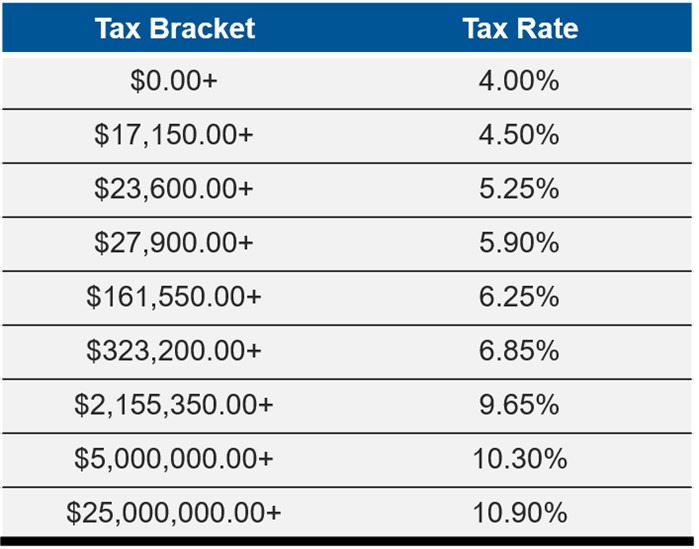
When planning a trip to the Empire State, whether for a bustling city break in New York City, a serene escape to the Adirondacks, or a charming vineyard tour in the Finger Lakes, understanding the financial landscape is crucial. While New York is renowned for its iconic landmarks, world-class dining, and diverse lifestyle offerings, it’s also important to consider the various taxes that can impact your budget. For visitors and even potential residents, the question of “How Much Is Income Tax In New York?” might seem complex, especially when contrasted with the more readily available information about sales tax or accommodation fees. However, for the transient traveler, income tax is generally not a direct concern. This article will delve into understanding New York‘s tax structure as it pertains to visitors, distinguishing it from the implications for residents, and offering insights relevant to enjoying all that New York has to offer.
Understanding Income Tax in New York: A Visitor’s Perspective
For tourists and short-term visitors, the concept of New York income tax is typically not applicable. New York State imposes income tax on individuals who are residents of the state or who earn income within the state. As a visitor, unless you are engaging in significant economic activity that establishes you as a resident or a source of income within New York, you will not be subject to its income tax.
Residency for Tax Purposes
Determining residency is the primary factor in New York income tax. The state defines a resident as an individual who is domiciled in New York at any time during the tax year, or who maintains a permanent home in New York and spends more than 183 days in the state during the tax year. Domicile refers to the place where you intend to return and remain indefinitely. For travelers exploring destinations like Saratoga Springs or enjoying the beaches of Long Island, a temporary stay, even for an extended vacation of several weeks, does not typically constitute establishing New York as your domicile or permanent home.
Income Earned Within New York
Even if you are not a resident, New York has a “source income” rule. This means if you earn income from sources within New York State, you may be required to file a New York tax return and pay tax on that income. Examples of source income for non-residents might include:
- Wages for services performed in New York: If you are traveling for business and your employer sends you to New York to perform work, the income earned during that period could be considered New York source income. This is distinct from receiving a salary while living in another state and visiting New York for leisure.
- Rental income from property located in New York: If you own a property in New York and rent it out, the income derived from that rental is subject to New York tax, regardless of where you reside.
- Business income attributable to New York: If you have a business with operations or significant sales in New York, a portion of your business income may be taxable in the state.
However, for the vast majority of tourists visiting iconic locations like Times Square or enjoying a family trip to Niagara Falls, these scenarios are not relevant. Your primary financial considerations will revolve around accommodation, dining, activities, and potentially sales tax, rather than income tax.
Beyond Income Tax: Financial Considerations for Travelers in New York
While income tax is a concern for residents and those earning a livelihood in New York, visitors should be more attuned to other financial aspects of their trip. These include sales tax, accommodation taxes, and the general cost of living and experiencing New York‘s vibrant offerings.
Sales Tax in New York
New York State imposes a statewide sales tax, which is supplemented by local sales taxes in most counties. This means the total sales tax rate can vary depending on the specific location you are visiting. For instance, the sales tax rate in New York City is higher than in many other parts of the state.

- Statewide Sales Tax: Currently stands at 4%.
- Local Sales Tax: Varies by county, typically ranging from 3% to 4.875%.
- Combined Rate: The combined state and local sales tax rate can range from 7% to over 8.875% in popular tourist destinations.
This tax is applied to the sale of tangible personal property and certain services. When purchasing souvenirs in Manhattan, dining at a restaurant in the Hudson Valley, or booking a tour of a historical site like Schenectady, the sales tax will be added to the final price. It’s wise to factor this into your budget for everyday purchases.
Accommodation Taxes
Hotels, resorts, apartments, and villas in New York are subject to not only sales tax but also additional occupancy taxes levied by both the state and local municipalities. These taxes are often bundled into the final price you see when booking your stay through platforms like Booking.com or directly with establishments such as the Plaza Hotel or a cozy bed and breakfast in Cooperstown.
- Hotel Occupancy Tax: This tax is levied on the rental of hotel rooms and varies significantly by location. New York City, for example, has some of the highest hotel occupancy taxes in the country.
- Purpose of Taxes: These taxes are often earmarked to fund tourism promotion, infrastructure improvements, and local services that enhance the visitor experience.
When comparing accommodation options, whether you’re looking for a luxury suite at the Ritz-Carlton Central Park or a budget-friendly apartment rental, always review the breakdown of charges to understand the full cost, including all applicable taxes. This transparency is crucial for effective travel budgeting.
Lifestyle and Budgeting for Your New York Experience
The cost of experiencing New York can range from the most luxurious lifestyle travel to budget-friendly adventures. Understanding the tax implications, as discussed, is part of the broader budgeting process.
Luxury Travel
For those indulging in luxury travel, a stay at a five-star resort like the Mohonk Mountain House or experiencing fine dining in SoHo will naturally come with higher price tags. While income tax won’t be a factor for a visitor, the sales tax on goods and services, along with potential service charges and gratuities, will contribute to the overall expenditure. High-end hotels and experiences often include sophisticated amenities and services, which are reflected in their pricing, before any taxes are applied.
Budget Travel
Even on a budget, New York offers incredible experiences. Exploring free attractions like Central Park, walking across the Brooklyn Bridge, or visiting numerous free museums on specific days can significantly reduce spending. When purchasing food from delis or street vendors, or opting for more affordable accommodation like hostels or budget hotels outside of prime Manhattan areas, sales tax will still apply. Planning your itinerary to include cost-effective options is key, and knowing that sales tax is a constant factor helps in estimating your daily expenses.
Family Trips and Business Stays
Family trips often involve a mix of activities, dining, and accommodation, all subject to sales and occupancy taxes. Similarly, business stays, even if short, will incur these costs. The primary difference for business travelers might be potential reimbursements from employers, which can alter personal budgeting but not the tax itself. Long-term stays, such as renting an apartment for several months while working on a project, might have different tax considerations, but for typical visitor stays, the focus remains on sales and occupancy taxes.
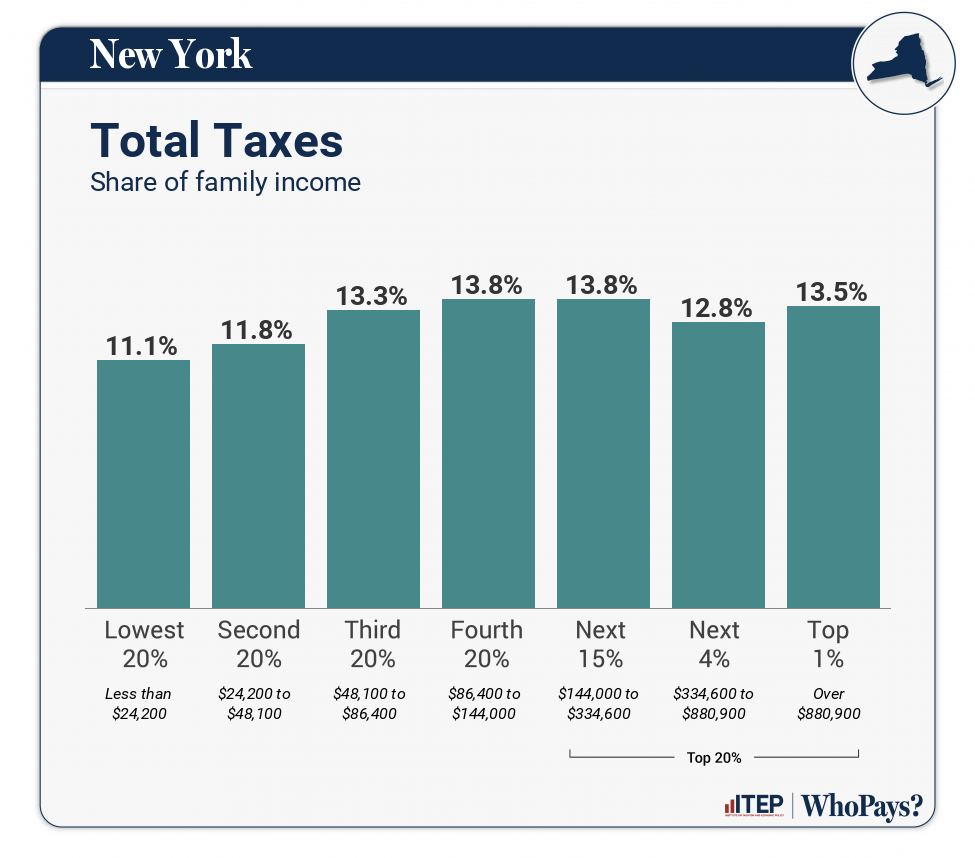
In conclusion, the question of “How Much Is Income Tax In New York?” is largely irrelevant for most visitors. New York‘s income tax is designed to tax residents and those earning income within the state. Instead, travelers should direct their attention to understanding New York‘s sales tax and occupancy taxes, which are integral to the cost of accommodation, dining, and shopping. By being aware of these financial elements, you can better plan your budget and fully enjoy the diverse and captivating experiences that New York has to offer, from the bright lights of Broadway to the natural beauty of Lake Placid.