
Embarking on a journey through the Sunshine State of Florida promises sun-drenched beaches, thrilling attractions, and a vibrant culture. Whether you’re a long-term resident, a new transplant planning an extended stay, or considering a significant lifestyle change that involves purchasing a vehicle, understanding the costs associated with car registration is a crucial first step. It’s not merely a bureaucratic formality; it’s the gateway to unlocking the freedom of the open road, allowing you to seamlessly explore everything from the bustling urban landscapes of Miami and Orlando to the tranquil natural beauty of the Everglades National Park and the pristine sands of the Gulf Coast.
Car registration in Florida can seem a little complex, especially for newcomers from other states or those purchasing a vehicle for the first time within the state. However, armed with the right information, the process becomes straightforward, ensuring you can focus on enjoying the unparalleled travel and tourism opportunities this dynamic state offers. From planning a family trip to Walt Disney World Resort or Universal Orlando Resort, to discovering hidden gems along the Atlantic Coast, a properly registered vehicle is your essential companion.
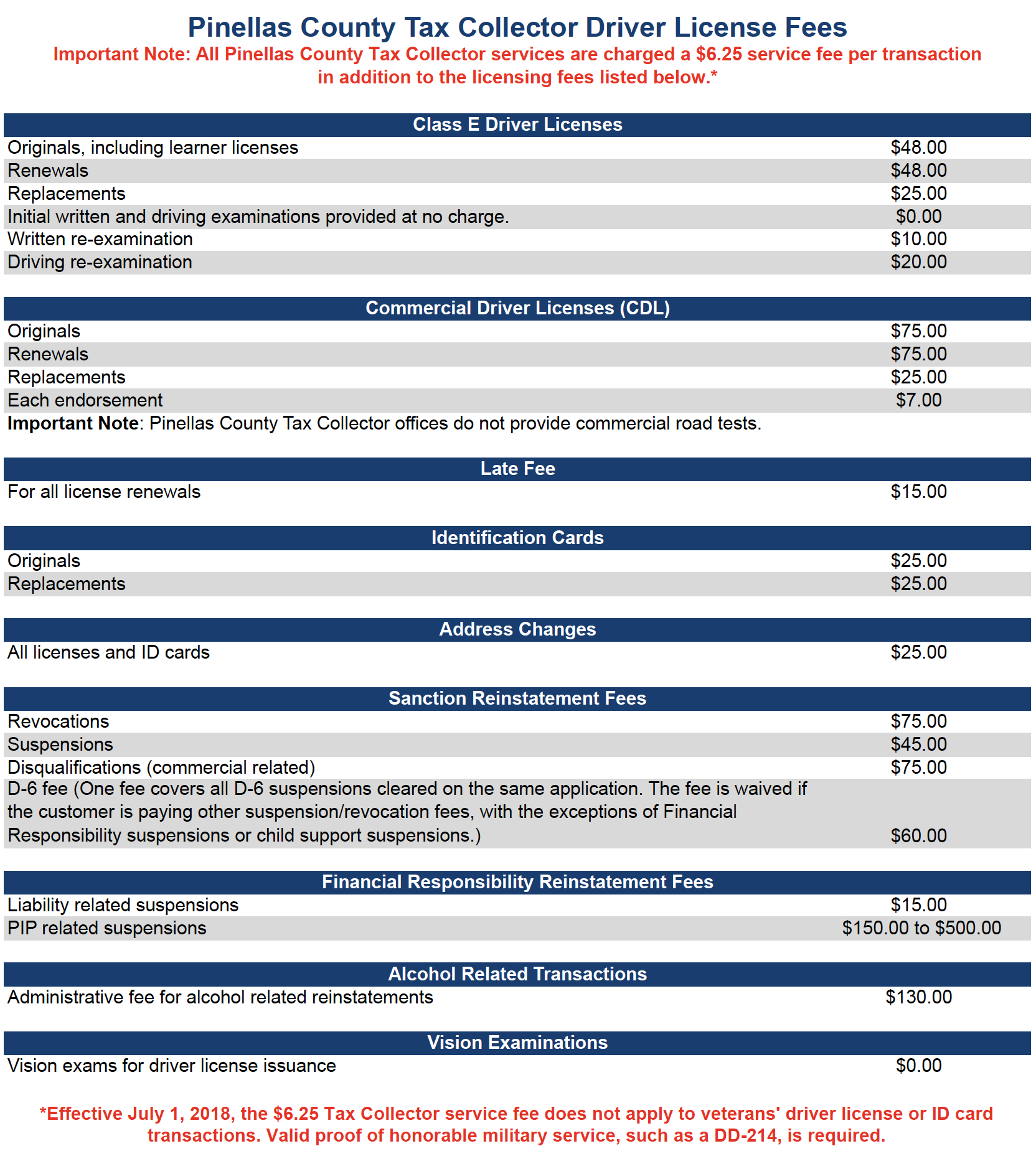
This comprehensive guide will demystify the costs and processes involved in registering a car in Florida, covering everything from initial fees for new residents to annual renewal expenses. We’ll also delve into how these costs fit into the broader context of your Florida lifestyle, whether you’re seeking luxury travel experiences or navigating the state on a budget, ensuring your vehicle contributes positively to your adventures without unexpected financial hurdles.
Understanding Florida’s Vehicle Registration Landscape
The cost to register a car in Florida isn’t a single, fixed fee that applies to everyone. Instead, it’s a combination of several factors, including whether you’re registering a car for the first time in the state, if you’ve recently purchased a new or used vehicle, and even the type and weight of your vehicle. The Florida Highway Safety and Motor Vehicles (FLHSMV) is the governing body for all vehicle-related services, and their regulations dictate the fees and procedures. Understanding the distinctions between initial registration and subsequent renewals is crucial for budgeting and planning your stay, especially if you’re considering Florida for long-term accommodation or even a permanent relocation.
Initial Registration vs. Renewal
The primary distinction in registration costs lies between the initial registration for a vehicle never before registered in Florida and the annual renewal process.
- Initial Registration: For new residents bringing an out-of-state vehicle, or for anyone purchasing a new or used vehicle that has not been previously titled and registered in Florida, the costs are generally higher. This is due to a one-time “New Resident Fee” (also known as the initial registration fee) that helps cover administrative costs and ensures all vehicles on Florida roads meet state standards. This fee is a significant component of the initial outlay and is something every new resident or first-time vehicle registrant in Florida must account for. It’s an important consideration for anyone planning a move, as it impacts the initial budget for settling into a new home or extended stay.
- Annual Renewal: Once your vehicle is initially registered, the subsequent annual renewals are considerably less expensive. These fees primarily cover the cost of your license plate decal (sticker) and administrative charges. The renewal process is typically simpler, often completable online, and serves as a recurring, predictable expense for vehicle owners in Florida. This predictable cost allows residents and long-term visitors to better plan their finances, whether they are enjoying the luxury travel options or managing a budget-conscious lifestyle.
Key Factors Influencing Your Costs
Several variables play a role in determining your specific registration fees:
- Vehicle Weight: Many Florida registration fees are tiered based on the vehicle’s weight. Heavier vehicles, such as large SUVs or trucks, generally incur higher fees than lighter passenger cars. This is a common practice across many states in the United States and reflects the wear and tear heavier vehicles impose on road infrastructure.
- Type of Vehicle: Motorcycles, recreational vehicles (RVs), and commercial vehicles have different fee structures than standard passenger cars. If you’re planning a cross-country adventure in an RV, exploring the state’s numerous landmarks and national parks, be sure to check the specific registration costs for that vehicle type.
- License Plate Type: Florida offers a vast array of specialty license plates, supporting various causes, colleges, and organizations. While a standard license plate is included in the basic fees, choosing a specialty plate comes with an additional annual fee. These personalized touches can add a unique flair to your vehicle, reflecting your interests as you travel through destinations like St. Augustine or Key West, but they also add to your recurring costs.
- County-Specific Fees: While most fees are statewide, some counties may impose small additional surcharges. It’s always a good idea to check with your specific county’s tax collector’s office for the most accurate and localized information. For instance, registering a vehicle in Miami-Dade County might have a slightly different total than in a smaller, rural county.
Understanding these factors upfront helps you estimate your costs more accurately, allowing for better financial planning, whether you’re booking hotels for a vacation, researching long-term accommodation, or simply budgeting for daily living expenses in Florida.
Deconstructing the Costs: What You’ll Actually Pay
Beyond the general factors, let’s break down the specific components that contribute to the overall cost of registering a car in Florida. This detailed look will help you prepare for the financial commitment, ensuring no surprises as you navigate the state’s travel, tourism, and lifestyle offerings.
The Initial Registration Fee for New Residents
The most significant one-time fee for new residents or those bringing a vehicle from out of state is the Initial Registration Fee, often referred to as the “new resident fee.” This fee is $225. It’s a standard charge designed to cover the administrative costs of integrating your vehicle into the Florida system. This fee is waived if you are renewing a registration that expired less than 12 months ago or if you transferred a valid Florida license plate to the new vehicle (though other fees would still apply). This $225 fee is a critical item to budget for when you’re moving to Florida, alongside other relocation expenses like securing accommodation or setting up utilities.
Title, Plate, and Other Essential Charges
In addition to the initial registration fee, several other charges are involved:
- Vehicle Title Fee: When you purchase a vehicle, whether new or used, you must apply for a Florida title in your name. The title fee for an electronic title is typically $77.25. If you opt for a paper title, it might be slightly higher due to printing and mailing costs. This fee is separate from registration and establishes your legal ownership of the vehicle within the state.
- License Plate Fee (Standard Plate): When you register your vehicle, you’ll be issued a license plate. The cost for a standard Florida license plate is typically around $28. This covers the physical plate itself.
- Registration Fee (Annual/Biennial): This is the recurring fee based on your vehicle’s weight and type. For a typical passenger vehicle, these fees range from approximately $27 to $36 for a one-year registration. For example, a vehicle weighing less than 2,500 pounds might be around $27.10, while one weighing 3,500 to 4,499 pounds could be around $35.60. These fees are usually collected annually, but some categories might allow for biennial registration.
- Sales Tax (if applicable): If you purchased your vehicle from a dealership or private seller in Florida, you will pay Florida sales tax, which is 6% of the purchase price. In some counties, there might be an additional discretionary sales surtax on top of the state sales tax. For instance, if you bought a car for $20,000, you would pay $1,200 in state sales tax, plus any local surtax. This is a significant cost, especially for new vehicle purchases, and must be paid at the time of titling and registration. If you moved from another state and paid sales tax there, Florida offers a credit for sales tax paid in the previous state, preventing double taxation, provided certain conditions are met.
- Additional Fees:
- Lien Recording Fee: If you have a loan on your vehicle, a lien will be recorded on the title, incurring a fee of around $2.
- Initial Metal Plate Fee: For your very first Florida license plate, there might be a metal plate fee of approximately $28.
- Administrative Fees: Small fees for processing transactions at the county tax collector’s office.
Combining these elements, a new resident registering a standard passenger vehicle purchased in Florida could look at an initial cost upwards of $400-$500, not including sales tax. For example:
- Initial Registration Fee: $225
- Title Fee: $77.25
- Standard Plate: $28
- Annual Registration (e.g., mid-weight car): $35.60
- Lien Recording Fee (if applicable): $2
- Total (without sales tax): Approximately $367.85. Add sales tax (e.g., 6% of $20,000 = $1,200), and the total could easily exceed $1,500 for the initial process.
Sales Tax Considerations for Vehicle Purchases
The sales tax component warrants extra attention, particularly for those integrating into the Florida lifestyle or planning their long-term accommodation. The 6% state sales tax on vehicle purchases is applied to the net purchase price of the vehicle, after any trade-in allowances. Many counties also have a discretionary sales surtax, which is an additional percentage (typically 0.5% to 1.5%) applied to the first $5,000 or $10,000 of the purchase price, depending on the county.
For new residents moving from another state, Florida offers a credit for sales tax paid in the prior state, provided the vehicle was owned for at least six months or if the sales tax paid in the previous state was equal to or greater than Florida’s tax. This credit helps alleviate the financial burden for individuals and families relocating, enabling them to allocate more of their budget towards exploring Florida’s attractions or enhancing their travel experiences. This policy makes the transition smoother, whether you’re moving to the bustling city of Tampa or the quieter shores of Sarasota.

The Registration Process: A Step-by-Step Guide
Navigating the car registration process in Florida is a key step towards fully embracing the state’s diverse tourism and lifestyle opportunities. Whether you’re planning extensive road trips to places like Destin in the Panhandle or simply need a reliable vehicle for daily commutes in Jacksonville, understanding the process ensures a smooth start.
Required Documentation
Before you visit a local tax collector’s office or license plate agent, gather all necessary documents to avoid delays. For most initial registrations, particularly for new residents, you will need:
- Proof of Identity: A valid driver’s license (from Florida or another state, if you’ve recently moved).
- Proof of Florida Insurance: This is mandatory. Florida requires Personal Injury Protection (PIP) of at least $10,000 and Property Damage Liability (PDL) of at least $10,000. Your insurance company must be authorized to do business in Florida.
- Vehicle Title or Manufacturer’s Statement of Origin (MSO): If the vehicle is new, you’ll have an MSO. If it’s used, you’ll need the original title, properly endorsed by the seller, along with a bill of sale.
- Proof of Sales Tax Payment: If you purchased the vehicle in Florida from a dealer, they would typically handle this. If purchased from a private party, you’ll pay sales tax at the time of registration. For out-of-state vehicles, bring proof of sales tax paid in the previous state if you want to claim a credit.
- Odometer Disclosure Statement: Required for vehicles less than 10 years old.
- Vehicle Identification Number (VIN) Verification: For out-of-state vehicles, a VIN verification is required. This can often be done by a Florida notary, a law enforcement officer, or certain dealerships.
- Lienholder Information (if applicable): If you have a loan, you’ll need the name and address of your lienholder.
- Application for Certificate of Title With/Without Registration (Form HSMV 82040): This form needs to be accurately completed.
Having all these documents organized will expedite your visit, allowing you more time to explore landmarks or plan your next travel destination.
Where to Complete Your Registration
Vehicle registration in Florida is handled by the county tax collector’s offices or their authorized license plate agents. While the Florida Highway Safety and Motor Vehicles (FLHSMV) sets the policies, the actual transactions occur at the local level.
- In-Person: This is typically required for initial registrations, especially for out-of-state vehicles needing VIN verification. You can find your nearest county tax collector’s office online. It’s advisable to check their website for specific hours, required documents, and whether appointments are necessary.
- Online/Mail: For annual renewals, these options are widely available and very convenient. You can typically renew your registration online through the FLHSMV portal or your county tax collector’s website. This ease of renewal supports a flexible lifestyle, whether you’re a snowbird splitting time between properties or a digital nomad exploring various Florida cities.
Preparing for Your Florida Adventure: Beyond Registration
Once your car is registered, the entire state of Florida opens up before you. Consider this part of the broader preparation for your Florida experience, akin to booking the perfect hotel or planning your itinerary.
- Explore Florida Road Trips: With your registered vehicle, you can embark on unforgettable journeys. Drive down to the Florida Keys, explore the historic streets of St. Augustine, or discover the natural springs near the St. Johns River.
- Consider Tolls: Florida has many toll roads. Investing in a SunPass transponder can save you money and time, making travel smoother, especially around metropolitan areas like Orlando and Miami.
- Regular Maintenance: Keep your vehicle well-maintained. The Florida climate, with its intense sun and humidity, can be taxing on vehicles. Regular checks ensure your car is always ready for your next adventure.
- Stay Informed: Keep an eye on updates from the FLHSMV regarding any changes to fees or regulations. This ensures you remain compliant and your travel plans are never disrupted.
Driving Freedom and Florida Lifestyle: Maximizing Your Registered Vehicle
Registering your car in Florida is more than just fulfilling a legal requirement; it’s an investment in your personal freedom and an enhancement of your Florida lifestyle. Whether you’re seeking to immerse yourself in local culture, embark on budget travel escapades, or indulge in luxury experiences, a properly registered vehicle empowers you to explore the state on your own terms.
Exploring Florida’s Iconic Destinations
With your vehicle legally on the road, the possibilities for exploration become boundless. Florida is a treasure trove of destinations, from world-renowned theme parks to serene natural preserves, and your car is the key to unlocking them all.
- Theme Park Adventures: Drive to Orlando to experience the magic of Walt Disney World Resort or the thrills of Universal Orlando Resort. Having your own car means flexibility in your schedule, allowing you to arrive early, stay late, and even explore nearby attractions on International Drive or visit Legoland Florida Resort in Winter Haven without relying on costly shuttles or rideshares.
- Beach Escapes: Florida boasts some of the world’s most beautiful beaches. Cruise down to South Beach in Miami for vibrant nightlife, discover the soft sands of Siesta Key near Sarasota, or relax on the family-friendly shores of Clearwater Beach. A car allows you to visit multiple beaches in a single day, searching for the perfect sunset view or the most secluded spot.
- Natural Wonders and Landmarks: Access to places like Everglades National Park, Biscayne National Park, or the remote Dry Tortugas National Park (which requires a ferry from Key West, but a car gets you to Key West). Explore the unique ecosystems, go kayaking, or enjoy bird watching. Drive north to Blue Spring State Park to see manatees or visit Weeki Wachee Springs State Park for its famous mermaid shows. These experiences are far more accessible with your own transport.
- Historic Cities and Culture: Wander through the cobblestone streets of St. Augustine, the oldest continuously inhabited European-established settlement in the United States. Explore the art deco architecture of Fort Lauderdale or the Cuban influences in Miami’s Little Havana. Your car allows you to delve into the rich history and diverse local culture at your own pace.
- Space Coast Exploration: A trip to the Kennedy Space Center Visitor Complex offers an awe-inspiring look at space exploration. Having a car means you can combine this with a visit to the beaches of Cocoa Beach or Daytona Beach, making for a well-rounded trip.
For those planning to stay in various hotels or accommodations across the state, from luxury resorts in Naples to quaint boutique hotels in Amelia Island, a registered car offers unparalleled convenience and flexibility.
The Convenience for Residents and Long-Term Visitors
Beyond tourism, a registered vehicle is fundamental to the day-to-day lifestyle in Florida for residents and those on long-term stays.
- Daily Commutes and Errands: In many Florida cities, public transportation options can be limited. A car is often essential for commuting to work, grocery shopping, or attending appointments, providing a level of independence crucial for integrating into the community.
- Family Life: For families, a car is invaluable for school drop-offs, extracurricular activities, and weekend outings to attractions like Busch Gardens Tampa Bay or local parks. It facilitates family trips and ensures comfort and convenience, especially when traveling with children.
- Retirement and Leisure: Many retirees choose Florida for its pleasant climate and active lifestyle. A registered car enables them to pursue hobbies, join clubs, visit friends, and access healthcare facilities with ease, maintaining an active and independent life.
- Budget vs. Luxury Travel: Whether you’re on a tight budget or seeking luxury travel, having your own vehicle offers control. Budget travelers can save on costly taxis or ride-shares, choosing more affordable accommodation further from city centers. Luxury travelers can effortlessly move between high-end resorts and exclusive dining experiences, enjoying seamless transitions.
In conclusion, the cost to register a car in Florida is an investment in your mobility and freedom within one of North America’s most sought-after destinations. By understanding the fees, preparing the necessary documents, and navigating the process, you unlock countless opportunities for travel, tourism, and a rich Florida lifestyle. It’s a vital step towards making the most of everything the Sunshine State has to offer.