
Navigating the process of transferring a vehicle title in the Sunshine State involves a few key steps and associated costs. Whether you’re buying a new car, selling your current one, or gifting it to a family member, understanding the fees and requirements is crucial for a smooth transaction. This guide will break down the typical expenses involved in a title transfer in Florida, offering insights relevant to various travel and lifestyle scenarios where vehicle ownership might change hands.
Understanding the Core Costs of a Florida Title Transfer
The primary expense associated with transferring a vehicle title in Florida is the title fee itself, which is a state-mandated charge. This fee is paid to the Florida Department of Highway Safety and Motor Vehicles (FLHSMV) to officially record the change in ownership. While the base title fee is generally consistent, additional costs can arise depending on the specific circumstances of the transfer, such as whether you’re also registering the vehicle or if there are outstanding liens.
The Title Fee: A Standard Charge
The standard fee for a new title in Florida is a fixed amount. As of recent guidelines, this fee is typically around $75.25. This amount covers the administrative costs of processing the title application and issuing a new document that reflects the new owner. It’s important to note that this fee is separate from any registration fees or sales tax that might also be applicable. When you purchase a vehicle, especially from a private seller or a dealership outside of Florida, the title fee is one of the initial payments you’ll encounter. For instance, if you’ve just arrived for a luxurious extended stay at a resort like the Ritz-Carlton Orlando, Grande Lakes and decide to purchase a local vehicle for your explorations, this title fee will be part of that initial ownership transfer cost.
Additional Fees and Surcharges
Beyond the base title fee, other charges can contribute to the overall cost. These can include:
- Lien Fee: If the vehicle has an existing lien (e.g., a car loan), there’s a small fee to record that lien on the title. This is usually a nominal amount, often around $2.00. When a vehicle is financed, the lender holds a lien until the loan is fully repaid. Transferring ownership of a financed vehicle requires acknowledgment of this lien by the state.
- Transfer Fee: In some instances, particularly when transferring a title from one person to another without a sale (like a gift), there might be a small transfer fee in addition to the title fee. However, this is often encompassed within the primary title application process.
- Sales Tax: A significant cost that can be associated with a title transfer, especially when purchasing a vehicle, is sales tax. Florida imposes a sales tax on the purchase price of vehicles. The standard sales tax rate in Florida is 6%, with an additional 1% county discretionary sales surtax in most counties. This tax is calculated on the “taxable value” of the vehicle, which is generally the purchase price, unless the vehicle is eligible for an exemption (like certain family transfers). This can significantly increase the total amount you pay when acquiring a vehicle. For example, buying a used car for your family road trip across the state, from Miami to Key West, could involve substantial sales tax.
- Registration Fees: While not strictly a title transfer fee, you will almost always need to register a vehicle after transferring its title. Registration fees vary based on the vehicle’s weight and type. These fees are annual and contribute to the upkeep of roads and other transportation infrastructure. It’s a cost that, while separate from the title transfer itself, is intrinsically linked to gaining legal operation of the vehicle.
Factors Influencing the Total Cost
The exact amount you’ll pay to transfer a title in Florida can fluctuate based on several contributing factors. Understanding these variables will help you budget more accurately for your vehicle ownership change.
The Nature of the Transfer: Purchase, Gift, or Inheritance
The reason for the title transfer can impact the associated costs, particularly concerning sales tax.
- Purchase: When you buy a vehicle, whether from a dealership or a private seller, you will be responsible for paying the title fee and, crucially, the sales tax on the purchase price. This is where the cost can be most substantial. For a tourist who decides to make a significant purchase, perhaps a classic convertible for cruising down Ocean Drive in South Beach, the sales tax alone could be a considerable amount.
- Gift: If a vehicle is gifted to a family member, there are often exemptions from sales tax. However, the title fee will still apply. This makes gifting a more cost-effective way to transfer ownership than a sale. For instance, a parent gifting a car to their child before they head off to college in Gainesville would likely only incur the title fee.
- Inheritance: Similar to gifts, inheritances often have provisions that exempt the transfer from sales tax. The title fee remains. This can be a relief for beneficiaries dealing with the practicalities of settling an estate, especially if a vehicle like a boat trailer is involved for trips to the Everglades National Park.
Vehicle Type and Age
While the base title fee is generally consistent, the type and age of the vehicle can indirectly influence costs. For example, older vehicles might have different registration fee structures compared to newer ones. Additionally, if a vehicle is being imported or has a title from another state or country, there might be additional inspection or documentation fees involved before a Florida title can be issued. This is less common for the average tourist but could apply to someone relocating permanently with a unique vehicle.
Location Within Florida
As mentioned, county discretionary sales surtaxes can add to the overall sales tax burden. While the state rate is 6%, individual counties can add up to 1% more. This means the total sales tax on a vehicle purchase could range from 6% to 7% depending on the county where the transaction is finalized and the vehicle will be registered. This is a detail to be aware of if you are comparing prices or planning your purchase across different Florida counties, perhaps when deciding between staying in a quaint bed and breakfast in St. Augustine or a luxury suite in Tampa.
How to Pay and Where to Go
To complete a title transfer in Florida, you will need to visit your local county tax collector’s office or a Florida Department of Highway Safety and Motor Vehicles (FLHSMV) branch.
Required Documentation
Before heading to the office, ensure you have all the necessary paperwork. This typically includes:
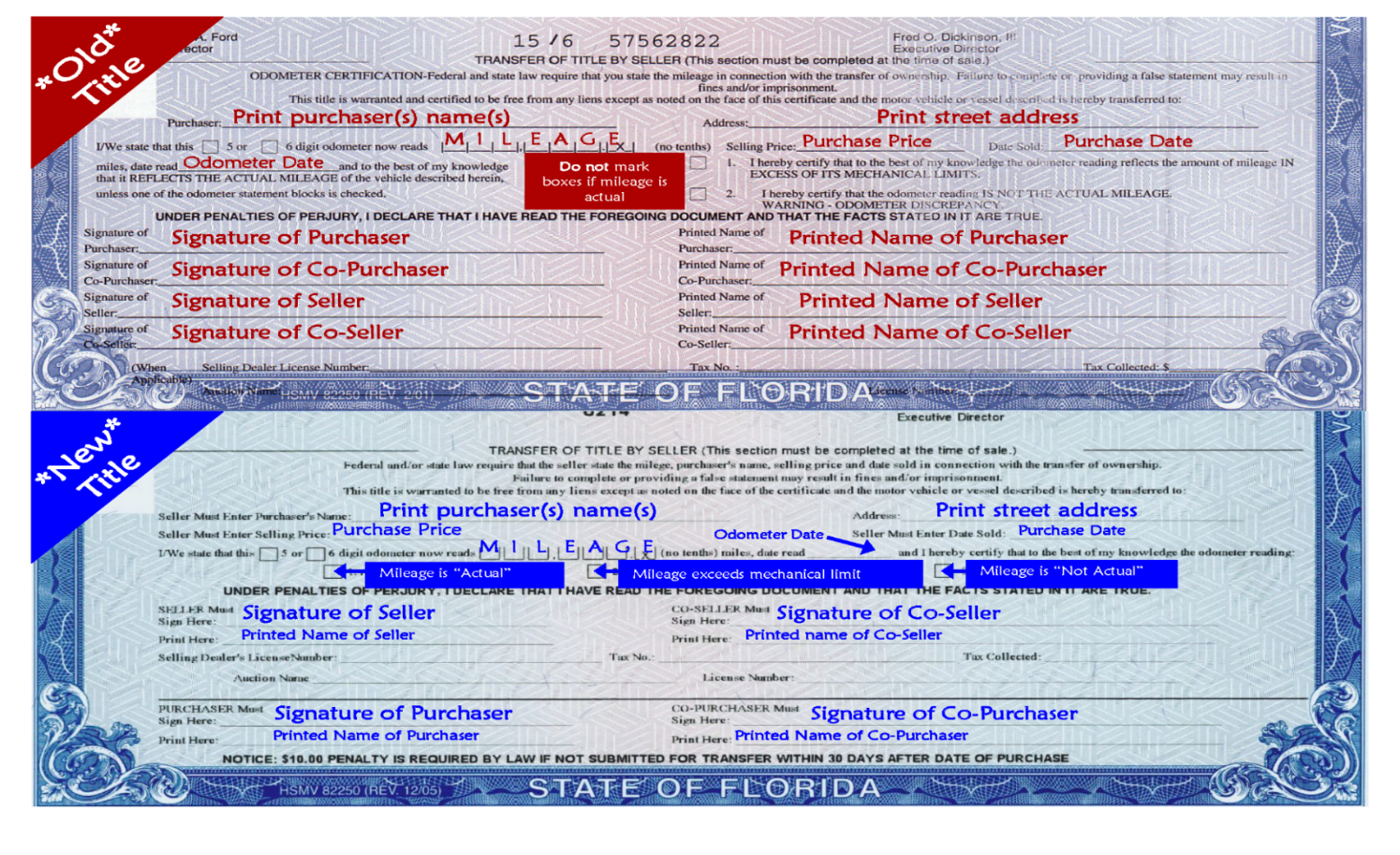
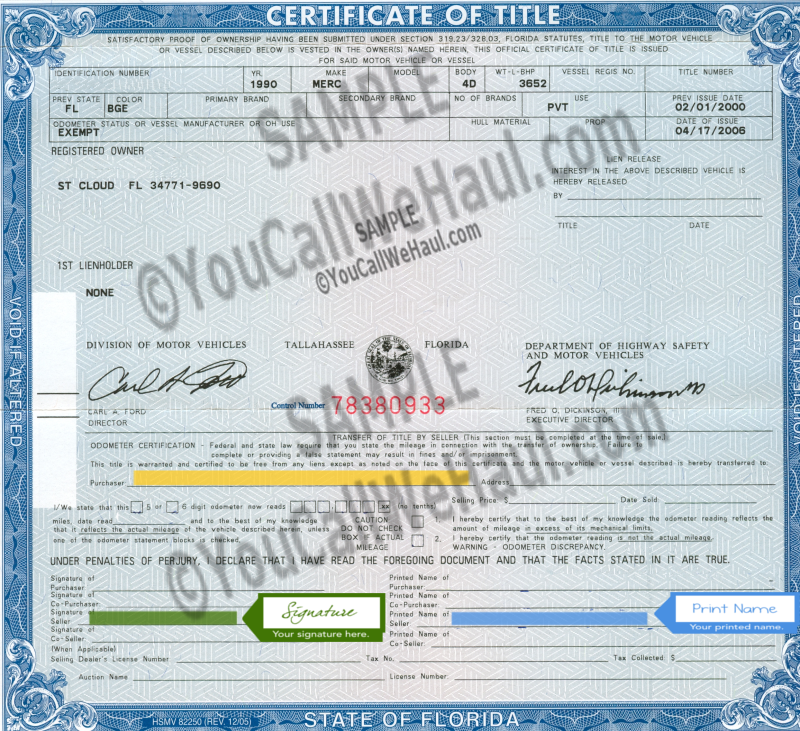
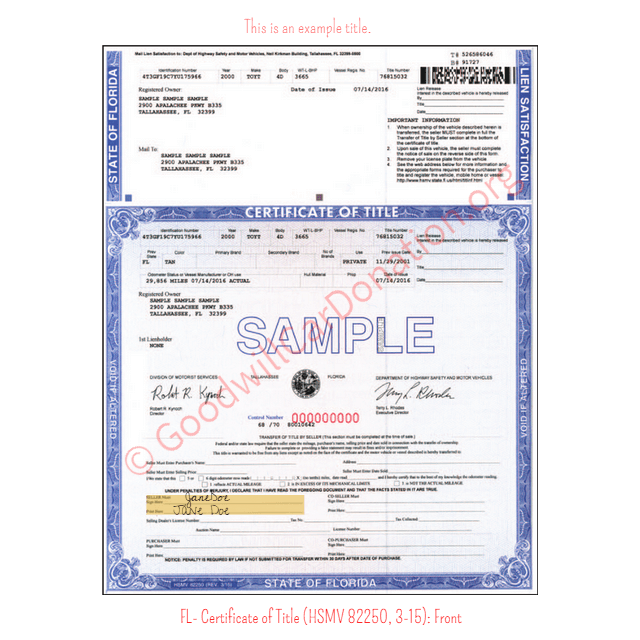
- Proof of Ownership: The existing vehicle title, properly endorsed by the seller(s) and buyer(s).
- Identification: A valid Florida driver license or identification card for the new owner.
- Proof of Insurance: Valid Florida auto insurance is required before a vehicle can be registered and titled.
- Bill of Sale: For private sales, a bill of sale detailing the purchase price, date, and vehicle information is often required.
- Odometer Disclosure Statement: This is typically part of the title transfer process.
Payment Methods
Most county tax collector offices accept payment in the form of cash, checks, money orders, and major credit/debit cards. It’s advisable to check with your specific county office beforehand to confirm their accepted payment methods. For tourists unfamiliar with local payment practices, having a mix of payment options is always a good idea.
By understanding these costs and requirements, you can efficiently manage the process of transferring a vehicle title in Florida, whether you’re a local resident or a visitor planning an extended stay and considering a temporary vehicle for your adventures, perhaps after exploring the historical sites of St. Augustine or enjoying the theme parks in Orlando. The transparency in these fees ensures that you can budget effectively for your transportation needs within the Sunshine State.