
Welcome to the Heart of Dixie, a state rich in history, natural beauty, and a distinctive Southern charm that captivates travelers from around the globe. From the white-sand beaches of the Alabama Gulf Coast to the majestic foothills of the Appalachian Mountains, Alabama offers a diverse tapestry of experiences. For those planning a visit, considering a move, or simply curious about the economic landscape, one fundamental question often arises: “How much is minimum wage in Alabama?”
While this might seem like a purely economic inquiry, understanding the state’s minimum wage situation provides crucial insights into its cost of living, the affordability of its attractions, the quality of its hospitality sector, and the broader lifestyle possibilities it offers. For any traveler or prospective resident, economic realities fundamentally shape the available choices, from where you stay to what activities you can enjoy. In this comprehensive guide, we’ll delve into the specifics of Alabama’s minimum wage, exploring its profound impact on the state’s thriving tourism industry, the daily lives of its service workers, and how it influences the diverse travel experiences available across this fascinating Southern state.
The Current Landscape of Minimum Wage in Alabama
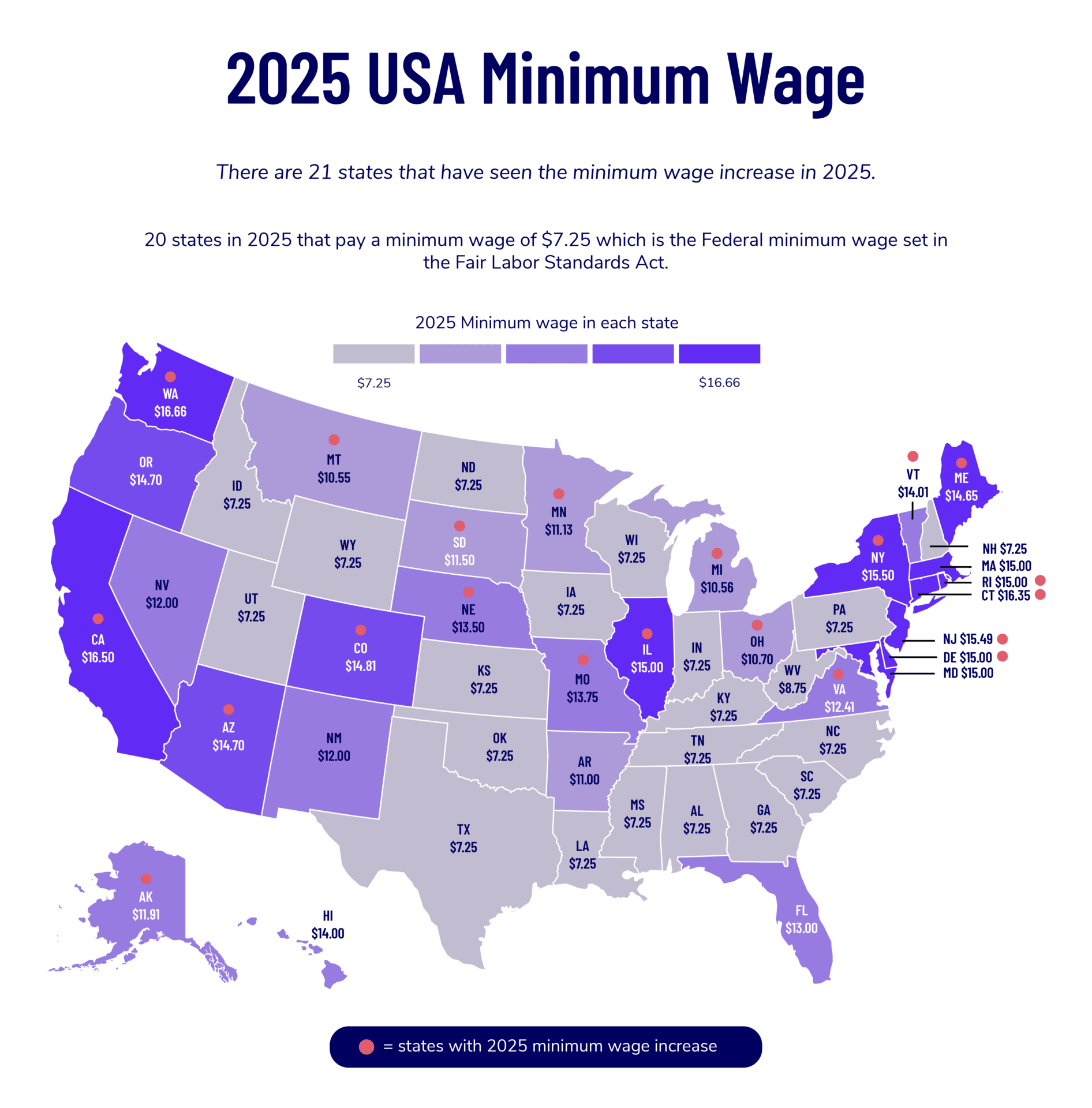
Understanding the minimum wage in Alabama begins with acknowledging a significant distinction from many other United States. Unlike a majority of states that have enacted their own specific minimum wage laws, Alabama does not have a state-mandated minimum wage. This means that employers in Alabama are required to adhere to the federal minimum wage, as established by the Fair Labor Standards Act (FLSA). This reliance on federal standards carries specific implications for both workers and the economic structure of the state’s various industries, particularly those intertwined with travel and lifestyle.
Federal Standards and Local Realities
As of the last update, the federal minimum wage stands at $7.25 per hour, a rate that has remained unchanged since 2009. For all non-exempt employees in Alabama, this is the base hourly rate legally required for their labor. This standard applies uniformly across the state, from the bustling metropolitan centers of Birmingham and Huntsville to the serene coastal towns of Gulf Shores and Orange Beach, and historical cities like Montgomery and Mobile. While some cities or counties in other states have the authority to set their own local minimum wages higher than the federal standard, Alabama law currently prohibits municipalities from doing so.
This adherence solely to the federal minimum wage means that workers in Alabama operate within a framework that, in many areas, may not fully align with the rising cost of living. This disparity is a key factor when evaluating the affordability of travel for residents, the attractiveness of the state for certain types of workers, and the overall economic vitality experienced by those earning at the lowest pay scales. For a travel and lifestyle publication, understanding this baseline is crucial for advising on budget travel, assessing local service quality, and appreciating the local economic conditions that shape the experiences Alabama offers.
Who is Most Affected? The Hospitality and Service Industries
The impact of the federal minimum wage is most acutely felt in sectors that are foundational to the travel and tourism experience. The hospitality industry – encompassing hotels, resorts, restaurants, and various service roles – often employs a significant number of individuals at or near the minimum wage. Think of the friendly faces checking you into your Hampton Inn in Tuscaloosa, the diligent housekeeping staff maintaining your suite at an Embassy Suites in Auburn, or the attentive waitstaff at a local eatery in Florence. These roles are essential to delivering the welcoming and memorable experiences that Alabama prides itself on.
Similarly, retail workers, staff at local attractions such as the U.S. Space & Rocket Center in Huntsville or the USS Alabama Battleship Memorial Park in Mobile, and many seasonal workers in tourist hotspots fall into this category. It’s important to note the specific provision for tipped employees: under federal law, employers can pay a lower direct cash wage (currently $2.13 per hour) to employees who customarily and regularly receive more than $30 per month in tips, provided that their tips plus the direct wage equal at least the federal minimum wage of $7.25 per hour. If not, the employer must make up the difference. This “tip credit” system is prevalent in restaurants and other service-oriented businesses, shaping the earnings of many who cater to travelers. Recognizing these economic realities offers a deeper appreciation for the service you receive and the efforts of the local workforce.
Minimum Wage and the Alabama Travel & Tourism Industry
Alabama’s minimum wage structure, while straightforward, has ripple effects throughout its vibrant travel and tourism industry. This dynamic interplay influences everything from the operational strategies of local businesses to the budgeting decisions of visitors exploring the state. Understanding these connections helps both residents and tourists appreciate the broader economic context of their travel experiences.
Impact on Service Workers and Local Businesses
For local businesses, particularly small and medium-sized enterprises (SMEs) that form the backbone of Alabama’s tourism economy, operating within the federal minimum wage framework presents a complex set of challenges and opportunities. On one hand, the lower minimum wage compared to some other states might allow businesses to maintain competitive pricing for services and accommodations. This can translate to more affordable hotel rooms, dining experiences, and activity costs for visitors, potentially drawing in budget-conscious travelers. For example, a stay at a Motel 6 or Quality Inn in Dothan or a family-friendly restaurant meal near Gulf Shores might feel more accessible than in regions with higher labor costs.
However, the flip side is the direct impact on the service workers themselves. Employees earning the federal minimum wage often face financial pressures, especially in areas with a rising cost of living. This can influence employee morale, retention rates, and the overall quality of customer service. A thriving tourism industry relies heavily on a dedicated and well-compensated workforce. Businesses that pay above the minimum wage, or offer robust benefits, often find it easier to attract and retain talent, leading to more experienced and enthusiastic staff at establishments ranging from luxury resorts like The Grand Hotel Golf Resort & Spa in Fairhope to popular attractions like the Birmingham Civil Rights Institute in Birmingham. The economic well-being of these vital service professionals directly contributes to the overall visitor experience and the positive reputation of Alabama as a welcoming destination.
Affordability for Travelers: Budgeting Your Alabama Adventure
From a traveler’s perspective, Alabama’s minimum wage scenario often translates to a destination that can be more budget-friendly than many coastal or major metropolitan areas in the United States. This affordability can be a significant draw for various types of travelers: families looking for an economical vacation, budget-conscious backpackers, or retirees seeking a relaxed and affordable lifestyle.
When planning an Alabama adventure, the cost of accommodation is typically a primary consideration. While luxury options exist, from Marriott and Hilton properties in cities like Montgomery to unique boutique hotels, there is also an abundance of mid-range and budget-friendly hotels, motels, and vacation rentals available. Dining out, too, tends to be more affordable, especially when exploring local diners and family-owned restaurants that serve up authentic Southern cuisine without a hefty price tag. Travelers can savor barbecue in Birmingham, fresh seafood on the Alabama Gulf Coast, or classic Southern comfort food throughout the state without breaking the bank. Even popular attractions, from historical sites like the National Memorial for Peace and Justice in Montgomery to natural wonders like Cheaha State Park, often have reasonable admission fees or offer free access, making it easier for visitors to immerse themselves in Alabama’s rich culture and diverse landscapes without the constant worry of excessive spending.

Lifestyle Implications: Living and Exploring Alabama on Different Budgets
The discussion around minimum wage inevitably leads to lifestyle considerations, both for the residents who call Alabama home and for the travelers who visit. The economic baseline set by the federal minimum wage influences daily choices, from where one lives and eats to how one engages with the state’s myriad attractions and experiences. Alabama offers a remarkable array of options, catering to a spectrum of budgets, allowing for diverse lifestyles and travel styles.
Navigating Accommodation and Dining Options
For those living on a minimum wage budget, or travelers seeking the most economical way to experience Alabama, smart choices in accommodation and dining are paramount. In terms of lodging, while major cities and popular tourist destinations will always have higher-end choices such as the Renaissance Montgomery Hotel & Spa or the Robert Trent Jones Golf Trail resorts, budget-friendly hotels like Motel 6 or Quality Inn are widely available. Additionally, platforms like Airbnb and VRBO offer numerous affordable options, particularly for longer stays or for groups, providing the flexibility of self-catering. Even campsites in state parks like Gulf State Park or Lake Guntersville State Park offer incredibly cost-effective ways to enjoy the state’s natural beauty. When booking, utilizing comparison sites like Expedia or Booking.com can help secure the best deals.
Dining also offers a wide range of price points. A vibrant culinary scene exists across Alabama, from award-winning fine dining establishments in Birmingham and Huntsville to beloved local diners, food trucks, and barbecue joints that serve up generous portions of delicious food at very reasonable prices. Exploring local farmers’ markets for fresh produce, opting for picnic lunches in one of Alabama’s beautiful parks, or taking advantage of early bird specials are excellent strategies for managing food costs without sacrificing the experience of local flavors. The state’s cuisine, heavily influenced by its rich agricultural heritage and coastal bounty, is accessible to all budgets.
Exploring Attractions and Experiences
Alabama provides a wealth of attractions and experiences that cater to every budget. For those looking to maximize their experience without spending much, the state’s natural landscapes are a treasure trove. Hiking trails in Bankhead National Forest, kayaking down the pristine Cahaba River, or simply enjoying the free public beaches of Dauphin Island or the Alabama Gulf Coast offer unforgettable moments at no cost. Many cities also boast free attractions, such as walking tours of historic districts, community parks, or public art installations. The Riverwalk in Montgomery or the Birmingham Botanical Gardens are perfect examples of accessible leisure.
When it comes to paid attractions, Alabama again offers options. Historical sites along the Civil Rights Trail, such as the Birmingham Civil Rights Institute or Ivy Green, the birthplace of Helen Keller, typically have modest admission fees. Family-friendly venues like the Birmingham Zoo or the McWane Science Center offer engaging experiences for a reasonable price. For those with a passion for music history, a visit to FAME Studios in Muscle Shoals (also known as The Shoals) is a unique experience. Even major events, like NASCAR races at Talladega Superspeedway, offer various ticket tiers, allowing different levels of participation. The key is to plan, research, and mix free activities with carefully chosen paid ones to craft an Alabama experience that aligns with any budget, proving that one does not need a high income to fully enjoy the state’s rich offerings.
Beyond the Numbers: Economic Outlook and Future Considerations
While the federal minimum wage sets a baseline for earnings in Alabama, the state’s broader economic outlook and the cost of living dynamics in its various regions play a significant role in shaping the actual lifestyle possibilities for residents and the overall appeal for travelers. Looking beyond the $7.25 hourly rate reveals a more nuanced picture of Alabama’s economic landscape.
The Cost of Living in Key Alabama Cities
The cost of living in Alabama is generally considered to be below the national average, making it an attractive option for many seeking a more affordable lifestyle. However, this varies considerably from one city to another. In major metropolitan areas like Birmingham, affectionately known as the Magic City, or Huntsville, the Rocket City, housing costs, utilities, and daily expenses will be higher than in smaller towns or rural areas. For instance, a minimum wage earner in Birmingham might face greater challenges covering essential expenses compared to someone in a more rural county, despite earning the same hourly rate.
Montgomery, the state capital, and Mobile, with its historic port, offer a mid-range cost of living, providing a balance between urban amenities and relative affordability. University towns like Auburn and Tuscaloosa have their own unique cost dynamics, often influenced by student populations and university-driven economies. Coastal tourist hubs like Gulf Shores and Orange Beach can see seasonal spikes in living expenses due to high demand for rentals and services. Even charming smaller towns like Fairhope or the historically rich Muscle Shoals area have distinct cost profiles. For minimum wage earners, these variations are critical, directly impacting their discretionary income for leisure activities, local tourism, or even the ability to take a weekend trip to another part of the state. This regional diversity underscores the importance of researching specific locales when considering living or extended stays in Alabama.
The Broader Economic Impact on Alabama’s Appeal
The minimum wage situation in Alabama is an integral part of its broader economic narrative, influencing the state’s appeal to both potential residents and visitors. From an economic development perspective, the federal minimum wage can be seen as a factor in attracting businesses that prioritize lower labor costs. However, for a state that prides itself on its hospitality and unique cultural offerings, the ability to provide a living wage is increasingly recognized as vital for sustainable growth and a high quality of life.
The balance between maintaining affordable labor costs for businesses and ensuring a respectable standard of living for employees directly impacts the state’s workforce, its capacity for innovation, and the vibrancy of its local communities. A robust economy, supported by fair wages, contributes to a thriving middle class that can afford to participate in local tourism, frequent local businesses, and contribute to the cultural richness of the state. As a travel and lifestyle destination, Alabama benefits from a strong economy where its citizens can not only earn a living but also enjoy the diverse experiences the state offers, from exploring the natural wonders like the Cahaba River to indulging in the vibrant food scene celebrated by publications like Southern Living. The ongoing conversation around minimum wage, living wages, and economic development will continue to shape Alabama’s future trajectory, influencing its attractiveness as a place to live, work, and explore.

Conclusion: Navigating Alabama’s Economic Realities and Rich Experiences
In understanding “How Much Is Minimum Wage In Alabama?”, we uncover more than just a number; we delve into the very fabric of the state’s economy, its hospitality industry, and the diverse lifestyles it supports. Alabama’s reliance on the federal minimum wage of $7.25 per hour shapes the daily lives of countless service professionals who form the welcoming face of the state’s tourism sector, from hotel staff in Mobile to attraction guides in Huntsville.
For travelers, this economic reality often translates into a generally affordable destination, where exploring historical landmarks, savoring unique Southern cuisine, and enjoying stunning natural beauty can be achieved without excessive spending. Whether you’re seeking luxury resorts like The Grand Hotel Golf Resort & Spa or a budget-friendly escape to the beaches of Gulf Shores, Alabama offers a spectrum of choices. However, recognizing the challenges faced by those earning at the minimum wage also fosters a deeper appreciation for the services provided and encourages thoughtful support for local businesses and communities.
As Alabama continues to evolve, the interplay between minimum wage, cost of living, and economic growth will remain a crucial factor in defining its future. For anyone looking to immerse themselves in the rich culture, vibrant cities, and breathtaking landscapes of the Heart of Dixie, understanding these economic undercurrents enriches the experience, allowing for more informed decisions and a greater connection to the genuine spirit of this remarkable state. Embark on your Alabama journey with an open mind, an adventurous spirit, and an appreciation for its unique economic tapestry.