
Florida, the Sunshine State, is a magnet for travelers worldwide, renowned for its pristine beaches, vibrant cities, and world-class theme parks. From the magical enchantment of Walt Disney World Resort in Orlando to the bustling cultural tapestry of Miami and the serene natural beauty of the Florida Keys, the state’s tourism and hospitality sector is a colossal engine driving its economy. Understanding the minimum wage in Florida isn’t just a matter of economic policy; it’s a crucial insight for anyone planning a trip, considering a move, or even pondering a career in this dynamic state. It directly influences the cost of services, the pricing of accommodations, and the overall lifestyle experience, impacting everything from your hotel bill to the cost of a meal and the wages of the very people who enhance your vacation.
The minimum wage forms the bedrock of compensation for countless individuals working across Florida’s diverse industries, especially those integral to the travel and tourism sectors. From the front-desk staff at a Grand Hyatt Hotel in Tampa to the servers at a beachfront restaurant in Sarasota, and the attraction operators at Universal Studios Florida, their earning power is directly tied to this state-mandated hourly rate. For travelers, this translates into an understanding of potential price points for everything from a luxury stay at a Ritz-Carlton property to a budget-friendly apartment rental. For those seeking a new lifestyle or even seasonal work, it defines the financial realities of living and working in one of America’s most popular destinations. Let’s delve into Florida’s minimum wage landscape and explore its far-reaching implications for travel, tourism, and lifestyle within the state.
Understanding Florida’s Minimum Wage Landscape
Florida has a dynamic and progressive approach to its minimum wage, driven by a constitutional amendment approved by voters. This means the state’s minimum wage isn’t just subject to legislative changes but is enshrined in its highest legal document, ensuring a predictable trajectory of increases. These changes are particularly significant for an economy so heavily reliant on the service industry, directly affecting hundreds of thousands of workers and indirectly influencing millions of visitors.
Current Rates and Future Projections
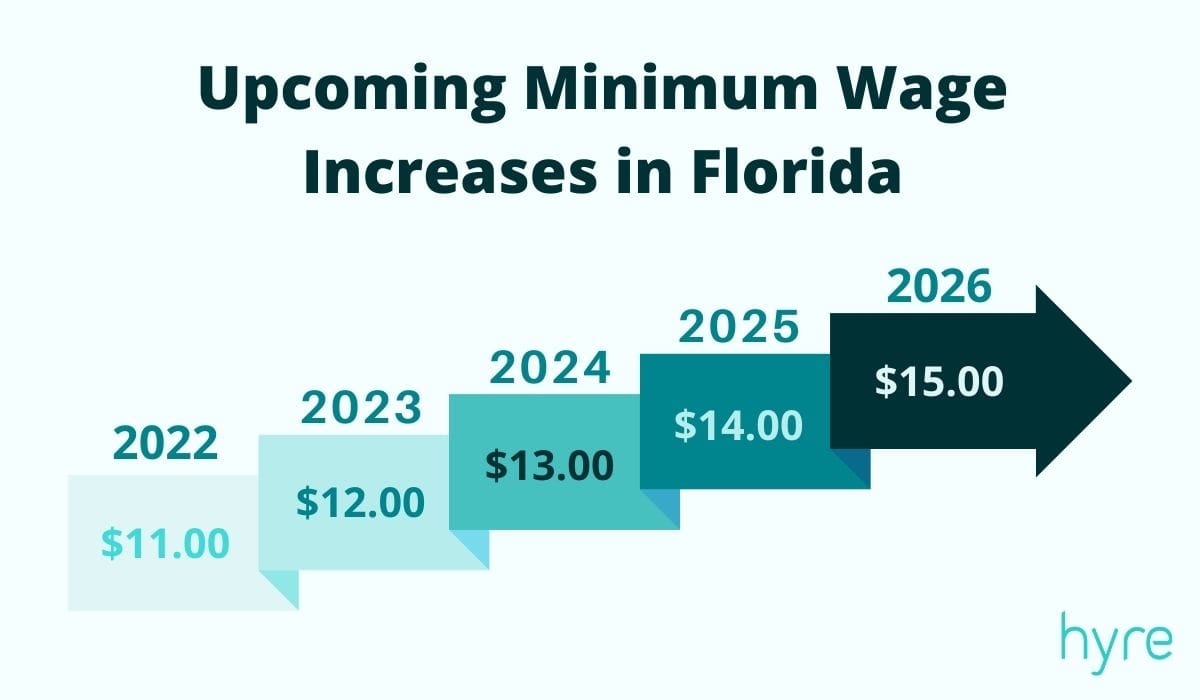
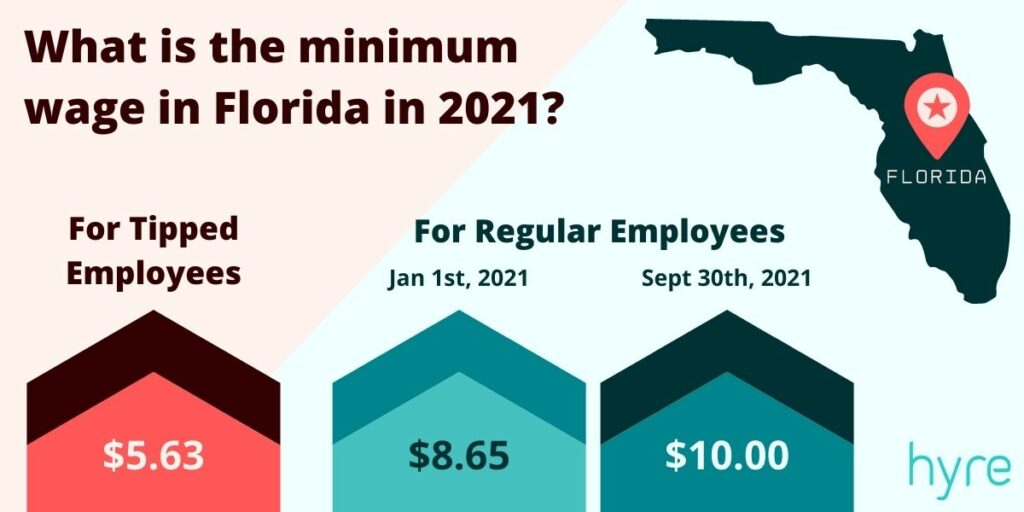
As of September 30, 2023, the minimum wage in Florida is $12.00 per hour. This marks a significant increase from previous years, reflecting a commitment to enhancing the earning potential of the state’s workforce. For tipped employees, the minimum cash wage an employer must pay is $7.98 per hour, with employers being able to take a tip credit of $4.02. This means that with tips, tipped employees must still earn at least the standard minimum wage.
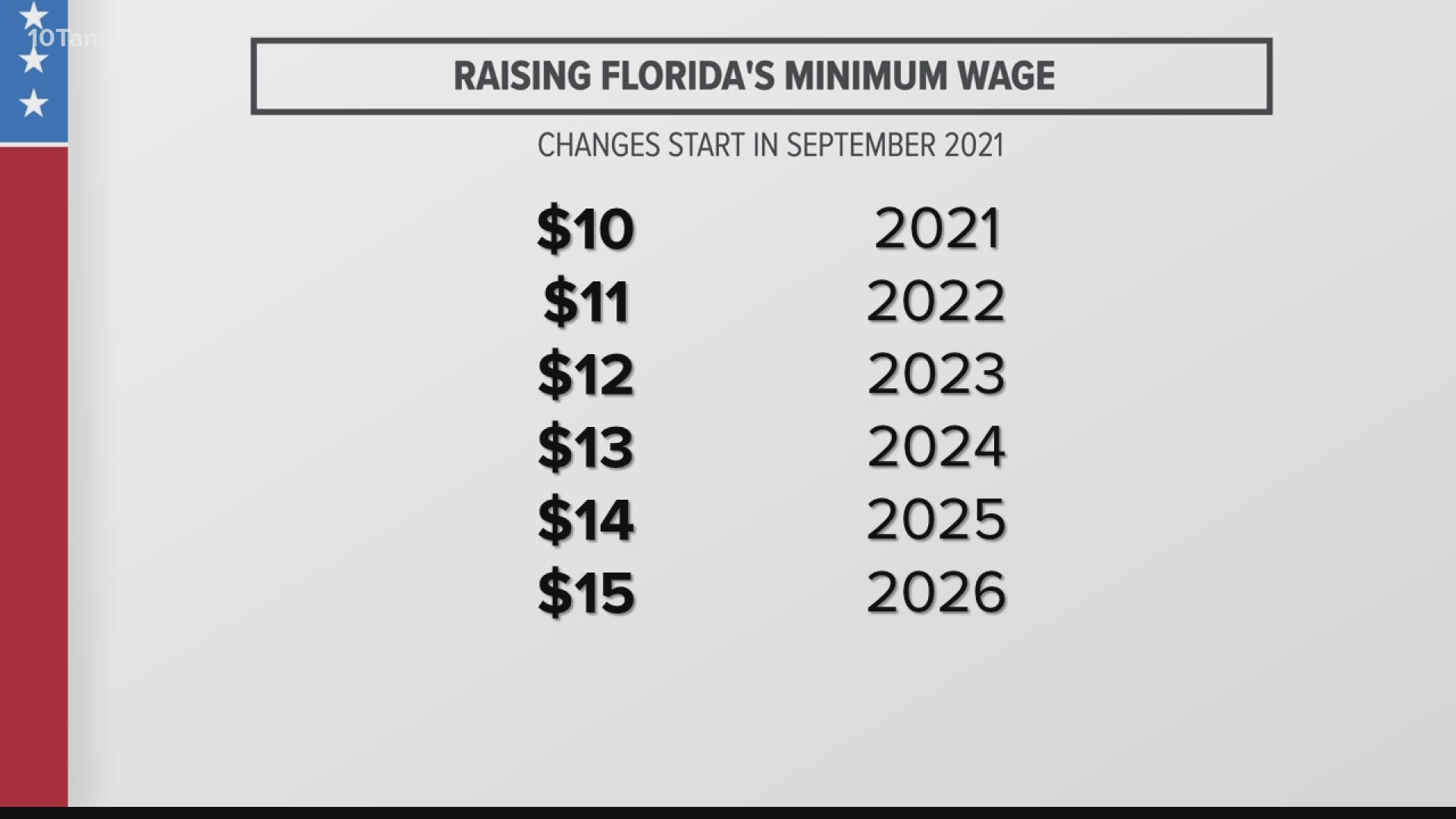
The journey to higher wages doesn’t stop here. Following the 2020 amendment, Florida has a clear schedule for future increases:
- September 30, 2024: The minimum wage is set to rise to $13.00 per hour.
- September 30, 2025: It will further increase to $14.00 per hour.
- September 30, 2026: The rate will reach $15.00 per hour.
After reaching the $15.00 threshold, the minimum wage will then be adjusted annually based on the cost of living, ensuring it keeps pace with inflation. This structured approach provides certainty for both employers and employees, allowing businesses to plan for future labor costs and workers to anticipate their future earning potential. This predictable growth is a crucial factor for anyone considering a long-term stay, a business venture, or even a seasonal job in the state.
Historical Context and Economic Influences
Florida’s journey to a $15 minimum wage is rooted in a broader national conversation about livable wages and economic equity. The constitutional amendment passed with substantial voter support, underscoring a public desire for workers to earn enough to meet basic living expenses. This shift reflects an understanding that a higher minimum wage can contribute to a stronger local economy, as workers have more disposable income to spend on goods and services, including local attractions, dining experiences, and retail purchases—all vital components of Florida’s tourism ecosystem.
Economically, the phased increase allows the state’s vast array of businesses, from sprawling resorts and high-end restaurants to independent boutique hotels and small beachside cafes, to adapt. While some businesses might face pressure to adjust pricing, the gradual implementation helps mitigate sudden shocks. The overarching goal is to balance the needs of workers with the financial viability of businesses, especially those in highly competitive sectors like tourism and accommodation. This intricate balance is often a point of discussion for local chambers of commerce in cities like Jacksonville and St. Petersburg, where tourism is a significant, but not always dominant, economic factor.
The Impact on Florida’s Tourism and Hospitality Sector
The tourism and hospitality sector is the lifeblood of Florida’s economy, employing a massive workforce ranging from hotel housekeepers and theme park attendants to tour guides and restaurant staff. The minimum wage directly impacts these individuals and, by extension, the quality and cost of services experienced by millions of visitors each year.
A higher minimum wage can lead to several significant effects within this sector. For employees, it means improved financial stability, potentially reducing turnover and increasing job satisfaction. Better-compensated staff often translate to a more motivated workforce, which can enhance the quality of service for tourists. Imagine a more attentive hotel concierge or a more engaging tour guide – these subtle improvements can significantly elevate a traveler’s experience. This is particularly relevant in areas like Everglades National Park or the historic St. Augustine, where knowledgeable and passionate staff can make a huge difference in appreciating the local culture, history, and nature.
On the business side, employers in the tourism and hospitality industry must absorb increased labor costs. This can lead to various adjustments, such as investments in efficiency-boosting technology, strategic pricing adjustments for services and accommodations, or a reevaluation of staffing models. While some businesses may increase prices for hotel rooms, attraction tickets, or restaurant meals, others might focus on offering unique experiences or exceptional service to justify their pricing. For travelers, this means being aware that the cost of your dream Florida vacation might slowly trend upwards, but also that the standard of service could potentially improve. This also means that destinations like Key West, already known for its higher cost of living and tourism prices, may see further adjustments.
Ultimately, the minimum wage acts as a lever, influencing the economic landscape in which travel and tourism operate. It’s a dynamic interplay between ensuring a fair wage for workers and maintaining Florida’s competitiveness as a premier global destination.
Budgeting for Your Florida Vacation: Navigating the Costs
For travelers, understanding Florida’s minimum wage indirectly helps in budgeting for a trip. While the direct wage isn’t an expense you pay, its ripple effect on the cost of goods and services is undeniable. Florida offers a spectrum of travel experiences, from ultra-luxury escapes to highly budget-friendly family trips, and the minimum wage plays a subtle role in shaping these options.
Accommodation Choices and Minimum Wage
Accommodation is often the largest single expense for travelers, and its pricing is influenced by a multitude of factors, including labor costs. Hotels, resorts, and vacation rentals employ staff at various wage levels, from housekeepers to receptionists and maintenance crew, many of whom are directly impacted by minimum wage increases.
When minimum wages rise, hotels and other accommodation providers might experience increased operational costs. This can lead to a slight uptick in room rates, particularly in high-demand tourist hubs like Orlando and Miami Beach. However, it’s also worth noting that a better-paid workforce can contribute to higher standards of service, cleanliness, and overall guest satisfaction.
For budget-conscious travelers, this might mean a more diligent search for deals or considering alternative accommodation options. Instead of a luxury resort, perhaps explore vacation rentals in residential areas or consider staying slightly off the main tourist strips. Cities like Jacksonville, Tallahassee, or even Gainesville might offer more affordable hotel rates compared to the prime coastal destinations, and often provide unique cultural or natural attractions of their own. Booking in advance, utilizing loyalty programs, and traveling during off-peak seasons are timeless tips that become even more valuable when navigating potentially higher costs. Consider staying at reputable yet affordable chains like Holiday Inn Express or Comfort Inn to stretch your budget further without compromising on essential amenities.
Dining and Entertainment on a Budget
Dining out is an integral part of the travel experience, allowing visitors to savor local flavors, from fresh seafood in Fort Lauderdale to Cuban delicacies in Little Havana in Miami. Minimum wage increases can affect the labor costs for restaurants, which in turn might influence menu prices. However, the diverse culinary scene in Florida means there are always options for every budget.
To manage dining costs, consider exploring local markets for fresh produce if your accommodation has kitchen facilities – preparing some meals yourself can lead to significant savings. Look for happy hour specials, early bird dinners, or lunch deals which often offer better value than evening meals. Exploring local, non-touristy eateries can also uncover delicious and more affordable options, offering an authentic taste of Florida’s local culture. Food trucks, omnipresent in many Florida cities, are also an excellent way to enjoy diverse and budget-friendly meals.
When it comes to entertainment, Florida boasts a wealth of attractions, some of which can be quite costly. Theme parks, while iconic, represent a significant expense. To save money, consider exploring the state’s numerous free or low-cost activities. Florida’s extensive network of State Parks offers stunning natural beauty, from hiking and wildlife viewing to pristine beaches, often for a small entrance fee per vehicle. Miles of public beaches across the Atlantic and Gulf coasts provide endless opportunities for relaxation, swimming, and sunbathing at no cost. Many cities host free festivals, concerts, and art walks throughout the year. Exploring historic districts like Ybor City in Tampa or strolling along the vibrant South Beach promenade are fantastic ways to soak in the atmosphere without breaking the bank. Don’t forget the numerous free museums or those offering free admission on specific days.
The Lifestyle Perspective: Working in Florida’s Tourism Industry
Beyond the tourist experience, Florida’s minimum wage also shapes the lifestyle of those who live and work in the state, particularly within the omnipresent tourism industry. For many, a job in Florida’s hospitality sector offers an exciting opportunity, whether it’s for a seasonal stint, a career change, or a path to establishing roots in a vibrant state.
The tourism industry is a major employer, offering roles that span a wide spectrum of skills and experience levels. From entry-level positions in customer service, housekeeping, and food preparation to more specialized roles in guest relations, event management, and resort operations, there’s a consistent demand for talent. For individuals considering seasonal work, perhaps students on summer break, retirees looking for part-time engagement, or those seeking a change of scenery, Florida offers numerous opportunities, particularly in peak tourist seasons. A rising minimum wage makes these positions more attractive, potentially providing a more comfortable living, even if temporary. This could be particularly appealing in areas known for a thriving seasonal economy, such as the Florida Panhandle during spring break or the popular snowbird destinations around Naples and Fort Myers in winter.
However, challenges remain. Despite the minimum wage increases, the cost of living in popular tourist areas of Florida can still be high, especially concerning housing. While a $12 or $15 minimum wage provides a better foundation, workers in cities like Orlando or Miami often face significant rental costs. This creates a lifestyle paradox where the dream of living in a sunny paradise must be balanced with the economic realities of daily life. Many workers in the service industry rely heavily on tips to supplement their base wage, making the tipped minimum wage a critical component of their overall income. The dynamic nature of tourism means job availability can fluctuate with seasons and economic trends, requiring adaptability from the workforce. Despite these challenges, the allure of Florida’s lifestyle, its abundant sunshine, and diverse communities continue to draw individuals seeking opportunities within its bustling tourism sector. The ability to work near world-class landmarks and enjoy a unique lifestyle remains a strong pull.
In conclusion, Florida’s minimum wage is far more than just a number; it’s a foundational element influencing the state’s entire economic ecosystem, particularly its sprawling and vital tourism industry. For travelers, it hints at the evolving costs of experiences, accommodations, and dining, encouraging smart budgeting and exploration of diverse options. For those considering a lifestyle shift or a career within the Sunshine State, it defines the baseline of earning potential and prompts a careful consideration of the cost of living against available wages. As Florida continues its path towards a $15 minimum wage, its impact will undoubtedly continue to shape how both visitors and residents experience this unique and beloved destination.