
Navigating the vibrant and sprawling metropolis of New York City is an adventure in itself, and for most visitors and residents alike, the iconic New York Subway system is the lifeblood of urban transportation. Understanding the intricacies of its fare system is crucial for planning your travel efficiently, especially if you’re aiming for budget-friendly explorations or simply want to avoid any unexpected costs. This guide aims to demystify the cost of hopping on a train in the Big Apple, covering everything from single rides to unlimited travel options, and offering insights relevant to a variety of travelers, from luxury seekers to budget-conscious explorers.

Understanding the New York Subway Fare Structure
At its core, the New York Subway operates on a simple, flat fare system for most riders. This means no matter where you’re going within the five boroughs served by the Metropolitan Transportation Authority (MTA) – Manhattan, Brooklyn, Queens, The Bronx, and Staten Island (via the Staten Island Railway, which uses the same fare system) – a single ride will cost the same. However, the way you pay can influence the overall cost, especially for those making multiple journeys.
The Pay-Per-Ride Option: The OMNY System
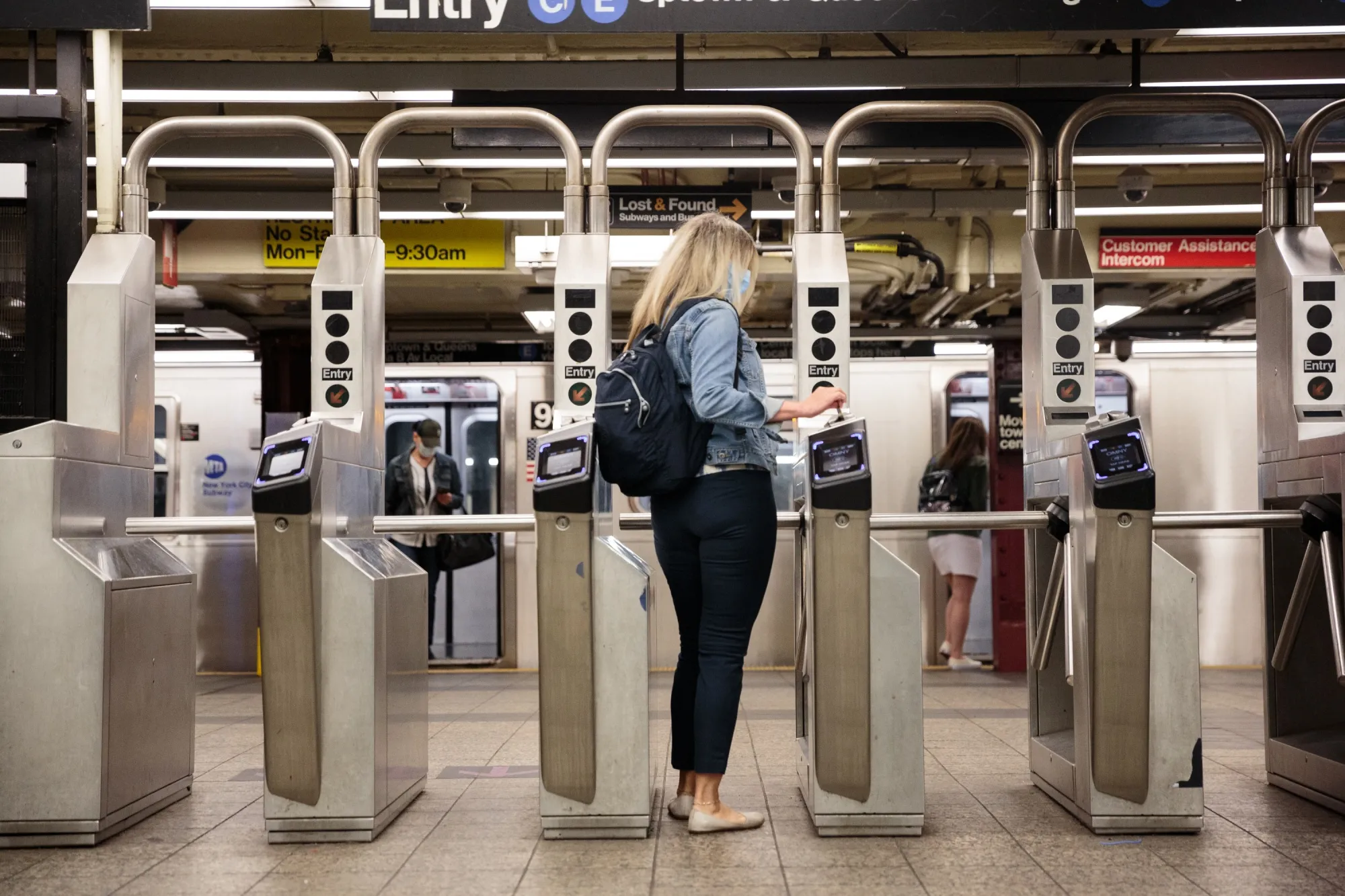
The modern and most convenient way to pay for your subway rides is through the OMNY (One Metro New York) contactless payment system. OMNY allows you to tap your contactless credit or debit card, smartphone, smartwatch, or a contactless-enabled wearable device directly on the OMNY reader at the subway turnstile.
As of the latest updates, a single, pay-per-ride fare using OMNY is $2.90. This flat fare covers one complete subway ride, regardless of distance or the number of transfers you might need to make within the subway system. This is a significant advantage for tourists who might be exploring different neighborhoods and landmarks across the city, from the artistic enclaves of Greenwich Village to the bustling streets of Times Square.
Important Considerations for OMNY Pay-Per-Ride:
- Fare Capping: One of the most beneficial features of the OMNY system is its weekly fare cap. If you use the same contactless card or device to pay for your rides, you will never pay more than the cost of a 7-day Unlimited Pass after a certain number of rides within a calendar week (Monday to Sunday). This is a fantastic benefit for travelers who plan on using the subway frequently. As of the current fare structure, this cap is set at $34. Once you’ve paid $34 in pay-per-ride fares within a single week, any subsequent rides during that week are free. This makes it a great option for those who might not ride every single day but have a few heavy travel days.
- No Transfers to Buses (with a twist): While transfers are free within the subway system, a standard OMNY tap for the subway does not automatically include a free transfer to an MTA bus. However, the OMNY system is designed to track your usage across both subways and buses. If you tap to ride a subway and then tap to ride a bus (or vice versa) within a certain timeframe, the system will automatically charge you only the single fare for the second ride, effectively making it a transfer. The same fare capping applies across both modes of transport.
- Single Ride Ticket (Less Common): While OMNY is the preferred method, it is still possible to purchase a single ride ticket from station vending machines using cash or a credit/debit card. These tickets also cost $2.90. However, these paper tickets do not offer the benefits of fare capping and are generally less convenient than tapping with a contactless payment method. For longer stays or frequent travel, opting for the OMNY system is highly recommended.
Unlimited Ride Options: Maximizing Value
For visitors planning an extended stay in New York City or those who intend to use public transportation extensively, unlimited ride passes offer the best value. These passes eliminate the need to worry about individual fares and provide seamless access to the subway and local buses.
The 7-Day Unlimited Ride MetroCard
The traditional way to enjoy unlimited travel was through the MetroCard. While OMNY is becoming the dominant payment method, MetroCards are still available for purchase and use. The most popular option for tourists is the 7-Day Unlimited Ride MetroCard.
- Cost: This pass costs $34. For this price, you get unlimited rides on the New York Subway and local MTA buses for seven consecutive days, starting from the first time you swipe it.
- Who It’s For: This pass is ideal for tourists spending a week in New York who plan to visit multiple attractions across different boroughs. For example, a week of exploring iconic landmarks like the Empire State Building, Central Park, the Metropolitan Museum of Art, and venturing out to neighborhoods like Williamsburg in Brooklyn or Flushing in Queens will easily justify the cost of a 7-Day Unlimited Ride MetroCard. If you make more than 12 rides in a 7-day period, you’ve already saved money compared to paying the single fare each time.
- How to Purchase: You can purchase MetroCards from vending machines located in most subway stations. You’ll need to insert cash or a credit/debit card into the machine.
The 30-Day Unlimited Ride MetroCard
For longer stays, the 30-Day Unlimited Ride MetroCard is available.
- Cost: This pass costs $132. It offers unlimited rides on subways and local buses for 30 consecutive days.
- Who It’s For: This is best suited for individuals staying in New York for a month or more, perhaps for a long-term business stay, an extended vacation, or a temporary relocation. It provides the ultimate freedom to explore the city without worrying about transportation costs.
- How to Purchase: Similar to the 7-day pass, these can be purchased from MetroCard vending machines.

OMNY vs. MetroCard for Unlimited Rides:
It’s important to note that the weekly fare capping feature of OMNY effectively replicates the value proposition of the 7-Day Unlimited Ride MetroCard. If you use the same contactless payment method consistently, you will reach the $34 weekly cap, meaning your total spending for unlimited rides within that week will be the same as the 7-Day Unlimited MetroCard. The main difference is that OMNY is automatic and applies to pay-per-ride users who reach that threshold, whereas the MetroCard is a pre-purchased pass. For 30-day unlimited travel, the MetroCard remains the dedicated option.
Special Fares and Concessions
While the standard fare applies to most adult riders, the MTA does offer reduced fare options for certain groups, making the New York Subway more accessible to a wider range of people.
Reduced-Fare Program
The MTA operates a Reduced-Fare program for eligible individuals. This program offers a discounted fare on subways, buses, and Staten Island Railway for seniors, people with disabilities, and certain Medicare recipients.
- Eligibility:
- Seniors: Individuals aged 65 and over.
- People with Disabilities: Those who meet specific eligibility criteria as defined by the MTA.
- Medicare Recipients: Individuals enrolled in the Medicare program.
- Discount: The reduced fare is currently $1.45 per ride.
- How to Apply: To benefit from the reduced fare, eligible individuals must apply for a Reduced-Fare OMNY account or a Reduced-Fare MetroCard. This typically requires proof of age or disability. For OMNY, the application process can often be completed online or by mail. For MetroCards, applications are available at MTA customer service centers. Once approved, the reduced fare is linked to your OMNY account or issued as a special MetroCard.
- Travelers with Children: Children aged under 44 inches tall can ride for free when accompanied by a fare-paying adult. A maximum of three children can ride for free per adult. This is particularly helpful for families visiting New York with young children.
Planning Your New York City Travel and Budget
Understanding the subway fare is a key component of budgeting for any trip to New York City. Whether you’re staying at a luxury hotel in Midtown like the Grand Hyatt Hotel, a charming boutique accommodation in SoHo, or a budget-friendly apartment rental, transportation costs can add up quickly.
Estimating Your Subway Costs
To effectively estimate your subway costs, consider the following:
- Duration of Your Stay: A short weekend trip will require a different approach than a month-long immersion.
- Planned Activities: Will you be staying in one neighborhood or exploring extensively across all five boroughs? Visiting Yankee Stadium in The Bronx, then heading to Coney Island in Brooklyn, and finishing the day with a Broadway show in Manhattan will involve significant subway usage.
- Mode of Payment: Are you comfortable using contactless payments with OMNY, or do you prefer the certainty of a pre-purchased unlimited pass?
Budgeting Tips:
- For a 3-4 day trip: If you plan on taking 5-7 subway rides per day, a 7-Day Unlimited Ride MetroCard ($34) or reaching the OMNY weekly cap of $34 will likely be the most cost-effective. Even if you don’t quite reach 12 rides, paying $2.90 per ride will be cheaper than the unlimited pass.
- For a 5-7 day trip: The 7-Day Unlimited Ride MetroCard or the OMNY weekly cap of $34 is almost certainly the best value, assuming you’ll be using the subway regularly for sightseeing and getting around.
- For stays longer than 7 days: If you’re staying for two weeks or more, consider purchasing multiple 7-Day Unlimited Ride MetroCards, or simply use OMNY and benefit from the weekly fare capping, which resets every Monday. For stays of exactly 30 days, the 30-Day Unlimited Ride MetroCard at $132 is the most economical option.
- Occasional Use: If you anticipate only taking a few subway rides during your entire stay (e.g., staying in Lower Manhattan and mostly walking or taking short taxi rides), simply paying the $2.90 per ride using OMNY or a single ride ticket will be the most budget-friendly choice.
Beyond the Subway: Integrating with Other Transport
While the subway is incredibly efficient, New York City also offers other transportation options. Understanding how these integrate with the subway can further enhance your travel plans and budget.
- MTA Buses: As mentioned, local MTA buses use the same fare system and are integrated with OMNY for seamless transfers. The cost per ride is also $2.90, with the same fare capping benefits. Express buses have higher fares.
- Staten Island Ferry: A fantastic free attraction, the Staten Island Ferry offers incredible views of the Statue of Liberty and the Manhattan skyline. It does not use the subway fare system.
- NYC Ferry: This separate ferry system serves various waterfront neighborhoods. Fares are typically $4.00 per ride, with a 10-trip pass available for $32.00. It’s a great way to see the city from a different perspective, connecting areas like DUMBO in Brooklyn with Midtown in Manhattan.
- Taxis and Ride-Sharing: Traditional yellow cabs and ride-sharing services like Uber and Lyft are significantly more expensive than public transport but offer convenience, especially for direct routes or late-night travel when subway service might be less frequent. They do not integrate with the MTA fare system.
- Walking: New York City is a remarkably walkable city, especially within neighborhoods. For short distances, walking is not only free but also the best way to discover hidden gems and soak in the local lifestyle.
By understanding the New York Subway fare structure, the benefits of OMNY, and the various pass options, you can confidently plan your budget and navigate this incredible city with ease. Whether you’re heading to a world-class museum, a trendy restaurant, or a stunning landmark, knowing your transit costs will ensure your New York experience is both enjoyable and financially sound.