
California, often romanticized as the Golden State, is a dream destination for countless travelers and a coveted home for many more. From the sun-drenched beaches of Southern California to the majestic redwoods of the north, its allure is undeniable. However, this paradise comes with a price tag, particularly when it comes to living expenses. For anyone considering an extended stay, a digital nomad adventure, or even a temporary relocation for work or pleasure, understanding the rental market is paramount. This isn’t just about finding a roof over your head; it’s about navigating the financial landscape that shapes your travel budget, lifestyle choices, and overall experience in one of the most dynamic states in the United States.
Whether you’re planning a multi-month sabbatical, exploring options for a family trip that extends beyond a typical vacation, or simply curious about the cost of experiencing California life firsthand, rent will likely be one of your most significant considerations. Beyond hotels and traditional short-term rentals, long-term accommodation options, including apartments, serviced suites, and even extended-stay hotels, offer different perspectives on cost and comfort. This guide delves into the nuances of California’s rental market, offering insights into what to expect and how to budget for your adventure, ensuring your journey in the Golden State is as smooth and enjoyable as possible.
Navigating California’s Diverse Rental Landscape
The sheer size and geographical diversity of California mean that rental prices are far from uniform. What you might pay for an apartment in a bustling metropolis like San Francisco could secure a sprawling home in a less populated region. This variability is a key factor for anyone looking to make California their temporary or permanent base, influencing everything from daily travel plans to the choice of local culture and activities one can immerse themselves in.
The Golden State’s Appeal and Its Rental Implications
California’s appeal stems from a blend of natural beauty, economic opportunity, and a vibrant lifestyle. It boasts world-class destinations such as Yosemite National Park, the iconic Golden Gate Bridge, and the entertainment capital of Hollywood. Major tech hubs in Silicon Valley draw professionals globally, while its renowned universities attract students. These attractions and economic drivers contribute significantly to the demand for housing, consequently elevating rental costs.
For travelers looking to spend an extended period exploring the state, understanding these dynamics is crucial. A longer stay might allow for deeper dives into local culture, exploring hidden gems, or even volunteering, but it necessitates a firm grasp of living expenses beyond just tourist attractions. For instance, a digital nomad might find the vibrant co-working scene of Los Angeles appealing, but the rent there will heavily influence their overall budget and potential duration of stay. Similarly, a family contemplating a multi-month trip through various California regions would need to factor in these varying costs to ensure their adventure remains sustainable and enjoyable. The desire to live near famous landmarks or popular destinations, like the beaches of Malibu or the vineyards of Napa Valley, directly translates into higher rental demand and steeper prices.
Key Factors Driving Rental Costs
Several factors conspire to make California one of the most expensive rental markets in the United States. High population density, especially in coastal cities, creates fierce competition for limited housing. The state’s robust economy, particularly in technology and entertainment sectors, attracts a high-earning workforce, further inflating demand. Stringent land-use regulations and high construction costs also limit new housing development, exacerbating supply shortages.
Furthermore, the type of accommodation plays a significant role. A luxury apartment in Beverly Hills will command a vastly different price than a modest flat in the Central Valley. Amenities such as in-unit laundry, parking, fitness centers, and proximity to public transportation or popular attractions (like Disneyland Resort or Universal Studios Hollywood) add to the rental premium. Seasonal demand also impacts prices, particularly in popular tourist destinations. For example, coastal towns like Santa Barbara or mountain resorts near Lake Tahoe might see rental spikes during peak travel seasons, affecting anyone considering a longer-term stay during these periods. Understanding these driving forces allows for more informed decision-making, whether you’re seeking a budget-friendly long-term stay or indulging in a luxury travel experience.
A Regional Breakdown: Rent Across California’s Major Hubs
To truly understand how much rent is in California, it’s essential to look at the state not as a monolith but as a collection of diverse regions, each with its unique economic and lifestyle factors influencing rental costs. From the bustling metropolises to serene coastal towns and expansive inland areas, prices can vary dramatically, impacting your ability to experience local culture, food, and activities.
SoCal’s Sun-Kissed Rents: Los Angeles and San Diego
Southern California is synonymous with sunshine, beaches, and a vibrant lifestyle. Its two largest cities, Los Angeles and San Diego, are major draws for tourists and long-term visitors alike, but they also represent some of the most expensive rental markets.
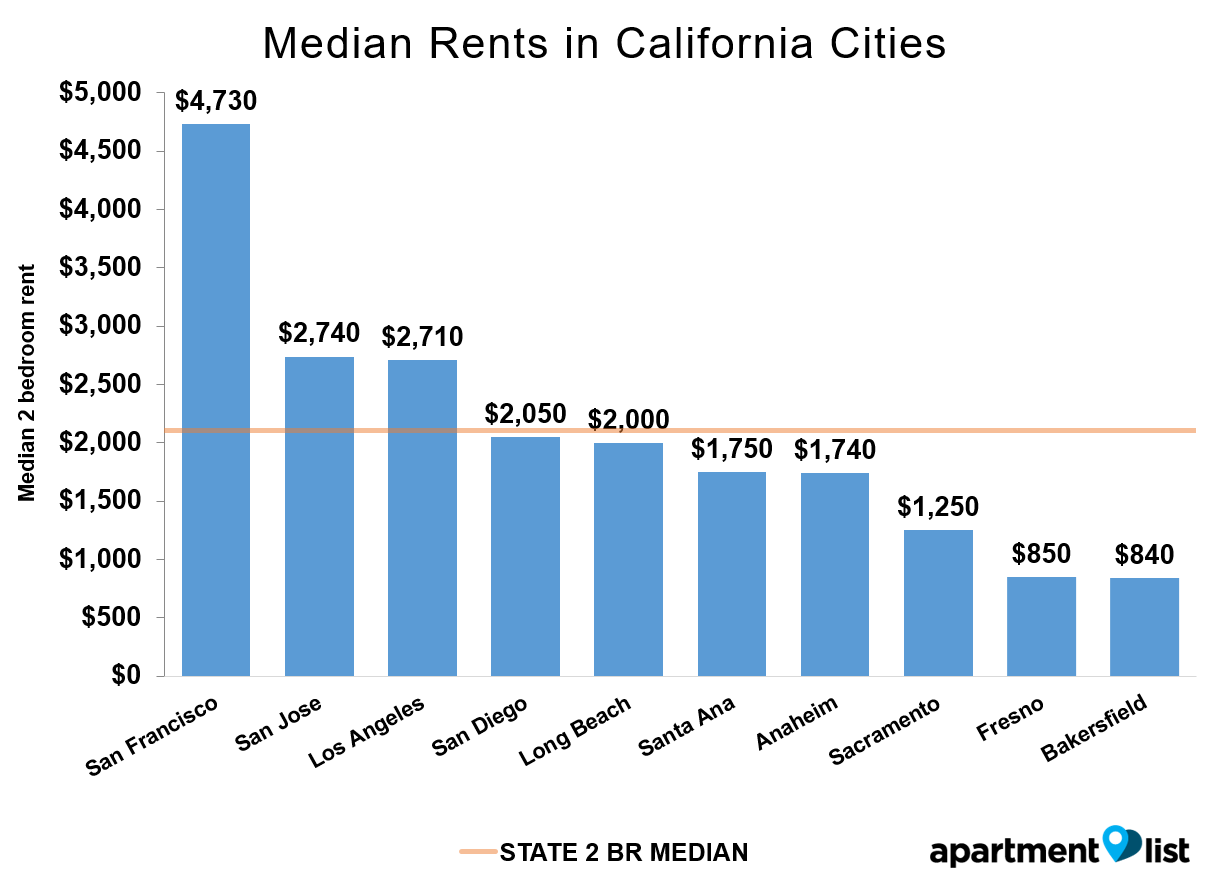
In Los Angeles County, the average rent for a one-bedroom apartment can hover between $2,000 and $3,000, but this figure can skyrocket depending on the neighborhood. Areas like Santa Monica, Beverly Hills, and Malibu command significantly higher prices, often exceeding $3,500-$4,500 for a one-bedroom, reflecting their desirability, luxury amenities, and proximity to major attractions and beaches. Even areas like Hollywood or Downtown Los Angeles, while offering a more urban experience and access to landmarks like the Hollywood Walk of Fame or Griffith Observatory, maintain high rental rates due to demand and convenience. For those considering an extended stay, researching specific neighborhoods like Long Beach, Pasadena, or parts of the San Fernando Valley might reveal slightly more affordable options without sacrificing too much accessibility. These areas still offer excellent access to attractions, diverse food scenes, and a range of activities.
Further south, San Diego offers a more relaxed pace than Los Angeles but maintains similar high rental costs. A one-bedroom apartment typically ranges from $1,900 to $2,800. Coastal communities such as La Jolla or Del Mar can easily exceed these averages. The city’s popularity for tourism, its beautiful beaches like Mission Bay, and family-friendly attractions like Balboa Park and the San Diego Zoo contribute to sustained demand. For visitors interested in long-term stays, looking slightly inland to neighborhoods like North Park or University Heights might offer a better balance between cost and access to the city’s vibrant culture and culinary scene.
NorCal’s Tech Titans: San Francisco and the Bay Area
Northern California presents an even more formidable rental market, primarily driven by the colossal tech industry concentrated in the Bay Area. San Francisco consistently ranks among the most expensive cities in the world.
In San Francisco itself, a one-bedroom apartment can easily cost upwards of $2,800 to $3,800, with many areas surpassing $4,000. Neighborhoods like the Marina District, Pacific Heights, and parts of SOMA command premium prices due to their stunning views, upscale amenities, and proximity to tech companies and famous landmarks like Fisherman’s Wharf or Alcatraz Island. Even smaller studios can be prohibitively expensive. For those planning a long-term cultural immersion, perhaps exploring the city’s unique history and architecture, considering shared accommodation or looking at cities just outside the immediate city limits becomes essential.
The surrounding Bay Area cities, including San Jose, Oakland, and Berkeley, also feature high rental costs, though slightly less than San Francisco. A one-bedroom in these cities might range from $2,200 to $3,200. These areas still offer excellent access to public transport, diverse communities, and various attractions, including the academic vibrancy of Berkeley or the burgeoning arts scene in Oakland. For business travelers or digital nomads looking for a base near Silicon Valley tech giants, these locations are often a compromise between commute and cost. Further north, in counties like Marin County or Sonoma County, the focus shifts more towards luxurious homes and properties, with rents often reflecting expansive spaces and proximity to wine country.
Beyond the Metropolises: Central Valley and Coastal Gems
Moving away from the major urban centers, rental prices in California become more varied and, in some cases, significantly more affordable. The vast Central Valley, the agricultural heartland of the state, offers some of the most budget-friendly rental options. Cities like Sacramento (the state capital), Fresno, or Bakersfield typically see one-bedroom rents ranging from $1,200 to $1,800. While these areas might lack the immediate coastal allure or tech buzz, they offer a different perspective on California life, often with a stronger sense of local community, access to authentic food experiences, and proximity to natural attractions like Lake Tahoe or Sierra Nevada mountains. For those prioritizing budget travel or seeking a quieter lifestyle during a long-term stay, the Central Valley can be an attractive option.

Along the picturesque Pacific Coast Highway, charming towns like Monterey, Carmel-by-the-Sea, or San Luis Obispo present a blend of scenic beauty and varying rental costs. While generally higher than the Central Valley due to their desirability and proximity to landmarks like Big Sur or Hearst Castle, they are often less expensive than San Francisco or Los Angeles. A one-bedroom might range from $1,800 to $2,500, offering a compelling option for those seeking a tranquil coastal lifestyle or a longer exploration of California’s stunning coastline. Even in the desert regions, like Palm Springs, rents can fluctuate dramatically based on season, with peak winter months seeing higher prices due to the influx of visitors seeking warm weather and access to attractions like Joshua Tree National Park. These regional differences highlight the importance of detailed research based on your specific travel goals and lifestyle preferences.
Exploring Accommodation Types and Long-Term Stay Options
When planning an extended visit to California, understanding the various accommodation options beyond a typical hotel room is crucial. The choice of where to stay dramatically impacts not only your budget but also the quality of your experience, from immersive local living to resort-style comfort. Each type offers a different blend of amenities, flexibility, and cost, catering to a wide array of travel and lifestyle needs.
Traditional Apartments vs. Furnished Rentals
For stays lasting several months or more, a traditional apartment lease is often the most cost-effective solution. However, this typically requires signing a 6-month or 12-month agreement, furnishing the unit yourself, and dealing with utility hook-ups. While challenging for a temporary visitor, it offers the most authentic local living experience and usually the lowest per-month rent. Websites like Zillow, Rent.com, and Apartments.com are primary resources for finding unfurnished apartments, but they require commitment and often good credit history.
A more accessible option for long-term travelers, digital nomads, or those on business stays is a furnished rental. These units come fully equipped with furniture, kitchenware, and often utilities included, significantly simplifying the move-in process. While typically more expensive than unfurnished apartments on a monthly basis, they offer convenience and flexibility, often allowing for month-to-month leases. Platforms like Airbnb and VRBO are popular for finding furnished homes or apartments, even for extended periods, and many corporate housing providers specialize in this niche. These rentals can provide a “home away from home” experience, allowing travelers to immerse themselves more deeply in local culture and cook their own meals, which can be a significant cost-saver compared to dining out constantly. They are also ideal for family trips, offering more space and privacy than multiple hotel rooms.
Hotels, Serviced Apartments, and Extended Stays
Hotels, while typically associated with short-term travel, also offer options for extended stays. Many major hotel chains, like Marriott or Hilton, have brands specifically designed for longer visits, featuring kitchenettes and living areas (e.g., Residence Inn, Homewood Suites). These extended-stay hotels provide amenities like housekeeping, sometimes complimentary breakfast, and access to fitness centers, offering a blend of home comfort and hotel convenience. While generally more expensive than a traditional apartment or even some furnished rentals, they are ideal for business stays, individuals transitioning between homes, or those who prefer hotel services.
Serviced apartments, often found in major cities like Los Angeles or San Francisco, combine the best features of a hotel and an apartment. They are fully furnished, often include utilities, and come with hotel-like services such as concierge, security, and sometimes even room service. These can be particularly attractive for luxury travel or for individuals seeking a premium experience without the commitment of a long-term lease. While pricier, they offer unparalleled convenience and a high standard of living, making them popular for high-end business travelers or those seeking sophisticated accommodation options.
Vacation Rentals and Lifestyle Choices
For shorter extended stays (a few weeks to a couple of months), vacation rentals remain a popular choice. Platforms like Airbnb and VRBO dominate this market, offering everything from charming cottages in Carmel-by-the-Sea to beachfront villas in Laguna Beach. These are perfect for travelers who want to live like a local in diverse destinations, from the wine regions of Napa Valley to the ski resorts near Mammoth Lakes. The cost can vary dramatically based on location, season, and amenities. Booking well in advance, especially for popular destinations or peak seasons, is crucial to securing reasonable rates.
The choice of accommodation profoundly impacts one’s lifestyle in California. Budget travel might steer you towards more affordable inland cities or shared accommodations, allowing more funds for experiences like exploring Death Valley National Park or visiting multiple attractions. Luxury travel, conversely, might involve a lavish villa in Orange County or a penthouse with panoramic views of the Golden Gate Bridge. Family trips often benefit from the extra space and kitchen facilities of a furnished rental, while business stays prioritize convenience and proximity to corporate hubs. Understanding these options empowers you to align your accommodation choice with your personal travel style and financial plan, ensuring a fulfilling California adventure.
Strategies for Finding Your Ideal California Rental
Finding the perfect rental in California can feel like a daunting task, especially given the state’s diverse market and high demand. However, with the right strategies and a clear understanding of your needs, you can secure an ideal long-term stay or temporary accommodation that aligns with your budget and lifestyle preferences. This involves careful budgeting, leveraging online resources, and being flexible with your timing and location.
Budgeting and Planning for Your Stay
The first step in securing an ideal rental is to establish a realistic budget. Beyond the monthly rent, remember to account for additional costs. These can include security deposits (often one to two months’ rent), application fees, utilities (electricity, gas, internet, water, trash), and potentially renter’s insurance. For furnished rentals or extended-stay hotels, some of these might be bundled into the monthly rate, but it’s crucial to clarify what’s included. Factor in transportation costs as well; while public transport is available in major cities like San Francisco and Los Angeles, having a car might be essential for exploring broader regions or living in less urbanized areas.
Consider your desired length of stay. Shorter terms (1-3 months) often incur higher monthly premiums but offer greater flexibility. Longer commitments (6-12 months) typically result in lower monthly rates but bind you to a location. For digital nomads or those with flexible work arrangements, exploring off-peak seasons in popular tourist areas might yield better deals. For instance, renting in a coastal town during the fall or winter could be significantly cheaper than during the bustling summer months, allowing you to enjoy the natural beauty without the crowds. Clearly defining your budget upfront will help you narrow down your search and avoid wasting time on properties outside your financial comfort zone, ensuring your trip remains a budget-friendly travel experience if that is your goal.
Leveraging Online Resources and Local Insights
The internet is your most powerful tool in the rental search. As mentioned, for traditional apartments, websites like Zillow, Rent.com, and Apartments.com are indispensable. For furnished rentals and extended stays, Airbnb, VRBO, and specialized corporate housing platforms offer extensive listings. Facebook Marketplace and local community groups on social media can also be surprisingly effective for finding sublets or room rentals, especially in college towns like Berkeley or near major universities.
Don’t underestimate the value of local insights. If possible, talk to people who live in your target area. Online forums, expat groups, or local tourism boards can provide valuable information about neighborhoods, hidden costs, and reputable landlords or property managers. Some destinations, like Santa Monica or Orange County, have local real estate agents who specialize in longer-term furnished rentals and can offer personalized assistance, particularly for luxury travel options. Reading reviews of properties and landlords is critical, especially when booking sight unseen, to ensure the accommodation meets your expectations regarding amenities, comfort, and safety.

Considering Timing and Flexibility
Timing can be a significant factor in the California rental market. Demand typically peaks during certain periods, such as the summer months, the start of academic years (late August/early September), and major events or festivals (e.g., Coachella near Palm Springs or ski season in Mammoth Lakes). If your travel dates are flexible, aim to search and potentially move during off-peak seasons when competition might be lower and landlords more willing to negotiate.
Flexibility regarding location and property type can also open up more affordable options. While you might dream of a beachfront apartment in Venice Beach, considering a nearby neighborhood slightly inland or a different coastal town could significantly reduce costs without compromising your access to the attractions. Being open to various accommodation types – from a shared house to an extended-stay hotel or a small studio – will broaden your choices. Remember, the goal is to find a comfortable and practical base from which to explore the incredible destinations, local culture, and diverse experiences California has to offer, making your long-term stay as enriching and financially sustainable as possible.
LifeOutOfTheBox is a participant in the Amazon Services LLC Associates Program, an affiliate advertising program designed to provide a means for sites to earn advertising fees by advertising and linking to Amazon.com. Amazon, the Amazon logo, AmazonSupply, and the AmazonSupply logo are trademarks of Amazon.com, Inc. or its affiliates. As an Amazon Associate we earn affiliate commissions from qualifying purchases.