
Texas, a state synonymous with vast landscapes, vibrant cities, and a distinct cultural identity, attracts millions of visitors and new residents each year. From the bustling metropolises of Dallas and Houston to the charming historic towns and the stunning natural beauty of the Texas Hill Country, the Lone Star State offers a diverse array of experiences. This appeal extends to its housing market, making it a prime destination for those considering a long-term stay, a relocation, or even just exploring different living arrangements. Understanding the nuances of rental costs across this expansive state is crucial for anyone planning their next move or extended visit.
When we talk about “rent” in the context of travel and lifestyle, it encompasses a broad spectrum. For the traveler, it might mean a short-term stay in a stylish apartment in Austin, a luxurious suite at a resort in San Antonio, or even a budget-friendly room in a guesthouse during a festival. For someone considering a longer-term commitment, it translates to monthly apartment leases, house rentals, or even the possibility of furnished rentals for extended stays, blending the comforts of home with the flexibility of not owning property. This article delves into the various facets of rental costs in Texas, providing insights for both transient visitors and prospective long-term residents, aligning with the comprehensive travel and accommodation services offered on this platform.
Understanding Rental Market Dynamics in Texas
The rental market in Texas is as diverse as its geography. Several key factors influence rental prices, from the specific city or region to the type of accommodation sought. Understanding these dynamics is the first step in budgeting for your Texas adventure, whether it’s a weekend getaway or a more permanent residence.
Major Metropolitan Hubs: The Price of Prime Location
The major metropolitan areas of Texas consistently command higher rental rates due to high demand, robust job markets, and a plethora of attractions and amenities.
-
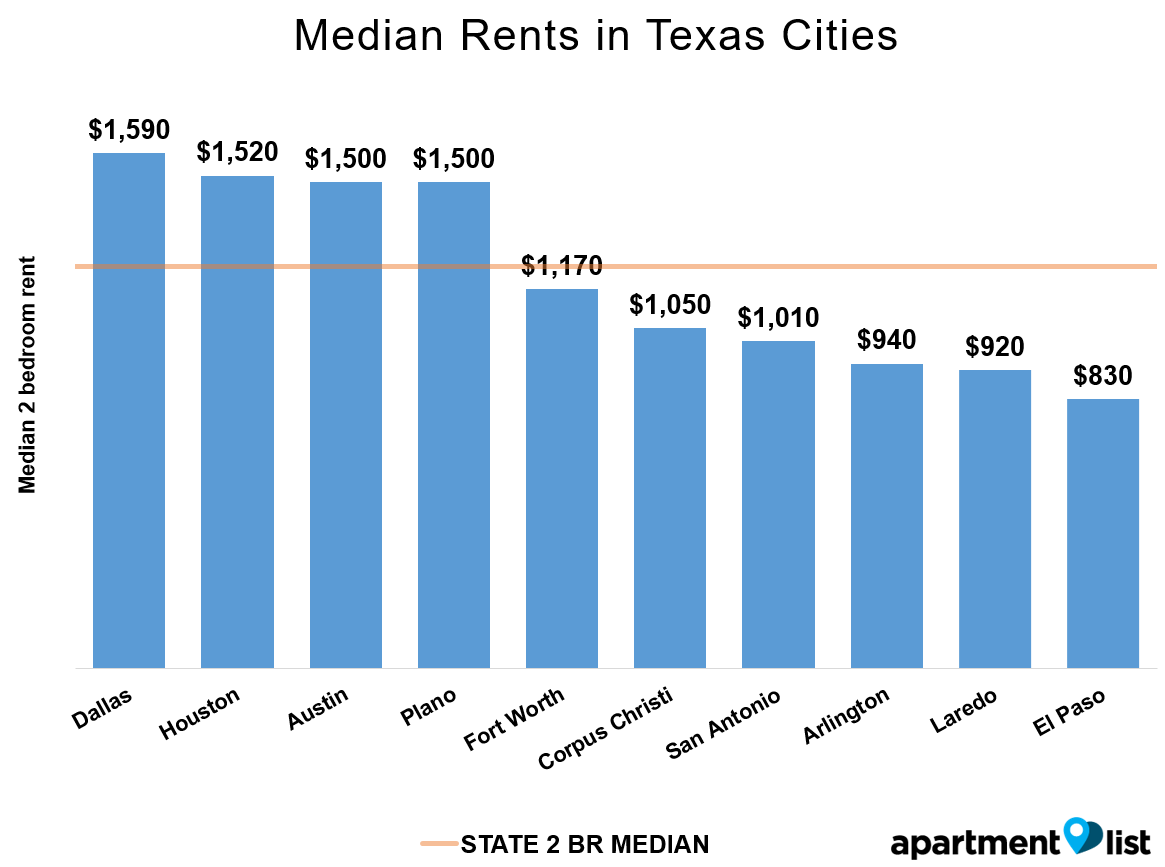
Dallas and the Dallas-Fort Worth Metroplex: As a sprawling economic engine, the Dallas-Fort Worth Metroplex offers a wide range of rental options. In prime areas like Uptown Dallas or the Plano suburbs, you can expect to pay upwards of $1,500 to $2,500+ per month for a one-bedroom apartment. For those seeking short-term luxury stays, serviced apartments or suites in hotels like the The Ritz-Carlton Dallas can range from $300 to $600 per night. The broader metroplex, however, offers more affordable options, with some areas seeing one-bedroom rents in the $1,000 to $1,300 range. This is particularly relevant for travelers looking for longer stays that may offer weekly or monthly discounts, often comparable to budget hotel rates but with more space and amenities.
-
Houston: Texas’s most populous city, Houston, presents a dynamic rental landscape. The energy sector and thriving medical center drive demand, influencing prices. In desirable neighborhoods such as the Museum District or the Galleria area, a one-bedroom apartment can typically cost between $1,300 and $2,000 per month. For vacationers or business travelers seeking temporary accommodation, a suite at a reputable hotel like the Hotel ZaZa Houston might be in the $250 to $450 per night bracket. As with Dallas, exploring neighborhoods further from the immediate city center can yield more budget-friendly options, potentially bringing monthly rents down to $900-$1,100 for a studio or one-bedroom.
-
Austin: Known for its vibrant music scene, tech industry, and unique culture, Austin has experienced significant rent increases in recent years. The demand for housing, both for long-term residents and for tourists seeking short-term rentals in popular districts like downtown or South Congress, has driven prices up. A one-bedroom apartment in Austin can easily range from $1,600 to $2,800+ per month. For shorter stays, boutique hotels and furnished apartments in areas close to Sixth Street or the Austin Convention Center might cost $200 to $400 per night. The market here is particularly competitive, making it essential to book accommodation in advance, whether it’s a hotel suite or a vacation rental.
-
San Antonio: Offering a rich blend of history, culture, and more manageable rental prices compared to its larger counterparts, San Antonio remains an attractive option. In popular areas near the Alamo or the Riverwalk, one-bedroom apartments might range from $1,100 to $1,700 per month. For visitors, hotel accommodations, including charming boutique hotels or well-known chains like the Hyatt Regency San Antonio Riverwalk, typically fall between $150 and $300 per night. The city also presents good value for those looking for longer-term stays, with furnished apartments often available at competitive rates, making it a popular choice for extended travel or temporary relocation.
Beyond the Metropolises: Regional Variations
While the major cities draw the most attention, Texas is a vast state with diverse regions, each offering distinct living experiences and rental costs.
-
Suburban and Mid-Sized Cities: Cities like Fort Worth, El Paso, Corpus Christi, and Arlington offer a more relaxed pace and generally lower rental costs compared to the primary metropolises. In these areas, one-bedroom apartments can often be found for $800 to $1,300 per month. This affordability makes them excellent choices for budget travelers, families seeking more space, or individuals looking for a quieter lifestyle. For those on vacation, hotels in these cities offer competitive rates, typically ranging from $100 to $200 per night, providing comfortable stays without the premium price tag of the larger urban centers. These cities also boast their own unique attractions and local culture, from the world-class museums in Fort Worth to the stunning coastal views in Corpus Christi.
-
Rural and Small Town Texas: Venturing into the smaller towns and rural areas of Texas, such as those in the Texas Hill Country or West Texas, offers the most affordable rental options. Here, monthly rents for apartments or small houses can be as low as $600 to $1,000. These locations are ideal for those seeking a tranquil escape, a slower pace of life, or an authentic rural experience. Accommodation might be more limited to local inns, bed and breakfasts, or individual home rentals. While major hotel chains may be scarce, the charm of these areas often lies in the unique, locally-run establishments that provide a more intimate travel experience. These regions are perfect for nature lovers, history buffs interested in preserved landmarks, and anyone looking to immerse themselves in the vastness of the Texan landscape.
Types of Accommodation and Their Rental Costs
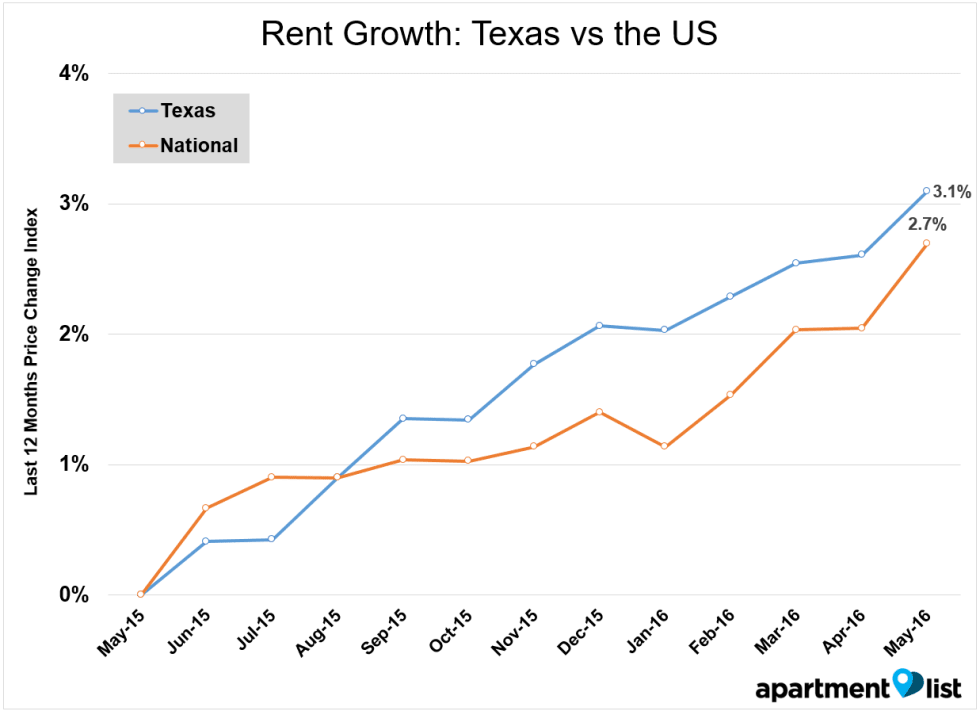
The “how much” of renting in Texas is significantly impacted by the type of accommodation you choose, whether for a short visit or a more extended period. The platform’s focus on various accommodation types, from hotels to long-term stays, allows for a comprehensive view of the rental market.
Short-Term Stays: Hotels, Suites, and Vacation Rentals
For travelers, short-term rentals are the most common form of accommodation. The cost here is typically on a per-night or per-week basis, with significant variations.
-
Hotels and Suites: Prices vary widely based on the city, location within the city, and the hotel’s star rating and amenities. Budget-friendly motels might be as low as $60-$100 per night, while mid-range hotels in suburban areas typically range from $100-$180. Upscale hotels and luxury suites in prime downtown locations, like those found in Dallas or Austin, can cost $200 to $600+ per night. Many hotels offer packages or discounts for longer stays, which can sometimes rival the cost of serviced apartments. Resorts in popular tourist destinations like San Antonio or the Texas Hill Country often include extensive amenities like pools, spas, and multiple dining options, justifying their higher nightly rates.
-
Vacation Rentals (Apartments, Villas, Houses): Platforms like Airbnb and VRBO offer a wide array of options, from studio apartments to spacious villas. For short stays, prices can be competitive with hotels, especially for larger groups or longer durations where weekly discounts apply. A private room in a shared apartment might cost $50-$90 per night, while a full apartment in a desirable neighborhood could range from $100-$250 per night. Luxury villas or entire homes in prime tourist spots can command $300 to $800+ per night, especially during peak seasons or local events like the South by Southwest (SXSW) festival in Austin. These rentals often provide more space, kitchen facilities, and a local living experience.
Long-Term Stays: Apartments and Furnished Rentals
For those planning to stay in Texas for several months or longer, the rental market shifts to monthly leases.
-
Unfurnished Apartments: Monthly rents for unfurnished one-bedroom apartments, as detailed in the city-specific sections, typically range from $900 to $2,800+, depending heavily on the metropolitan area and neighborhood. Two-bedroom apartments or larger homes will naturally cost more. These require an initial investment in furniture and utilities, but offer the lowest per-day cost for extended stays and the opportunity to truly settle in.
-
Furnished Apartments and Extended Stay Hotels: These options bridge the gap between short-term hotel stays and unfurnished apartments. They are ideal for business travelers, those relocating temporarily, or individuals who prefer not to commit to buying furniture. Furnished apartments often come with utilities included and a range of amenities, making them a convenient all-in-one solution. Monthly rates for furnished apartments can range from $1,300 to $3,500+, depending on size, location, and services. Extended stay hotels offer a similar convenience, with rates often calculated weekly or monthly, and can be more budget-friendly than fully serviced apartments, typically falling in the $900 to $2,000+ per month range. These are especially prevalent near business districts and airports, catering to a consistent demand for longer, flexible accommodations.
Factors Influencing Rental Prices Beyond Location
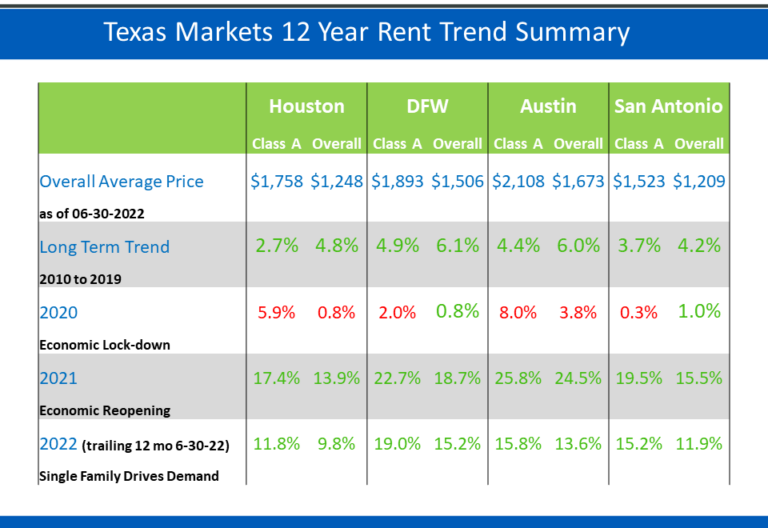
While city and type of accommodation are primary drivers of rental costs, several other factors play a significant role in determining how much you’ll pay for rent in Texas.
-
Amenities and Features: Just as in the hotel industry, the amenities offered in rental properties significantly impact price. Properties with modern finishes, in-unit laundry, private balconies, granite countertops, high-speed internet, or access to a swimming pool, fitness center, or co-working spaces will command higher rents. Even within the same neighborhood, a unit with premium features will be priced higher than a basic unit. For hotels, this extends to services like room service, concierge, and on-site restaurants.
-
Lease Term and Seasonality: For apartments and longer-term rentals, the length of the lease can influence pricing. Six-month leases might be slightly higher per month than 12-month leases due to the landlord’s desire for more consistent occupancy. For short-term stays, seasonality is a major factor. Rental prices for hotels and vacation rentals surge during peak tourist seasons, major events like concerts at the Moody Center in Austin, or during Texas high school football championships. Booking well in advance during these periods is crucial to secure favorable rates.
-
Utilities and Fees: It’s essential to understand what is included in the advertised rental price. While some furnished apartments and extended stay hotels include utilities (water, electricity, gas, internet), unfurnished apartments usually require tenants to set up and pay for these services separately. This can add an additional $150-$400+ per month to the total cost of living. Additionally, be aware of potential fees such as application fees, security deposits, pet fees, and parking fees, which can add to the upfront costs.
In conclusion, the question “How Much Is Rent In Texas?” doesn’t have a single answer. It’s a multifaceted inquiry that depends on your destination within the state, the type of accommodation you seek, and your intended length of stay. By considering the diverse urban centers, the charm of smaller towns, and the varied options from luxury resorts to cozy apartments, you can navigate the Texas rental market effectively, ensuring your stay, whether brief or extended, aligns with your budget and lifestyle preferences. This comprehensive overview aims to equip you with the knowledge to make informed decisions as you explore the unparalleled offerings of the Lone Star State.