
California, the Golden State, beckons with its diverse landscapes, iconic cities, and an unparalleled array of experiences. From the sun-drenched beaches of Laguna Beach and Malibu to the majestic peaks of Yosemite National Park, the bustling urban centers of Los Angeles and San Francisco, and the serene vineyards of Napa Valley, California truly offers something for every traveler. Whether you’re planning a luxurious escape, a budget-friendly family adventure, a business trip, or even considering a long-term stay, understanding the local financial landscape is crucial for effective budgeting. One of the most common questions visitors and new residents have revolves around the cost of goods and services, particularly, “How much is sales tax in California?”
Sales tax in California is a significant component of pricing for many purchases, directly impacting your travel budget and overall lifestyle expenses. Unlike some states with a flat rate, California’s sales tax system is a nuanced blend of a statewide base rate combined with various local district taxes, which can vary considerably from one city or county to another. This comprehensive guide will demystify California’s sales tax, helping you navigate its complexities and plan your spending more wisely, ensuring your Californian adventure or extended stay is as smooth and enjoyable as possible.
Unraveling California’s Sales Tax System
At its core, California’s sales tax system is designed to fund essential state and local services, from infrastructure projects to public safety. For travelers and those interested in temporary or long-term accommodation, understanding how this tax is structured is the first step to smart financial planning. It’s not just a single number you can memorize; it’s a dynamic figure that fluctuates based on your exact location within the state.
The Statewide Foundation: California’s Base Sales Tax
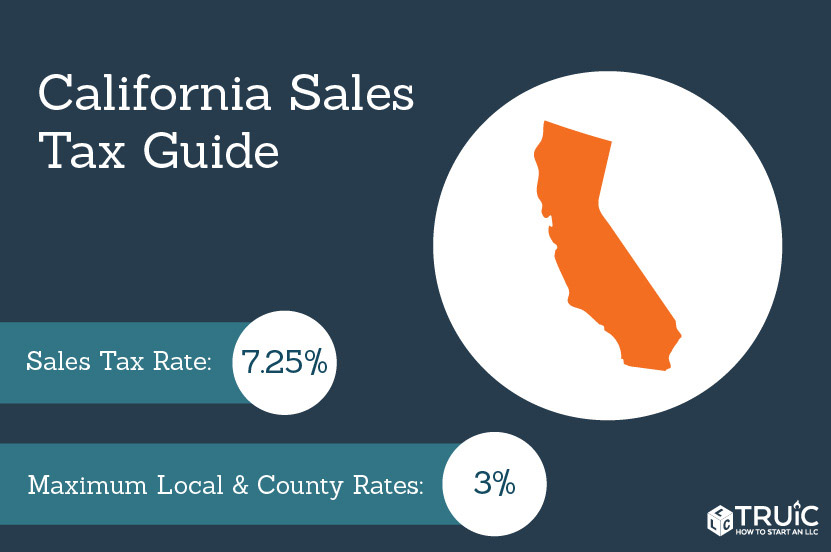
The foundation of California’s sales tax is the statewide base rate. As of the most recent figures, the statewide sales tax rate in California is 7.25%. This percentage is applied to the retail sale of most tangible personal property. This means that whether you’re buying a souvenir from a shop near the Golden Gate Bridge, a new outfit from a boutique in Beverly Hills, or electronics in Silicon Valley, this 7.25% will be the minimum tax you’ll pay on that purchase.
For example, if you purchase a piece of artwork for $100 in an area with only the base state tax, you would pay an additional $7.25 in sales tax, bringing your total to $107.25. This base rate is consistent across all 58 counties of California, providing a predictable starting point for understanding your expenditures. However, this is just the beginning of the story when it comes to the actual tax you’ll encounter.
Decoding Local Variations: City and County Add-Ons
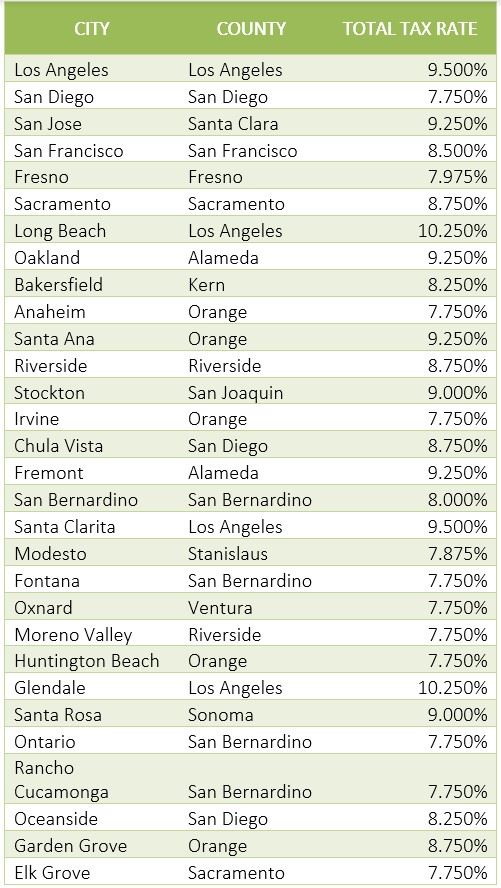
What makes California’s sales tax truly distinct is the addition of local district taxes. These are voter-approved taxes imposed by cities, counties, and special districts to fund specific local services or projects. These district taxes are added on top of the statewide 7.25% rate, resulting in a higher combined sales tax rate that varies significantly from one locality to another. This is particularly relevant for travelers moving between different destinations or residents exploring various parts of the state.
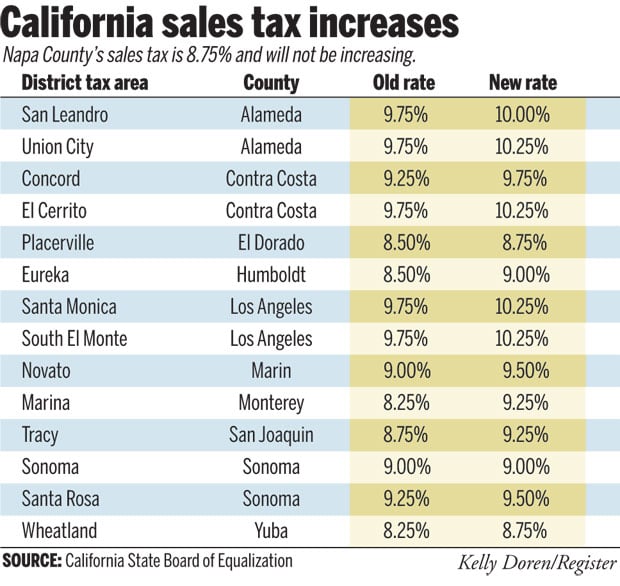
For instance, while the base rate is 7.25%, you’ll find that many popular tourist destinations and major metropolitan areas have significantly higher combined rates. Cities like Los Angeles, San Francisco, Oakland, and Santa Monica often have combined sales tax rates exceeding 9%, and some can even reach 10.25% or higher.
Consider a traveler visiting Orange County to experience Disneyland in Anaheim. The sales tax rate in Anaheim might differ from that in a neighboring city like Santa Ana. This means that a souvenir purchased inside Disneyland might incur a slightly different tax than the same item bought just a few miles away. Similarly, dining out in San Diego will carry a different sales tax percentage on your bill compared to a meal in Sacramento.
Here’s a simplified illustration of how rates can vary (rates are illustrative and subject to change):
- Statewide Base Rate: 7.25%
- Average Major City Rate (e.g., portions of Los Angeles County, San Francisco): 9.25% – 9.75%
- Highest Rates (specific districts/cities): Can exceed 10.0%
This variability underscores the importance of being aware of the specific sales tax rate in the locale you are visiting or residing in. While a 2-3 percentage point difference might seem minor on a single small purchase, it can add up substantially over a trip, especially when factoring in dining, shopping sprees, and larger items for those on longer stays. Always factor in these local variations when estimating the total cost of your travel experiences, from exploring Hollywood Walk of Fame to relaxing in Palm Springs.
What’s Taxed and What’s Not: A Traveler’s Guide
Understanding the applicable tax rate is only half the battle; knowing what is actually subject to sales tax is equally critical. For travelers and those seeking accommodation, certain categories of purchases are always taxed, while others fall into exempt categories, making a significant difference in your overall spending.
Essential Purchases: Goods and Services
California sales tax primarily applies to the retail sale of tangible personal property. This broad category covers most physical items you purchase. For someone exploring California, this includes a vast range of common expenses:
- Retail Goods: Clothing, electronics, souvenirs, books, cosmetics, sporting goods, home furnishings (for long-term stays or apartment rentals), and just about any physical product you buy from a store. Whether you’re shopping for luxury brands on Rodeo Drive in Beverly Hills or grabbing outdoor gear for a hike in Sequoia National Park, expect sales tax.
- Restaurant Meals and Prepared Food: When you dine out, sales tax is applied to your entire bill, including the food, beverages (alcoholic and non-alcoholic), and any prepared items purchased from delis, cafeterias, or food trucks. This impacts everything from a quick taco stand visit in San Diego to a gourmet meal in Carmel-by-the-Sea. Even a coffee or a pastry from a cafe will have sales tax applied if it’s consumed on the premises or packaged as a prepared meal.
- Car Rentals: If you plan to rent a car to drive along Big Sur or explore wine country, the rental charges themselves are subject to sales tax. Beyond the sales tax, be aware of other fees and taxes specific to car rentals, such as vehicle license fees and airport concession fees, which can add substantially to the total cost.
- Some Services that Result in a Tangible Product: While most pure services are not taxed, if a service involves creating or producing a tangible item (e.g., custom printing, dental labs making crowns), the final product is generally subject to sales tax. However, for the average traveler, this is less common than tangible goods.
Navigating Exceptions: Food, Accommodation, and More
Fortunately, not everything you spend money on in California is subject to sales tax. Understanding these exemptions can be key to stretching your budget further, especially for longer stays or budget-conscious travel.
- Groceries/Unprepared Food: This is one of the most significant exemptions for travelers and residents alike. Most purchases of unprepared food items from grocery stores, supermarkets, and farmers’ markets are exempt from sales tax. This means buying fresh produce, meats, packaged goods, and ingredients to cook your own meals (especially if you’re staying in an apartment or villa with kitchen facilities) won’t incur sales tax. This is a huge advantage for those planning extended stays or aiming to save money on dining. For example, stocking up at a local market in Santa Barbara will be tax-free on most items.
- Most Pure Services: Generally, services that do not result in the transfer of tangible personal property are not subject to sales tax. This includes services like haircuts, medical consultations, legal advice, dry cleaning (though materials used might be taxed), and professional services. For tourists, this means guided tours (the service itself, not merchandise bought), spa treatments, or museum entry fees are usually not subject to sales tax, though other fees or taxes might apply.
- Prescription Medications: All prescription medications, whether human or animal, are exempt from sales tax.
- Accommodation (Hotels, Resorts, Vacation Rentals): This is a crucial distinction. While hotels and other lodging facilities are a major expense for travelers, they are not subject to California sales tax. Instead, they are subject to a Transient Occupancy Tax (TOT), also commonly known as a “hotel tax” or “lodging tax.” This tax is imposed by cities and counties, and its rate varies widely. For example, the TOT in San Francisco is significantly different from that in Pasadena or Monterey. The TOT rates can range from around 8% to as high as 15-17% in major tourist hubs. This is an important consideration when comparing costs for booking a suite at a Grand Hyatt Hotel, a villa, or a resort like a Four Seasons Resort. Always check the specific TOT for your destination to accurately budget for your stay.
- Airfare and Other Transportation Tickets: Sales tax generally does not apply to airfare, train tickets, bus tickets, or ride-sharing services (though ride-sharing might have other surcharges).
Understanding these distinctions allows you to make informed decisions, whether you’re planning a trip to the theme parks in Anaheim or a tranquil retreat to the Mendocino Coast.
Budgeting for Your California Adventure: The Impact of Sales Tax
For many visitors, especially those on a budget or planning a longer stay, the cumulative effect of sales tax can significantly impact overall expenses. Factoring in sales tax from the outset is a smart strategy to avoid unexpected costs and manage your travel funds effectively, allowing you to fully enjoy everything from the natural beauty of Death Valley National Park to the cultural richness of Solvang.
Travel Expenses: From Souvenirs to Sightseeing
Every aspect of your California journey, from dining to shopping, will likely encounter sales tax.
- Dining Out: California boasts an incredible culinary scene, from food trucks to Michelin-starred restaurants. Every time you enjoy a meal or a coffee, sales tax will be added to your bill. If you’re on a two-week trip and dine out twice a day, even an average sales tax rate of 9% can add up to a substantial amount, easily hundreds of dollars over the course of your visit. For example, a $50 dinner bill will become $54.50 (with 9% sales tax), and that difference quickly accumulates.
- Shopping Sprees: Whether you’re exploring the high-end boutiques of Beverly Hills, the trendy shops of Santa Cruz, or picking up unique artisan crafts near Carmel, virtually all retail purchases of tangible goods will be taxed. A $200 souvenir or clothing item could cost you an additional $18-$20, depending on the local rate. This is particularly relevant if you plan on significant shopping at places like Universal Studios Hollywood merchandise stores or Union Square in San Francisco.
- Activities and Entertainment: While entry tickets to attractions like The Getty Center or Alcatraz Island are typically not subject to sales tax (as they are considered services or admissions), any merchandise you buy at gift shops within these attractions will be. Similarly, renting equipment for outdoor activities, such as bicycles for a ride along Santa Monica Pier, will usually include sales tax on the rental fee.
Lifestyle Costs: Understanding Everyday Spending
For those considering an extended stay, long-term accommodation, or even relocation to California, sales tax impacts a broader spectrum of everyday lifestyle costs.
- Home Furnishings and Appliances: If you’re furnishing an apartment or a long-term rental, sales tax will be applied to all furniture, appliances, and decorative items. This can be a significant upfront cost for anyone setting up a temporary or permanent home in the state.
- Electronics: From laptops and smartphones in Silicon Valley to cameras for capturing the beauty of Joshua Tree National Park, electronic purchases are subject to sales tax, adding a notable percentage to their often already high price tags.
- Vehicle Purchases: If you purchase a car while in California, you’ll pay sales tax on the vehicle’s price, which can amount to thousands of dollars given the base value of most cars.
Understanding these implications is key for visitors and residents to create a realistic financial plan that accounts for the true cost of living and traveling in California.
Smart Spending Strategies for California Visitors and Residents
Navigating California’s sales tax system doesn’t have to be daunting. With a few smart strategies, you can minimize surprises and make the most of your budget, whether you’re exploring historical landmarks like Hearst Castle or enjoying the vibrant nightlife in Los Angeles.
Planning Your Purchases
Being proactive about understanding where and how sales tax applies can lead to more efficient spending.
- Research Local Tax Rates: Before making a significant purchase, especially if you’re traveling between different cities, quickly check the sales tax rate for that specific location. Numerous online resources and apps provide up-to-date sales tax rates for any California ZIP code. This can be particularly useful for larger retail items or if you have flexibility on where you make your purchases.
- Budget for Tax-Inclusive Prices: Instead of thinking of an item’s sticker price, always add an estimated sales tax percentage (e.g., 9-10% for major cities) to get a more accurate total. This mental adjustment helps you avoid sticker shock at the register and ensures you have sufficient funds.
- Utilize Grocery Stores for Meals: As unprepared food is sales tax-exempt, buying groceries and preparing some of your own meals can lead to substantial savings, especially for families or those on extended trips. Opting for accommodations with kitchenettes or full kitchens, such as vacation rentals, suites, or serviced apartments, makes this strategy even more feasible and aligns perfectly with budget travel and long-term accommodation goals.
- Understand TOT for Accommodation Separately: Remember that hotel taxes (TOT) are distinct from sales tax. When booking hotels, resorts, or apartments, ensure you see the total price, including all taxes and fees, before confirming your reservation. TOT can add a significant percentage (sometimes over 15%) to your nightly rate, and it varies by city, so a hotel in San Francisco will have a different TOT than one in Lake Tahoe.
Tax-Savvy Tips for an Enjoyable Stay
Beyond planning, a few practical tips can help optimize your spending experience.
- Keep Track of Receipts: For business travelers or those needing to expense purchases, keeping clear records of all receipts, including the sales tax breakdown, is essential.
- Consider Online Shopping (with caveats): While online purchases are generally subject to sales tax based on the shipping address in California, sometimes specific online retailers (especially smaller ones) might have different tax nexus rules. However, for major retailers, expect to pay sales tax. This strategy might be less about avoiding tax and more about convenience or price comparison.
- Focus on Experiences Over Tangible Goods: If your budget is tight, prioritize experiences that are not subject to sales tax (like national park entry fees, hiking in Joshua Tree National Park, exploring beaches, or visiting free attractions like Griffith Observatory‘s grounds). While souvenirs are tempting, focusing on memories can be more budget-friendly.
- Learn About Refund Policies: While sales tax refunds for tourists on purchases are not generally available in the U.S. (unlike some other countries), understanding return policies can still save you money if you make an impulse buy you later regret.
By integrating these insights into your financial planning, you can confidently navigate California’s sales tax landscape. Whether you’re embarking on an epic road trip, enjoying the local culture and food, or settling into a long-term stay, being prepared for sales tax will ensure your focus remains on experiencing the incredible beauty and diversity that the Golden State has to offer. Enjoy your journey through California, knowing you’re making smart financial choices every step of the way!
LifeOutOfTheBox is a participant in the Amazon Services LLC Associates Program, an affiliate advertising program designed to provide a means for sites to earn advertising fees by advertising and linking to Amazon.com. Amazon, the Amazon logo, AmazonSupply, and the AmazonSupply logo are trademarks of Amazon.com, Inc. or its affiliates. As an Amazon Associate we earn affiliate commissions from qualifying purchases.