
Embarking on a journey to the Golden State promises an unforgettable experience, filled with iconic landmarks, diverse landscapes, and a vibrant lifestyle. Whether you’re planning a luxurious escape to Beverly Hills, a family adventure to Disneyland, or a tranquil retreat to Napa Valley, understanding the nuances of travel expenses is key to a smooth and enjoyable trip. Among these considerations, sales tax often emerges as a common point of inquiry for visitors. While often overlooked in initial budgeting, sales tax can subtly inflate your spending, especially when you factor in souvenirs, dining out, and everyday purchases. This comprehensive guide aims to demystify California’s sales tax system, providing travelers with the essential knowledge needed to budget effectively and explore the state with confidence. From the bustling streets of Los Angeles to the scenic vistas of San Francisco, we’ll delve into how sales tax applies to your travel expenditures, ensuring your focus remains on creating cherished memories rather than unexpected costs.
Understanding California’s Sales Tax Landscape for Travelers
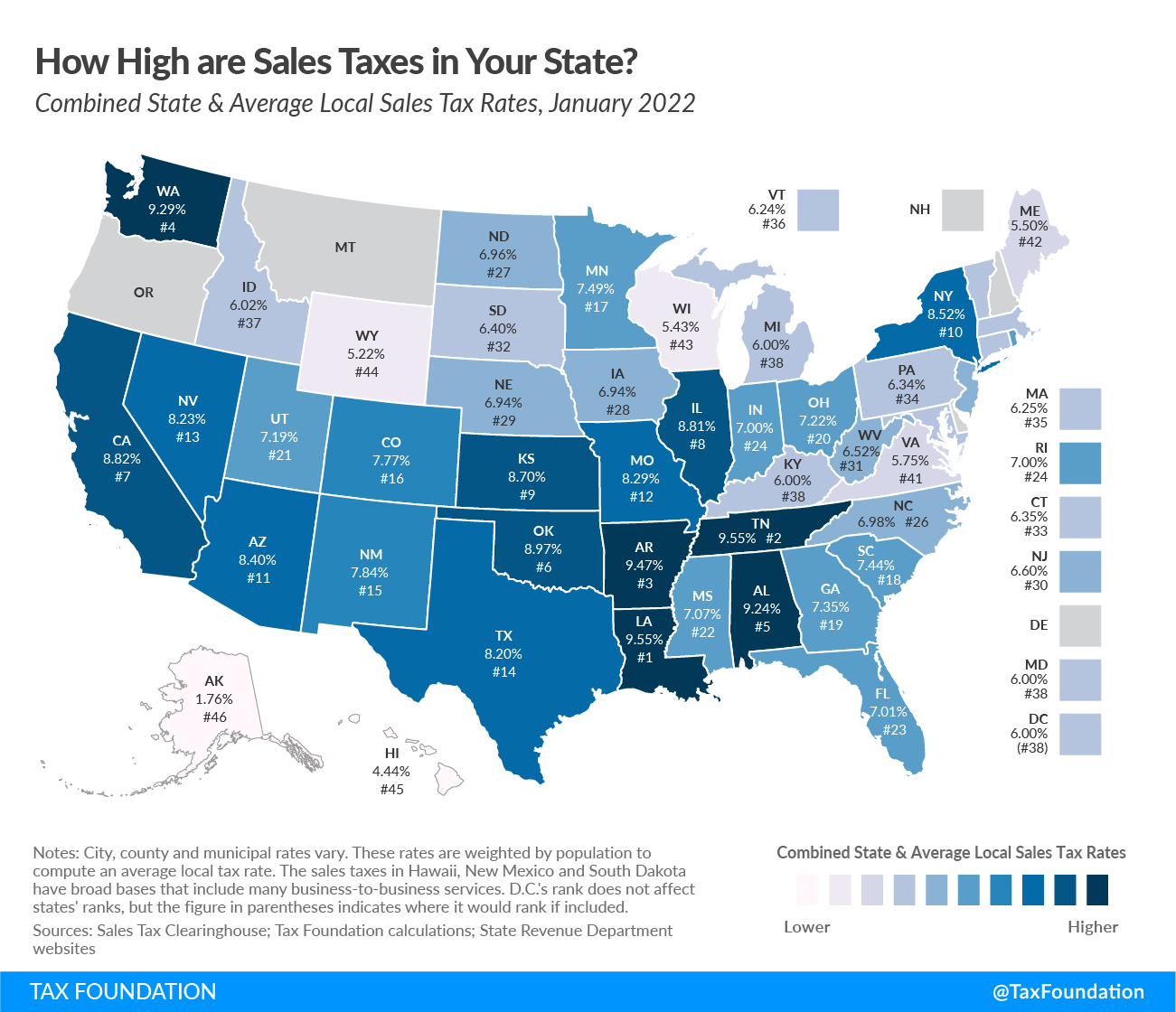
When planning your visit to California, a fundamental understanding of its sales tax structure is paramount. Unlike some other states in the United States that have no statewide sales tax, California levies a substantial one, which is then augmented by local rates. This two-tiered system means that the final sales tax you pay can differ significantly from one city or county to another. For the savvy traveler, being aware of these variations is crucial for managing your budget, particularly when making substantial purchases or simply enjoying the myriad of dining and shopping opportunities the state offers.
The Statewide Base Rate: A Foundation for Your Budget
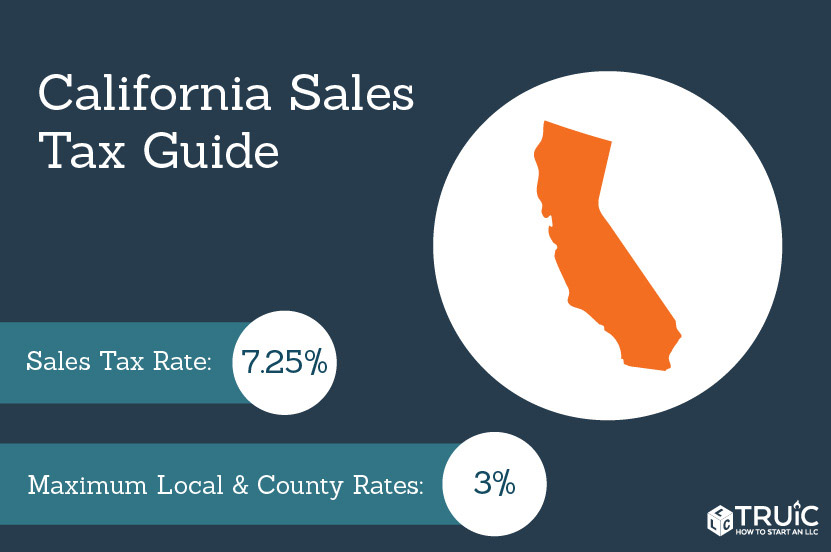
At the heart of California’s sales tax system is a statewide base rate. As of our last update, the statewide sales tax rate in California is 7.25%. This percentage is applied to the retail sale of most tangible goods. For visitors, this means that virtually every physical item you purchase—be it a souvenir from Pier 39 in San Francisco, a new outfit from a boutique on Rodeo Drive, or even toiletries from a local convenience store—will have this 7.25% added to its sticker price.
This base rate is consistent across all 58 counties of California, setting a predictable foundation for expenses on items like clothing, electronics, books, and many other retail products. However, it’s vital to remember that this is just the starting point. Your final tax bill will almost certainly be higher due to the imposition of local district taxes, which vary widely depending on your exact location within the state. Budgeting for this base rate is a good first step, but a more detailed approach is needed to account for the total sales tax burden.
Local District Taxes: Why Rates Vary Across California
The variability in California’s sales tax rates comes from the addition of local district taxes. These are voter-approved taxes levied by cities, counties, and special districts to fund a variety of local services, ranging from transportation improvements and public safety initiatives to local cultural programs and park maintenance. As a traveler, this means that your total sales tax rate could be anywhere from the baseline 7.25% up to an impressive 10.75% or even higher in some specific areas.
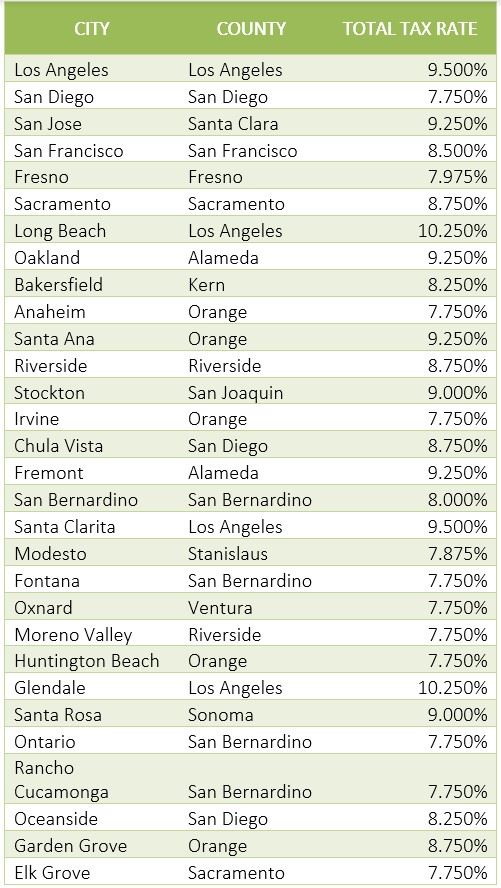
For instance, major metropolitan areas and popular tourist destinations often have higher cumulative sales tax rates. In Los Angeles County, many cities, including Los Angeles itself and Santa Monica, frequently see rates around 9.5% to 10.25% due to various local district taxes. Similarly, San Francisco County (which is coterminous with the City of San Francisco) typically has a rate around 8.625%, while Alameda County and Oakland can also have elevated rates. Even popular leisure spots like Anaheim, home to Disneyland Park, and resort towns like Palm Springs, will have their unique local district rates.
These local taxes are critical for funding the infrastructure and services that enhance the visitor experience, from well-maintained roads and public transportation to beautiful parks and cultural attractions. However, for the traveler, it necessitates a slightly more nuanced budgeting approach. A purchase made in one city might be marginally cheaper than the exact same item bought in a neighboring town, purely due to the difference in local sales tax add-ons. It’s advisable to check the specific sales tax rate for the cities you plan to visit extensively, especially if you anticipate making significant purchases.
What’s Taxable (And What Isn’t) for Visitors
Navigating the sales tax landscape in California also involves understanding the distinction between taxable and non-taxable items and services. This is particularly relevant for travelers, whose spending patterns often involve a mix of retail goods, dining experiences, and various services. Knowing what to expect can prevent surprises on your receipts and help you allocate your travel funds more efficiently across accommodation, dining, and activities.
Taxable Goods: Souvenirs, Clothing, and More
Generally speaking, in California, sales tax applies to the retail sale of most tangible personal property. This category encompasses a vast array of items that travelers commonly purchase. Think of the memorable souvenirs you might pick up from Universal Studios Hollywood or Fisherman’s Wharf, the trendy clothing you might buy in San Francisco’s Union Square, or any electronics you might need on your trip. These are all subject to sales tax.
Other common taxable items for travelers include:
- Apparel and accessories: From luxury brands to everyday wear, all clothing items are subject to sales tax.
- Electronics: Cameras, headphones, chargers, or any gadgets you might purchase are taxable.
- Personal care items: Cosmetics, toiletries (unless purchased with a medical prescription), and other personal hygiene products.
- Books, magazines, and other media: If you pick up a novel for your beach read in Santa Monica or a guidebook for Yosemite National Park, it will be taxed.
- Art and craft items: Whether you’re buying a piece from a gallery or a handmade item from a local market, sales tax usually applies.
- Prepared food and beverages: This is a significant category for travelers and is discussed in more detail below.
It’s important to remember that the tax is applied at the point of sale, and retailers are responsible for collecting it. Therefore, the price you see on the shelf for these items will not be the final price you pay at checkout; sales tax will be added.
Services and Food: Key Distinctions for Travelers
The application of sales tax to services and food can be a bit more nuanced and often leads to confusion for visitors.
Services: Generally, most services are not subject to sales tax in California. This is a crucial distinction. For example:
- Hotel stays/Accommodation: While your hotel room will incur an occupancy or transient occupancy tax (TOT), which is a local tax imposed by cities and counties, it typically does not incur sales tax. The TOT rate varies widely (e.g., Los Angeles has a 14% TOT, San Francisco a 14% TOT, and San Diego a 10.5% TOT), but it’s distinct from sales tax. This is an important budgeting note, as TOT can be a significant addition to your accommodation costs.
- Transportation services: Ride-shares, taxis, bus fares, and train tickets are generally not subject to sales tax.
- Admission fees: Tickets to attractions like Alcatraz Island, Disneyland, or museums like the Getty Center are typically not subject to sales tax, though they may have other fees or charges embedded in the price.
- Personal services: Haircuts, spa treatments, tours, and guided experiences are generally exempt from sales tax.
Food and Beverages: This is where it gets particularly interesting for travelers who enjoy dining out.
- Prepared food: Any food or beverage that is prepared by the seller for immediate consumption, whether at a restaurant, fast-food establishment, or even a deli counter, is generally subject to sales tax. This includes restaurant meals, takeout orders, coffee shop drinks, and food purchased from vending machines. So, that gourmet meal in Napa Valley or your morning coffee in Hollywood will have sales tax added.
- Non-prepared food (groceries): Most food products sold for consumption at home or for later preparation (e.g., items bought from a grocery store like fresh produce, packaged meats, dairy, and staple ingredients) are generally exempt from sales tax. This can be a smart way to save money if you’re staying in accommodation with kitchen facilities, allowing you to stock up on essentials without the added tax. However, if a grocery store sells “hot prepared food” or “cold prepared food” like sandwiches, salads, or hot buffet items that are ready to eat, those specific items will be subject to sales tax.
Understanding these distinctions can help you make more informed choices about where and how you spend your money during your California adventure, from selecting your accommodation to planning your dining experiences.
Navigating Sales Tax in Popular California Destinations
For travelers, the varying sales tax rates across California’s diverse regions mean that budgeting for purchases requires a localized approach. What might seem like a small difference in percentage points can accumulate into a noticeable sum over the course of a trip, especially when considering souvenir shopping, dining, and other retail expenditures. Knowing the specific rates for your chosen destinations and employing smart spending strategies can significantly enhance your travel experience and financial planning.
Major City Snapshots: Los Angeles, San Francisco, and Beyond
California is home to some of the most iconic cities in the world, each with its unique charm, attractions, and, of course, sales tax rates.
- Los Angeles: As the sprawling entertainment capital, Los Angeles County often sees sales tax rates ranging from 9.5% to 10.25%, depending on the specific city. For example, in the city of Los Angeles itself, rates frequently hover around 9.5%. This impacts purchases made at major shopping centers like The Grove or while enjoying a meal after visiting the Hollywood Walk of Fame or Universal CityWalk.
- San Francisco: This vibrant Northern California city typically has a sales tax rate of 8.625%. This rate applies to items purchased at boutiques in Union Square, souvenirs near the Golden Gate Bridge, or dining experiences in North Beach.
- San Diego: Known for its beautiful beaches and family-friendly attractions like the San Diego Zoo and Balboa Park, San Diego typically has a sales tax rate of 7.75%. This is lower than Los Angeles or San Francisco, offering a slight saving on purchases.
- Sacramento: The state capital in the Central Valley often has a rate around 8.75%.
- Orange County Cities (e.g., Anaheim, Irvine): Home to Disneyland Resort and stunning coastal cities, rates here can vary but are often around 7.75% to 8.75%.
These figures highlight that careful consideration of your itinerary can sometimes lead to minor savings, particularly for larger purchases. While a tourist wouldn’t choose a destination purely based on sales tax, being aware of these differences helps refine budgeting.
Smart Spending Strategies for Your California Adventure
Armed with knowledge about California’s sales tax, travelers can implement several strategies to optimize their spending:
- Budget with Tax in Mind: When setting your budget for shopping and dining, always factor in the estimated sales tax for your primary destinations. Don’t assume the sticker price is the final price.
- Check Local Rates: Before a shopping spree, a quick online search for the current sales tax rate in that specific city or county can be beneficial. The California Department of Tax and Fee Administration (CDTFA) website is a reliable resource.
- Grocery vs. Restaurant: For meals, consider purchasing groceries from a supermarket for breakfast or picnic lunches (non-taxable) and splurging on prepared meals at restaurants (taxable) for dinner or special occasions. This balances cost and experience.
- Online vs. In-Store: If you’re a resident of a state with lower or no sales tax, purchasing items online and having them shipped to your home address might be an option for significant buys, though you might still be liable for use tax in your home state. For items purchased and shipped within California, sales tax will generally apply based on the shipping destination.
- Review Receipts: Always glance at your receipts. While errors are rare, it’s good practice to ensure the correct sales tax rate has been applied, especially in areas with complex district taxes.
- Focus on Experiences: Since most services (like attraction tickets, tours, and massages) are not subject to sales tax, prioritizing experiences over tangible goods can sometimes lead to a lower overall tax burden on your trip.
By integrating these strategies into your travel planning, you can navigate California’s sales tax system effectively, allowing you to focus on enjoying the Golden State’s countless attractions, from the beaches of La Jolla to the majestic Redwood National and State Parks.
The Broader Impact: Sales Tax and the Golden State’s Tourism Economy
While travelers often view sales tax as an added cost, it’s essential to understand its broader role within the California economy, particularly concerning tourism. The revenue generated from sales tax is a vital component of public funding, directly and indirectly contributing to the very infrastructure and attractions that draw millions of visitors to the Golden State each year. For a travel-focused audience, appreciating this connection adds another layer to understanding the financial ecosystem of their destination.
Funding Infrastructure and Attractions
The sales tax revenue collected by the state and local governments in California is channeled into a wide array of public services and developments. These include:
- Transportation Infrastructure: A significant portion goes towards maintaining and improving roads, highways (like the scenic Pacific Coast Highway), public transportation systems, and airports. Smooth roads and efficient transit directly benefit tourists, making it easier to navigate from bustling urban centers to serene natural wonders like Lake Tahoe or Big Sur.
- Public Safety and Services: Sales tax helps fund police, fire departments, and other essential services, contributing to the overall safety and security that makes California an attractive destination.
- Parks and Recreation: Local district taxes often support regional parks, beaches (such as Venice Beach or those in Santa Barbara), and cultural institutions. This investment helps maintain the natural beauty and recreational opportunities that are hallmarks of the California experience, from Joshua Tree National Park to local art museums.
- Community Development: Funding from sales tax can also support local tourism initiatives, marketing campaigns, and events that draw visitors, thereby sustaining local economies and creating jobs within the hospitality sector.
In essence, the sales tax paid by residents and visitors alike plays a crucial role in building and preserving the very environment that makes California a premier travel destination. While it adds to the cost of purchases, it simultaneously fuels the quality of life and the richness of experience that visitors come to enjoy.
Beyond Sales Tax: Other Considerations for Travelers
While sales tax is the focus of this discussion, it’s important for travelers to be aware of other common taxes and fees that can impact their overall budget in California. These are distinct from sales tax but are equally important for comprehensive financial planning:
- Occupancy/Transient Occupancy Tax (TOT): As mentioned, this is levied on hotel, motel, and other short-term accommodation stays. Rates vary significantly by city and county, often ranging from 8% to 15% or more. This is typically a major component of accommodation costs for travelers.
- Rental Car Taxes and Fees: In addition to the base rental price, you’ll often encounter various fees and taxes on rental cars, which can include airport concession fees, vehicle license fees, and city or county surcharges. These can add a substantial amount to the daily rental rate.
- Gasoline Excise Tax: California has one of the highest gasoline taxes in the nation, which is built into the price you see at the pump. This is a crucial consideration for those planning extensive road trips along routes like the Pacific Coast Highway or exploring vast regions like the Sierra Nevada mountains.
- Tourism Improvement Districts (TID) Fees: Some destinations, particularly those with a strong tourism focus, may levy additional fees on hotel stays or certain tourist services to fund local tourism marketing and development.
Understanding this array of potential costs allows for a more accurate and robust travel budget, ensuring that your California adventure remains a joyous exploration rather than a series of unexpected financial surprises. By being informed about sales tax and other potential levies, you can plan a more relaxed and enjoyable trip to the Golden State.
Final Tips for a Tax-Savvy Trip to California
Embarking on a journey through California is an experience rich in discovery, from the bustling urban centers to the serene natural landscapes. While the state’s diverse attractions and vibrant culture are undoubtedly the main draws, a thoughtful approach to budgeting, particularly concerning sales tax, can significantly enhance your trip. Being prepared means you can focus more on soaking in the sun on Catalina Island, exploring the historic charm of Carmel-by-the-Sea, or enjoying the thrills of Six Flags Magic Mountain, rather than being caught off guard by unexpected costs.
Here are some concluding tips to ensure a tax-savvy and enjoyable California adventure:
- Integrate Sales Tax into Your Initial Budget: The golden rule for any trip to California is to never assume the displayed price is the final price. When budgeting for souvenirs, dining, or shopping, add an extra 8-10% to the item’s cost to account for sales tax. This buffer will cover most local rates across popular destinations and prevent underestimation.
- Utilize Grocery Stores for Everyday Essentials: For significant savings on food, leverage California’s abundant grocery stores. Purchasing non-prepared food items like fruits, snacks, beverages, and ingredients for simple meals in your accommodation can substantially reduce your taxable food expenses compared to exclusively dining out. This is especially true for longer stays or family trips.
- Prioritize Tax-Exempt Experiences: Since most services and admission fees to attractions are not subject to sales tax, consider allocating a larger portion of your budget towards experiences. Whether it’s a whale watching tour off Dana Point, a wine tasting experience in Paso Robles, or an admission ticket to the California Academy of Sciences, these activities offer immense value without the added sales tax burden.
- Be Aware of Local Rate Variations: While you don’t need to memorize every city’s sales tax rate, having a general understanding that rates are higher in major metropolitan areas like Los Angeles and San Francisco compared to some smaller towns can inform your spending decisions. If you’re planning a significant purchase, it might be worth a quick check on the local rate.
- Distinguish Between Sales Tax and Other Travel Taxes: Remember that sales tax is distinct from other common travel-related taxes like the Transient Occupancy Tax (TOT) on hotel stays or various rental car fees. Factor all these into your overall travel budget for a truly comprehensive financial plan. These other taxes often represent a more significant portion of your accommodation and transportation costs than sales tax on individual purchases.
- Keep Digital or Physical Records: For peace of mind and potential expense tracking, keep receipts of major purchases. This helps you monitor your spending against your budget and ensures transparency in your transactions.
By embracing these tips, your exploration of California will be as economically smooth as it is culturally rich. The Golden State offers a world of opportunities for every kind of traveler, and a little forethought regarding sales tax will ensure your focus remains on the breathtaking scenery, vibrant cities, and unforgettable moments that await you. Enjoy your journey through California – a truly remarkable destination where every dollar, and every tax penny, contributes to its enduring allure.
LifeOutOfTheBox is a participant in the Amazon Services LLC Associates Program, an affiliate advertising program designed to provide a means for sites to earn advertising fees by advertising and linking to Amazon.com. Amazon, the Amazon logo, AmazonSupply, and the AmazonSupply logo are trademarks of Amazon.com, Inc. or its affiliates. As an Amazon Associate we earn affiliate commissions from qualifying purchases.