
When planning a trip to the Golden State, understanding the tax implications is crucial for budgeting and avoiding surprises. California, a state known for its stunning landscapes, vibrant cities, and diverse attractions, also has a complex tax system that impacts travelers and residents alike. From sales tax on everyday purchases to specific taxes on accommodations and entertainment, navigating these fiscal details can significantly influence your overall travel expenses. This guide aims to demystify the tax landscape in California, providing insights into what you can expect to pay and how it might affect your next adventure.
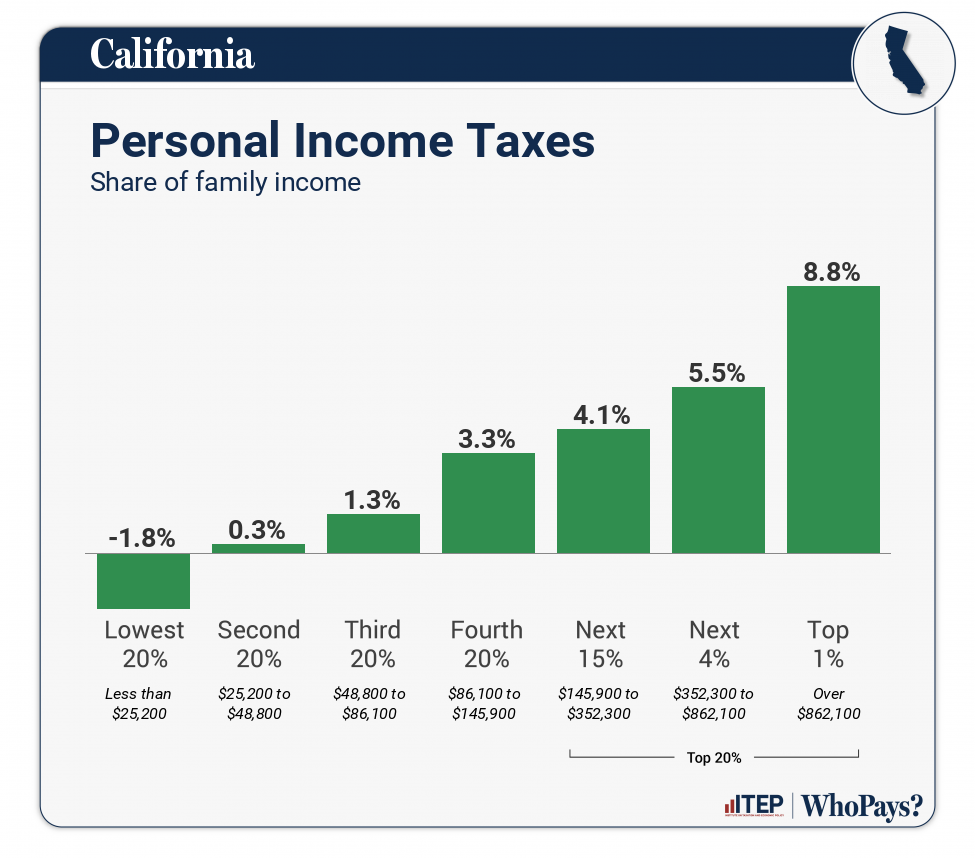
California’s tax structure is multifaceted, encompassing various levies that contribute to the state’s extensive public services and infrastructure. For a tourist, the most immediate and noticeable taxes are usually sales tax, followed by occupancy taxes on hotels, and potentially excise taxes on certain goods and services. Understanding these components will empower you to make more informed decisions, whether you’re booking a luxurious stay at the Ritz-Carlton Laguna Niguel or enjoying a budget-friendly meal in Los Angeles.
Understanding California Sales Tax
The cornerstone of California’s tax revenue from consumer spending is the state sales and use tax. This tax is applied to the retail sale of tangible personal property. However, the rate is not uniform across the state. It’s a combination of a state rate and local district taxes, which can vary significantly from one city to another. This means that a purchase made in [San Francisco](https://lifeoutofthebox.com/san-franc Francisco) could have a different total sales tax rate than the same item bought in San Diego.
State Sales Tax Rate
The current statewide sales tax rate in California is 7.25%. This is the base rate that applies everywhere in the state. However, this base rate rarely represents the total tax you’ll pay. Most jurisdictions add local district taxes on top of this state rate, often referred to as “add-on” taxes. These local taxes can range from 0.25% to over 3%, bringing the combined rate considerably higher in many areas.
Local Sales Tax Variations
The variability in local sales tax rates is a key factor to consider when shopping or dining across California. For instance, a purchase in Los Angeles County might be subject to a higher combined rate than in San Mateo County. Cities within these counties can also impose their own additional district taxes, further differentiating the final price.
To illustrate, let’s consider some major tourist destinations:
- Los Angeles: The combined sales tax rate in the city of Los Angeles is currently 9.5%. This includes the state rate and various local district taxes.
- San Francisco: The sales tax rate in San Francisco is also 9.5%.
- San Diego: In San Diego, the combined rate is 7.75%.
- Anaheim: Home to Disneyland Resort, Anaheim has a sales tax rate of 7.75%.
These differences, while seemingly small per transaction, can add up over the course of a vacation, especially if you’re planning to do a significant amount of shopping or dining out. It’s always advisable to check the specific sales tax rate for the city or county you are visiting. The California Department of Tax and Fee Administration (CDTFA) provides a helpful online lookup tool for verifying these rates.
What is Taxable?
Generally, tangible personal property is subject to sales tax. This includes items like clothing, electronics, souvenirs, and prepared food sold in restaurants. However, there are exemptions. For instance, most grocery items purchased for home consumption are not taxed. Services are also often not subject to sales tax, though there are exceptions, such as some repair services or admission to entertainment venues. Understanding these nuances can help you differentiate between taxed and non-taxed purchases, further aiding your budgeting.
Transient Occupancy Tax (TOT) – Taxes on Stays
Beyond sales tax, travelers staying in hotels, motels, and other forms of lodging in California will encounter another significant tax: the Transient Occupancy Tax (TOT), often referred to as a “lodging tax” or “hotel tax.” This tax is levied by local governments on individuals who occupy hotel rooms or similar accommodations for less than 30 consecutive days. The revenue generated from TOT is typically used by the city or county to fund local services, tourism promotion, and improvements to infrastructure that benefit visitors.
Local Control and Varying Rates
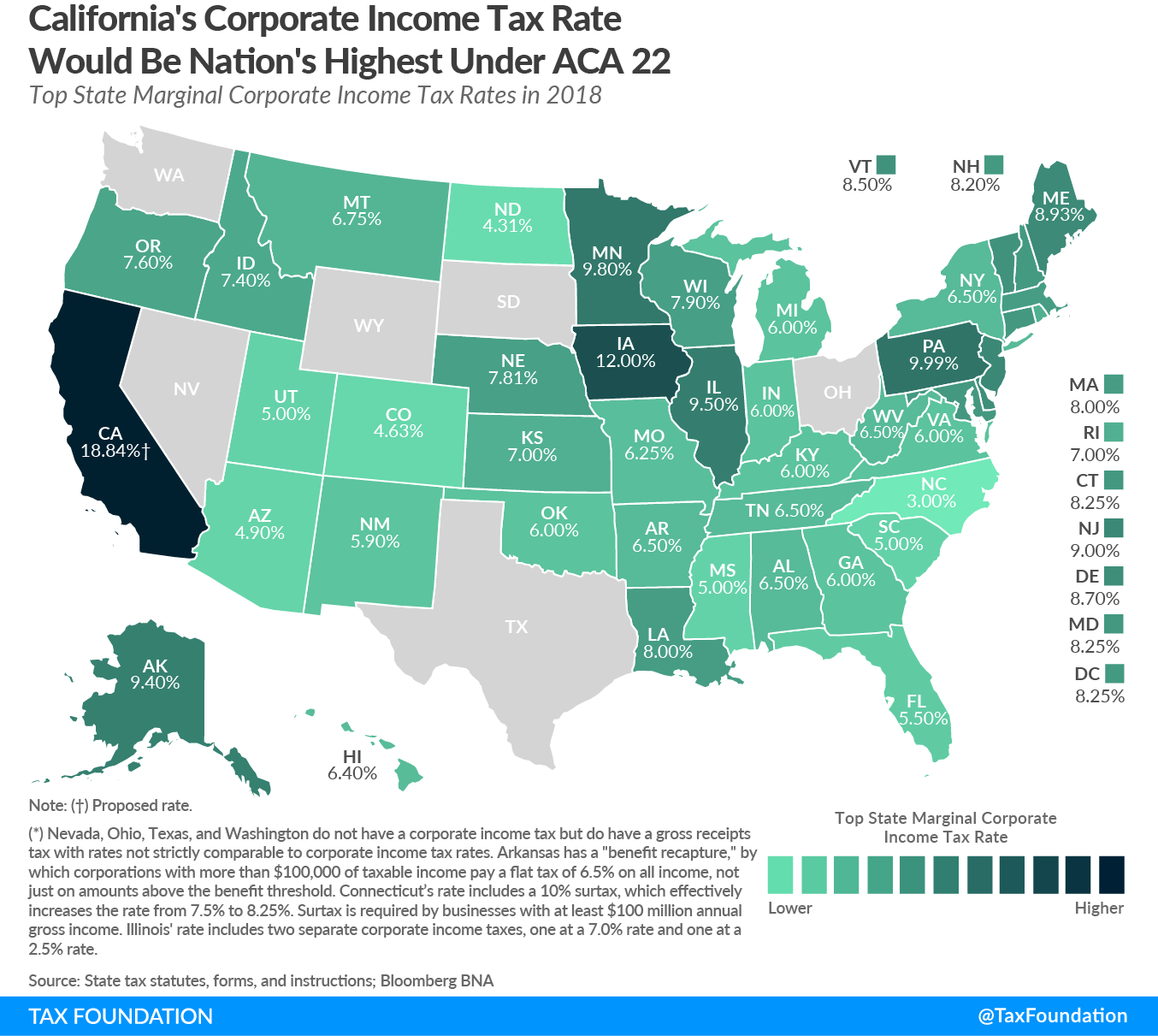
Similar to sales tax, TOT rates are set at the local level and vary widely across California. Cities and counties have the authority to determine their own TOT rates, and these can range from a low of 2% to as high as 15% or more in some popular tourist destinations. This means that the cost of staying at a comparable hotel in different cities can vary considerably due to these lodging taxes.
Let’s look at some examples of TOT rates in popular tourist areas:
- Los Angeles: The TOT rate in the city of Los Angeles is currently 14%.
- San Francisco: San Francisco imposes a TOT rate that can range from 14% to 16%, depending on the specific location within the city.
- San Diego: The TOT rate in San Diego is 10.5%.
- Anaheim: The TOT in Anaheim is 15%.
- Palm Springs: This desert oasis, known for its mid-century modern architecture and resorts like the Parker Palm Springs, has a TOT rate of 12%.
When booking accommodation, it’s essential to check not only the nightly room rate but also the total cost including TOT. Many booking websites will clearly display this information, but it’s always good practice to confirm. This tax is usually added to your bill at checkout.
Factors Influencing TOT
The TOT rate can sometimes be influenced by factors such as the type of accommodation or its location within a city. Some cities might have different rates for different zones or for different types of lodging facilities. Additionally, some areas may also levy a “Tourism Business Improvement District” (TBID) fee, which is an additional assessment to fund local tourism marketing efforts, further contributing to the total cost of your stay. For example, guests at hotels in areas like Hollywood might see an additional TBID fee on top of the standard TOT.
Other Taxes and Fees Affecting Travelers
Beyond sales tax and transient occupancy tax, California has other taxes and fees that might impact your travel experience. These can include taxes on rental cars, parking, entertainment, and specific industries. While not always as universally applicable as sales tax or TOT, they can add up, especially for specific types of trips.
Rental Car Taxes
If you plan to rent a vehicle to explore attractions like Yosemite National Park or drive the scenic Pacific Coast Highway, you’ll likely face taxes on your rental. Rental cars are generally subject to sales tax, similar to other goods. However, many cities and counties also impose special rental car taxes or fees, which can add a significant percentage to the rental cost. These can vary widely, with some locations having much higher fees than others. For example, Los Angeles International Airport (LAX) often has specific airport concession fees and taxes that apply to car rentals picked up at the airport.
Parking Taxes
Parking, especially in densely populated urban areas like San Francisco or downtown San Diego, can be expensive, and taxes contribute to this cost. Many cities levy a sales tax on parking fees. Additionally, some municipalities have specific parking surcharges or taxes aimed at managing traffic and generating revenue. This is particularly relevant for travelers who rely on private vehicles for getting around, and it’s a good idea to factor parking costs, including taxes, into your daily budget when visiting major cities.
Entertainment and Admission Taxes
While not as common as sales tax on goods, some California cities impose taxes or fees on tickets for entertainment events, sporting matches, or admission to attractions. These can range from a small percentage of the ticket price to a flat fee per ticket. For example, attending a concert at the Hollywood Bowl or a game at Dodger Stadium might include these types of taxes. While usually a smaller portion of the overall expense compared to accommodation or shopping, it’s another factor to be aware of when planning your entertainment itinerary.
Other Potential Taxes and Fees
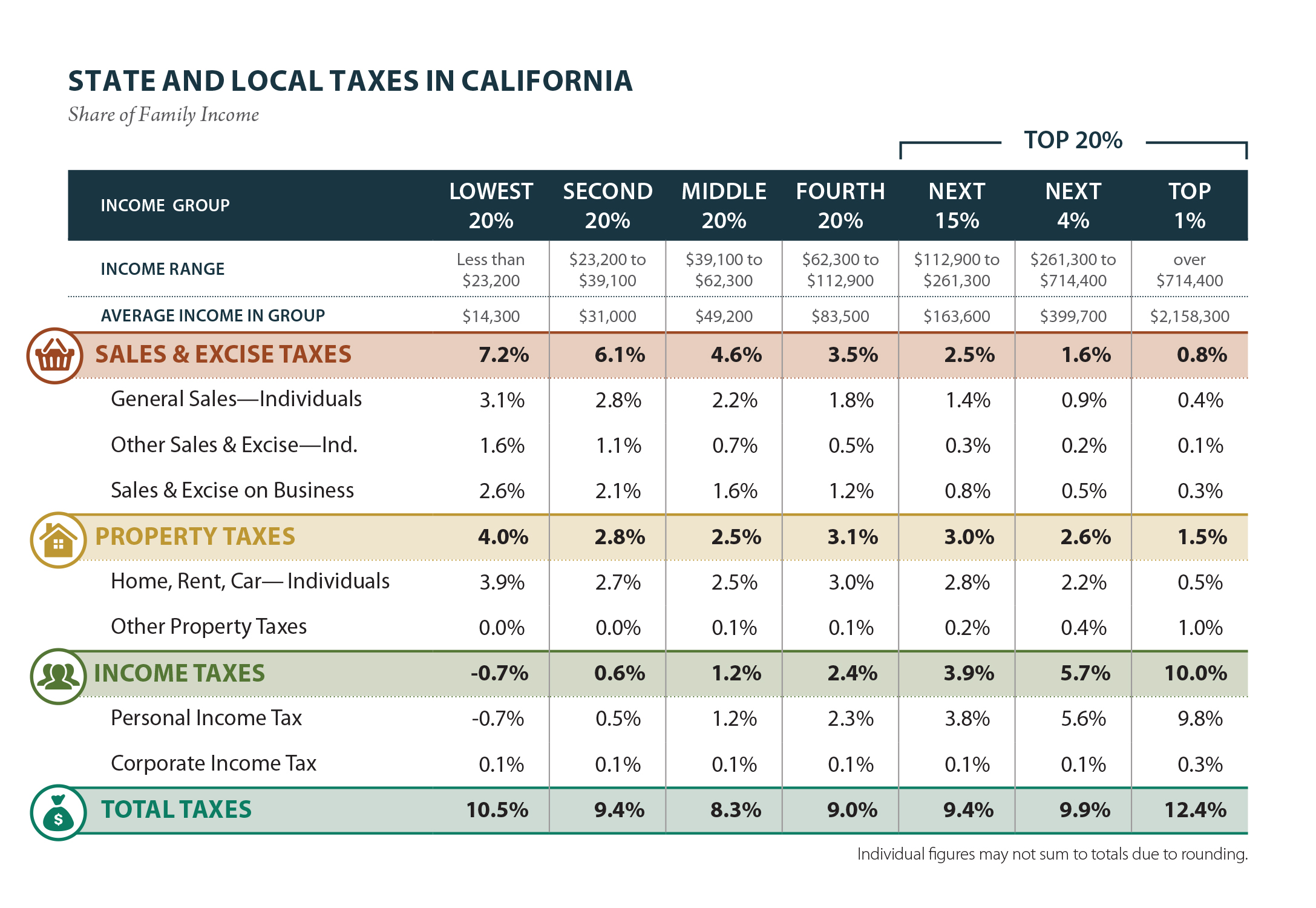
Depending on your activities, you might encounter other specific taxes. For instance, the purchase of alcoholic beverages is subject to state excise taxes, in addition to sales tax. The cost of gasoline also includes state and federal excise taxes. For those engaging in specific recreational activities, there might be fees associated with permits or access to certain areas, particularly in state or national parks, though these are typically considered park entrance fees rather than general taxes.
In conclusion, taxes in California are a significant consideration for any traveler. While the state offers unparalleled travel experiences, from the iconic beaches of Malibu to the theme parks of Orlando (though Orlando is in Florida, not California, this is a hypothetical example of the linking rule), understanding the various tax layers – sales tax, transient occupancy tax, and other fees – will help you budget effectively and avoid unwelcome surprises. Always research the specific rates for the locations you plan to visit and factor these costs into your overall travel expenses.