
Navigating the financial landscape of a new travel destination can often feel like deciphering a complex code, and Florida, with its myriad attractions and diverse experiences, is no exception. Beyond the sunshine, beaches, and world-class theme parks, understanding the tax structure is a crucial element of smart travel planning. For anyone considering a trip to the Sunshine State – whether it’s a family vacation to Walt Disney World Resort in Orlando, a vibrant city break in Miami, or a tranquil escape to the Florida Keys – knowing how much tax you’ll pay can significantly impact your overall budget for accommodation, dining, activities, and souvenirs.
This comprehensive guide aims to demystify the various taxes you’ll encounter as a visitor in Florida. We’ll delve into the primary taxes that affect travelers, provide insights into how they are applied, and offer practical tips to help you budget effectively for your next Florida adventure. From the ubiquitous sales tax to specific tourist development taxes on your lodging, and even the surcharges on rental cars, we’ll cover what you need to know to ensure a financially smooth and enjoyable journey.
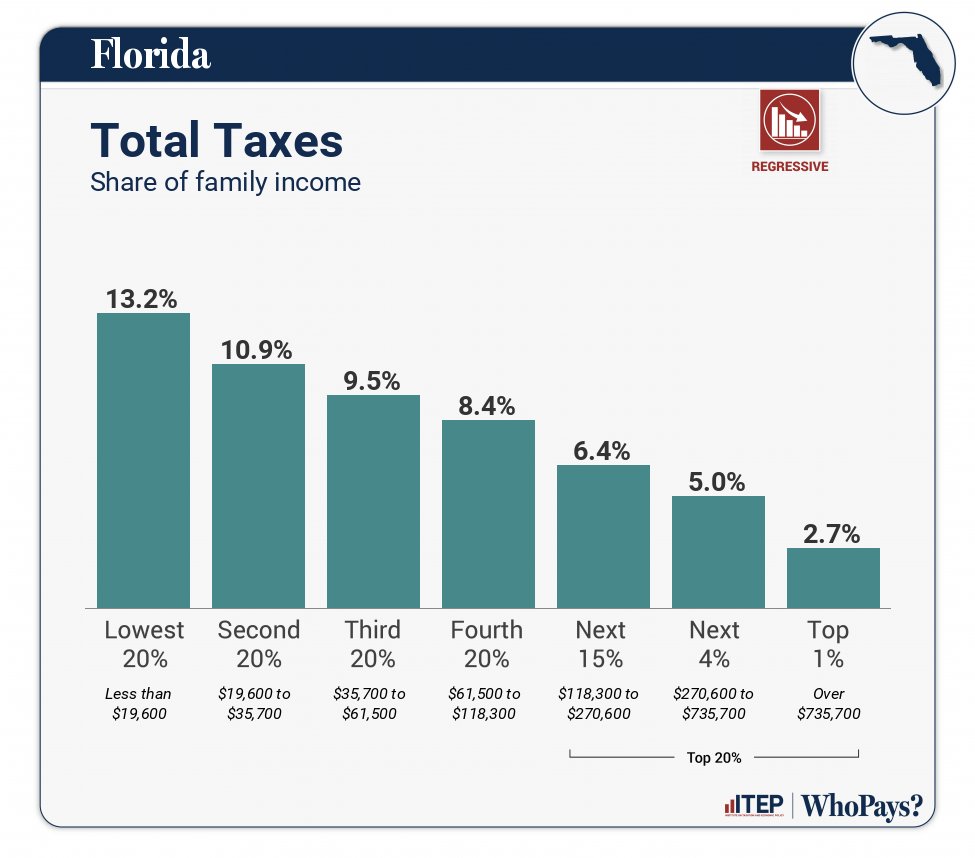
Understanding Florida’s Sales Tax: The Foundation of Consumer Costs
The most pervasive tax you’ll encounter across the United States, and certainly in Florida, is the sales tax. This is a consumption tax applied to the sale of most goods and some services. For travelers, this means almost every purchase you make, from a bottle of water at a convenience store to a meal at a five-star restaurant, and from a new swimsuit to an entry ticket to a major attraction, will have sales tax added to its price.
What is Sales Tax and What Does it Apply To?
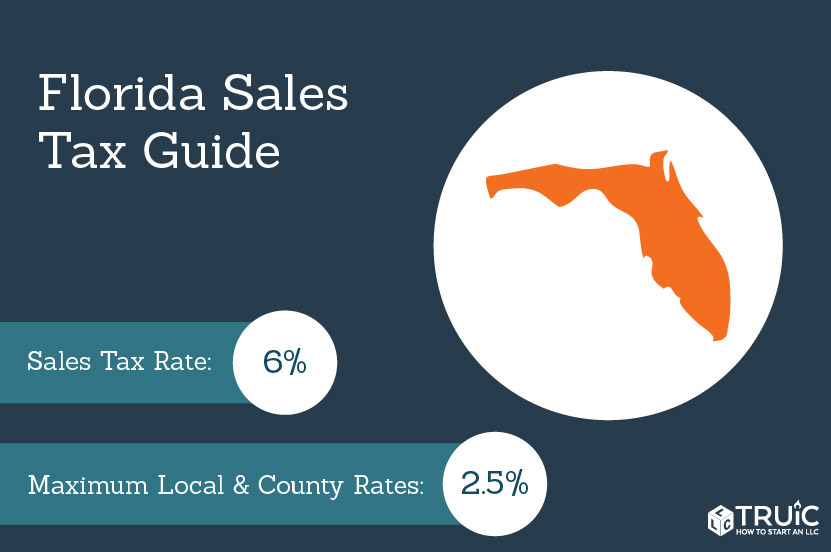
Florida’s statewide sales tax rate is 6%. However, it’s important to note that many counties also impose an additional local discretionary sales surtax, often referred to as a “county sales tax” or “local option sales tax.” These surtaxes can vary by county, ranging from 0% to 1.5%. This means that the total sales tax you pay in Florida could be anywhere from 6% to 7.5%, depending on where you are making your purchase.
For example, in a county with a 1% surtax, your total sales tax rate would be 7% (6% state + 1% county). In a county with a 1.5% surtax, it would be 7.5%. These local surtaxes are typically capped at a certain amount for single purchases, but for most everyday tourist expenditures, they will apply.
What sales tax generally applies to for travelers:
- Retail Goods: Clothing, souvenirs, electronics, groceries (non-prepared food items are generally exempt, but prepared food is taxed), toiletries, gifts, etc.
- Restaurant Meals: All food and beverages purchased at restaurants, cafes, bars, and take-out establishments.
- Prepared Foods: Even if bought at a grocery store, items like rotisserie chickens, deli sandwiches, and salads from the prepared food section are generally subject to sales tax.
- Admission Tickets: Entry fees to theme parks like Universal Orlando Resort, museums, concerts, sporting events, movie theaters, and other attractions.
- Some Services: While many services are exempt, certain specific services, especially those related to tangible personal property, may be taxed. For most tourists, however, it’s primarily goods and admission fees.
Exemptions and What to Watch For
While sales tax is widespread, there are a few notable exemptions that travelers might encounter:
- Unprepared Groceries: Most staple food items purchased at a grocery store for home consumption (e.g., fresh produce, packaged foods, meat, dairy) are exempt from sales tax. This means if you’re staying in a vacation rental with a kitchen, buying groceries to cook your own meals can save you a bit on taxes compared to eating out for every meal.
- Prescription Medications: Prescription drugs are exempt from sales tax.
- Medical Services: Most medical services are not subject to sales tax.
Understanding these exemptions can help you make informed choices, particularly regarding food expenses. Planning to cook some meals in your Orlando villa or Miami apartment could offer slight savings over constantly dining out. Always check your receipts carefully, especially for larger purchases, to ensure the correct sales tax rate has been applied.
The Tourist’s Primary Concern: Accommodation Taxes
For most visitors, the biggest tax impact beyond general sales tax comes from where they lay their head at night. Florida has specific taxes that apply to transient rentals, meaning accommodations rented for short periods, typically six months or less. These are critical for anyone booking a hotel, resort, vacation rental, or even a short-term apartment.
The Tourist Development Tax (TDT) Explained
In addition to the state’s 6% sales tax, accommodations in Florida are subject to a Tourist Development Tax (TDT), also known as a “bed tax,” “resort tax,” or “lodging tax.” This tax is levied by individual counties and the revenue generated is typically earmarked for tourism promotion, beach renourishment, cultural facilities, and convention centers.
The TDT rate is set by each county’s board of county commissioners and can vary significantly, usually ranging from 1% to 6% of the rental charge. This tax is applied on top of the state sales tax (and any applicable local discretionary sales surtax).
So, for a hotel stay, you could be looking at a total tax rate that combines:
- Florida State Sales Tax (6%)
- County Discretionary Sales Surtax (0% – 1.5%)
- County Tourist Development Tax (1% – 6%)
This cumulative effect means your total tax on lodging can range from approximately 7% to 13.5% of your room rate, before any additional resort fees or other charges. This can add a substantial amount to your accommodation bill, particularly for longer stays or higher-end properties.
How TDT Varies Across Florida’s Destinations
The varying TDT rates mean that the amount you pay in accommodation taxes will differ depending on which part of Florida you visit. It’s crucial to check the specific county’s TDT rate when budgeting.
- High-Tourism Areas: Destinations like Orlando (Orange County), Miami Beach (Miami-Dade County), Fort Lauderdale (Broward County), and Key West (Monroe County) typically have higher TDT rates, often at the upper end of the spectrum (e.g., 5% or 6%). This is because these areas rely heavily on tourism and use these funds to maintain and enhance their visitor infrastructure.
- Lesser-Known or Inland Counties: Some counties, particularly those with less developed tourism industries, may have lower TDT rates or, in a few rare cases, no TDT at all (though this is increasingly uncommon in popular travel corridors).
- Hotel vs. Vacation Rental: While the TDT generally applies to all transient rentals, including hotels, motels, resorts, vacation rentals (e.g., through platforms like Airbnb or VRBO), and timeshare plans, sometimes how it’s presented or collected can differ. Always verify the total price, including all taxes and fees, before confirming your booking.
It’s also worth noting that some hotels and resorts charge additional “resort fees” or “amenity fees” which are separate from taxes. These fees often cover things like Wi-Fi, gym access, or pool towels, and they are typically added before taxes are calculated, further increasing your total cost. Always look for the “total price” when comparing accommodations.
Beyond Sales and Stays: Other Taxes Affecting Your Florida Trip
While sales tax and TDT are the most significant for travelers, there are other taxes and surcharges that can add to your overall expenses, especially if you plan to drive or engage in specific activities.
Rental Car Surcharges and Fees
For many visitors to Florida, a rental car is essential for exploring the vast state and its dispersed attractions. Rental cars in Florida come with their own set of taxes and surcharges that can surprisingly inflate the advertised daily rate.
- State Rental Car Surcharge: Florida imposes a daily surcharge on motor vehicle rentals, currently $2.00 per day or any part of a day, regardless of the rental price. This is a flat fee, not a percentage.
- Sales Tax: The standard state sales tax (6%) plus any applicable county discretionary sales surtax (0-1.5%) is applied to the base rental rate. So, if your rental car is $30 a day, and you’re in a 7% sales tax county, you’d pay $2.10 in sales tax, plus the $2 daily surcharge.
- Additional Fees: Beyond taxes, be aware of other potential charges from rental car companies, such as airport concession fees, vehicle licensing fees, energy surcharges, and charges for optional extras like GPS, toll passes, or additional drivers. These can quickly add up.
When booking a rental car, always look for the “total estimated cost” to get a clear picture of what you’ll actually pay, as the base rate often does not reflect these significant additions.
Fuel Taxes and Transportation Costs
While not directly added as a separate line item on a tourist’s receipt, fuel taxes are embedded in the price you pay at the pump. Both federal and state taxes contribute to the overall cost of gasoline and diesel. Florida has its own state fuel tax, which, combined with federal taxes, can be a considerable portion of the pump price.
For travelers, this simply translates to higher fuel costs. If you plan extensive road trips, such as driving from Miami to Orlando or exploring the entire Gulf Coast from Clearwater Beach down to Naples, factor in a realistic budget for gasoline. Fuel prices can fluctuate significantly, so checking current averages before your trip can help.
Additionally, public transportation, ride-sharing services, and taxis also indirectly incorporate these fuel costs into their fares, along with their own operational costs and potential local taxes or surcharges.
Event Tickets and Attraction Taxes
As mentioned under sales tax, admission tickets to attractions, theme parks, concerts, and sporting events are generally subject to Florida sales tax (state 6% plus any county surtax). This is usually rolled into the final ticket price you see or added at checkout.
For instance, when buying tickets for Epcot or Universal Studios Florida, expect the advertised price to be plus tax. Similarly, tickets to see a Miami Heat game, a concert at a venue in Tampa, or a show on International Drive will all have sales tax applied. This is generally straightforward, but it’s another area where the final price can be higher than the initial sticker price.
Budgeting for Taxes: Smart Planning for Your Florida Adventure
Understanding the various taxes is one thing; effectively incorporating them into your travel budget is another. Savvy travelers know that overlooking these “hidden” costs can lead to an overstretched budget and unwanted surprises.
Practical Tips for Estimating Your Tax Spend
- “All-In” Pricing: Whenever possible, seek out “all-in” pricing for accommodations, rental cars, and tour packages. Many online travel agencies and booking sites now show the total price including taxes and fees, which simplifies budgeting considerably.
- Estimate Accommodation Tax: Use the highest likely TDT rate (e.g., 5-6%) for major tourist destinations, plus the 6% state sales tax and an average 1% county surtax (totaling roughly 12-13%). Multiply your nightly room rate by this percentage and add it to your calculation.
- Factor in Sales Tax for Everything Else: For all other expenses like dining, shopping, and attraction tickets, assume a total sales tax rate of 7% to 7.5% (6% state + average 1-1.5% county surtax). When budgeting for a daily food allowance, for example, remember to add this percentage.
- Don’t Forget Rental Car Surcharges: For rental cars, add $2.00 per day plus the 6-7.5% sales tax on the base rate to your budget.
- Create a Buffer: It’s always a good idea to add a small buffer (e.g., 5-10%) to your overall budget for unexpected expenses, including any minor taxes or fees you might have overlooked.
How Taxes Influence Your Accommodation and Activity Choices
The impact of taxes extends beyond just the final cost; it can also subtly influence your choices during trip planning.
- Accommodation Location: If you’re highly budget-conscious, staying in a county with a slightly lower TDT rate, even if it’s a short drive from the main attractions, could offer some savings. However, weigh this against transportation costs (fuel, rental car taxes, parking fees) and convenience.
- Length of Stay: For longer stays, the cumulative effect of daily accommodation taxes and rental car surcharges becomes more pronounced. A week-long stay will incur seven days’ worth of these charges.
- Dining Habits: As mentioned, buying groceries for unprepared meals at a vacation rental can offer slight tax savings compared to eating every meal out. This is particularly relevant for families or those on extended trips.
- Bundled Packages: Sometimes, all-inclusive resorts or bundled travel packages might offer better overall value as some taxes and fees are already factored into a single price, simplifying your budgeting. Always read the fine print to confirm what is included.
- Shopping Decisions: For big-ticket purchases, knowing the exact sales tax rate in a particular county might influence where you decide to buy certain items, although the difference is usually marginal for most tourist purchases.
Navigating Taxes in Popular Florida Destinations
Let’s look at how taxes might specifically play out in some of Florida’s most popular tourist hotspots.
Taxes in Orlando: Theme Parks and Resorts
Orlando, the theme park capital of the world, located primarily in Orange County, is a prime example of high tourist taxation.
- Sales Tax: Orange County has a 6.5% total sales tax (6% state + 0.5% county surtax). This applies to all retail purchases, restaurant meals, and attraction tickets (e.g., for Magic Kingdom, Epcot, Hollywood Studios, Animal Kingdom, Islands of Adventure, Volcano Bay, SeaWorld Orlando).
- Tourist Development Tax (TDT): Orange County’s TDT is 6%.
- Total Accommodation Tax: This means most hotels, resorts, and vacation rentals in Orlando will be subject to a combined accommodation tax of 12.5% (6.5% sales tax + 6% TDT) on top of their room rate.
- Rental Cars: The $2.00 daily surcharge applies, plus 6.5% sales tax on the rental rate.
Considering the high volume of accommodation, dining, and attraction spending in Orlando, these taxes add up quickly. A $200/night hotel room would incur an extra $25 in taxes alone.
Miami’s Urban & Beach Tax Landscape
Miami, with its vibrant culture, luxurious South Beach, and bustling Art Deco Historic District, is another high-tax tourism destination, primarily within Miami-Dade County.
- Sales Tax: Miami-Dade County has a 7% total sales tax (6% state + 1% county surtax). This applies to all fashion purchases, high-end dining experiences, and admission to cultural events or nightlife.
- Tourist Development Tax (TDT): Miami-Dade County’s TDT is typically 6% for most areas. However, some specific municipalities within the county (e.g., Miami Beach) may have additional local resort taxes, further increasing the total.
- Total Accommodation Tax: In most of Miami-Dade County, the total accommodation tax will be 13% (7% sales tax + 6% TDT). In areas like Miami Beach, with additional city resort taxes, this could climb even higher, sometimes reaching 14% or more.
- Rental Cars: The $2.00 daily surcharge applies, plus 7% sales tax on the rental rate.
The cumulative effect of taxes in Miami can be substantial, especially for luxury travelers or those enjoying extended stays in beachfront properties.
The Gulf Coast and Florida Keys: Unique Considerations
Areas along Florida’s Gulf Coast, like Tampa (Hillsborough County), St. Petersburg and Clearwater (Pinellas County), or Sarasota (Sarasota County), as well as the Florida Keys (Monroe County), also have their own tax structures that travelers need to consider.
- Tampa / St. Petersburg / Clearwater: These areas often have higher total sales tax rates due to county surtaxes (e.g., Hillsborough County is 8.5% total sales tax, Pinellas County is 7% total sales tax). Their TDT rates typically range from 5% to 6%. This means accommodation taxes can reach 12% to 14.5% in total.
- Florida Keys: Monroe County, encompassing the Florida Keys (including Key West), has a 7.5% total sales tax (6% state + 1.5% county surtax). The TDT is also 5%. Therefore, accommodation in the Keys will generally have a total tax of 12.5% (7.5% sales tax + 5% TDT). Given the often higher prices for accommodations in this popular destination, this tax percentage translates to a significant monetary addition.
Always verify the specific tax rates for the county you plan to visit. A quick search for “[county name] Florida sales tax” and “[county name] Florida tourist development tax” will provide the most current figures.
Conclusion: Traveling Smart in the Sunshine State
Understanding “how much is tax in Florida?” is an essential component of planning a financially smooth and enjoyable trip. While the prospect of various taxes might seem daunting, especially with rates varying by county, a little forethought can prevent unexpected budget overruns.
Remember the key takeaways:
- Sales Tax: Expect 6% statewide, plus a county surtax that can bring the total to 6.5% – 8.5% on most goods, prepared foods, and attraction tickets.
- Accommodation Tax (TDT): This is the significant one, combining the standard sales tax with a county-specific Tourist Development Tax, resulting in total lodging taxes usually ranging from 7% to 14.5% of your room rate.
- Rental Cars: Factor in a $2.00 daily state surcharge plus sales tax on the rental fee.
By anticipating these costs and building them into your initial travel budget, you can ensure that your Florida adventure remains focused on making unforgettable memories, rather than being overshadowed by unexpected expenses. Enjoy the sunshine, the vibrant culture, and the incredible attractions – knowing you’ve budgeted wisely for every aspect of your journey. Happy travels!