
Planning a trip to the Empire State, whether for a quick getaway to New York City or a scenic exploration of the Finger Lakes, inevitably brings financial considerations to the forefront. Beyond the flight tickets, accommodation, and daily expenses, understanding the local tax landscape is crucial for any traveler or potential resident. New York State, like all other states in the United States, has its own unique tax structure that can significantly impact your overall budget. From the sales tax on that designer purchase in SoHo to the occupancy tax on your luxury suite overlooking Central Park, knowing what to expect can help you plan smarter and avoid unwelcome surprises.
This comprehensive guide aims to demystify the taxes you’re likely to encounter when visiting or considering a longer stay in New York. We’ll delve into the various levies that affect everything from your morning coffee to your evening Broadway show, providing a clear picture for tourists, business travelers, and those dreaming of calling this vibrant state home. Our focus will be on the practical implications for visitors, helping you budget effectively for your travel, accommodation, and lifestyle choices within New York’s diverse regions.
Understanding New York’s Tax Landscape for Visitors
For most visitors, the primary taxes they will encounter fall into a few key categories: sales tax, accommodation tax, and potentially taxes on specific services or activities. These are the “hidden” costs that can quickly add up if not accounted for in your initial budgeting.
Navigating the Sales Tax
The sales tax is arguably the most common tax you’ll pay in New York. It applies to most retail purchases of tangible personal property and many services. New York State imposes a statewide sales tax rate, but localities (counties and cities) can add their own local sales taxes, leading to varying rates across different regions.
The statewide sales tax rate in New York is 4%. However, when combined with local sales taxes, the rate can be considerably higher. For instance, in New York City, the combined state and local sales tax rate is 8.875%. This means that for every $100 you spend on shopping in Manhattan, you’ll pay an additional $8.875 in tax.
It’s important to note that certain items are exempt from sales tax. For example, most food items purchased at grocery stores for home consumption are exempt. However, prepared foods bought at restaurants, delis, or food trucks are generally taxable. Clothing and footwear costing less than $110 per item are exempt from sales tax in New York City and some other localities. This can be a significant saving for shoppers. When planning your retail therapy excursions, especially for those considering a luxury travel experience focused on shopping, being aware of these exemptions can certainly stretch your budget further.
Decoding Accommodation Taxes
For travelers, accommodation taxes are perhaps the most significant tax to factor into their budget. These are levied on hotel rooms, short-term rentals, and other forms of lodging. Similar to sales tax, accommodation taxes in New York comprise both state and local components, often resulting in hefty surcharges on your room rate.
In New York City, the hotel occupancy tax is particularly high. Guests staying in hotels, motels, and similar establishments are subject to a 5.875% state hotel unit fee plus a 14.75% local hotel tax on the room rate. Additionally, there’s a $1.50 per night occupancy tax for rooms over $100. This means that for a room costing $300 a night, you could be looking at over $60 in taxes and fees per night! This significantly impacts the total cost of your stay, whether you’re at a boutique hotel in Greenwich Village or a grand resort near Niagara Falls.
These taxes apply to all types of accommodation, from upscale resorts to budget-friendly apartments. When booking through platforms for short-term rentals, these taxes are typically included in the total price quoted, but it’s always wise to double-check the breakdown to understand what you’re truly paying. For long-term stays (typically over 30 days), some of these occupancy taxes may no longer apply, which is an important consideration for business travelers or those seeking extended relocation. Understanding these differences can be vital for both luxury travel and budget travel planners.
Transportation and Activity Taxes
Getting around New York and enjoying its myriad attractions also comes with its own set of taxes.
- Car Rentals: If you plan to rent a car, especially for exploring beyond the immediate confines of New York City to places like the scenic Catskill Mountains or the historic sites in Albany, be aware of additional taxes. Beyond the standard sales tax, car rentals are subject to various surcharges and fees, which can include a state supplemental rental tax. These can add a substantial percentage to your rental cost, so always get a clear, all-inclusive quote.
- Public Transportation: While direct taxes on individual subway or bus fares (like the MTA) aren’t typically itemized, the operational costs of these systems are supported by a complex mix of funding, including various taxes and fees, which are indirectly passed on to users.
- Taxis and Ride-Shares: Fares for taxis and ride-share services in New York City include a base fare, distance, time, and typically a Metropolitan Transportation Authority (MTA) surcharge, which helps fund public transit. For example, a $0.50 surcharge applies to yellow taxi and ride-share trips within the Manhattan Central Business District.
- Entertainment and Admissions: Tickets for concerts, sporting events, museums (beyond general admission which might be tax-exempt for certain non-profits), and, of course, Broadway shows are generally subject to sales tax. While many famous museums like the Metropolitan Museum of Art or the Museum of Modern Art (MoMA) might have different pricing structures for admission, any gift shop purchases or paid special exhibitions will likely incur sales tax.
Beyond the Basics: Planning Your Budget in New York
Successfully navigating New York’s tax landscape requires not just knowing the rates but also understanding how they integrate into your overall travel budget. Strategic planning, whether for a family trip or a business stay, can help you maximize your experience without overspending.
Estimating Your Travel Costs
When calculating the total cost of your New York adventure, it’s crucial to add a buffer for taxes and fees. A common mistake is to only account for the base price of flights, hotels, and activities. For example, a hotel room advertised at $250 might actually cost closer to $310-$320 per night once all New York City taxes and fees are applied. This significant difference can quickly deplete a budget, especially for longer stays or for those seeking luxury accommodation.
Consider the diverse experiences New York offers. A trip to Buffalo to see Niagara Falls might incur different local sales and hotel taxes than a stay in Rochester or a wine tour in the Finger Lakes. Always research the specific local tax rates for your chosen destination within the state. Many booking websites for hotels and flights will show an “estimated total” that includes taxes, but it’s always good practice to verify these figures. For family trips, where expenses multiply quickly, accurate tax budgeting is even more critical.
Taxes on Dining and Entertainment
Dining out is an integral part of the New York experience, from world-class restaurants to casual eateries and vibrant street food scenes. As mentioned, prepared foods and restaurant meals are subject to sales tax. In New York City, this means your delicious meal will have an additional 8.875% added to the bill. This applies whether you’re having brunch in Brooklyn, a Michelin-starred dinner in Tribeca, or a quick bite from a food truck near Times Square.
Beyond the sales tax, remember that tipping is customary in the United States for service industry workers, typically ranging from 15-20% for good service. While not a tax, it’s an expected cost that significantly adds to your dining budget and should be factored in alongside taxes. Many visitors, especially international ones, might not anticipate this additional expense.
For entertainment, from catching a movie in Queens to attending a show in a historic Broadway theater, the ticket price will usually include sales tax. Always check the final price before committing, as online ticketing platforms often display the base price first and add taxes and fees during checkout. For those pursuing local culture and activities, these minor additions can really add up, so factor them into your overall budget for attractions.
The Broader Picture: Taxes for Longer Stays and Lifestyle
While most visitors focus on immediate travel taxes, those considering extended stays, remote work, or even relocation to New York need a broader understanding of the tax implications that shape lifestyle choices.
Income and Property Tax: A Brief Overview
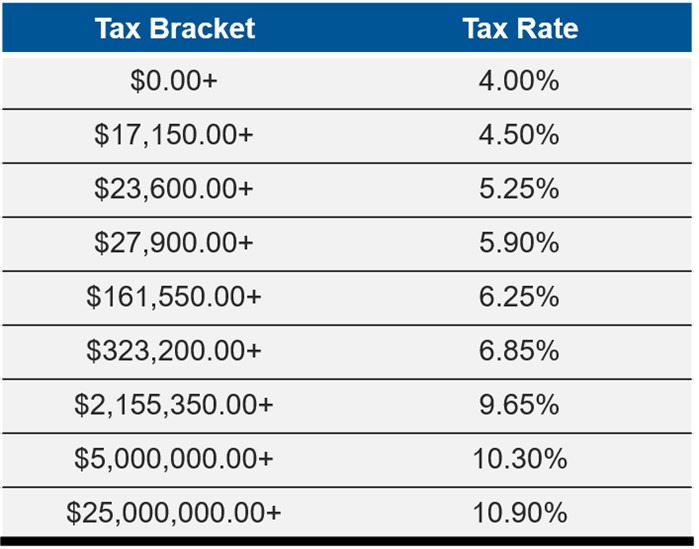
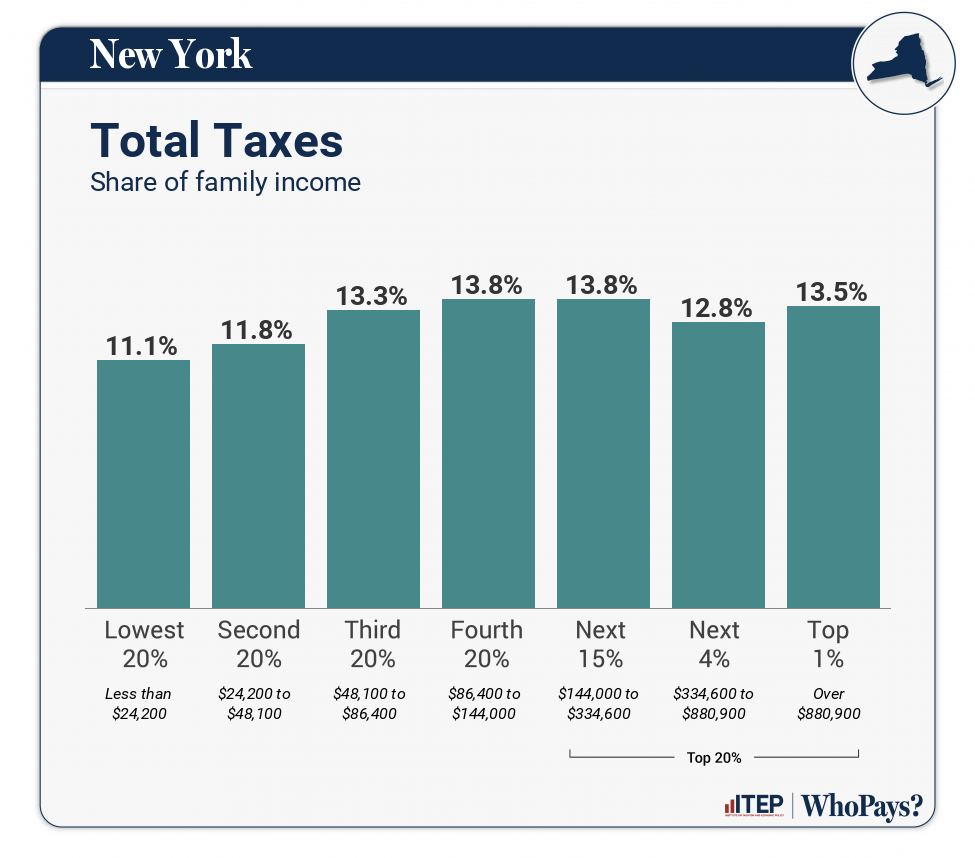
For individuals contemplating a move to New York State, or those engaging in business stays that extend over several months, income tax becomes a significant consideration. New York State has a progressive income tax system, meaning higher earners pay a higher percentage. State income tax rates range from 4% to 10.9%. Furthermore, New York City imposes its own city income tax on residents, which can add another layer of taxation, ranging from approximately 3% to 3.876%. This combined state and city income tax can be among the highest in the United States, making it a crucial factor for individuals considering lifestyle changes, such as seeking long-term accommodation or even purchasing property.
Property taxes in New York are also a substantial factor for homeowners. These taxes are levied by local municipalities (counties, cities, towns, villages, and school districts) and vary dramatically depending on the location and assessed value of the property. While New York City property taxes are often high in absolute terms due to high property values, the effective tax rate can sometimes be lower than in some upstate counties like Syracuse or Buffalo, where rates can be quite high relative to property values. These taxes directly affect the cost of homeownership and long-term accommodation choices, influencing where individuals might choose to live or invest in real estate. The complexity of these taxes is why consulting the New York State Department of Taxation and Finance or a local financial advisor is always recommended for those considering significant lifestyle changes in New York.
Tips for Smart Spending and Saving
Navigating New York’s tax structure efficiently means adopting smart spending habits.
- Be Tax-Aware: Always ask if taxes are included in a quoted price, especially for larger purchases or services.
- Budget for the “Total Cost”: When comparing accommodation options, don’t just look at the nightly rate; focus on the “total due” to account for all taxes and fees.
- Utilize Tax Exemptions: For clothing and footwear under $110, shop in New York City and take advantage of the sales tax exemption.
- Consider Loyalty Programs: Many hotels offer loyalty programs that can provide discounts or perks, indirectly offsetting some tax costs.
- Cook for Yourself: For budget travel or long-term stays, utilizing accommodations with kitchenettes and buying groceries (which are largely tax-exempt) can significantly reduce your dining expenses, which are heavily taxed.
- Explore Free Attractions: New York offers countless free attractions, like walking across the Brooklyn Bridge, exploring Central Park, or visiting many museums on free admission days. This can save you money on activities that would otherwise incur sales tax.
- Public Transit: Relying on the MTA for transportation within New York City is far more economical than constant taxi or ride-share use, reducing the impact of their surcharges.
Exploring New York: Iconic Destinations and Experiences
Understanding taxes helps you budget, but the real reward is experiencing all that New York has to offer. The state is a treasure trove of destinations, attractions, and unique experiences that cater to every taste, from bustling urban centers to serene natural wonders.
Must-Visit Landmarks and Attractions
New York City is undeniably home to some of the world’s most recognizable landmarks. A visit to the iconic Statue of Liberty and Ellis Island is a journey through American history. Ascending the Empire State Building or the One World Observatory offers unparalleled panoramic views of the city skyline, where you can spot other giants like Rockefeller Center and the art deco marvel that is Grand Central Terminal. Strolling through Times Square amidst the dazzling billboards is an experience in itself, as is a leisurely walk through Central Park, a green oasis in the urban jungle. For those interested in art and culture, the Metropolitan Museum of Art, the Museum of Modern Art (MoMA), and the Guggenheim Museum offer world-class collections. The 9/11 Memorial & Museum provides a poignant and essential historical experience.
Beyond Manhattan, the boroughs offer their own charm. Explore the vibrant neighborhoods and street art of Brooklyn, including a walk across the historic Brooklyn Bridge. Visit the Bronx Zoo, one of the largest metropolitan zoos in the world, or enjoy the nostalgic thrills of Coney Island in the summer. For a unique urban park experience, the High Line in Chelsea offers stunning views and contemporary art installations. Further upstate, the natural majesty of Niagara Falls is an absolute must-see, providing a breathtaking contrast to the city’s hustle and bustle. The historical significance of Albany as the state capital, or the serene beauty of the Finger Lakes wine region, showcase the diverse attractions across New York State.
Accommodation Choices Across the State
New York caters to every type of traveler with an extensive range of accommodation options. For luxury travel, world-renowned hotels like The Plaza Hotel or the St. Regis offer unparalleled service and amenities, often in prime locations in Manhattan or the Upper East Side. For business stays, many hotels near major transportation hubs like Grand Central Terminal or JFK Airport provide convenient access and corporate facilities.
Budget travel options are plentiful too, from hostels and guesthouses in Queens or Staten Island to more affordable hotels in areas like the Lower East Side or downtown Brooklyn. For family trips, apartment rentals or suites that offer more space and kitchen facilities can be an excellent choice, found across New York City boroughs and in upstate destinations. Resorts and charming inns dot the landscape outside the city, from the Catskills to the Hamptons, offering different experiences and often their own unique local tax structures. Whatever your preference, researching your options and understanding the total cost, including the varying accommodation taxes, will ensure a smooth and enjoyable stay.
In conclusion, while the tax landscape in New York can seem complex, a little foresight and understanding can go a long way in managing your travel budget. By being aware of sales taxes on purchases, significant hotel occupancy taxes, and other surcharges, you can plan your visit more effectively and fully immerse yourself in the rich culture, iconic landmarks, and diverse experiences that make New York an unforgettable destination.
LifeOutOfTheBox is a participant in the Amazon Services LLC Associates Program, an affiliate advertising program designed to provide a means for sites to earn advertising fees by advertising and linking to Amazon.com. Amazon, the Amazon logo, AmazonSupply, and the AmazonSupply logo are trademarks of Amazon.com, Inc. or its affiliates. As an Amazon Associate we earn affiliate commissions from qualifying purchases.