
Planning a trip to the vast and diverse state of Texas involves more than just mapping out your itinerary to iconic landmarks or selecting the perfect accommodation. A crucial, yet often overlooked, aspect is understanding the local tax landscape. For travelers, tourists, and those seeking temporary stays, deciphering how much tax you’ll pay on purchases, hotel rooms, and other travel-related expenses is essential for effective budget planning. Texas, known for its welcoming hospitality and “no state income tax” policy, does levy other significant taxes that can impact your overall travel costs. From the bustling metropolitan areas of Houston and Dallas to the historic charm of San Antonio and the live music capital of Austin, the exact amount you’ll pay in taxes can vary, making a clear understanding invaluable for any visitor.
This guide will delve into the primary taxes that affect travelers and tourists in Texas, helping you navigate your budget with confidence. We’ll explore sales tax rates, the intricacies of hotel occupancy taxes, and other miscellaneous charges that might surface during your journey. By understanding these financial nuances, you can better plan your lifestyle experiences, whether it’s a luxury getaway, a budget-friendly family trip, or a business stay, ensuring your focus remains on enjoying all that the Lone Star State has to offer.
Navigating Texas Sales Tax: What Travelers Need to Know
The most common tax encountered by virtually everyone in Texas is the sales tax. Unlike some states that might surprise you with hidden fees, the sales tax is generally transparent, added at the point of purchase for most goods and many services. For travelers, understanding this tax is paramount, as it applies to everything from souvenirs and clothing to restaurant meals and entertainment tickets.
Understanding the State and Local Sales Tax
The statewide sales tax rate in Texas is 6.25%. This is the baseline rate applied across the entire state. However, cities, counties, and various special purpose districts (like transit authorities or economic development zones) have the authority to levy additional local sales taxes. This means that the total sales tax rate you pay can vary significantly depending on your exact location within Texas.
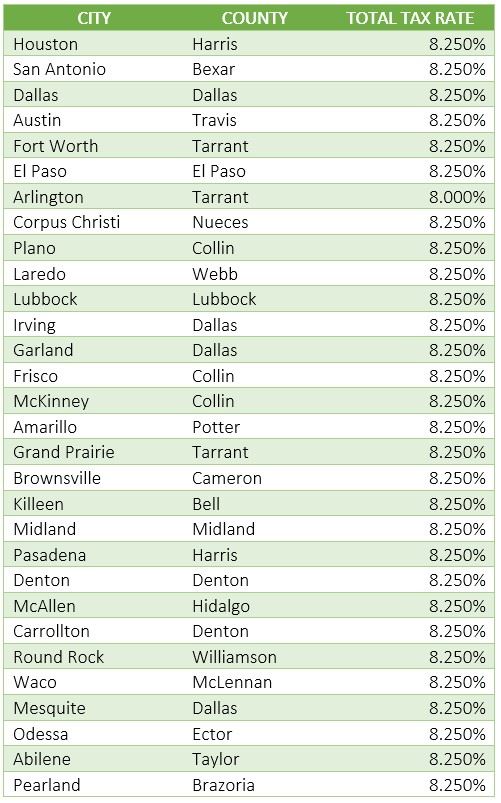
For instance, many major cities and their surrounding areas impose an additional 2% local sales tax, bringing the combined rate to a maximum of 8.25%. This 2% increment is often composed of a city tax, a county tax, and sometimes a metropolitan transit authority tax. For example, when you dine in Austin, shop in Dallas, or explore the attractions in Houston, you’ll likely encounter this combined 8.25% sales tax rate. It’s crucial for travelers to factor this into their daily spending, especially when budgeting for meals, shopping sprees, and incidental purchases. This seemingly small percentage can add up significantly over the course of a trip, impacting everything from the cost of a delicious barbecue meal to a new pair of cowboy boots.
Common Purchases Affected by Sales Tax
Almost all tangible personal property sold in Texas is subject to sales tax. This includes the vast majority of items a tourist might purchase:
- Retail Goods: Clothing, electronics, souvenirs, books, and gifts.
- Restaurant Meals: Whether you’re enjoying fine dining, a casual cafe, or grabbing fast food, the sales tax will be applied to your total bill. This is a significant consideration, as dining out is a core part of many travel experiences.
- Snacks and Beverages: Purchases from convenience stores, grocery stores (prepared foods), and vending machines are typically taxed.
- Entertainment: Tickets to sporting events, concerts, movie theaters, and many tourist attractions (like theme parks or museums) will often include sales tax in the final price, or it will be added at checkout.
Understanding that virtually every purchase will incur this additional charge helps in setting realistic expectations for your travel budget. It’s not just the sticker price of that Alamo souvenir you need to consider, but also the 8.25% that will be tacked on top.
Sales Tax Exemptions for Visitors
While most purchases are taxed, there are a few notable exemptions to keep in mind, though they might not heavily impact the average tourist. For instance, certain essential food items, like most unprepared groceries purchased for home consumption, are exempt from sales tax. However, prepared foods, deli items, and restaurant meals remain taxable. This means if you’re planning a longer stay in an apartment or villa with a kitchen, buying raw ingredients from a grocery store could offer a slight tax saving compared to eating out for every meal.
Additionally, certain services are exempt, but these typically don’t include those frequently used by tourists, such as car repairs or dry cleaning (which are often taxed). Large capital purchases, like real estate, are generally subject to different taxes entirely, rather than sales tax. For the typical traveler, these exemptions are minimal, reinforcing the need to budget for sales tax on nearly all purchases made during their visit to Texas.
The Hotel Occupancy Tax (HOT): A Key Consideration for Accommodation
Beyond sales tax, one of the most significant taxes affecting travelers in Texas is the Hotel Occupancy Tax (HOT). This tax is specifically levied on hotel rooms, motels, bed and breakfasts, and increasingly, short-term rentals like those found on platforms such as Airbnb and Vrbo. The HOT is a crucial revenue stream for many Texas municipalities, directly funding local tourism initiatives and infrastructure.
State and Local Hotel Taxes Explained
Similar to sales tax, the Hotel Occupancy Tax is composed of both a state portion and local additions. The state of Texas levies a 6% Hotel Occupancy Tax on the cost of sleeping rooms. This is applied to any room rented for a continuous period of less than 30 days.
On top of this state rate, cities and counties can impose their own HOT rates. Many cities, especially those with significant tourism draws, add a substantial percentage. For example:
- City Hotel Tax: Most major Texas cities, including Houston, Dallas, Austin, and San Antonio, impose an additional hotel tax, often ranging from 7% to 9%.
- County Hotel Tax: Counties can also levy their own HOT, though this is typically a smaller percentage, often around 2%.
When combined, the total Hotel Occupancy Tax rate in popular tourist destinations can easily reach between 15% and 17%. This means that if you book a hotel room for $200 per night in a major Texas city, you could be paying an additional $30-$34 in taxes alone. This can significantly impact the overall cost of your accommodation, whether you’re staying at a luxurious resort or a budget-friendly hotel. It’s an important factor to consider when comparing hotel prices or planning a longer stay.
How HOT Fuels Tourism in Texas Cities
The revenue generated from the Hotel Occupancy Tax is specifically earmarked for purposes that directly benefit tourism and the convention industry. This makes the HOT a unique tax, as its funds are recycled back into enhancing the very experiences that attract visitors. These funds are used for a variety of purposes, including:
- Promoting Tourism: Funding tourism bureaus and convention and visitor boards, which market the city or region as a destination. This includes advertising campaigns, travel guides, and participation in trade shows.
- Convention Center Operations: Supporting the construction, maintenance, and operation of convention centers, which attract large conferences and events, bringing in business travelers.
- Historic Preservation: In some instances, a portion of the HOT can be used for the preservation of historical sites and museums, enriching the cultural offerings for tourists.
- Arts and Culture: Funding local arts organizations, festivals, and cultural events, adding vibrancy to the local scene.
- Sports Facilities: Supporting amateur sports facilities that host tournaments, bringing in sports tourism.
By paying the HOT, visitors are directly contributing to the allure and infrastructure that makes Texas an attractive destination. For example, the famous San Antonio Riverwalk benefits from these revenues, as do the museums in the Dallas Arts District and the promotion of Austin’s live music scene. This makes the tax a critical component in the sustained growth of Texas’s travel and tourism sectors.
Short-Term Rentals and Hotel Occupancy Tax
The rise of short-term rental platforms like Airbnb and Vrbo has also brought these types of accommodations under the umbrella of Hotel Occupancy Tax. Many Texas cities and counties have adapted their ordinances to ensure that short-term rentals, often defined as properties rented for fewer than 30 consecutive days, are subject to the same state and local HOT rates as traditional hotels.
For travelers, this means that when booking a vacation rental, you should anticipate that the HOT will be added to your total bill, usually facilitated by the booking platform itself. While the base rate of an Airbnb might appear lower than a hotel, the addition of the HOT, along with cleaning fees and service charges, can bring the total cost closer to traditional hotel pricing. It’s always advisable to check the “total price” breakdown before confirming a booking to fully understand all the fees and taxes involved. This is especially important for those planning longer stays or comparing different types of accommodations.
Beyond Sales and Stays: Other Taxes Affecting Your Texas Trip
While sales tax and Hotel Occupancy Tax are the two primary financial considerations for most travelers, other taxes might indirectly or directly impact your travel budget, depending on your choices and activities. These can include vehicle rental taxes and various local fees.
Car Rental Taxes and Transportation Costs
If you plan to explore the vast landscapes of Texas by car, which is often recommended given the state’s size and diverse attractions like Big Bend National Park or the Texas Hill Country, you’ll encounter additional taxes on your vehicle rental. In addition to the standard sales tax on the rental transaction, Texas also imposes a Motor Vehicle Rental Tax. This state tax is currently 10% on the gross rental amount of a passenger vehicle rented for less than 30 days.
This 10% state tax is in addition to the standard sales tax. So, if you rent a car for $50 a day, you’ll first pay sales tax (up to 8.25%) on that $50, and then an additional 10% Motor Vehicle Rental Tax on top of the rental cost. This can make car rentals a more significant expense than initially perceived, especially for longer trips or when renting premium vehicles. Furthermore, many airports and major rental hubs also levy their own facility charges or concession fees, which, while not strictly taxes, function similarly by adding to the total cost of your rental. Always check the detailed breakdown of charges when booking a rental car to avoid surprises.
Planning Your Budget: The Cumulative Effect of Texas Taxes
Understanding the individual tax rates is one thing, but appreciating their cumulative effect on your travel budget is another. A common mistake travelers make is only budgeting for the advertised price of a hotel room or a rental car, forgetting the substantial tax additions.
Consider a hypothetical three-day trip to Austin for a concert and some sightseeing:
- Accommodation: A hotel room advertised at $180 per night for three nights, totaling $540. With a combined HOT of 17% (6% state + 9% city + 2% county, for example), you’d pay an additional $91.80 in taxes.
- Dining and Shopping: Let’s say you spend $300 on meals, souvenirs, and concert merchandise over three days. With an 8.25% sales tax, that’s an extra $24.75.
- Car Rental: A car rented for three days at $60 per day, totaling $180. With sales tax (8.25%) and the Motor Vehicle Rental Tax (10%), you’re looking at roughly $180 * (1 + 0.0825 + 0.10) = $212.85. The tax portion alone is about $32.85.
In this simple example, what initially looked like $540 (hotel) + $300 (food/shopping) + $180 (car) = $1020, quickly jumps to $1020 + $91.80 + $24.75 + $32.85 = $1169.40. That’s almost $150 in taxes alone over a short trip. For longer stays, luxury travel, or family trips with higher spending, these tax amounts will increase proportionally.
This cumulative effect underscores the importance of a detailed budget, especially when traveling through Texas. Always assume that the final price will be higher than the advertised price, and factor in these percentages to ensure a stress-free financial experience.
Texas Tax Rates in Popular Tourist Destinations
The variation in local tax rates across Texas means that what you pay in one city might differ slightly from another. Understanding these differences can sometimes influence your choice of destination or help you fine-tune your budget for specific locations. While statewide rates for sales (6.25%) and state HOT (6%) remain constant, the local additions are where the variations occur.
Houston and Dallas: Urban Getaways
As Texas’s largest metropolitan areas, Houston and Dallas offer a wealth of attractions, from the Space Center Houston to the Dallas World Aquarium. For both cities, you can generally expect:
- Sales Tax: The combined sales tax rate is typically 8.25%. This applies to everything from retail therapy in the Galleria Houston to dining in Dallas’s vibrant culinary scene.
- Hotel Occupancy Tax: In both Houston and Dallas, the total HOT rate is often around 17%. This includes the 6% state tax, plus city and county portions. This means a significant addition to your bill when booking a suite at the Omni Dallas Hotel or a resort stay in Uptown Houston.
These consistent high rates reflect the cities’ roles as major tourism and convention hubs, with a significant portion of tax revenue dedicated to promoting these sectors.
Austin and San Antonio: Culture and History
Austin, the capital, and San Antonio, with its deep historical roots, are magnets for culture, history, and unique experiences.
- Sales Tax: Both Austin and San Antonio also levy the maximum 8.25% combined sales tax. This means your purchases on Sixth Street or souvenirs from the Alamo will be subject to this rate.
- Hotel Occupancy Tax: The total HOT in Austin and San Antonio is also typically in the range of 16-17%. This contributes to the upkeep of iconic sites like the Texas State Capitol and the continuous development of the San Antonio Riverwalk, ensuring these landmarks remain attractive for visitors. Whether you’re staying in a charming boutique hotel near the Riverwalk or a modern Austin hotel, factor in this significant percentage.
Coastal and Hill Country Retreats
Beyond the major cities, regions like the Texas Hill Country and the Gulf Coast offer different travel experiences and potentially varying tax rates.
- Coastal Cities (e.g., Galveston, Corpus Christi, South Padre Island): These popular beach destinations, like Galveston and South Padre Island, generally have the 8.25% sales tax rate. Their Hotel Occupancy Tax rates are also typically high, often around 15-17%, reflecting the importance of tourism to their local economies. These funds help maintain beaches and support coastal attractions.
- Texas Hill Country (e.g., Fredericksburg, New Braunfels, Wimberley): In smaller towns and rural areas within the Texas Hill Country, sales tax might still be 8.25% if the town has adopted the full local rate. However, some very small towns or unincorporated areas might have a slightly lower combined sales tax if they don’t have all the local taxing entities. Hotel Occupancy Tax in these areas can also be substantial, supporting local tourism and festivals, especially given the popularity of wine tourism and outdoor activities along the Guadalupe River. It’s always wise to check specific city or county websites for the most precise rates when planning a stay in these charming, often less urbanized, locales.
Understanding these localized variations ensures that whether you’re enjoying the vibrant city life, relaxing on a beach, or exploring the scenic beauty of the Hill Country, your budget remains on track.
Maximizing Your Texas Experience While Managing Your Budget
Traveling through Texas offers an unparalleled array of experiences, from historic missions to modern marvels. While taxes are an inevitable part of any travel budget, savvy planning and a few strategic choices can help you maximize your enjoyment without overspending. It’s all about balancing your desired lifestyle experience, whether it’s luxury travel or budget travel, with practical financial management.
Savvy Spending Tips for Texas Travelers
Managing the impact of Texas taxes on your travel budget requires a bit of foresight and smart decision-making:
- Factor in Taxes from the Start: When you see an advertised price for a hotel room, a car rental, or even a restaurant meal, mentally (or physically) add the expected tax percentage. This provides a more realistic view of the final cost and prevents surprises. Many online booking sites now show “total price” including taxes, which is a great help.
- Budget for Flexibility: Always set aside a contingency fund in your budget for unexpected expenses or if you decide to splurge on an impromptu attraction or dining experience. Taxes will apply to these spontaneous purchases too.
- Consider Accommodation Alternatives: While hotels and short-term rentals all incur HOT, exploring different types of accommodation can help. If you’re staying for an extended period (over 30 continuous days), you might be exempt from HOT, which can lead to significant savings. Some long-term stay hotels or corporate apartments might be tailored for this.
- Dining Choices: While restaurant meals are always taxed, opting for more casual eateries, food trucks, or even preparing some of your own meals (if your accommodation has a kitchen) can help manage your dining budget, especially if you buy untaxed groceries.
- Local Transport vs. Rental Cars: For concentrated city exploration, consider utilizing ride-sharing services, public transportation (where available), or walking, rather than constantly relying on a rental car, which incurs its own taxes and fees. This is particularly relevant in cities like Austin or San Antonio where key attractions are often walkable or easily accessible by other means.
- Look for All-Inclusive Packages: Sometimes, travel packages that bundle flights, hotels, and even some activities can present savings. While taxes are still factored into the overall price, they might be less noticeable or spread out, making budgeting simpler.
By being mindful of these tips, you can enjoy the vibrant culture, delicious food, and stunning landscapes of Texas without the stress of an unforeseen financial burden.
The Economic Impact of Tourism and Tax Revenue
It’s also worth noting the broader economic context of these taxes. The sales tax and Hotel Occupancy Tax are not just costs to the consumer; they are vital revenue streams that power the state and local economies of Texas. These funds directly contribute to:
- Infrastructure Development: Tax revenues help fund roads, public services, and utilities that benefit both residents and visitors.
- Tourism Promotion: As discussed, HOT revenues specifically fund tourism and convention bureaus, which are essential for attracting visitors and showcasing Texas’s unique offerings. This investment brings more travelers, supporting local businesses from hotels and restaurants to tour operators and souvenir shops.
- Job Creation: A thriving tourism industry, bolstered by tax revenues, creates numerous jobs across various sectors, from hospitality and food service to retail and entertainment.
- Community Enhancement: Funds can also contribute to parks, public arts, and historical preservation efforts, enhancing the quality of life for residents and enriching the experience for tourists who come to appreciate Texas’s landmarks and local culture.
So, while paying taxes might not be the most exciting part of your trip, understanding their role can offer a different perspective. Every dollar contributed through sales and hotel taxes plays a part in maintaining the infrastructure and promoting the attractions that make Texas a world-class travel destination. From exploring the historic Alamo to enjoying a night out in Houston, your contribution helps ensure that future generations can continue to enjoy the rich experiences Texas has to offer.
In conclusion, a trip to Texas is an adventure waiting to happen, filled with diverse landscapes, rich history, and unforgettable experiences. By taking the time to understand “How Much Is Tax In Texas?” and factoring these amounts into your travel budget, you can ensure a smoother, more enjoyable, and truly authentic exploration of the Lone Star State. Happy travels!
LifeOutOfTheBox is a participant in the Amazon Services LLC Associates Program, an affiliate advertising program designed to provide a means for sites to earn advertising fees by advertising and linking to Amazon.com. Amazon, the Amazon logo, AmazonSupply, and the AmazonSupply logo are trademarks of Amazon.com, Inc. or its affiliates. As an Amazon Associate we earn affiliate commissions from qualifying purchases.