
Embarking on a journey, relocating for an extended stay, or simply dreaming of exploring the vast, diverse landscapes of Texas often involves one essential companion: a vehicle. From cruising through the bustling streets of Houston and Dallas, to discovering the vibrant culture of Austin or the historic charm of San Antonio, a car offers unparalleled freedom and flexibility. For anyone considering purchasing a vehicle in the State of Texas, whether a short-term visitor planning an epic road trip or a new resident settling into a long-term accommodation, understanding the associated costs beyond the sticker price is paramount. These include the crucial elements of sales tax, title fees, and license plate (registration) fees, which collectively form a significant part of your overall investment and impact your travel and lifestyle budget.

Texas, with its sprawling distances and diverse attractions, truly thrives on personal transportation. Imagine traversing the dramatic desert landscapes of Big Bend National Park, soaking up the sun on the Gulf Coast beaches of Galveston and Corpus Christi, or meandering through the picturesque Hill Country vineyards. While car rental services offer convenience for shorter trips, for extended stays, business relocations, or permanent moves, purchasing a vehicle becomes a practical, often necessary, decision. This comprehensive guide will break down the costs of tax, title, and license in Texas, offering invaluable insights for budgeting, planning your next adventure, or simply navigating the intricacies of vehicle ownership in the Lone Star State. Understanding these expenses upfront can help you manage your finances more effectively, allowing you to focus on enjoying the rich experiences Texas has to offer, from luxurious city stays to budget-friendly camping escapades.
Demystifying Texas Vehicle Sales Tax: Your First Major Expense
The journey to vehicle ownership in Texas typically begins with understanding the sales tax, often the most substantial single charge after the vehicle’s purchase price. For travelers considering a long-term stay, new residents, or those moving from another state, this initial outlay is a critical component of their overall budget for accommodation and lifestyle in Texas.
The Texas sales tax rate on motor vehicles is a straightforward 6.25% of the purchase price. However, the calculation isn’t always as simple as it seems, especially when dealing with trade-ins or used vehicles.
Understanding the 6.25% Sales Tax Application
When you purchase a new vehicle from a dealership, the 6.25% sales tax is calculated directly on the agreed-upon selling price. This is typically added to your financing or paid upfront, impacting your total cost significantly. For instance, on a $30,000 new car, you would owe an additional $1,875 in sales tax. This cost needs to be factored into any luxury travel budget or business relocation package.
Things get a bit more nuanced with used vehicles, especially those purchased from private sellers. To prevent under-reporting the purchase price and avoiding tax, Texas employs a “Standard Presumptive Value” (SPV). The sales tax will be assessed on either:
- The actual sales price (what you paid), OR
- 80% of the vehicle’s Standard Presumptive Value (SPV),
whichever amount is greater. The Texas Department of Motor Vehicles (DMV) determines the SPV based on criteria like the vehicle’s year, make, model, and any major damage reported. This system ensures that even if you get an incredible deal on a used car, you’ll still pay a fair amount of sales tax, contributing to the infrastructure you’ll use for exploring Texas landmarks and attractions. You can look up a vehicle’s SPV online on the Texas DMV website.
The Role of Trade-Ins in Reducing Your Tax Burden
One significant advantage for those trading in an old vehicle when purchasing a new one is the sales tax reduction. In Texas, the sales tax is calculated on the difference between the new car’s price and the trade-in allowance. For example, if you buy a $30,000 car and trade in your old vehicle for $10,000, you only pay sales tax on $20,000, resulting in a tax of $1,250 instead of $1,875. This can be a substantial saving, particularly for families planning extended stays or individuals looking to optimize their budget for exploring Texas on a shoestring. This budgeting strategy allows more funds for memorable experiences, from sampling local cuisine in Austin to visiting historic sites like the Alamo in San Antonio.
For those relocating to Texas with a vehicle already owned in another state, there’s a specific provision known as the “new resident tax” or “use tax.” If you are moving to Texas and bring a vehicle that you own and have driven in another state, you will pay a flat $90 use tax, provided you have had possession of the vehicle for at least 30 days and paid sales tax in the previous state. This exemption is a significant relief for newcomers, allowing them to allocate more of their relocation budget towards housing and local tourism activities.
Titling Your Texas Vehicle: Establishing Legal Ownership
Beyond the sales tax, securing a vehicle title is the next crucial step in legally owning and operating your car in Texas. The title is your official proof of ownership, a document that every vehicle owner must possess. It’s a vital piece of paper, necessary for registration, insurance, and eventual resale, directly impacting your peace of mind whether you’re embarking on a cross-state road trip or settling into a long-term stay.
The Standard Title Fee and Application Process
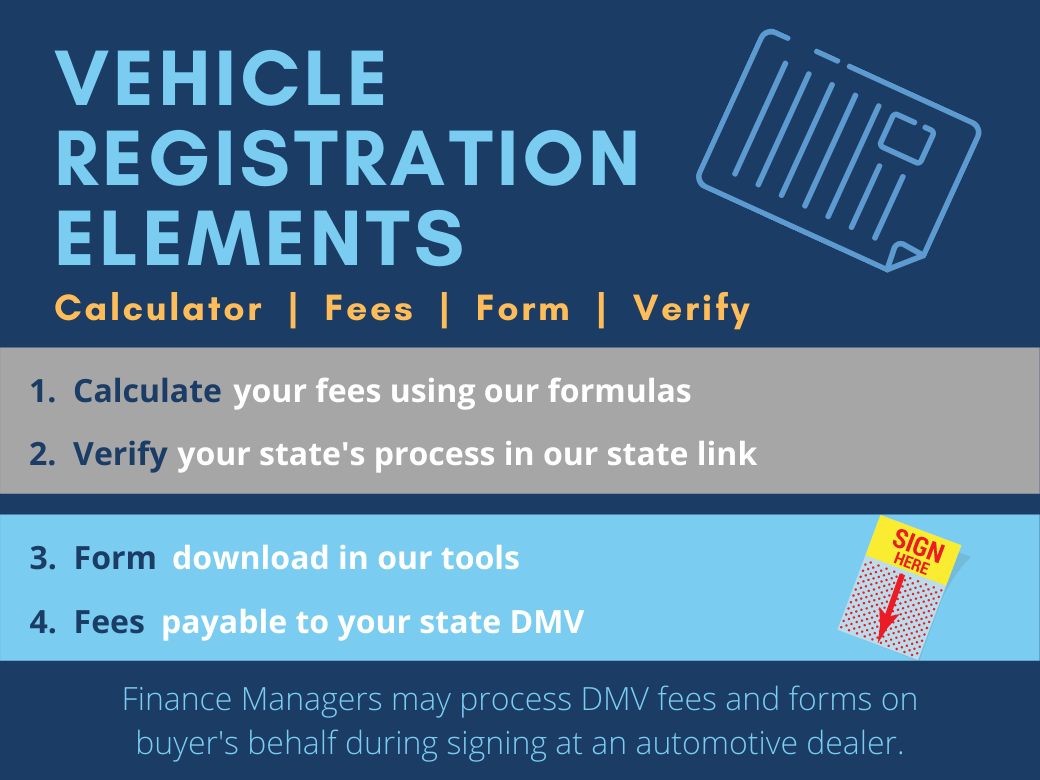
The standard fee for a vehicle title in Texas is currently $33. This fee is relatively modest compared to the sales tax but is non-negotiable and essential. You apply for a vehicle title at your local county tax assessor-collector’s office, often in conjunction with your vehicle registration.
When purchasing from a dealership, the dealer typically handles all the paperwork for the title and registration on your behalf, often rolling these costs into your overall financing. This streamlined process offers convenience, particularly for those new to Texas or busy with travel plans. However, when buying from a private seller, the responsibility falls squarely on the buyer to apply for the title within 30 days of purchase. Failing to do so can result in penalties, highlighting the importance of understanding local regulations for hassle-free travel and accommodation.

Why the Title is More Than Just a Document
The vehicle title serves several critical functions:
- Legal Ownership: It legally establishes you as the owner of the vehicle, which is essential for any legal or financial transactions involving the car.
- Preventing Fraud: The title records critical information about the vehicle, including its Vehicle Identification Number (VIN), make, model, and year, helping to prevent theft and fraudulent sales.
- Future Transactions: When you eventually sell or trade in the vehicle, a clear and properly transferred title is indispensable. Without it, you cannot legally transfer ownership to a new buyer, making it a critical component of responsible lifestyle management and asset protection.
- Insurance and Registration: A valid title is a prerequisite for obtaining proper vehicle insurance and registering your car, both of which are mandatory for driving on Texas roads. For anyone planning to extensively explore Texas attractions like Space Center Houston or the Sixth Floor Museum at Dealey Plaza, having all your documentation in order ensures uninterrupted travel.
For new residents or long-term visitors, transferring your out-of-state title to a Texas title is also a necessary step. This usually involves presenting your out-of-state title, proof of Texas insurance, and paying the $33 title fee, along with any applicable new resident tax. This process is key to fully integrating into the Texas lifestyle, ensuring your vehicle is compliant with all local regulations.
License Plates and Registration: Keeping Your Vehicle Road Legal
Once you’ve navigated the sales tax and secured your title, the final primary cost for legal vehicle operation in Texas is the license plate and annual registration fees. This recurring expense is crucial for ensuring your vehicle is road legal and contributes to the maintenance of Texas’s extensive road network, which you’ll undoubtedly utilize for everything from daily commutes to epic road trips visiting places like the Riverwalk in San Antonio or the Dallas Arts District.
Breaking Down the Registration Fees
The base registration fee for most passenger vehicles in Texas is currently $50.75. However, this is just the starting point. Several additional fees can apply, varying slightly by county:
- Road and Bridge Fee: Many counties add a road and bridge fee, typically $10.00, to help fund local infrastructure improvements.
- Optional Fees: Some counties may have other small optional fees.
- Inspection Fee: While the vehicle inspection is a separate service provided by state-licensed inspection stations, proof of a passing inspection is required before you can renew your registration. The inspection itself typically costs around $7.00 for safety-only inspections and up to $25.50 for safety and emissions inspections (required in certain counties like Dallas, Houston, Austin, and El Paso). Although paid separately, it’s an integrated part of the annual registration process.
Considering these additional charges, you can expect to pay approximately $60 to $80 annually for your standard vehicle registration in most parts of Texas. These costs are an important consideration for anyone managing a budget for long-term accommodation or planning continuous travel within the state.
The Convenience of Renewal and Personalized Options
Texas offers several convenient options for renewing your vehicle registration:
- Online: The quickest and most common method is online renewal through the Texas DMV website. You’ll need your registration renewal notice, proof of insurance, and a passing inspection report.
- Mail: You can mail in your renewal notice and payment.
- In Person: Visit your local county tax assessor-collector’s office.
Once renewed, you’ll receive a new registration sticker to place on your windshield, signifying your vehicle’s current legal status. For those who enjoy a touch of personalization, Texas also offers a wide array of specialty license plates. These can range from plates supporting universities and charities to those showcasing various Texas themes. While they come with an additional annual fee (which can vary significantly, often from $30 to over $100 annually on top of your base registration), they allow you to express your personality or support a cause, adding a unique touch to your Texas lifestyle. Whether you’re exploring Zilker Park by Lady Bird Lake in Austin or visiting the historic downtown of Fort Worth, a unique plate can be a fun conversation starter.
Beyond the Big Three: Other Essential Vehicle Costs in Texas
While sales tax, title, and registration are the primary governmental fees associated with vehicle ownership in Texas, a responsible budget for travel, relocation, or long-term accommodation must account for several other mandatory and ongoing expenses. Overlooking these can quickly derail a carefully planned budget and impact your overall experience of the Lone Star State.
Mandatory Vehicle Inspection
As mentioned, an annual vehicle inspection is a prerequisite for renewing your registration. This ensures that vehicles operating on Texas roads meet minimum safety and, in certain areas, emissions standards.
- Safety Inspection: All vehicles in Texas must pass an annual safety inspection, which checks components like brakes, tires, lights, steering, and windows. The fee is typically around $7.00.
- Emissions Testing: Vehicles registered in specific urban areas, particularly the larger metropolitan counties like Dallas, Fort Worth, Houston, Austin, San Antonio, El Paso, Galveston, Plano, and Corpus Christi, must also pass an emissions test. This typically adds to the cost, bringing the total inspection fee to around $25.50.
Failing an inspection means you’ll need to make necessary repairs before your vehicle can be registered, an unforeseen cost that can impact your travel or relocation timeline.
Vehicle Insurance: A Non-Negotiable Expense
Driving without valid liability insurance in Texas is illegal and carries significant penalties. This is arguably the most substantial ongoing cost of vehicle ownership. The minimum liability coverage required is 30/60/25:
- $30,000 for bodily injury per person
- $60,000 for bodily injury per accident
- $25,000 for property damage per accident
However, most drivers opt for more comprehensive coverage, including collision, comprehensive, uninsured/underinsured motorist, and medical payments, to protect their investment and personal finances. The cost of insurance can vary wildly based on numerous factors:
- Driver Demographics: Age, driving record, marital status, and credit score.
- Vehicle Type: Make, model, year, safety features, and theft risk.
- Location: Rates can differ significantly between urban areas like Houston or Dallas and more rural parts of Texas.
- Coverage Levels: The amount of coverage and deductible chosen.
For travelers, new residents, or those planning a lifestyle in Texas, obtaining several insurance quotes before purchasing a vehicle is highly recommended. This allows for accurate budgeting and ensures you find the best rates for your specific needs, whether you’re planning a luxurious drive or a budget-conscious road trip across the state.
Fuel and Maintenance: The Ongoing Commitment
While not governmental fees, fuel and maintenance are critical, recurring expenses that directly impact your travel and lifestyle budget in Texas. Texas is a vast state, and exploring its many destinations – from the remote beauty of Padre Island National Seashore to the bustling downtowns – often involves considerable driving.
- Fuel Costs: These fluctuate with global oil prices but are a constant consideration. Your vehicle’s fuel efficiency, combined with the amount of driving you do, will dictate this significant expense.
- Routine Maintenance: Regular oil changes, tire rotations, brake checks, and other preventative maintenance are essential to keep your vehicle running reliably and safely, especially for long-distance travel. Neglecting these can lead to more expensive repairs down the line, potentially disrupting your travel plans or impacting your budget for accommodation and experiences.
Factoring in these ongoing costs is vital for anyone planning to embrace the full scope of Texas life, ensuring your vehicle remains a source of freedom and convenience rather than an unexpected financial burden.
Navigating Vehicle Ownership in Texas: Tips for Travelers and New Residents
Understanding the costs of tax, title, and license in Texas is just the beginning. For travelers planning extended stays, individuals relocating, or anyone considering purchasing a vehicle in the Lone Star State, a strategic approach to vehicle ownership can significantly enhance their overall experience, freeing up resources for tourism, leisure, and a comfortable lifestyle.
Budgeting for a Seamless Texas Experience
Comprehensive budgeting is your most powerful tool. When considering a vehicle purchase, don’t just focus on the sticker price. Create a detailed spreadsheet that includes:
- Purchase Price: The agreed-upon cost of the vehicle.
- Sales Tax: Calculate the 6.25% (or estimate based on SPV for used cars).
- Title Fee: The standard $33 fee.
- Registration Fees: The base fee plus any county-specific add-ons (estimate $60-$80 annually).
- Inspection Fee: Plan for the annual safety and emissions inspection ($7-$25.50).
- Insurance Premiums: Get actual quotes before buying to avoid surprises. This is a major variable.
- Initial Maintenance: Consider a pre-purchase inspection for used cars, and factor in initial fluid changes or tune-ups.
- Fuel Costs: Estimate based on your expected mileage and the vehicle’s MPG.
- Contingency Fund: Always set aside extra for unexpected repairs or maintenance.
By meticulously planning these expenses, you can ensure that your vehicle acquisition seamlessly integrates into your budget for accommodation, dining, and exploring Texas’s rich tapestry of attractions, from the vibrant nightlife of Austin to the historical depth of San Antonio.
Utilizing Official Resources and Local Expertise
The Texas Department of Motor Vehicles (DMV) website is an invaluable resource for current fees, forms, and regulations. It offers tools to estimate registration costs, look up SPV, and find your local county tax assessor-collector’s office. For new residents, understanding the specific requirements for transferring out-of-state vehicles is crucial. Don’t hesitate to call your local county tax office directly; they are the experts on local fees and procedures and can provide personalized guidance.
Rental vs. Purchase: A Decision for Your Lifestyle
For short-term visitors or those contemplating an extended stay, weighing the pros and cons of renting versus purchasing is essential.
- Car Rental: Ideal for shorter vacations, business trips, or temporary exploration of a specific region. It offers flexibility, maintenance-free driving, and often includes basic insurance. It eliminates the hassle of tax, title, and registration. Many hotels and resorts, particularly those catering to luxury travel, offer concierge services that can arrange premium car rentals.
- Vehicle Purchase: A better option for long-term residents, those staying for several months or years, or individuals planning extensive road trips across Texas and potentially into neighboring states or even Mexico. While it involves upfront costs and ongoing responsibilities, it offers complete freedom, no mileage restrictions, and can be more cost-effective over a prolonged period.
Your choice should align with your travel style, the duration of your stay, and your financial planning for your Texas adventure.
Embracing the Freedom of the Open Road
Ultimately, understanding and preparing for the costs associated with vehicle tax, title, and license in Texas is an investment in freedom. A properly registered and insured vehicle opens up the entire state to you – from the majestic landscapes of Big Bend National Park to the serene beauty of the Hill Country and the vibrant energy of its major cities. This freedom allows for spontaneous detours to charming small towns, access to remote natural landmarks, and the flexibility to truly immerse yourself in the local culture and experiences that define Texas. Whether you’re seeking adventure, tranquility, or cultural enrichment, a clear understanding of these vehicle-related expenses ensures that your focus remains on creating unforgettable memories in the Lone Star State.
LifeOutOfTheBox is a participant in the Amazon Services LLC Associates Program, an affiliate advertising program designed to provide a means for sites to earn advertising fees by advertising and linking to Amazon.com. Amazon, the Amazon logo, AmazonSupply, and the AmazonSupply logo are trademarks of Amazon.com, Inc. or its affiliates. As an Amazon Associate we earn affiliate commissions from qualifying purchases.