
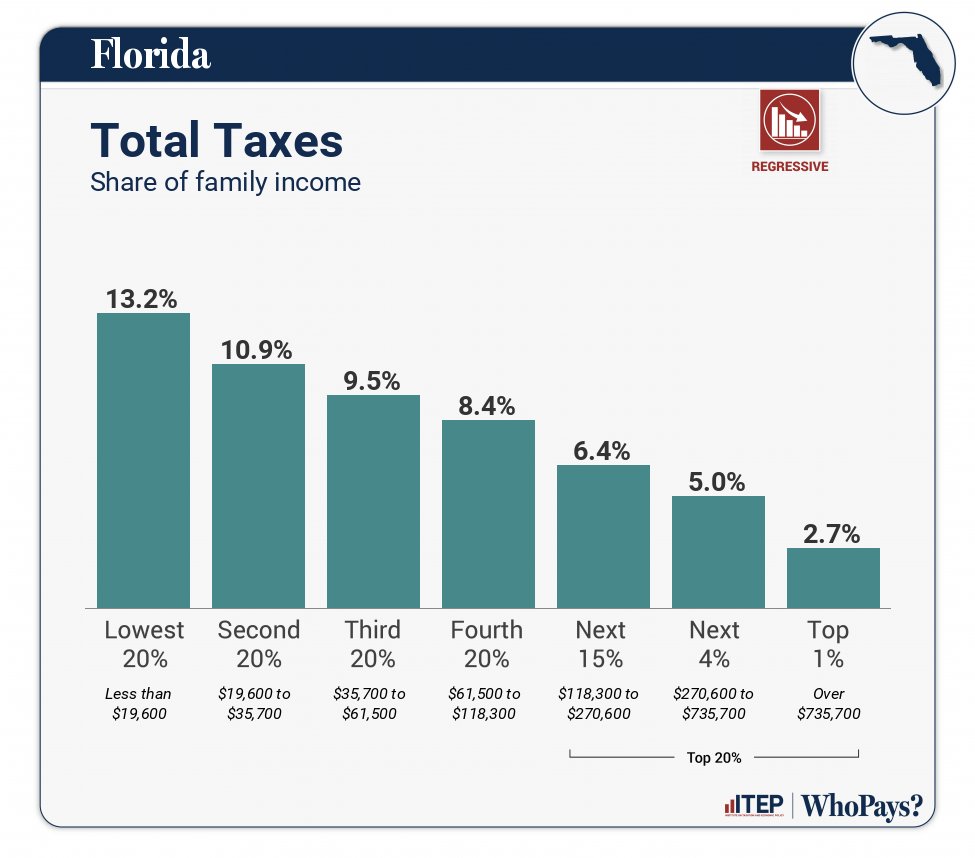
Florida, often lauded as the “Sunshine State,” is a premier destination for millions of travelers each year. Its allure extends beyond its pristine beaches and vibrant theme parks, encompassing a diverse range of attractions, luxurious resorts, and unique cultural experiences. However, for anyone planning a trip or considering a longer stay, understanding the tax landscape is crucial. While Florida is famously known for not having a state income tax, this doesn’t mean visitors and residents are exempt from all forms of taxation. This guide delves into the primary taxes you can expect to encounter when visiting or residing in Florida, focusing on sales tax, property tax, and other relevant levies that can impact your travel budget and overall cost of living.
Navigating Florida’s Sales Tax: A Traveler’s Essential
For tourists and temporary visitors, sales tax is the most immediate and frequently encountered tax in Florida. This tax is levied on the purchase of most goods and some services, and understanding its structure is key to budgeting your vacation effectively.
The Base Rate and Local Additions
Florida’s statewide sales tax rate is a modest 6%. However, this is just the starting point. Many counties and municipalities in Florida impose additional local option sales taxes, which can significantly increase the final price of goods and services. These local taxes are designed to fund various public services, such as transportation projects, schools, and law enforcement. As a result, the combined state and local sales tax rate can vary widely across the state.
For instance, a trip to Orlando, a hub for theme park enthusiasts and families, will likely involve a higher combined sales tax rate than a more secluded beach town. It’s common to see rates ranging from 6.5% to 7.5% or even higher in popular tourist destinations. This means that the cost of souvenirs, dining out, and even essential purchases can add up quickly.
Popular tourist destinations and their approximate sales tax rates can include:
- Miami-Dade County: Typically around 7%
- Orange County (Orlando): Often around 6.5% to 7%
- Broward County (Fort Lauderdale): Generally around 7%
- Hillsborough County (Tampa): Usually around 7%
It is always advisable to check the specific sales tax rate for the county or city you plan to visit to accurately estimate your expenses. Local tax authorities or tourism websites often provide this information.
Exemptions and Taxable Services
While most tangible goods are subject to sales tax, Florida has several exemptions designed to ease the burden on consumers and to encourage specific economic activities.
Common Exemptions Include:
- Groceries: Most unprepared food items intended for home consumption are exempt from sales tax. This is a significant benefit for families and budget travelers who choose to prepare some of their own meals. However, prepared foods, such as those sold at delis or ready-to-eat meals, are typically taxable.
- Prescription Drugs and Over-the-Counter Medications: Essential healthcare items are generally exempt.
- Certain Agricultural Products: To support the state’s agricultural industry.
- Business Inputs: Some raw materials and components used in manufacturing are exempt to promote industrial growth.
On the other hand, certain services are also subject to Florida’s sales tax. These can include:
- Hotel and Motel Accommodations: This is a critical tax for travelers, as it applies directly to the cost of your stay. The rate will be the combined state and local sales tax rate for the specific area. For example, a stay at a luxurious resort like the Ritz-Carlton, Naples, or a budget-friendly option like a La Quinta Inn by Wyndham, will include this tax on the nightly rate.
- Rental of Tangible Personal Property: This can include car rentals, boat rentals, and other equipment rentals.
- Admissions to Places of Amusement, Entertainment, and Exhibitions: Tickets to theme parks like Walt Disney World Resort or Universal Orlando Resort, sporting events, and other attractions will have sales tax added.
- Commercial Rents: Businesses renting commercial space are subject to this tax.
- Contracting Services: Services performed by contractors on real property are generally taxable.
Understanding these exemptions and taxable services can help you make informed purchasing decisions and potentially reduce your overall tax burden during your Florida visit.
Property Taxes: For Homeowners and Long-Term Stays
While sales tax is a concern for most visitors, property tax is a significant consideration for those looking to purchase property in Florida or for individuals engaged in long-term accommodation, such as renting an apartment or villa for an extended period.
How Florida Property Taxes Work
Unlike income tax, Florida does have property taxes, which are levied by local governments (counties, municipalities, and special taxing districts) on real estate. The funds generated from property taxes are crucial for funding local services such as schools, roads, fire departments, and police services.
The amount of property tax you pay is determined by three main factors:
- Assessed Value of the Property: This is the value of your property as determined by the county’s property appraiser. It’s typically a percentage of the property’s market value.
- Millage Rate: This is the tax rate set by each taxing authority (county, city, school district, etc.). It is expressed in mills, where one mill equals $1 of tax for every $1,000 of assessed value. For example, a millage rate of 10 mills means you pay $10 for every $1,000 of assessed value.
- Exemptions: Florida offers various property tax exemptions that can significantly reduce your tax liability.
Key Property Tax Exemptions
Florida has several homestead exemptions that are particularly beneficial for primary residents.
- Homestead Exemption: This is the most significant exemption, reducing the assessed value of your homestead property by up to $25,000 for the first $25,000 of value and an additional $25,000 for the portion of assessed value between $25,001 and $50,000, plus an additional $50,000 for the portion of assessed value between $75,001 and $100,000. To qualify, you must own and occupy the home as your primary residence as of January 1st of the tax year.
- Additional Homestead Exemption for Seniors: Certain counties offer an additional homestead exemption for homeowners aged 65 and older who meet specific income limitations.
- Disability Exemptions: Various exemptions are available for individuals with permanent disabilities.
- Veteran Exemptions: Disabled veterans may be eligible for property tax exemptions.
Understanding these exemptions is vital for anyone considering purchasing a home in Florida, whether it’s a beachfront condo, a suburban house, or a rural property. Cities like Tampa, Jacksonville, and St. Petersburg will have different millage rates and specific local exemptions.
For those looking for long-term accommodation, such as renting an apartment or a villa for several months, property taxes are typically factored into the rental rate by the landlord or property management company. While you won’t be directly paying the property tax bill, the cost is indirectly passed on.
Other Taxes and Considerations
Beyond sales and property taxes, there are a few other tax-related aspects to be aware of when visiting or living in Florida.
Tourist Development Taxes (Bed Taxes)
Many Florida counties and municipalities impose a “Tourist Development Tax,” often referred to as a “bed tax.” This is an additional tax levied on the rental of transient accommodations, such as hotels, motels, vacation rentals, and Airbnb-style bookings, for periods of less than six months. This tax is separate from the standard state and local sales tax and is specifically earmarked to fund tourism promotion, infrastructure, and attractions.
The rate of the tourist development tax varies significantly by location. Some popular tourist areas might have a tourist development tax rate of 2% to 5% or even higher, in addition to the standard sales tax. So, when booking a hotel in Key West, for example, the total tax on your accommodation could be substantially higher than in a less tourist-centric area. Always factor in this additional tax when comparing hotel prices or booking vacation rentals.
Business Taxes and Licenses
For businesses operating in Florida, there are various tax obligations, including corporate income tax (though Florida has a limited corporate income tax system), reemployment tax, and sales and use tax on business purchases. While this is primarily a concern for residents and businesses, it can indirectly affect the pricing of goods and services offered to tourists.
Gas Taxes
Like most states, Florida has excise taxes on motor fuel. These taxes are included in the price you pay at the pump and contribute to funding the state’s transportation infrastructure. While not a large portion of a typical vacation budget, it’s a cost to consider if you plan on extensive driving across the state, perhaps exploring the natural beauty of the Everglades National Park or the coastal highways.
Vehicle Registration and Licensing Fees
If you are a Florida resident or planning to stay long enough to register a vehicle, you will encounter fees related to vehicle registration and driver’s licenses. These are generally considered licensing fees rather than taxes but contribute to state revenue for transportation and public safety.

Conclusion: Smart Budgeting for Your Florida Experience
Florida offers an incredible array of experiences, from the bustling streets of Miami to the serene tranquility of the Florida Keys. While the absence of a state income tax is a significant draw for residents and businesses, understanding the nuances of sales tax, property tax, and tourist development taxes is crucial for anyone planning a trip or a relocation.
By being aware of the base sales tax rate, potential local add-ons, and which goods and services are taxable, travelers can better budget their expenses. For those considering property ownership or long-term stays, a deep dive into property tax structures and exemptions is essential. Similarly, factoring in tourist development taxes when booking accommodations will prevent unexpected costs.
Ultimately, a little research and awareness can go a long way in ensuring a smooth and enjoyable experience in the Sunshine State, allowing you to focus on making memories at its world-class attractions and enjoying its vibrant lifestyle, whether you’re staying at a grand resort like the Grand Floridian Resort & Spa or exploring the historic charm of St. Augustine.
LifeOutOfTheBox is a participant in the Amazon Services LLC Associates Program, an affiliate advertising program designed to provide a means for sites to earn advertising fees by advertising and linking to Amazon.com. Amazon, the Amazon logo, AmazonSupply, and the AmazonSupply logo are trademarks of Amazon.com, Inc. or its affiliates. As an Amazon Associate we earn affiliate commissions from qualifying purchases.