
Welcome to the vast and vibrant state of Texas, a land where sprawling landscapes meet bustling metropolises, offering an unparalleled blend of culture, history, and modern attractions. From the live music capital of Austin to the historic charm of San Antonio, the cosmopolitan allure of Dallas, and the impressive Space Center Houston, the Lone Star State beckons millions of visitors each year. Whether you’re planning a family adventure, a romantic getaway, a solo exploration, or a business trip, understanding the local financial landscape, particularly sales tax, is a crucial part of budgeting for your travels.
Often overlooked in the excitement of planning a trip, sales tax can subtly inflate your travel expenses. In Texas, like most places, sales tax applies to a wide array of goods and services, influencing everything from the cost of your accommodation and meals to souvenirs and entrance fees for popular landmarks. For savvy travelers, knowing how much to expect can prevent unwelcome surprises and help allocate resources more effectively, ensuring a smoother and more enjoyable journey. This comprehensive guide will demystify Texas sales tax, breaking down its components, explaining its impact on various aspects of your trip, and offering practical advice to help you budget like a pro.
Navigating the Lone Star State: Understanding Texas Sales Tax for Travelers
Texas is a state renowned for its hospitality, diverse experiences, and larger-than-life personality. From the sun-drenched beaches of Galveston to the rugged beauty of Big Bend National Park, and the iconic Dallas Arts District, there’s an adventure awaiting every type of traveler. However, for all the excitement of planning your itinerary, a practical understanding of how sales tax functions here is paramount. This knowledge isn’t just for budget travelers; even those indulging in luxury travel will find that sales tax can significantly add up, especially on higher-priced items and services.
Sales tax in Texas is a consumption tax, meaning it’s levied on the sale of goods and certain services. It’s important to distinguish this from other taxes you might encounter, such as hotel occupancy tax, which specifically applies to lodging. For visitors, the sales tax will impact most retail purchases, restaurant meals, and various entertainment options. By understanding the base rate and how local jurisdictions can add to it, you can better estimate the final cost of your purchases and ensure your travel funds stretch further. This foundational knowledge allows you to focus more on enjoying the vibrant culture, delicious Tex-Mex cuisine, and historic sites without financial worries.
The Fundamentals of Texas Sales Tax: State and Local Rates
When planning your trip to Texas, one of the first things to understand about sales tax is its two-tiered structure: a statewide base rate and additional local rates. This combination dictates the total amount you’ll pay on most taxable goods and services.
Unpacking the Base Rate: What Every Visitor Needs to Know
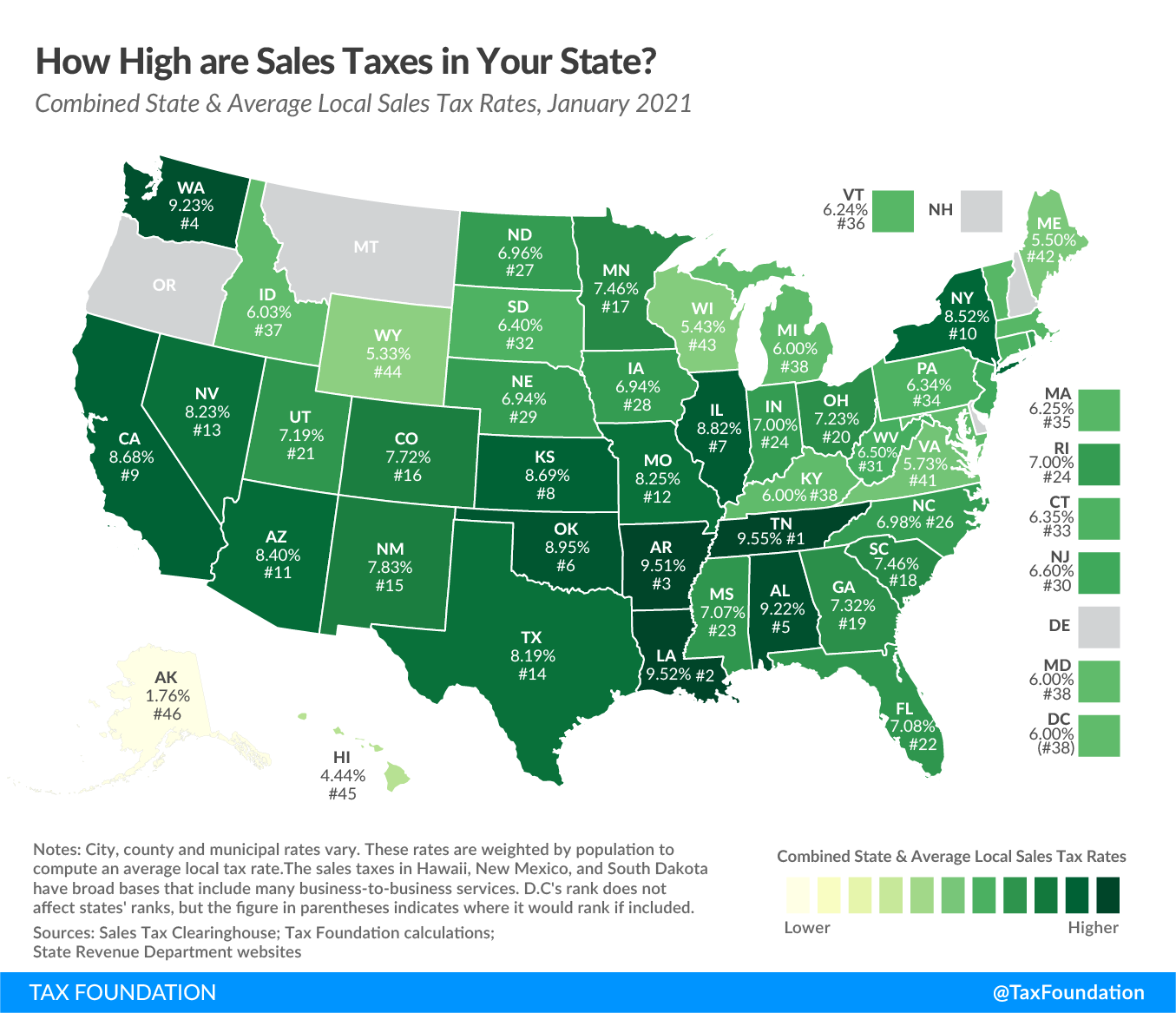
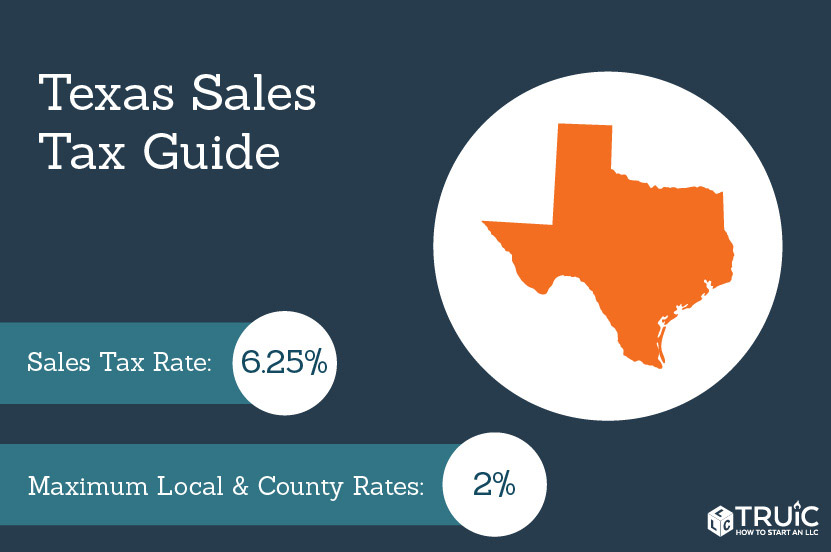
The statewide sales tax rate in Texas is 6.25%. This is the consistent starting point for almost all taxable transactions across the entire state. Whether you’re buying a souvenir t-shirt in Fort Worth, dining at a five-star restaurant in Houston, or booking a tour to The Alamo in San Antonio, this 6.25% will be applied to the purchase price before any local taxes are added.
This base rate is set by the Texas Legislature and is applied uniformly. It’s important to remember that this percentage is applied to the subtotal of your purchase, not the amount after any discounts or before shipping fees, if applicable. While 6.25% might seem manageable on individual small purchases, it can quickly accumulate on larger expenditures like electronics, extensive shopping trips, or multiple restaurant visits throughout your stay. Knowing this base rate gives you a benchmark for estimating the added cost on most items you’ll encounter.
Local Variations: How City and County Taxes Add Up
While the state sales tax remains constant, local taxing jurisdictions—including cities, counties, and special purpose districts—have the authority to impose their own additional sales taxes. These local rates can add up to a maximum of 2% on top of the state’s 6.25%. This means that the combined sales tax rate in Texas can reach a maximum of 8.25% in many areas.
The specific local rate you encounter will depend entirely on where you are making your purchase within the state. A city might impose a 1.5% city sales tax, while the county it resides in adds another 0.5%, bringing the local total to 2%. Other areas might have lower local rates, or none at all from certain districts. This variability is why it’s common to see different total sales tax percentages listed on receipts depending on your location. It’s a critical detail for travelers, as a shopping spree in one city might carry a different tax burden than in another, even just a few miles down the road. This system of local add-ons helps fund local services and infrastructure, directly impacting the quality of your travel experience through well-maintained roads, local parks, and public services.
Real-World Examples: Sales Tax in Major Texas Destinations
To illustrate how these rates combine, let’s look at some of Texas’s most popular destinations:
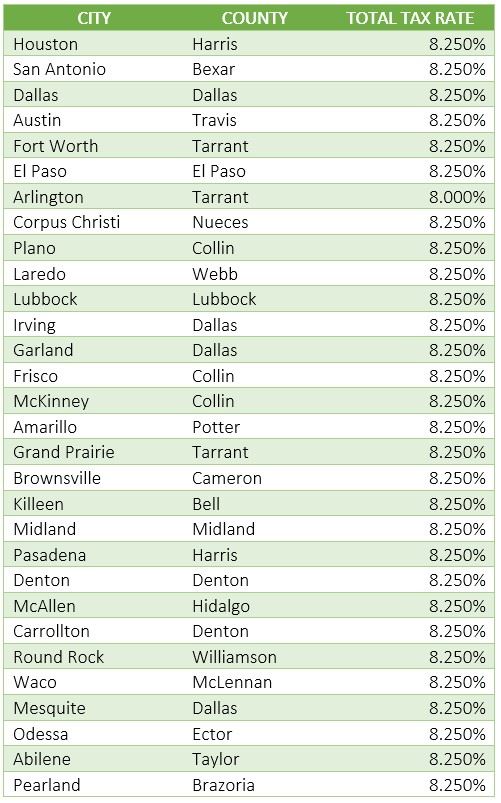
- Houston: As the largest city in Texas, Houston typically has a combined sales tax rate of 8.25%. This applies to most retail purchases, prepared food, and entertainment tickets within the city limits. So, a $100 purchase would cost you $108.25.
- Dallas: Similar to Houston, Dallas also generally levies an 8.25% sales tax rate. This is consistent across its vibrant shopping districts and diverse culinary scene, from NorthPark Center to Bishop Arts District.
- Austin: The state capital and a hub for live music and outdoor activities, Austin also applies an 8.25% sales tax. Whether you’re buying records on South Congress Avenue or enjoying a meal on Sixth Street, factor this into your budget.
- San Antonio: Home to The Alamo and the famous Riverwalk, San Antonio also has a combined sales tax rate of 8.25%. This will impact your purchases of souvenirs, dining experiences, and admission to historical sites.
- El Paso: Located on the western tip of Texas, El Paso typically has an 8.25% sales tax rate, affecting purchases from local markets to shopping malls.
- Corpus Christi: A popular coastal destination, Corpus Christi generally features an 8.25% sales tax rate, which applies to seaside dining, beach gear, and local attractions.
While most major cities adhere to the 8.25% maximum, it’s always a good practice to check your receipts or simply ask retailers if you’re unsure. This common rate across major urban centers simplifies budgeting somewhat, but the underlying mechanism of state plus local rates remains key to understanding your final costs.
Sales Tax and Your Texas Travel Budget: Key Expenditure Categories
For any traveler, understanding how sales tax impacts various expenditure categories is vital for accurate budgeting. Texas offers a diverse range of experiences, from luxury resorts to budget-friendly accommodations, and the sales tax implications vary across these.
Accommodation: Beyond the Standard Sales Tax – The Hotel Occupancy Tax
When it comes to booking hotels, suites, resorts, or apartments in Texas, you’ll encounter a separate charge known as the Hotel Occupancy Tax (HOT), rather than the standard sales tax. This is an important distinction often missed by travelers. The HOT is specifically levied on the cost of your room or lodging.
The HOT rate in Texas also has state and local components. The state HOT rate is 6%. However, cities and counties can add their own HOT rates, which can push the total significantly higher. For example, many major cities like Houston, Dallas, and San Antonio have combined HOT rates that can range from 15% to 17%. This means that for a $100 room, you might pay an additional $15 to $17 in tax, depending on the specific city. This tax often goes towards funding local tourism initiatives, convention centers, and historical preservation, directly enhancing the visitor experience. When comparing hotels or planning your accommodation budget, always look for the total price including all taxes and fees, as the HOT can significantly increase the nightly rate.
Dining and Food Experiences: From Fine Dining to Food Trucks
Dining out is an integral part of the Texas travel experience, whether you’re savoring authentic BBQ, indulging in Tex-Mex, or enjoying a gourmet meal. Sales tax applies to prepared food and beverages purchased from restaurants, cafes, food trucks, and similar establishments. This means your bill at any eatery will include the combined state and local sales tax rate, typically 8.25% in major cities. So, if your dinner bill is $50, you can expect an additional $4.13 to be added for sales tax.
However, there’s a key exemption: unprepared food, or most groceries, are generally exempt from sales tax in Texas. This is excellent news for travelers opting for long-term stays in apartments or villas with kitchens, or for families looking to save money by preparing some of their own meals. When you buy groceries from a supermarket for consumption at your accommodation, you typically won’t pay sales tax on essential food items. Items like deli sandwiches, hot coffee, or pre-cooked meals from the grocery store’s prepared foods section usually are subject to sales tax, as they are considered prepared for immediate consumption.
Shopping for Souvenirs and More: Retail Therapy in Texas
Texas offers fantastic shopping opportunities, from unique boutiques in Austin to expansive malls like Grapevine Mills near Dallas. Almost all retail purchases, including clothing, electronics, books, gifts, and souvenirs, are subject to the standard state and local sales tax rate (up to 8.25%). If you’re planning on a significant shopping spree, remember to factor in this additional cost. For example, a $200 pair of cowboy boots could incur an extra $16.50 in sales tax. This applies whether you’re buying a local artisan craft or a designer item. Budgeting for retail therapy means accounting for this percentage on top of the listed price.
Attractions, Entertainment, and Activities: What’s Taxed When You Play
When you’re exploring Texas’s famous places, architecture, history, and nature, you’ll encounter sales tax on many admission fees and tickets. This includes entry to museums like the Sixth Floor Museum in Dallas, theme parks, zoos, aquariums, concerts, sporting events, and guided tours. If a ticket to a local attraction costs $30, you might pay around $2.48 in sales tax, bringing the total to $32.48.
However, some exemptions exist. For instance, certain charitable or educational events might be exempt, and tickets to specific types of amateur sporting events may not be taxed. Generally, if you are paying for an experience or entry into a venue, assume sales tax will apply. Always check the total price when booking online or at the ticket counter to confirm the final cost, ensuring that the sales tax is already included or clearly itemized.
Transportation: Rental Cars and Other Travel Essentials
For travelers relying on rental cars to explore the vastness of Texas, sales tax will be applied to the rental fee. This can add a notable amount to your overall transportation budget, especially for longer rental periods. The standard sales tax rate (up to 8.25%) will be applied to the base rental cost. Additionally, rental cars often have other fees and surcharges, so it’s crucial to get an all-inclusive quote when booking to avoid surprises. Public transportation, such as bus or subway fares in cities like Houston or Dallas, typically does not have sales tax applied to the fare itself, making it a potentially more budget-friendly option for getting around urban centers.
Exemptions, Special Cases, and Saving Strategies for Your Texas Trip
While sales tax is pervasive, Texas does offer certain exemptions and special circumstances that can impact your overall spending. Knowing these can help you fine-tune your travel budget and potentially save a little.
Unpacking What’s Not Taxed: Groceries and Specific Services
As mentioned, most unprepared food items sold in grocery stores are exempt from Texas sales tax. This includes fresh produce, meats, dairy products, canned goods, and most packaged foods intended for home preparation. This exemption is a significant advantage for travelers staying in accommodations with kitchen facilities, allowing them to save substantially on meal costs compared to dining out for every meal.
Additionally, certain services are generally exempt from sales tax. These often include professional services (like medical, legal, or accounting services), dry cleaning, and certain personal services. Labor for repair or installation is also usually exempt, though the parts used for a repair would be taxable. While most of these might not directly apply to the average tourist, knowing the distinction between goods and services can sometimes prevent unexpected charges. For example, a haircut is typically not taxed, but the hair product you buy at the salon would be.
Seasonal Savings: Exploring Tax Holidays
Texas occasionally hosts sales tax holidays, typically around specific events or times of the year, such as Back-to-School in August. During these periods, certain categories of items, primarily clothing, footwear, school supplies, and backpacks, are exempt from sales tax. While primarily aimed at residents, these holidays can be a boon for travelers who happen to be in the state at the right time and need to purchase any of these qualifying items. For instance, if you’re planning a family trip to Texas in August, you could save on new outfits or school-related purchases for your children, or even just some new travel gear. It’s worth checking the Texas Comptroller’s website for current information on any upcoming tax holidays if your travel dates are flexible.
Planning Ahead: How to Incorporate Sales Tax into Your Budget
The best strategy for managing sales tax is proactive budgeting. Instead of just looking at the listed price, always mentally (or literally) add the applicable sales tax. For major purchases, assume the maximum 8.25% to be safe. For lodging, factor in the higher Hotel Occupancy Tax, which could be 15-17%.
- Create a Buffer: Allocate an extra 5-10% in your daily spending budget specifically for taxes. This ensures you don’t run short on funds because of unforeseen tax additions.
- Check Receipts: Always review your receipts to ensure the correct sales tax has been applied. Mistakes can happen, and it’s good practice to verify.
- Ask When Unsure: Don’t hesitate to ask store clerks or hotel staff about the applicable tax rate if you’re making a significant purchase or booking.
By diligently accounting for sales tax, you gain a clearer picture of your actual spending, preventing those small, cumulative charges from derailing your travel budget.
The Sales Tax Landscape: Impact on Different Travel Lifestyles
Texas’s sales tax affects every traveler, but its impact can vary significantly depending on your travel style and budget. Understanding these nuances helps you tailor your approach to spending and saving.
Luxury Travel in Texas: Understanding High-End Expenditure
For those indulging in luxury travel experiences across Texas, from opulent suites at JW Marriott Cancun Resort & Spa style resorts (assuming a Texan equivalent or a general idea of high-end resorts) to fine dining, bespoke shopping, and exclusive tours, sales tax can accumulate quickly. A $500 dinner will carry a significant sales tax charge (e.g., $41.25 at 8.25%), and a high-end purchase of several thousand dollars can add hundreds to the bill. Luxury travelers often factor these costs into their budget naturally, but an awareness of the percentage still ensures accurate financial planning. For high-end accommodation, the combined Hotel Occupancy Tax of 15-17% on a $700-a-night suite means an additional $105-$119 daily, which is a considerable sum over a week-long stay. Savvy luxury travelers will appreciate knowing these figures to maintain precise control over their expenses.
Budget-Friendly Explorations: Minimizing Sales Tax Impact
Travelers on a tighter budget will find that a keen awareness of sales tax is even more critical. Every percentage point matters when you’re trying to maximize your funds.
- Self-Catering: As mentioned, buying groceries to cook your own meals is a fantastic way to avoid sales tax on food. Opt for accommodations with kitchens or kitchenettes.
- Free Attractions: Texas boasts numerous free attractions, such as parks, public art installations, and often the grounds of historic landmarks like the Texas State Capitol. Focusing on these helps reduce spending on taxable entry fees.
- Smart Shopping: Be mindful of impulse purchases. Consider whether an item is truly a necessity or a cherished souvenir before the sales tax adds to its cost. Look for tax-exempt items when possible.
- Public Transport: Utilize public transportation where available, as fares are typically not subject to sales tax, unlike rental cars.
These strategies help budget travelers stretch their dollars further, ensuring more funds are available for memorable experiences rather than unforeseen tax burdens.
Family Adventures and Business Stays: Tailoring Your Approach
Family trips often involve a higher volume of purchases, from snacks and drinks to souvenirs and attraction tickets for multiple individuals. For families, the grocery exemption is particularly beneficial. Stocking up on tax-free groceries for breakfast, lunches, and snacks can lead to substantial savings over a week or two. Additionally, planning activities that offer family discounts or choosing multi-day passes can help mitigate the impact of sales tax on entertainment.
Business travelers typically have expense accounts that cover their costs. However, understanding sales tax is still important for accurate reporting and compliance. While the business may absorb the tax, knowing the local rates helps in projecting trip costs for reports and ensures that expenses are properly categorized. Business travelers might also find that services like dry cleaning or certain professional consultations are exempt, influencing their choice of vendors. Staying in a well-equipped hotel or serviced apartment that caters to business needs can simplify expense tracking and provide amenities that might indirectly reduce taxable spending.
Conclusion: Mastering Texas Sales Tax for a Seamless Journey
Embarking on a journey through Texas promises an unforgettable experience, filled with diverse landscapes, rich history, and vibrant culture. From the lively music scene of Austin to the historic reverence of San Antonio, and the modern marvels of Houston and Dallas, the Lone Star State offers something for everyone. While the excitement of exploration often takes center stage, a practical understanding of local financial elements, particularly sales tax, is a cornerstone of smart travel.
By now, you should have a clear picture of how Texas sales tax works. You know about the statewide 6.25% rate and how local jurisdictions can add up to 2%, creating a combined rate often reaching 8.25% in major cities. You understand the crucial distinction between general sales tax and the Hotel Occupancy Tax, which can add a significant percentage to your lodging costs. You’re aware that prepared foods are taxed, while most groceries are exempt, offering a key saving opportunity for savvy travelers. Furthermore, you’ve learned that most retail purchases, attraction tickets, and rental cars will include sales tax in their final price.
Integrating this knowledge into your travel planning will empower you to budget more accurately, avoid unexpected expenses, and ultimately enjoy a more relaxed and fulfilling trip. Whether you’re a luxury traveler, a budget explorer, or planning a family adventure or business stay, being tax-aware helps you make informed decisions about where to stay, what to eat, and what to buy. So, go ahead and explore the magnificent destinations, indulge in the local cuisine, discover charming landmarks, and immerse yourself in the unique Texas lifestyle. With your understanding of sales tax in hand, you’re well-equipped to navigate the financial landscape of the Lone Star State with confidence and ease, ensuring that every dollar spent contributes to an extraordinary adventure.
LifeOutOfTheBox is a participant in the Amazon Services LLC Associates Program, an affiliate advertising program designed to provide a means for sites to earn advertising fees by advertising and linking to Amazon.com. Amazon, the Amazon logo, AmazonSupply, and the AmazonSupply logo are trademarks of Amazon.com, Inc. or its affiliates. As an Amazon Associate we earn affiliate commissions from qualifying purchases.