
Planning a visit to the Lone Star State or considering a move to its vibrant cities and sprawling landscapes? Understanding the tax structure in Texas is a crucial step for any traveler, prospective resident, or entrepreneur. From the bustling streets of [Houston](https://lifeoutofthe ofthebox.com/houston) and Dallas to the artistic vibes of Austin and the historic charm of San Antonio, tax implications can subtly, or sometimes significantly, influence your travel budget, accommodation choices, and overall lifestyle.
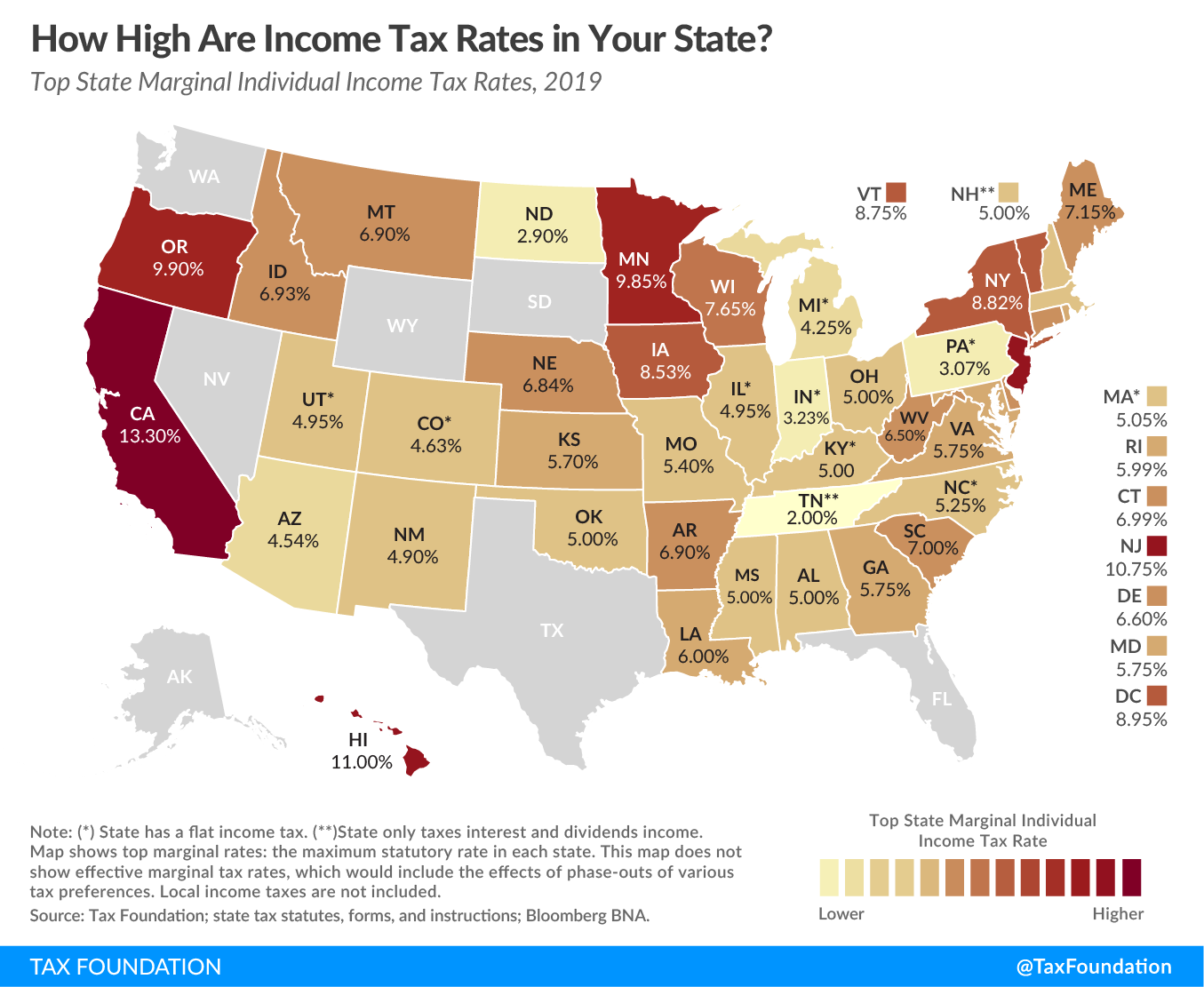
Unlike many other states in the United States, Texas does not levy a state income tax, which is a major draw for many. However, this absence is compensated by other forms of taxation, primarily sales tax and property tax, which play significant roles in the state’s revenue generation. For visitors, the most immediate impact will be felt through sales tax on purchases and services, as well as hotel occupancy taxes. For those eyeing a longer stay or relocation, understanding property taxes becomes paramount. This comprehensive guide will break down the various taxes in Texas, explaining how they might affect your travel plans, lifestyle choices, and potential investments in this diverse state.
Understanding the Texas Tax Landscape for Visitors
For anyone exploring the vast beauty and unique culture of Texas, the primary taxes you’ll encounter are sales tax on goods and services, and hotel occupancy tax on your lodging. Being aware of these figures can help you budget effectively for your trip, whether you’re shopping for souvenirs, dining at world-class restaurants, or relaxing in a luxury resort.
Sales Tax: What You’ll Pay on Goods and Services
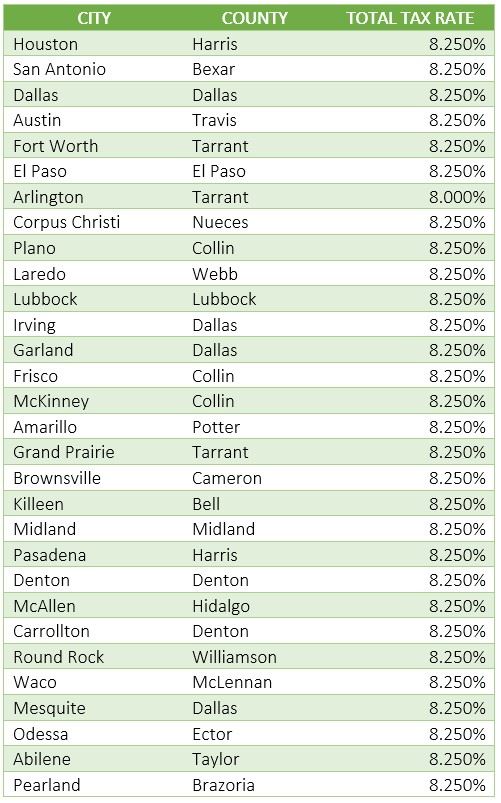
The most common tax you’ll encounter in Texas as a visitor is the sales tax. The state imposes a general sales tax rate of 6.25% on most retail sales, leases, and rentals of tangible personal property, as well as on certain services. However, this isn’t the whole story. Local taxing jurisdictions – cities, counties, and special purpose districts – can add up to an additional 2% to this state rate, bringing the combined maximum sales tax rate to 8.25%.
This means that whether you’re buying a cowboy hat in Fort Worth, enjoying a barbecue feast in Austin, or picking up memorabilia from Space Center Houston, you’ll see this percentage added to your bill. For instance, a meal costing $100 in a city with an 8.25% sales tax will actually cost you $108.25. While seemingly small on individual purchases, these percentages can add up significantly over the course of a multi-day trip, especially if you plan on extensive shopping or dining.
It’s important to note that certain items are exempt from sales tax. The most significant exemptions for consumers are groceries (unprepared food), prescription medicines, and over-the-counter medicines. Clothing, however, is generally taxable, as are most restaurant meals. When planning your budget for exploring the diverse attractions, from the historic The Alamo in San Antonio to the vibrant nightlife of Austin, factoring in that additional 6.25% to 8.25% on most purchases is a wise move.
Hotel Occupancy Tax: Planning Your Stay
Another significant tax for travelers is the Hotel Occupancy Tax (HOT). This tax is levied on the rental price of a room or space in a hotel, motel, bed and breakfast, or any other lodging establishment. The state of Texas imposes a 6% hotel occupancy tax. Similar to sales tax, local entities can add their own HOT rates on top of the state rate. City HOT rates can vary significantly, often ranging from 7% to 9%, and sometimes even higher when combined with county or special district levies.
For example, if you book a room at the Hyatt Regency Dallas for $200 per night, and the local combined hotel tax rate is 15% (6% state + 9% local), you’ll pay an additional $30 per night in taxes. This can substantially increase the total cost of your accommodation, especially for longer stays or for luxury resorts in popular destinations like Galveston or along the Texas Hill Country.
A portion of the revenue generated from the HOT is often earmarked for local tourism promotion and convention center funding. This means that while you’re paying an additional charge, it indirectly contributes to the infrastructure and marketing that make Texas an attractive travel destination. When comparing hotel prices on booking platforms, always check the “total price” or “taxes and fees” section to get an accurate picture of your final accommodation cost.
Rental Car Tax and Other Travel-Related Levies
If your Texas adventure involves exploring the vast distances between cities or venturing into national parks like Big Bend National Park, a rental car might be essential. In addition to the standard sales tax on the rental transaction (if applicable, depending on the rental agreement structure), Texas imposes a Motor Vehicle Rental Tax. This tax is 10% of the gross rental amount for short-term rentals (typically less than 30 days).
So, if your car rental costs $50 per day, you’ll pay an additional $5 per day in rental car tax, plus any local sales tax that might apply to the rental. This is a significant factor to consider when budgeting for road trips across the state, adding to the total cost alongside fuel, insurance, and other vehicle-related expenses. Other minor taxes or fees might include airport fees if you pick up your rental car at an airport, which are typically listed separately by rental agencies. While these may seem minor individually, cumulatively they can significantly impact your overall travel budget, especially for extended trips or when planning to move around frequently.
The Financial Side of Living and Investing in Texas
Moving beyond short-term visits, for those considering making Texas their home or looking to invest in property, the tax landscape presents a different set of considerations. The absence of a state income tax is a huge advantage for many, but it’s crucial to understand how other taxes, particularly property tax, play a larger role in the state’s financial framework.
Property Tax: The Cornerstone of Texas Revenue
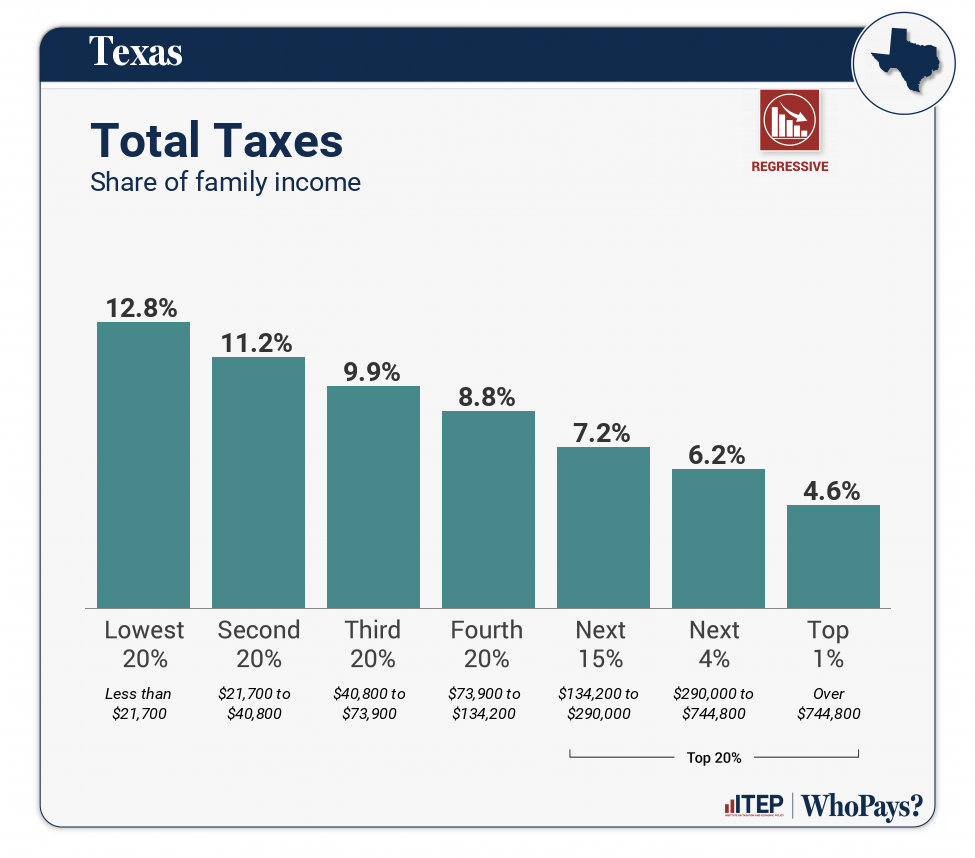
The most substantial tax for residents and property owners in Texas is property tax. Unlike states with high income taxes, Texas relies heavily on local property taxes to fund public services such as schools, city and county operations, and special districts. Consequently, Texas property tax rates are among the highest in the nation.
Property taxes are assessed at the local level by various taxing units (e.g., school districts, counties, cities, hospital districts, junior college districts). Each of these entities sets its own tax rate, which is applied to the appraised value of your property. For example, a homeowner in Plano might pay different rates than someone owning a ranch in Fredericksburg, even if the property values are similar. The median effective property tax rate in Texas often hovers around 1.6% to 2% of a home’s value, though it can be higher in some areas.
This means that while you might not pay state income tax on your earnings, your annual property tax bill can be substantial. For a home valued at $300,000 with an effective property tax rate of 2.5%, the annual property tax would be $7,500. Texas does offer a homestead exemption, which reduces the appraised value of a primary residence for tax purposes, thereby lowering the tax burden. Various other exemptions exist for seniors, veterans, and individuals with disabilities. For anyone considering purchasing real estate, whether a family home or an investment property, thoroughly researching local property tax rates and understanding potential exemptions is absolutely essential. Property taxes are a recurring annual expense that can significantly impact long-term financial planning and the overall cost of living.
No State Income Tax: A Major Advantage
One of the most appealing aspects of the Texas tax system, especially for workers and businesses, is the absence of a state income tax. This means that your wages, salaries, and investment income are not subject to an additional state levy beyond federal income taxes. For individuals moving from states with high income taxes, this can represent a substantial increase in take-home pay.
This lack of a state income tax is a major driver for population growth and corporate relocations to Texas. It contributes to a perception of a more business-friendly and fiscally conservative environment. For employees, it means more of their earned income stays in their pockets, potentially offsetting the higher property taxes for homeowners or the sales taxes on consumption. For those engaged in remote work or considering a long-term stay where earnings are a primary concern, this aspect of the Texas tax structure is a significant benefit to consider when evaluating your overall financial picture.
Business and Franchise Taxes (For Entrepreneurs and Investors)
For entrepreneurs, business owners, and investors looking to set up shop in Texas, the state offers a generally favorable climate, partially due to the lack of corporate income tax. However, businesses in Texas are subject to a “franchise tax,” sometimes referred to as a “margins tax.” This tax is levied on a business’s taxable margin rather than its net income. Most businesses with total revenue under a certain threshold (which is adjusted annually) are exempt from this tax.
The franchise tax calculations can be complex, involving different methods for determining a company’s margin. While it’s not an income tax, it is an important consideration for larger businesses, corporations, and limited liability companies (LLCs) operating in the state. For those looking to open a new hotel, establish a tourism-related venture, or invest in commercial real estate, understanding the nuances of the franchise tax is crucial for financial planning and ensuring compliance. Texas’s business tax structure, despite the franchise tax, is often cited as a key factor in its economic growth and attractiveness to new enterprises.
Navigating Texas Taxes: Tips for Travelers and Prospective Residents
Whether you’re visiting for a week or planning a lifetime in Texas, being proactive about understanding the tax implications can save you money and headaches. A little foresight can go a long way in enjoying all that the Lone Star State has to offer.
Budgeting for Your Texas Adventure
Effective budgeting is key to a stress-free travel experience in Texas. When estimating costs for dining, shopping, and activities, always factor in the applicable sales tax (up to 8.25%). For accommodation, remember to add the state (6%) and local hotel occupancy taxes, which can push the total lodging cost significantly higher. If renting a car, account for the 10% motor vehicle rental tax.
For example, if you’re planning a beach getaway to South Padre Island, a daily hotel room costing $150 could end up being closer to $170-$175 after taxes. A week-long trip could easily see hundreds of dollars added just from taxes alone. Similarly, if attending a festival like Austin City Limits and buying merchandise or food, those sales taxes will add up. Planning to explore the charming shops of Gruene Historic District? Keep that sales tax in mind for every souvenir. Always build a buffer into your travel budget to cover these additional expenses, ensuring you don’t overspend or run into unexpected costs.
Understanding Local Tax Differences
Texas’s decentralized tax structure means that rates can vary significantly from one city or county to another. While the state sales tax is uniform, local sales tax rates, and especially hotel occupancy tax rates, depend on where you are. A small town might have a lower combined sales tax or HOT rate than a major metropolitan area like Houston or Dallas.
Before booking accommodation or planning a major shopping excursion, it’s a good idea to quickly check the specific local tax rates for that area. Many city and county government websites provide this information, or you can often find it through a quick online search. This knowledge can help you make informed decisions, perhaps choosing to stay just outside a major city center if the tax savings on accommodation are significant, or understanding why prices might seem slightly higher in one popular tourist destination compared to another.
Seeking Professional Advice
For complex financial decisions, particularly those involving property investment, business relocation, or long-term residency planning, consulting with a qualified tax advisor or financial planner specializing in Texas tax law is highly recommended. While this article provides a general overview, individual situations can vary greatly, and professional guidance can help optimize your tax strategy and ensure compliance. They can offer tailored advice on property tax exemptions, business tax obligations, and the overall financial implications of living and investing in the Lone Star State.
In conclusion, while Texas proudly boasts no state income tax, its revenue needs are met through a robust system of sales, property, and specific usage taxes. For travelers, sales tax and hotel occupancy tax are the primary considerations. For residents and investors, property tax takes center stage. Understanding these elements is essential for anyone looking to fully experience or establish roots in this dynamic and diverse state, ensuring a financially informed and enjoyable journey.