
Florida, a state synonymous with sunshine, sandy beaches, and world-class theme parks, draws millions of visitors annually. Whether you’re embarking on an epic road trip across the Sunshine State, planning a family getaway to Orlando, or seeking a relaxing escape to the Florida Keys, understanding the cost of fuel is a crucial element of your travel budget. This comprehensive guide delves into the current gas prices in Florida, offering insights into factors influencing these costs, and providing practical tips for maximizing your fuel efficiency during your Florida adventure.
The allure of Florida is undeniable. From the vibrant energy of Miami to the historic charm of St. Augustine, and the natural beauty of the Everglades, the state offers a diverse range of experiences. Many of these unforgettable moments are best explored from behind the wheel of your own vehicle, allowing for spontaneous detours and the freedom to discover hidden gems. However, the price of gasoline can significantly impact the overall cost of your trip. Navigating the fluctuating gas market is therefore essential for any savvy traveler.
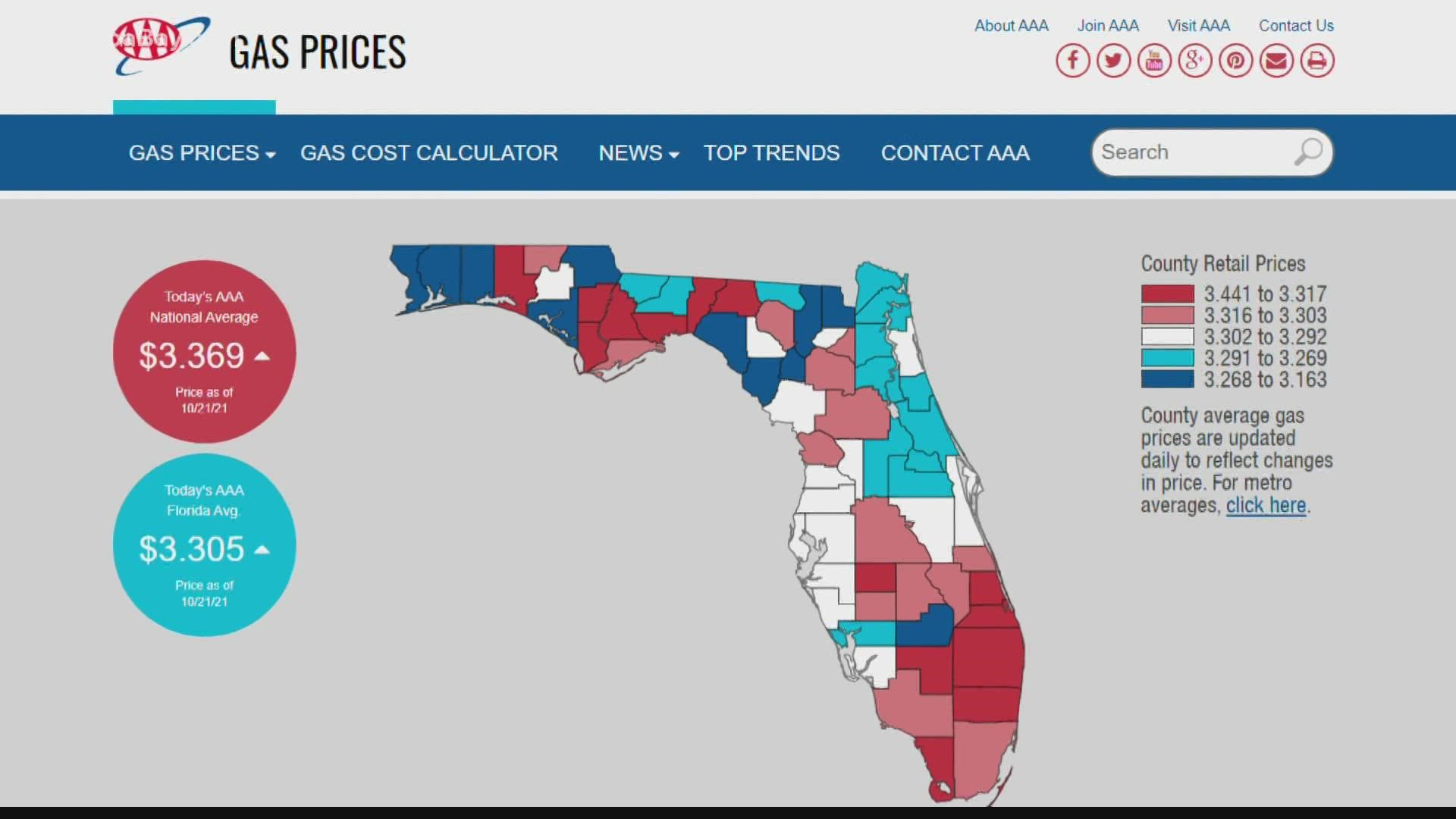
Understanding Florida’s Fuel Landscape
The price of gasoline is a complex equation, influenced by a multitude of global and local factors. For travelers in Florida, keeping an eye on these variables can help predict price trends and make informed decisions about when and where to fill up.
Global and National Influences on Gas Prices
At the broadest level, crude oil prices are the primary determinant of gasoline costs. The global supply and demand for crude oil, influenced by geopolitical events, production levels from major oil-producing nations like those in OPEC, and economic growth worldwide, directly translate into the prices we see at the pump. When crude oil prices surge, so too does the cost of gasoline. Conversely, periods of oversupply or decreased demand tend to bring prices down.
Beyond global markets, national factors also play a significant role. The refining process, where crude oil is transformed into usable gasoline, involves substantial costs for U.S. refineries. The availability and operational status of these refineries can impact supply. Furthermore, federal taxes on gasoline, levied to fund infrastructure projects, are a fixed component of the pump price. Any changes in these federal tax rates will naturally affect the final cost.
State-Specific Factors Affecting Florida Gas Prices
Florida has its own set of unique characteristics that contribute to its gas prices. One of the most significant is the state’s substantial tourism industry. With millions of visitors driving across the state, demand for gasoline naturally increases, especially during peak travel seasons like spring break, summer vacation, and the winter holidays. This heightened demand can put upward pressure on prices.
Additionally, Florida levies its own state sales tax on gasoline, which is added to the base price. The rate of this state tax, along with local taxes that can vary from county to county, contributes to the final price you pay. The presence of numerous gas stations along major tourist routes, such as Interstate 4 or the Florida Turnpike, can sometimes lead to competitive pricing, while more remote areas might see higher prices due to limited competition and increased transportation costs to deliver fuel.
The type of gasoline sold in Florida also plays a role. During the summer months, Florida and other southeastern states are required to sell a special blend of gasoline that is designed to reduce smog and emissions. This “reformulated gasoline” is more expensive to produce than the standard winter blend, leading to higher prices from May through September. This seasonal shift is a predictable factor for anyone traveling in Florida during these months.
Tracking Gas Prices in Florida
Staying informed about current gas prices is the first step towards managing your travel budget effectively. Fortunately, there are several reliable resources available to help you monitor the situation.
Where to Find Real-Time Gas Price Information

Several websites and mobile applications are dedicated to tracking and reporting gas prices across the United States, including Florida. These platforms aggregate data from gas stations, allowing users to see prices in real-time or near real-time. Some of the most popular and trusted resources include:
- AAA Gas Prices: The American Automobile Association provides comprehensive gas price information, offering daily averages for states, counties, and even specific cities. Their website and app are user-friendly and widely respected for their accuracy. You can typically find the average price for regular, mid-grade, and premium unleaded gasoline.
- GasBuddy: This popular app and website allows users to find the cheapest gas prices in their immediate vicinity. Users can report prices, creating a crowdsourced database that is constantly updated. GasBuddy also offers historical price data and price prediction tools.
- Local News Outlets: Many Florida news stations and newspapers regularly report on gas price trends, especially when prices are experiencing significant fluctuations. Checking the local news for the area you are visiting can provide timely updates.
When using these resources, remember that prices can change rapidly. What you see today might be slightly different tomorrow, or even a few hours later. It’s always a good practice to check prices just before you plan to fill up, especially if you are on a long road trip.
Analyzing Trends and Averages
Beyond just finding the cheapest gas for a single fill-up, understanding broader trends can be beneficial for longer trips or for those planning their travel dates. Websites like AAA and GasBuddy often provide historical data and average price charts. Observing these trends can help you:
- Identify Seasonal Patterns: As mentioned, the summer blend of gasoline in Florida typically leads to higher prices. Knowing this can help you anticipate these increases.
- Spot Regional Differences: Gas prices can vary significantly even within Florida. Major metropolitan areas or popular tourist destinations might have different price points than more rural areas. For example, prices in Miami might differ from those in Tallahassee or Jacksonville.
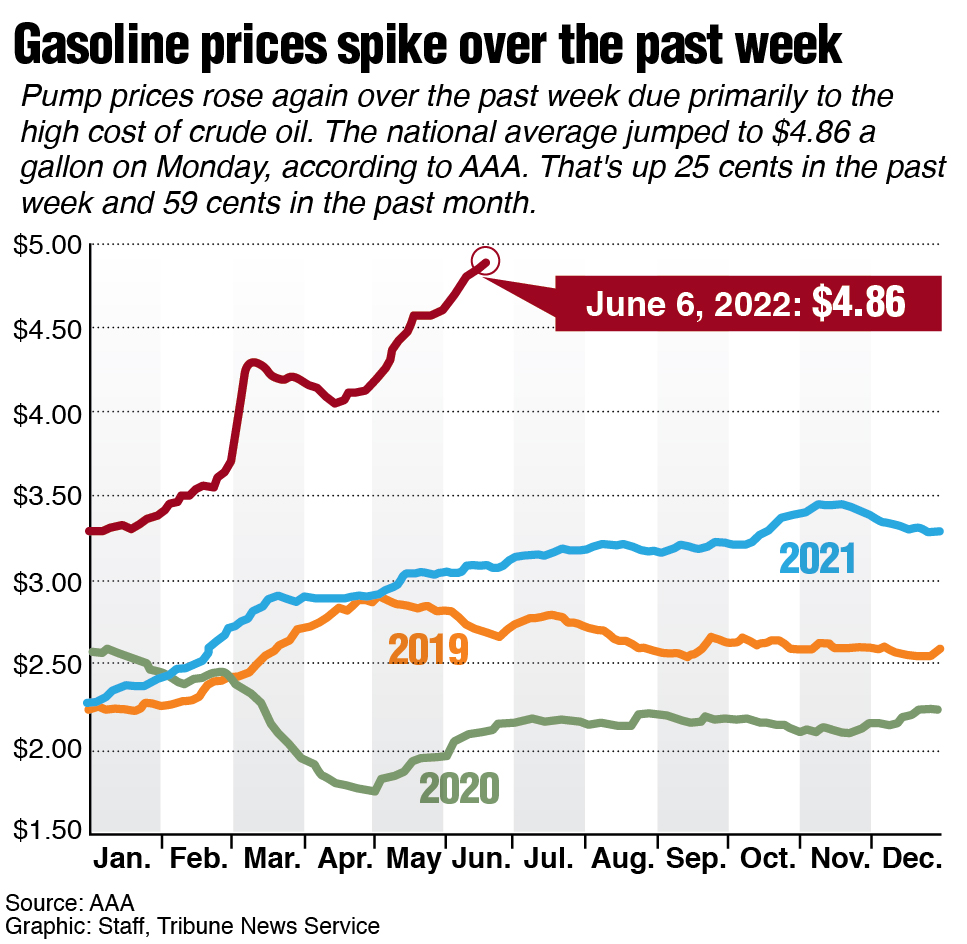
- Gauge the Impact of Events: Major hurricanes, refinery issues, or significant geopolitical events can cause sudden spikes in gas prices. Being aware of these potential influences can help you understand the reasons behind price changes.
By regularly consulting these resources and understanding the factors at play, you can become a more informed consumer and make better decisions about your fuel expenses during your Florida vacation.
Tips for Saving Money on Gas in Florida
While you can’t control global oil markets, there are several practical strategies you can employ to minimize your gasoline expenses during your Florida trip. These tips range from simple driving habits to smart planning and purchasing decisions.
Smart Driving Habits for Fuel Efficiency
The way you drive has a direct impact on how much fuel your vehicle consumes. Adopting a few fuel-efficient driving techniques can lead to noticeable savings over the course of your trip.
- Smooth Acceleration and Braking: Avoid rapid acceleration and sudden stops. Gradual acceleration and anticipating stops by coasting can significantly improve fuel economy. Aggressive driving uses more fuel.
- Maintain a Steady Speed: On highways, using cruise control whenever possible helps maintain a consistent speed, which is more fuel-efficient than constantly adjusting your speed.
- Avoid Excessive Idling: If you anticipate being stopped for more than 30 seconds, it’s generally more fuel-efficient to turn off your engine. This is particularly relevant if you’re waiting for someone or at a prolonged traffic light.
- Proper Tire Inflation: Underinflated tires increase rolling resistance, forcing your engine to work harder and consume more fuel. Check your tire pressure regularly, especially before a long trip, and ensure they are inflated to the recommended levels specified in your vehicle’s owner’s manual.
- Reduce Aerodynamic Drag: Remove any unnecessary external attachments like roof racks or cargo carriers when not in use, as they increase wind resistance and reduce fuel efficiency. Keep windows closed at higher speeds to improve aerodynamics.
Strategic Fuel Purchasing and Planning
Beyond driving habits, where and when you buy gas can also make a difference.
- Compare Prices Before Filling Up: As discussed earlier, utilize apps like GasBuddy or AAA to find the stations with the lowest prices in your vicinity. Don’t be afraid to drive a few extra miles to a more affordable station, especially if you need a full tank.
- Consider Off-Peak Times: While not always a significant factor, some anecdotal evidence suggests that prices might be slightly lower in the early morning or late evening. However, the most reliable method remains price comparison.
- Utilize Loyalty Programs: Many gas station chains offer loyalty programs or discount cards that can provide a few cents off per gallon. If you frequently use a particular brand, these programs can add up over time.
- Plan Your Routes: When planning your itinerary, factor in fuel stops. Try to fill up in areas where prices are typically lower, and avoid filling up directly at tourist attractions or airports where prices are often inflated. For example, if you are driving to Walt Disney World, consider filling up in a town or city before you reach the immediate vicinity of the theme parks.
- Consider Fuel Efficiency of Your Rental Car: If you are renting a car, opt for a model known for its good fuel economy. Even a small improvement in miles per gallon can lead to significant savings on a long trip.
By combining smart driving practices with strategic fuel purchasing, you can effectively manage your gasoline expenses and ensure that more of your travel budget is allocated to experiencing the wonderful attractions Florida has to offer, from the beaches of Clearwater to the cultural experiences in Tampa.