
Embarking on a journey through the Golden State promises a tapestry of diverse experiences, from the sun-kissed beaches of Southern California to the majestic redwoods of the north, and the vibrant cityscapes that dot its vast landscape. California is a dream destination for travelers seeking everything from adventure and relaxation to cultural immersion and gastronomic delights. However, for many visitors and residents alike, one practical consideration often looms large: the cost of fuel. Understanding “how much is the gas price in California?” is not just about a number on a pump; it’s a critical component of trip planning, budgeting, and the overall lifestyle experience in one of America’s most popular travel destinations.

The price of gas in California consistently ranks among the highest in the nation, a factor that can significantly impact a traveler’s budget, especially for those planning extensive road trips or relying on personal vehicles to explore its iconic landmarks and hidden gems. From cruising the famed Pacific Coast Highway to exploring the vast wilderness of its National Parks, mobility is often key to unlocking the full potential of a California adventure. This article delves into the nuances of fuel costs in California, exploring the reasons behind the prices, their impact on travel and tourism, and offering strategies to help you manage your expenses while experiencing the best the state has to offer. Whether you’re planning a luxurious escape, a budget-conscious family trip, or a solo adventure, understanding the gas price landscape is an essential first step.
Understanding California’s Unique Fuel Landscape
The question of why gas prices in California are perpetually higher than the national average is complex, rooted in a combination of environmental regulations, taxes, and market dynamics. This unique landscape plays a significant role in shaping travel costs and decisions for anyone exploring the state.
The Factors Behind California’s Higher Gas Prices
Several key factors contribute to California’s elevated fuel costs:
- Taxes and Fees: California imposes some of the highest state excise taxes on gasoline in the U.S., which are specifically allocated to fund transportation infrastructure projects, including road maintenance and public transit. In addition to state taxes, there are also local taxes, sales taxes, and various environmental fees that add to the per-gallon cost. These funds are crucial for maintaining the vast network of roads that connect California’s diverse regions, from bustling urban centers to remote scenic routes.
- Environmental Regulations: California has stringent environmental regulations designed to reduce air pollution and combat climate change. These regulations mandate a special blend of gasoline, known as CARB (California Air Resources Board) gasoline, which is formulated to burn cleaner than conventional fuel. This unique blend is more expensive to produce and less widely available, limiting the number of refineries capable of manufacturing it, thus contributing to higher prices due to supply constraints.
- Refining Capacity and Location: The majority of California’s refineries are located within the state and are primarily designed to produce this specialized fuel. Should any of these refineries experience unexpected shutdowns or maintenance issues, the limited alternative supply options can lead to significant price spikes. Furthermore, California is somewhat isolated from the national pipeline system, making it more reliant on its own production and limiting the flexibility to import cheaper gasoline from other states during shortages.
- Market Dynamics and Demand: As one of the most populous states with a strong car culture, California’s demand for gasoline is consistently high. Market forces, including global crude oil prices and local supply and demand imbalances, further influence pump prices. Even minor disruptions can have a magnified effect due to the state’s specific market conditions.
A Snapshot of Current Gas Prices Across Key Regions
While prices fluctuate constantly, it’s helpful to understand the general range you might encounter across different parts of California. As of a hypothetical period, average regular unleaded gasoline prices in California might hover around $5.00 to $6.00 per gallon, significantly higher than the national average of approximately $3.50 to $4.00. However, these figures are general, and regional variations are common:
- Major Metropolitan Areas: Cities like Los Angeles, San Francisco, and San Diego typically see the highest prices, often exceeding the state average. In areas such as Beverly Hills or tourist-heavy spots around Hollywood or Santa Monica, prices can reach the upper end of the spectrum, sometimes even approaching $7.00 per gallon or more at specific stations.
- Rural and Tourist Destinations: Remote areas and popular tourist destinations, especially those far from major refining hubs or with limited competition, can also have higher prices. For instance, gas stations near Yosemite National Park, Lake Tahoe, or along stretches of Big Sur on the Pacific Coast Highway might be more expensive due to transportation costs and captive markets.
- Inland and Central Valley: Cities like Sacramento, San Jose, or those in the Central Valley often present slightly lower prices than their coastal counterparts, though still above the national average. This is partly due to slightly lower local taxes and less stringent local environmental regulations compared to metropolitan areas.
- Orange County and Inland Empire: These regions, while still urbanized, often fall somewhere in the middle, benefiting from some competition and proximity to refining operations, but still subject to the overarching state factors.
These price variations underscore the importance of planning your fuel stops strategically, especially if you’re venturing into less populated or highly scenic areas where options might be limited.
Impact on California Travel and Tourism
High gas prices in California are more than just an inconvenience; they are a significant factor influencing travel decisions, impacting everything from route planning and accommodation choices to the overall enjoyment of a trip. For a state that thrives on tourism and road-trip culture, these costs are an essential consideration for every type of traveler.
Budgeting for Your Golden State Road Trip
For many, a quintessential California experience involves a road trip – whether it’s a scenic drive along the Pacific Coast Highway, an exploration of the wine regions of Napa Valley and Sonoma County, or an adventure through its magnificent National Parks. Gas prices can consume a substantial portion of a travel budget, particularly for families or those on a tighter budget.
Travelers must factor in fuel expenses when calculating the total cost of their journey. This might influence decisions about:
- Trip Length and Distance: Higher gas costs might lead travelers to shorten their itineraries, focus on a single region rather than traversing the entire state, or choose destinations closer to their starting point.
- Vehicle Choice: Renting a more fuel-efficient vehicle, or planning to drive a hybrid or electric car if available, can become a more attractive option.
- Accommodation Choices: If gas expenses are high, travelers might opt for more budget-friendly hotels, apartments, or villas to offset the increased fuel costs, or choose accommodations with free parking to avoid additional daily fees. Conversely, luxury travelers might still choose premium resorts but will factor the fuel into their overall splurge.
- Activity Planning: Extensive driving to multiple attractions or out-of-the-way eateries might be curtailed in favor of consolidating activities within a smaller geographical area accessible by walking or public transport.
Exploring Iconic California Destinations by Car
Many of California’s most famous landmarks and natural wonders are best, if not exclusively, accessed by car. The sheer scale of the state means driving is often unavoidable for a comprehensive experience.
- Pacific Coast Highway (Highway 1): This iconic coastal drive from Northern California down to Southern California is a bucket-list item for many. High gas prices mean the breathtaking views of Big Sur and charming towns like Santa Barbara come with a heftier price tag at the pump. Travelers often plan overnight stays in destinations like Monterey Bay or near Hearst Castle, and gas costs will be a part of that overall accommodation and travel expense.
- National Parks: Yosemite National Park, Death Valley National Park, Joshua Tree National Park, Sequoia National Park, and Redwood National Park are vast and require significant driving within and between them. The cost of fuel directly impacts the feasibility and duration of exploring these natural treasures.
- Theme Parks and Attractions: Destinations like Disneyland in Anaheim or Universal Studios Hollywood in Los Angeles are major draws. While often accessible by ride-sharing or public transit in their immediate vicinity, driving to and from them, especially for families staying further afield, adds considerable cost. The journey to the Disneyland Resort can be a significant part of the family trip budget.
Local Culture, Food, and Activities: Staying Mobile in California
Beyond the major landmarks, experiencing California’s local culture, diverse food scene, and unique activities often requires a degree of mobility. Whether it’s visiting a farmers market in San Francisco, exploring the eclectic neighborhoods of Los Angeles, or venturing out for wine tasting, a car provides unparalleled flexibility.
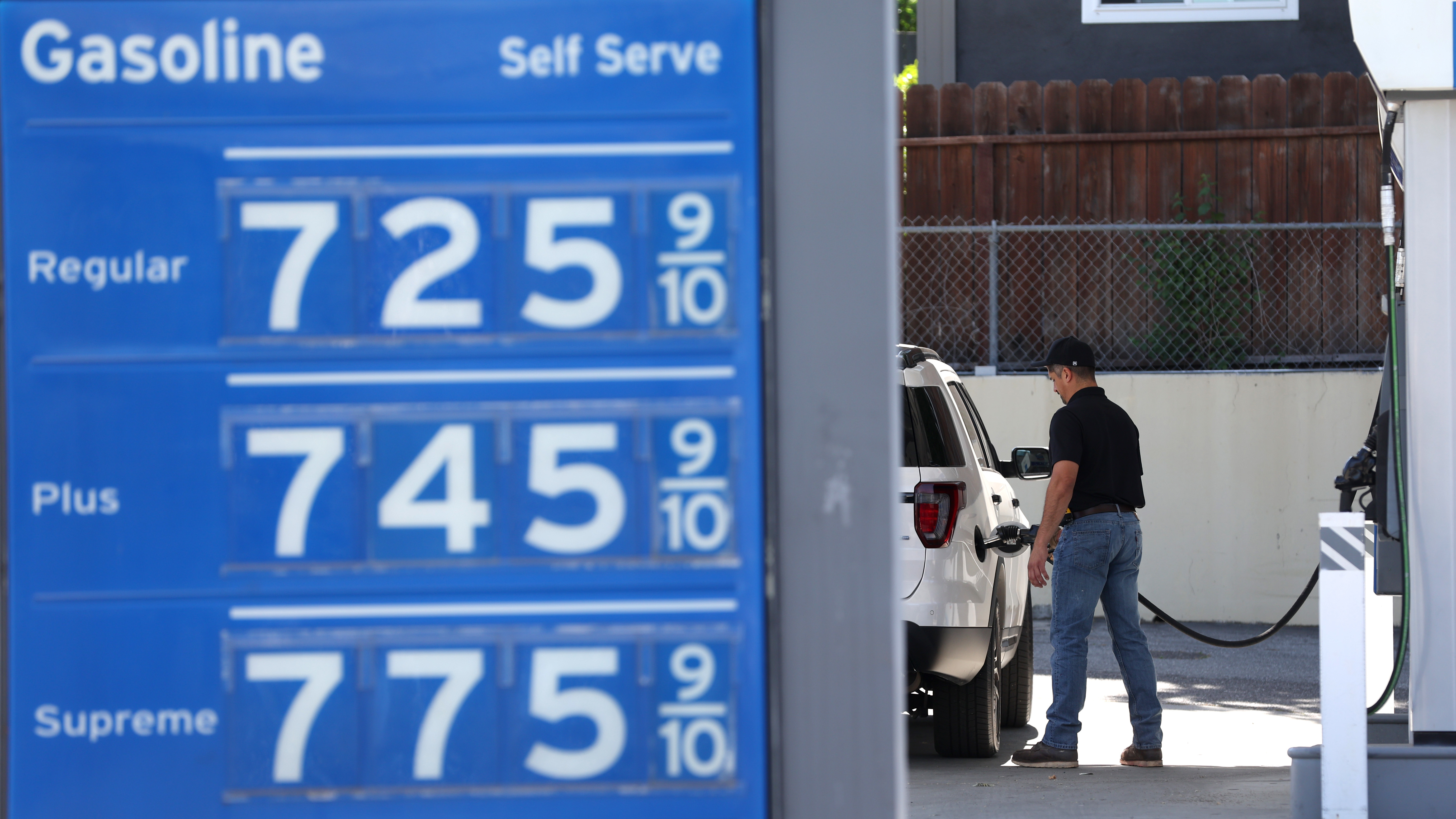
High gas prices can influence tourists’ willingness to:
- Explore Multiple Neighborhoods: Travelers might stick to a concentrated area of a city rather than driving between different districts, impacting their exposure to varied local cultures.
- Dine Out Frequently: Driving to popular restaurants, especially those in different parts of a city or in more remote areas like wine country, becomes a more costly endeavor.
- Participate in Outdoor Activities: Accessing hiking trails, surf spots, or other adventure activities often requires driving a personal vehicle, making the cost of participation higher.
The dynamic interplay between travel desires and gas expenses means that savvy travelers constantly adapt their plans to maximize their experience while minimizing financial strain.
Strategies for Managing Gas Costs While Traveling in California
Navigating the higher gas prices in California doesn’t have to derail your travel plans. With a bit of foresight and strategic planning, you can effectively manage fuel costs and ensure your Golden State adventure remains enjoyable and within budget.
Fuel-Efficient Driving Habits and Vehicle Choices
One of the most direct ways to save on gas is to be mindful of how you drive and what you drive.
- Adopt Fuel-Efficient Driving Habits:
- Smooth Acceleration and Braking: Aggressive driving, with rapid acceleration and hard braking, can significantly reduce fuel efficiency. Smooth, gradual movements are key.
- Maintain Consistent Speeds: Using cruise control on highways helps maintain a steady speed, which is more fuel-efficient than constant speed adjustments.
- Avoid Excessive Idling: If you’re going to be stopped for more than a minute, turning off your engine can save fuel.
- Check Tire Pressure: Properly inflated tires can improve gas mileage by up to 3% according to the U.S. Department of Energy.
- Choose a Fuel-Efficient Vehicle: If you’re renting a car, opt for a compact or hybrid model rather than a large SUV, unless absolutely necessary for space or terrain. Many rental companies offer a range of options suitable for budget-conscious travelers.
Utilizing Gas Price Apps and Loyalty Programs
Technology and smart planning can be powerful allies in finding the best fuel prices.
- Gas Price Apps: Download apps like GasBuddy, Waze, or Google Maps, which often feature real-time gas prices reported by users. These apps can help you locate the cheapest gas stations in your vicinity, potentially saving you a significant amount over the course of a long trip, especially in expensive areas like Los Angeles or San Francisco.
- Grocery Store Loyalty Programs: Many major grocery chains in California (e.g., Vons, Safeway, Ralphs, Pavilions) offer fuel rewards programs. By accumulating points through grocery purchases, you can often get discounts per gallon at associated gas stations. If you’re staying for an extended period or plan to cook some of your meals, this can lead to substantial savings.
- Credit Card Rewards: Some credit cards offer bonus rewards or cashback on gas purchases. Check your credit card benefits before your trip to see if you can leverage these for savings.
Alternative Transportation and Strategic Planning
Reducing your reliance on a personal vehicle can significantly cut down on gas expenses.
- Public Transportation: In major cities like San Francisco, Los Angeles, and San Diego, robust public transportation networks exist. Utilizing BART in the Bay Area, the Metro in Los Angeles, or the trolleys in San Diego can be a cost-effective way to explore urban attractions, avoid parking fees, and bypass traffic.
- Ride-Sharing Services: For shorter distances or when public transport isn’t feasible, ride-sharing services like Uber or Lyft can be a convenient alternative, especially if you’re traveling with a group and can split the fare.
- Electric Vehicles (EVs): California is a leader in EV adoption and infrastructure. If you own an EV or can rent one, the cost of “fueling” up at charging stations is often significantly lower than gasoline, and many charging stations are free. This is an excellent option for exploring areas like Silicon Valley or Palm Springs where EV charging is prevalent.
- Consolidate Trips: Plan your itinerary to group attractions that are geographically close to each other. Minimize unnecessary back-and-forth driving by creating a logical route.
- Carpooling: If you’re traveling with friends or family, ensure you carpool as much as possible, sharing the fuel costs.
By implementing these strategies, travelers can mitigate the impact of California’s higher gas prices, allowing them to focus more on the incredible experiences the state has to offer, from world-class cuisine and vibrant local culture to breathtaking natural wonders and iconic landmarks.
Beyond the Pump: The Broader Lifestyle and Accommodation Considerations
The cost of gas in California ripples beyond just the expense at the fuel pump; it influences broader lifestyle choices and accommodation decisions for both visitors and long-term residents. Understanding these wider implications helps in crafting a more holistic and enjoyable travel or living experience in the Golden State.
How Gas Prices Influence Accommodation Choices
For travelers, accommodation is often the second-largest expense after transportation (which includes flights and gas). Elevated fuel costs can significantly alter the choice of where to stay and for how long.
- Location, Location, Location: To reduce driving and gas consumption, travelers might prioritize hotels, suites, resorts, or apartments that are centrally located or within walking distance to key attractions, public transport, or dining options. For example, staying directly in Anaheim near Disneyland might become more appealing than a cheaper hotel further out, when factoring in daily driving and parking costs.
- Amenities and Parking: The availability of amenities like free parking becomes a more valuable perk when gas prices are high. Resorts and hotels that offer comprehensive on-site dining and entertainment options might appeal to those looking to minimize driving once they’ve arrived. Conversely, budget travelers might choose accommodations further from the action if public transport or ride-sharing is an option and the savings on the room rate outweigh the additional mobility costs.
- Long-Term Stays and Apartments: For those planning longer stays or opting for apartment rentals or villas, access to grocery stores and local services without extensive driving becomes crucial. The cost of running daily errands can accumulate quickly if car-dependent.
- Comparison and Reviews: When comparing accommodation options, travelers might also look for reviews that mention ease of access to local attractions without a car, or the proximity of affordable gas stations if they plan to drive extensively. The overall value proposition shifts to include not just the room rate, but the total cost of experiencing the destination from that base.

The Shift Towards Sustainable and Electric Travel
California’s high gas prices, coupled with its progressive environmental policies, have accelerated a significant shift towards more sustainable and electric travel options. This trend is not only about cost savings but also about aligning with a more eco-conscious lifestyle.
- Electric Vehicle (EV) Adoption: California leads the nation in EV sales and infrastructure. The state offers numerous charging stations, often strategically located at hotels, tourist attractions, and public parking facilities. For travelers with EVs, “fueling” costs are drastically reduced, making extended road trips more economical. Many rental car agencies now offer EV options, making this a viable choice for visitors.
- E-bikes and Scooters: In urban and coastal areas like Santa Monica, Venice Beach, or around the Golden Gate Bridge in San Francisco, e-bike and scooter rentals are popular for short-distance exploration, offering a fun, green, and cost-effective way to navigate.
- Focus on Walkable and Bike-Friendly Destinations: Travelers are increasingly drawn to destinations that promote walkability or offer excellent biking infrastructure. Towns in Napa Valley or Santa Barbara, for instance, can be explored largely on foot or by bicycle, reducing the need for a car.
- Sustainable Tourism Initiatives: Resorts and tourism boards across California are investing in sustainable practices, which often include promoting public transit, offering shuttle services, and installing EV charging points. This caters to a growing segment of travelers who prioritize environmental responsibility.
In essence, while the high gas prices in California present a challenge, they also serve as a catalyst for innovation and thoughtful travel planning. By embracing smart strategies, leveraging technology, and considering alternative transportation, travelers can fully enjoy the diverse attractions of the Golden State without letting fuel costs overshadow their experience. Whether you’re seeking luxury travel or a budget-friendly adventure, California’s unique travel landscape offers something for everyone, provided you plan wisely for the journey ahead.