
Texas, a state renowned for its vast landscapes, rich history, and vibrant culture, also offers significant property tax relief to its residents through its homestead exemption. For anyone considering a move to the Lone Star State, investing in a vacation home, or even planning a long-term stay, understanding this exemption is crucial for managing finances and maximizing the benefits of Texas living. While the primary focus of many travelers and lifestyle enthusiasts might be on exploring iconic destinations like the Alamo in San Antonio, enjoying the music scene in Austin, or discovering the charm of Galveston, the practicalities of homeownership, especially regarding taxes, are equally important. This guide delves into the specifics of the Texas homestead exemption, clarifying its value and how it can benefit homeowners across the state.
The concept of a homestead exemption is rooted in providing a degree of protection for a homeowner’s primary residence from property taxes and creditors. In Texas, this protection is particularly robust, offering both a reduction in taxable value and safeguards against forced sale. For those who dream of owning a beachfront villa in Corpus Christi, a sprawling ranch in the Hill Country, or a chic apartment in downtown Dallas, knowing how the homestead exemption impacts their annual tax burden is a vital piece of financial planning. This isn’t just about saving money; it’s about understanding a fundamental aspect of property ownership in Texas.
Understanding the Texas Homestead Exemption
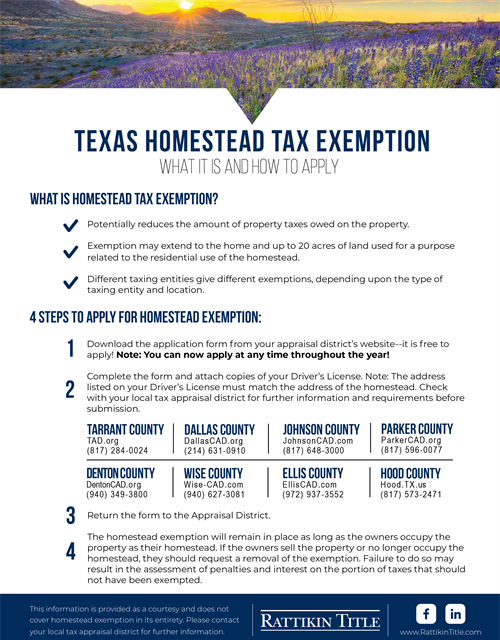
At its core, a homestead exemption in Texas is a legal provision that allows homeowners to reduce the amount of property taxes they owe by exempting a portion of their home’s value from taxation. This exemption is not automatically applied; homeowners must actively apply for it with their local county appraisal district. The process is generally straightforward and aims to make homeownership more accessible and sustainable for Texans.
Eligibility Requirements
To qualify for a homestead exemption in Texas, certain criteria must be met. These are designed to ensure that the exemption benefits bona fide residents who occupy their homes as their principal residence.
- Primary Residence: The most critical requirement is that the property must be the homeowner’s primary residence. This means it’s the place where the homeowner lives most of the time. Individuals cannot claim a homestead exemption on multiple properties. If you own several properties, perhaps a vacation rental in the Texas Hill Country and an apartment in Houston, only your main home will qualify.
- Ownership: The applicant must own the property. This can be outright ownership or having an equitable interest, such as through a contract for deed.
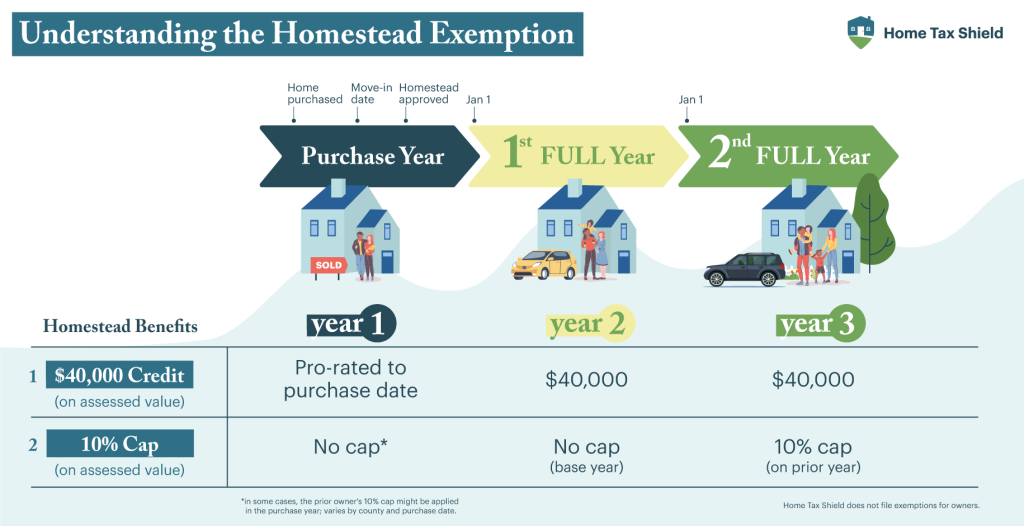
- Occupancy: The homeowner must occupy the property on January 1st of the tax year for which the exemption is claimed. If you purchase a home mid-year, you generally cannot claim the exemption until the following tax year, provided you meet the occupancy requirement by January 1st.
- Age and Disability: Texas offers additional homestead exemptions for individuals aged 65 or older and for those who are disabled. These exemptions provide a higher amount of tax relief.
Types of Homestead Exemptions
Texas offers several types of homestead exemptions, each with specific benefits:
The General Homestead Exemption
This is the most common type of homestead exemption and is available to all eligible homeowners who meet the basic requirements.
- Value Reduction: The general homestead exemption reduces the taxable value of a home by $40,000. This means that if your home is appraised at $300,000, the taxing entity (e.g., the school district, city, or county) will only calculate property taxes on $260,000 of its value. This $40,000 reduction applies to taxes levied by all taxing units.
- School District Property Tax Cap: In addition to the $40,000 exemption, Texas law also mandates an additional exemption of $5,000 for school district taxes. This makes the total exemption for school district taxes $45,000. This particular provision is designed to provide a more substantial cushion for homeowners where school district taxes form a significant portion of their property tax bill. This can be especially beneficial for families looking to settle down in desirable school districts, perhaps near popular attractions like Six Flags Fiesta Texas in San Antonio.
Additional Exemptions for Seniors and Disabled Individuals
Texas recognizes the financial challenges faced by seniors and individuals with disabilities and provides enhanced homestead exemptions to alleviate their property tax burden.
- Age 65 or Older: Homeowners who are 65 years of age or older are eligible for an additional $10,000 exemption on their homestead. This $10,000 reduction applies to property taxes levied by taxing units other than school districts. This is in addition to the general $40,000 exemption, meaning a senior homeowner would receive a $50,000 exemption from city, county, and other special district taxes. For school district taxes, the exemption remains $45,000 (the $40,000 general exemption plus the $5,000 school district-specific exemption). This can make a significant difference for retirees on fixed incomes, allowing them to remain in their homes comfortably, perhaps enjoying the slower pace of life in a town like Fredericksburg.
- Disabled Individuals: Individuals who are certified as disabled by the appropriate government agency are also eligible for an additional $10,000 exemption on their homestead. Similar to the senior exemption, this $10,000 applies to taxes levied by taxing units other than school districts. This brings the total exemption from these entities to $50,000, while the school district exemption remains $45,000. This is a crucial benefit for disabled Texans, supporting their ability to maintain their homes.
- Disabled Veteran Homestead Exemption: Texas also offers a specific and generous homestead exemption for disabled veterans. The amount of this exemption is based on the veteran’s disability rating.
- For veterans with a disability rating of 10% to 29%, the exemption is $5,000.
- For veterans with a disability rating of 30% to 49%, the exemption is $10,000.
- For veterans with a disability rating of 50% to 69%, the exemption is $15,000.
- For veterans with a disability rating of 70% to 100%, the exemption is $20,000.
- 100% Disabled Veterans: Furthermore, veterans who are rated 100% disabled by the Department of Veterans Affairs, or who are rated as unemployable due to a service-connected disability, can receive a 100% homestead exemption. This means their home is completely exempt from property taxes. This is a profound benefit, offering significant financial relief and recognition for their service. This can impact veterans choosing to settle near military bases like Lackland Air Force Base in San Antonio or explore the opportunities in cities like Fort Worth.
The Homestead Tax Ceiling
Another crucial aspect of the Texas homestead exemption, particularly for long-term homeowners, is the homestead tax ceiling. This provision limits the annual increase in the taxable value of a homestead. Once a homeowner qualifies for a homestead exemption, the taxable value of that homestead cannot increase by more than 10% per year (plus the value of any new improvements). This ceiling is in effect as long as the property remains the homeowner’s principal residence and is owned by the same person. This protection is invaluable, as it prevents drastic property tax hikes due to rapidly appreciating real estate markets, ensuring greater stability for homeowners, whether they are living in a historic home in Galveston or a modern dwelling in Plano.
Applying for Your Texas Homestead Exemption
Securing your homestead exemption is a relatively straightforward process, but it requires proactive steps.
When to Apply
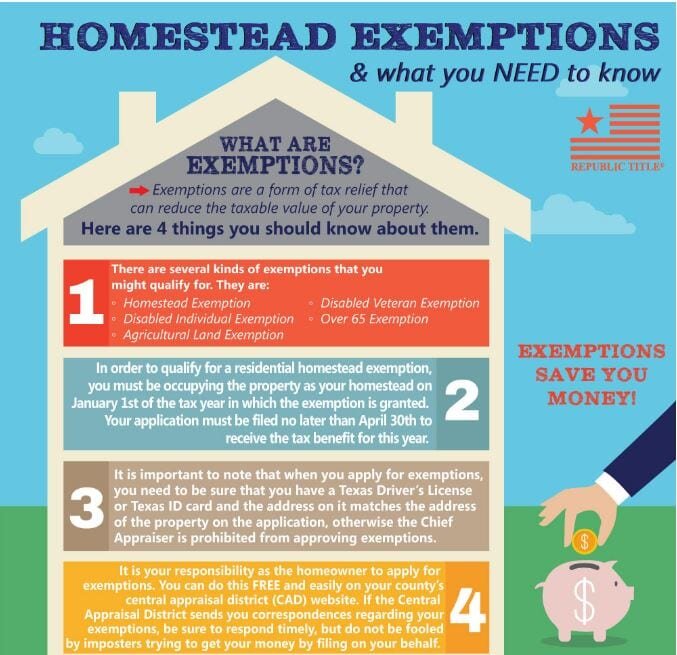
The application period for a homestead exemption typically opens on January 1st of each year and closes on April 30th. If you are a new homeowner and have moved into your primary residence by January 1st of a given year, you should file your application before the deadline.
Where to Apply
Homestead exemption applications are filed with the chief appraiser of the county appraisal district where the property is located. Each county has its own appraisal district. You can usually find the application forms on the website of your local county appraisal district, and many districts offer online filing options. For example, if you own a home in Travis County, you would apply with the Travis Central Appraisal District.
What You’ll Need
The application typically requires basic information about the property and the homeowner, including:
- Your name and the names of any other owners.
- The property’s address and legal description.
- Proof of residency, such as a driver’s license or utility bills.
- A Social Security number.
- For disabled individuals, proof of disability certification.
- For veterans, proof of disability rating from the Department of Veterans Affairs.
Once your homestead exemption is granted, it generally remains in effect year after year, provided you continue to meet the eligibility requirements. You typically do not need to reapply annually unless you move to a new property.
The Impact of Homestead Exemptions on Property Owners
The homestead exemption in Texas offers significant financial advantages to homeowners. By reducing the taxable value of a primary residence, it directly lowers the annual property tax bill. This can free up substantial funds for homeowners, which can be allocated to other financial goals, home improvements, or simply enhance their quality of life. For those who are planning extended stays or considering purchasing a vacation property in areas like the Texas Coast or the Piney Woods, understanding the exemption is key to budgeting for these lifestyle choices.
For example, consider a homeowner in a rapidly appreciating market like Austin. Without the homestead tax ceiling, their property taxes could increase dramatically each year, potentially making it difficult to afford their home. The 10% cap provides a predictable annual increase, offering peace of mind and financial stability.
Beyond financial benefits, the homestead exemption also provides legal protection for a homeowner’s primary residence against creditors. In most cases, a homestead cannot be sold to satisfy debts, with some exceptions such as for mortgage, property taxes, and certain home improvement loans. This “homestead protection” is a cornerstone of property law in Texas, ensuring that a family’s home is a secure haven. This aspect is particularly reassuring for those investing in property, whether it’s a primary residence, a luxury suite in a resort town like Kerrville, or a long-term rental property.
Beyond the Exemption: Property Taxes in Texas
While the homestead exemption is a significant benefit, it’s important to remember that property taxes are still a considerable expense for homeowners in Texas. Unlike many other states, Texas does not have a state income tax. Consequently, local governments rely heavily on property taxes to fund essential services such as schools, police departments, fire departments, and infrastructure.
The tax rate is determined by each local taxing unit (school district, city, county, etc.) and can vary significantly from one jurisdiction to another. This means that two identical homes in different parts of Texas could have vastly different property tax bills. It is therefore essential for potential homeowners to research the property tax rates in the specific area they are considering. This diligence can be as important as researching the best hotels or attractions in a new destination. Whether you’re looking at a charming bed and breakfast in Georgetown or exploring the diverse real estate options in El Paso, understanding local tax structures is paramount.
In conclusion, the Texas homestead exemption is a vital provision offering substantial property tax relief and legal protection to homeowners. Its various forms cater to different needs, from the general homeowner to seniors, disabled individuals, and veterans. By understanding the eligibility requirements and the application process, Texans can take full advantage of this valuable benefit, making homeownership in the Lone Star State more affordable and secure, whether it’s for a permanent residence or a cherished vacation escape.
LifeOutOfTheBox is a participant in the Amazon Services LLC Associates Program, an affiliate advertising program designed to provide a means for sites to earn advertising fees by advertising and linking to Amazon.com. Amazon, the Amazon logo, AmazonSupply, and the AmazonSupply logo are trademarks of Amazon.com, Inc. or its affiliates. As an Amazon Associate we earn affiliate commissions from qualifying purchases.