
California, often referred to as the Golden State, is a land of dreams, innovation, and unparalleled natural beauty. From the sun-drenched beaches of San Diego to the majestic redwoods of the north, and from the bustling urban sprawl of Los Angeles to the iconic hills of San Francisco, it’s a destination that captivates millions. However, alongside its allure as a prime travel hotspot and a hub for diverse lifestyles, California also holds a reputation for its high cost of living. This often leads to a crucial question for anyone considering a move, an extended stay, or even just budgeting for a vacation: how much is the minimum salary in California, and what does that truly mean for one’s ability to thrive, travel, and enjoy all that this vibrant state has to offer?
Understanding the minimum wage landscape in California is essential, not just for residents but also for travelers and those within the vast hospitality and tourism industries that form the backbone of the state’s economy. Whether you’re a student eyeing a summer job in a resort town, a digital nomad considering a long-term stay, or simply a curious traveler wondering about the economic realities behind the glamour, grasping the local wage structure provides invaluable context. This article delves into the specifics of California’s minimum salary, explores its implications for lifestyle and travel within the state, and offers practical insights for navigating its unique economic terrain.

Understanding California’s Minimum Wage Landscape
California has long been at the forefront of advocating for higher wages, reflecting a commitment to ensuring workers earn a living wage in an increasingly expensive state. This progressive stance has resulted in a dynamic minimum wage structure that is not only robust but also frequently adjusted to keep pace with economic realities.
The Statewide Standard
As of January 1, 2024, the statewide minimum wage in California stands at $16.00 per hour for all employers, regardless of their size. This is a significant figure, placing California among the states with the highest baseline wages in the United States. This standard applies broadly to most employees, ensuring a foundational level of income across various sectors. The incremental increases over the past decade underscore a legislative effort to mitigate the pressures of inflation and the state’s high cost of living, aiming to provide a more sustainable income for its workforce. For those considering working in California, especially in entry-level positions within hospitality, retail, or service roles that often cater to tourists, this statewide minimum provides a crucial starting point for financial planning. It’s a testament to the state’s economic policy, designed to support its labor force while balancing the needs of businesses.
Local Ordinances and Industry-Specific Wages
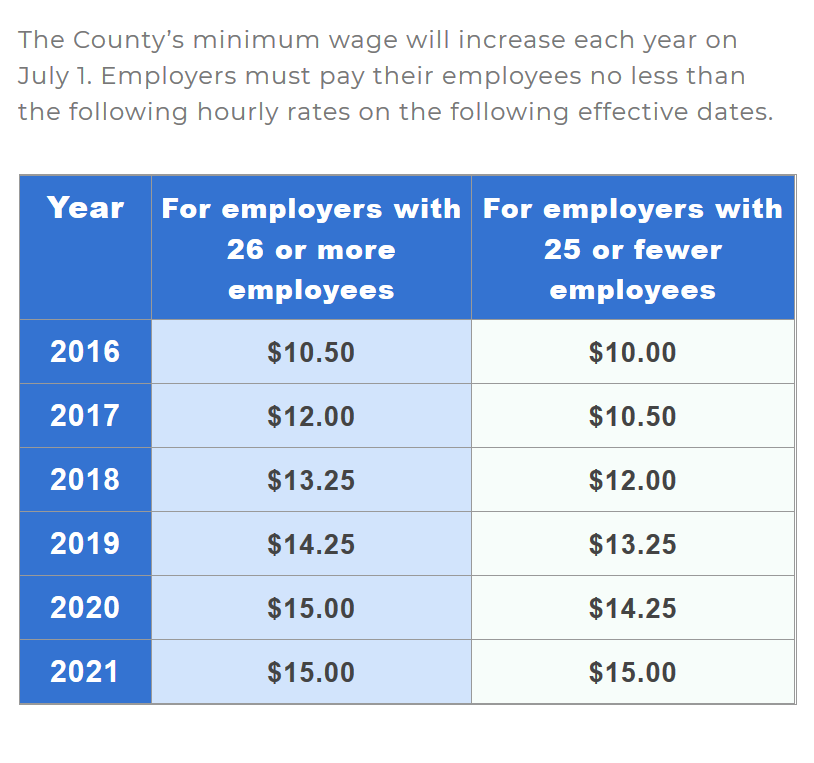
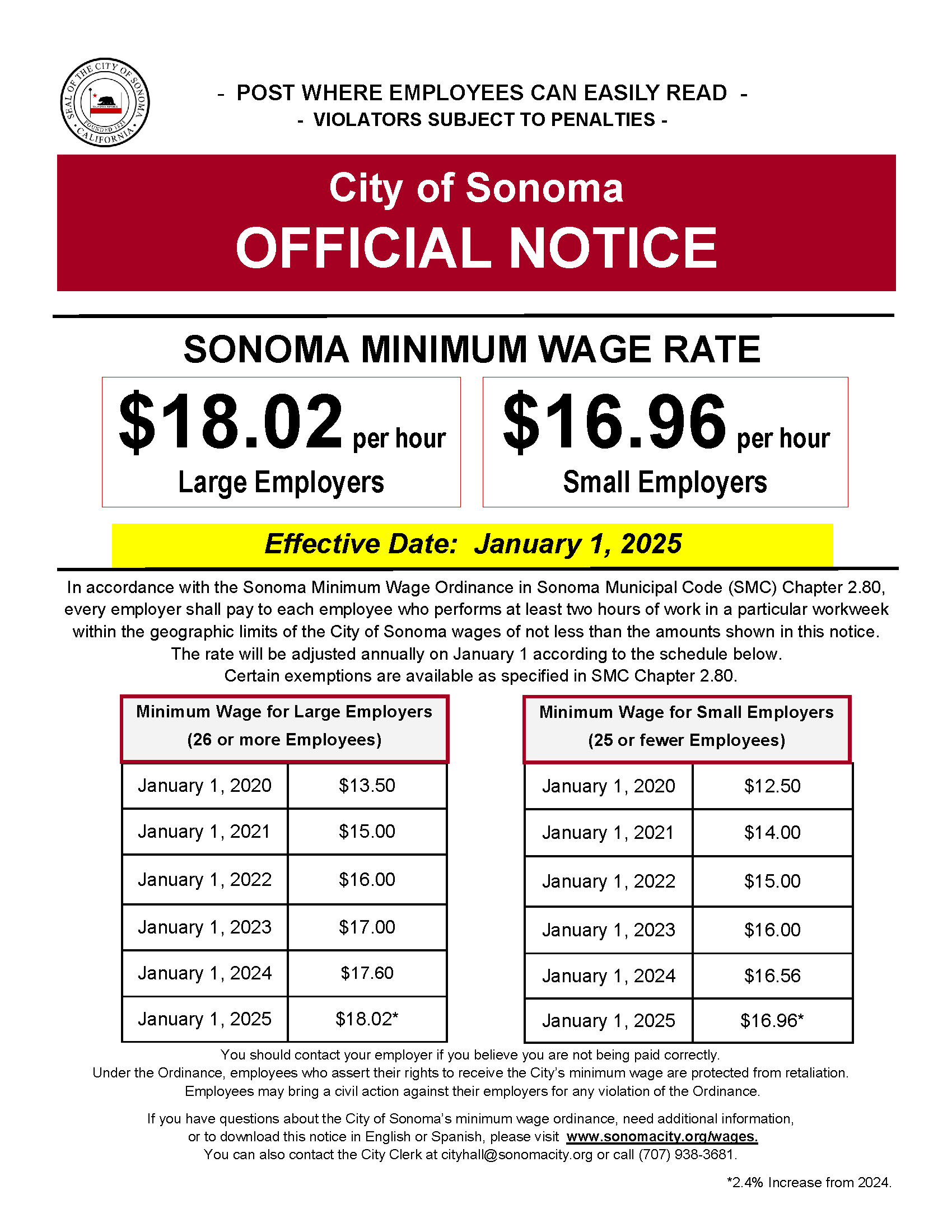
While the statewide minimum wage provides a solid floor, it’s merely the beginning of the story in California. Many cities and counties across the state have taken the initiative to establish their own, higher local minimum wage ordinances, recognizing that the cost of living can vary dramatically from one region to another. This means that in popular tourist destinations and major metropolitan areas, workers often earn significantly more than the state minimum.
For instance, cities within the San Francisco Bay Area like San Francisco itself, Oakland, Berkeley, Emeryville, and San Jose typically boast minimum wages well above the state average, often exceeding $18 or even $19 per hour. Similarly, in Southern California, cities like Santa Monica and parts of Los Angeles County have also implemented higher local rates. These local variations are critical for anyone looking to work or reside in specific areas, as they can significantly impact one’s earning potential and, consequently, their lifestyle and travel budget.
Beyond geographical differences, California has also introduced industry-specific minimum wages. A notable example is the fast-food worker minimum wage, which saw a significant increase in April 2024, reflecting the importance of this sector to the state’s economy and the need to support its workforce. Similar considerations have been extended to healthcare workers. These targeted wage increases acknowledge the unique challenges and contributions of specific industries, many of which are directly tied to the tourism and service sectors. For travelers, this translates to potentially higher prices for certain services, but for the workers who make California’s vibrant tourism scene possible, it offers a more viable path towards a sustainable living. Understanding these nuanced wage structures is key to comprehending the economic realities of living and traveling throughout the Golden State.
The Real Cost of Living and Traveling in the Golden State
While California’s minimum wage figures might seem generous on paper, especially compared to many other states, the true measure of their impact lies in their purchasing power against the state’s notoriously high cost of living. This is a critical consideration for both long-term residents and travelers planning extended stays. The Golden State’s allure comes with a price tag, and understanding this balance is crucial for budgeting and lifestyle planning.
Housing: The Biggest Hurdle
Without a doubt, housing costs represent the most significant financial challenge for anyone living or working in California, particularly for those earning minimum wage. Rent prices in major metropolitan areas are among the highest in the world, dramatically impacting how far a minimum salary can stretch. In desirable areas like the San Francisco Bay Area, Los Angeles County, Orange County, and San Diego County, even a modest studio apartment can command rents that consume a substantial portion, if not all, of a minimum wage earner’s monthly income. This reality often necessitates living with roommates, commuting long distances, or seeking housing in less expensive, often more rural, areas.
For travelers, this translates into higher accommodation costs. While minimum wage earners might not be booking luxury suites, the general upward pressure on housing affects even budget-friendly options. Hostels, economy hotels like Motel 6 or Super 8, and even vacation rentals outside prime tourist zones can still be pricier than their counterparts in other states. Long-term stays, especially if seeking serviced apartments or extended-stay hotels for work, require careful financial planning to avoid sticker shock. The housing market in California is a powerful force that shapes daily life and travel budgets alike.
Everyday Expenses and Lifestyle Considerations
Beyond housing, nearly every other aspect of daily life in California tends to be more expensive. Groceries, utilities, transportation, and even leisure activities often come with a premium compared to national averages. For someone earning the minimum wage, even with local supplements, this means making careful choices and prioritizing expenses. Cooking at home becomes more economical than dining out frequently, and public transportation or carpooling can be essential to manage rising fuel costs.
The “lifestyle” aspect in California is profoundly influenced by these economic realities. While the state offers an incredible array of experiences – from world-class museums and vibrant nightlife to stunning natural parks and renowned culinary scenes – accessing these on a minimum wage requires strategic planning. Luxury travel might be out of reach for many, but budget travel within the state is certainly possible with smart choices.
For minimum wage earners, the ability to save for future travel, whether within California or beyond, can be challenging. Supporting a family on a minimum wage income in California is particularly difficult, often requiring multiple jobs or significant sacrifices. The dream of a quintessential California lifestyle, characterized by carefree beach days and spontaneous road trips, often requires a financial reality check. However, with careful budgeting and an understanding of the state’s diverse offerings, it is still possible to enjoy many facets of the Golden State’s unique charm.
Navigating California on a Budget: Tips for Minimum Wage Earners and Savvy Travelers
Despite the high cost of living, California remains an incredibly rewarding place to live, work, and explore. For minimum wage earners and budget-conscious travelers alike, it’s entirely possible to experience the Golden State’s magic without breaking the bank. The key lies in strategic planning, smart choices, and a willingness to embrace local tips and alternative options.
Strategic Accommodation Choices
Accommodation is often the largest expense for travelers and a significant hurdle for residents. To mitigate costs, consider options beyond the traditional hotel chains, especially in major cities.
- Hostels and Guesthouses: Vibrant and community-oriented, hostels offer a cost-effective way to stay in popular areas like San Francisco, Los Angeles, and San Diego. Many offer private rooms in addition to dorms, providing more privacy without a luxury price tag.
- Budget Hotel Chains: While not as ubiquitous in prime urban centers, chains like Motel 6 and Super 8 can be found in suburban areas or along major highways, offering basic amenities at a lower cost.
- Vacation Rentals Outside Prime Areas: Platforms like Airbnb or Vrbo can provide more affordable alternatives, particularly if you’re willing to stay a bit further from the immediate tourist hubs. Look for rentals with kitchenettes to save on dining out.
- Camping: California’s state and national parks offer some of the most stunning and affordable accommodation options. Camping in places like Yosemite National Park, Big Sur, or along the coast offers an immersive experience without the hefty price tag of hotels. Booking well in advance is crucial, especially for popular spots.
- Long-Term Stays: If you’re relocating for work or planning an extended visit, consider extended-stay hotels or negotiating monthly rates for vacation rentals, which can significantly reduce per-night costs.
Experiencing California’s Culture and Attractions Affordably
California is rich with free or low-cost experiences that capture its essence.
- Embrace Nature: The state’s natural beauty is its greatest asset, and much of it is free to enjoy. Hike the trails of Griffith Park in Los Angeles for iconic views of the Hollywood Sign, stroll through Golden Gate Park in San Francisco, or spend a day at the beautiful beaches of Santa Monica, Laguna Beach, or La Jolla.
- Museum Free Days: Many world-class museums, such as the Getty Center in Los Angeles, offer free admission daily, while others have specific free days or evenings. Check their websites before visiting.
- Food on a Budget: Explore local farmers’ markets for fresh, affordable produce to cook your own meals. Seek out street food vendors or authentic ethnic eateries, which often provide delicious and inexpensive options. Many cities have vibrant food truck scenes.
- Public Transportation: In major cities like San Francisco and Los Angeles, utilize public transportation networks (BART, Muni, Metro) to save on gas and parking, which can be expensive and frustrating.
- Free Events and Festivals: Keep an eye out for local community calendars, which often list free concerts, art walks, and cultural festivals happening throughout the year.
Work and Travel Opportunities
For those considering an extended stay or relocation, finding work can help offset costs and even enhance the travel experience.
- Seasonal Jobs: The tourism industry in California is vast. Consider seasonal employment in popular destinations like Lake Tahoe, Napa Valley, or at theme parks like Disneyland in Anaheim. These jobs, even at minimum wage, can provide valuable income, staff housing benefits, and an insider’s perspective on these iconic locations.
- Tipping Culture: In many service roles (restaurants, bars, hotels), tips can significantly augment a minimum wage salary, sometimes doubling or tripling effective hourly earnings. This is particularly relevant for those in customer-facing roles within the hospitality sector.
- Volunteering: For a truly immersive and budget-friendly experience, consider volunteer opportunities in national parks, environmental organizations, or cultural institutions. Some programs may offer accommodation or stipends in exchange for work.
By combining an understanding of California’s minimum wage structure with strategic budget planning, both residents and visitors can unlock the incredible potential of the Golden State, proving that memorable experiences don’t always require a hefty price tag.
The Economic Tapestry: Minimum Wage, Tourism, and the California Dream
The discussion around California’s minimum wage is far more complex than just a number; it’s intricately woven into the economic tapestry of the state, directly impacting its massive tourism industry and shaping the evolving definition of the “California Dream.” The interplay between these factors creates a unique economic environment that presents both opportunities and challenges for businesses, workers, and visitors alike.
A higher minimum wage, while designed to provide a more livable income for workers, can present a significant challenge for businesses, particularly those in the highly competitive tourism and hospitality sectors. Restaurants, hotels, and small attractions, many of which operate on thin margins, face increased labor costs. This can, in turn, lead to difficult decisions: raising prices, reducing staff hours, or automating certain tasks. For travelers, this might mean slightly higher prices for hotel stays, meals, or activities, as businesses pass on some of these increased costs. However, proponents argue that a higher minimum wage can also lead to reduced employee turnover, increased productivity, and a more motivated workforce, which ultimately enhances the quality of service—a crucial factor in the tourism industry.
Conversely, the boost in disposable income for minimum wage earners can stimulate the local economy. When workers earn more, they are more likely to spend money within their communities, supporting local businesses, restaurants, and attractions. This localized economic activity creates a virtuous cycle, benefiting the very businesses that might initially feel the pinch of higher labor costs. For the millions of workers in California’s tourism and service industries—the hotel staff, restaurant servers, tour guides, and retail associates—a higher minimum wage means a greater ability to not only cover basic expenses but also to enjoy the recreational and cultural offerings of their own state. This contributes to a more vibrant and economically stable populace, which is beneficial for the overall health of the state.
The concept of the “California Dream” has always been one of opportunity, innovation, and an unparalleled quality of life amidst stunning landscapes. In the context of the minimum wage, this dream takes on new dimensions. For many, especially those just starting their careers or working in essential service roles, achieving that dream requires navigating the formidable cost of living with the support of progressive wage policies. While some might argue that the rising costs make the dream elusive for minimum wage earners, the commitment to a higher minimum wage is an effort to keep that dream alive and accessible for a broader segment of the population. It’s about balancing the economic viability of businesses with the fundamental right of workers to earn a living wage in a state that prides itself on its progressive values.
Ultimately, the minimum wage in California is not merely an isolated economic policy; it’s a critical component of a complex system that directly influences the state’s appeal as a place to live, work, and visit. It shapes the daily lives of millions, underpins the robust tourism sector, and continues to redefine what it means to pursue success and happiness in the Golden State.
Conclusion
The question of “How Much Is The Minimum Salary In California?” unravels into a fascinating exploration of economics, lifestyle, and the vibrant spirit of the Golden State. As of January 1, 2024, the statewide minimum wage stands at $16.00 per hour, a figure often augmented by higher local ordinances in numerous cities and counties across California, particularly in bustling urban centers and popular tourist destinations. This progressive approach to wages reflects an ongoing commitment to support workers in a state known for its high cost of living.
However, the reality of life and travel in California demands a clear understanding that while wages are higher, so too are expenses, especially for housing, transportation, and daily necessities. For minimum wage earners, whether residents or those seeking work in the state’s extensive hospitality and tourism industries, this means strategic financial planning is not just advisable, but essential.
For travelers, recognizing the economic backdrop provides valuable context for budgeting accommodation, dining, and activities. Yet, despite the challenges, California remains an extraordinarily diverse and rewarding destination. With careful planning, a penchant for budget-friendly alternatives like hostels, camping in national parks such as Yosemite National Park, and embracing free attractions from Santa Monica Beach to Golden Gate Park, the wonders of the state are accessible to those on a tighter budget.
The interplay between the minimum wage and California’s colossal tourism sector is a dynamic one. Higher wages aim to provide a more sustainable living for the workforce that fuels this industry, potentially leading to better service and a more stable local economy. Simultaneously, it necessitates adaptability from businesses and a keen awareness from consumers.
Whether you’re considering a move to pursue the “California Dream,” planning an extended work-and-travel adventure, or simply aiming to explore its iconic landmarks and unique culture, understanding the economic realities, starting with the minimum salary, is your first step. By combining this knowledge with savvy travel and lifestyle choices, you can unlock the full potential of what the Golden State has to offer, proving that even on a budget, an enriching California experience is well within reach.
LifeOutOfTheBox is a participant in the Amazon Services LLC Associates Program, an affiliate advertising program designed to provide a means for sites to earn advertising fees by advertising and linking to Amazon.com. Amazon, the Amazon logo, AmazonSupply, and the AmazonSupply logo are trademarks of Amazon.com, Inc. or its affiliates. As an Amazon Associate we earn affiliate commissions from qualifying purchases.