
Planning a trip to the Sunshine State, or perhaps considering a move to its vibrant shores? Understanding the intricacies of sales tax in Florida is essential for budgeting, whether you’re a curious traveler exploring its diverse attractions or a new resident settling into a laid-back lifestyle. From the enchanting theme parks of Orlando to the sun-kissed beaches of Miami and the historic charm of St. Augustine, nearly every transaction involves a calculation of sales tax. This guide will demystify Florida’s sales tax system, helping you navigate its rates, understand what’s taxable, and plan your finances effectively for travel, accommodation, and everyday living.
Understanding Florida’s Sales Tax System: The Core Principles
At its heart, Florida’s sales tax structure is relatively straightforward, yet it features nuances that can impact everything from your morning coffee to a luxury resort stay. The state imposes a general sales tax on the sale or rental of goods and certain services. Unlike some states that might exempt common items or have vastly different rates for various categories, Florida maintains a consistent approach with some key exceptions.
The State Sales Tax Rate
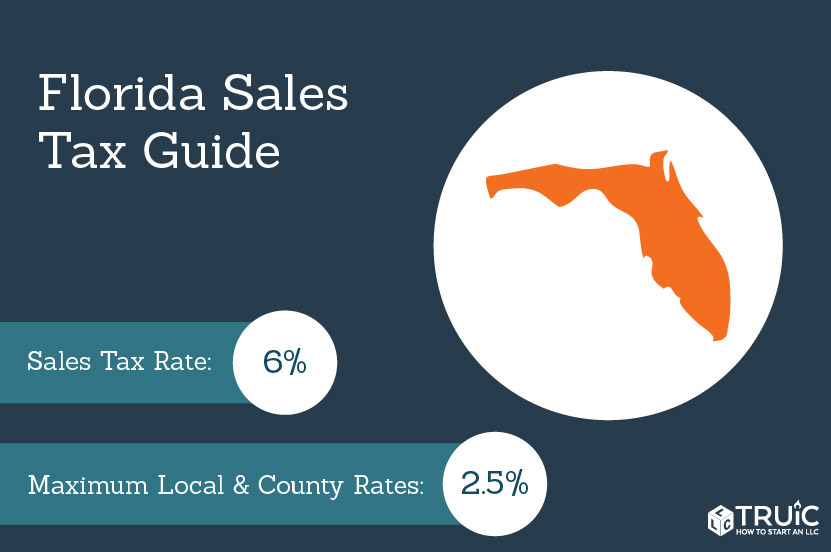
The cornerstone of Florida’s sales tax is its statewide rate. As of the current period, the statewide sales tax rate in Florida is 6%. This percentage applies to a vast array of transactions across the state, serving as the base rate before any local surtaxes are added. This 6% is collected by businesses at the point of sale and remitted to the Florida Department of Revenue. For travelers, this means adding 6% to the listed price of most goods purchased, whether it’s a souvenir from Walt Disney World Resort or a new outfit from a boutique on South Beach. Residents will find this rate applied to everything from furniture purchases to car repairs.
What’s Generally Taxable?
The 6% state sales tax primarily applies to the retail sale of tangible personal property. This broad category covers most physical goods you might purchase. Think of items like clothing, electronics, books, toys, and even packaged food items from convenience stores. Beyond physical goods, the tax extends to certain services, particularly those related to the repair or installation of tangible personal property. For instance, if you get your car repaired in Tampa, the parts used would be subject to sales tax.
Rentals are another significant area where sales tax applies. This includes:
- Rental of Living or Sleeping Accommodations: Crucially for travelers, this covers hotel rooms, motel rooms, vacation rentals, and even extended stays in apartments for less than six months. This is often referred to as the “transient rental tax” or “resort tax,” and it’s a critical component of accommodation costs in Florida, often layered with local tourism taxes.
- Rental of Tangible Personal Property: This includes rental cars, boats, equipment, and even items like beach chairs or bicycles you might rent during your visit to Key West.
Key Exemptions and Special Cases
While the general rule is that goods are taxed, Florida does provide some notable exemptions designed to ease the burden on consumers for essential items and certain services. Understanding these can help you better manage your budget.
Groceries and Medicine: A Welcome Relief
One of the most significant exemptions in Florida is for unprepared food items (groceries) and prescription and non-prescription medicines. This means when you go to a supermarket in Jacksonville to buy ingredients for a home-cooked meal, you won’t pay sales tax on those food items. Similarly, prescription drugs and most over-the-counter medications are exempt. This exemption is crucial for everyday living and significantly impacts the cost of living for residents and long-term visitors. However, prepared foods, such as deli sandwiches, hot meals, or restaurant dishes, are subject to sales tax, as they fall under “restaurant food sales.”
Services vs. Goods: A Fine Line
Generally, pure services are not subject to Florida sales tax. This means services like haircuts, legal advice, medical consultations, or dry cleaning typically do not incur sales tax. The distinction often becomes critical when a service involves the transfer of tangible property. If a service provider sells you a physical product as part of their service (e.g., shampoo at a salon, parts for a car repair), that specific product portion of the bill is usually taxable, while the labor or service charge is not.
Other Notable Exemptions
- Periodicals and Newspapers: Sales of these items are generally exempt.
- Certain Agricultural Items: Items used in agricultural production often qualify for exemptions.
- Educational Materials: Textbooks and certain other educational items may be exempt.
For visitors, these exemptions primarily mean relief on groceries, but most other purchases, from a new swimsuit to tickets for Universal Studios Florida, will include sales tax.
Sales Tax and Your Florida Travel Budget
For anyone planning to experience the vibrant tourism, diverse accommodations, and iconic landmarks of Florida, sales tax will be a recurring consideration in your budget. From booking your hotel to enjoying local cuisine and exploring attractions, these charges add up. Integrating this understanding into your financial planning is a smart move for a seamless trip.
Accommodation Taxes: More Than Just the State Rate
This is arguably the most impactful area for travelers. While the 6% state sales tax applies to the rental of living accommodations for periods of six months or less, many counties also impose an additional local discretionary sales surtax and a separate local “Tourist Development Tax” (TDT), often called a bed tax or resort tax.
The TDT is levied specifically on the rental of transient accommodations (hotels, motels, vacation rentals, short-term apartment rentals). The rate varies significantly by county, ranging from 2% to 6% (and sometimes more in specific districts). For example, a traveler staying in Orange County (home to Orlando’s major theme parks) might pay the 6% state sales tax plus an additional Orange County discretionary sales surtax (e.g., 0.5%) and a Orange County Tourist Development Tax (e.g., 6%). This means your total tax on a hotel room could easily reach 12.5% or more, significantly increasing the published nightly rate.
- Example: A $200 hotel room in Orlando could incur:
- 6% State Sales Tax: $12.00
- 0.5% Orange County Discretionary Sales Surtax: $1.00
- 6% Orange County Tourist Development Tax: $12.00
- Total Tax: $25.00, making the actual cost $225.00.
This multi-layered tax structure on accommodations is why it’s crucial to always check the “total price” when booking through platforms like Booking.com or directly with a Hilton or Marriott property.
Dining Out: A Delicious Addition
When you enjoy Florida’s diverse culinary scene, from fresh seafood in the Florida Keys to gourmet dining in Fort Lauderdale, prepared food and beverages purchased at restaurants, cafes, bars, and food trucks are subject to sales tax. This includes alcoholic beverages. The rate applied will be the 6% state sales tax plus any applicable local discretionary sales surtax for that county. This can easily add up over the course of a vacation, especially if you’re frequently dining out.
Attraction Tickets and Experiences
Entry fees to attractions, theme parks like Busch Gardens Tampa Bay, museums, shows, and many recreational activities (like boat tours or airboat rides in Everglades National Park) are generally subject to Florida sales tax. This is considered the sale of an admission, which is a taxable transaction. So, when you budget for your family trip to the Kennedy Space Center Visitor Complex or a snorkeling excursion, remember to factor in the additional percentage for sales tax.
Rental Cars and Other Transport
Renting a car is a popular way to explore the vastness of Florida. The rental charges for vehicles are subject to sales tax, typically the 6% state rate plus any local discretionary surtax. Additionally, Florida imposes a separate “rental car surcharge” or “tourism tax” on short-term car rentals, usually a flat dollar amount per day (e.g., $2 per day). This is in addition to the sales tax, further increasing the total cost of your rental. Always check the final price, including all taxes and fees, before confirming your booking.
Shopping for Souvenirs and Necessities
Whether you’re picking up a t-shirt at a shop on Daytona Beach or a unique piece of art in Sarasota, most tangible goods purchased will have the 6% state sales tax (plus any local surtax) added to the price. This applies to clothing, electronics, books, gifts, and even toiletries from a drugstore. Remember, while groceries are exempt, most other retail purchases are not.
Beyond the Base Rate: Local Discretionary Sales Surtaxes (DSTs)
While the 6% state sales tax provides a baseline, the actual tax rate you pay in Florida often varies by location due to county-specific “discretionary sales surtaxes” (DSTs). These are additional sales taxes levied by individual counties, and they can add anywhere from 0.5% to 2.5% (or more) to the statewide rate.
How DSTs Work
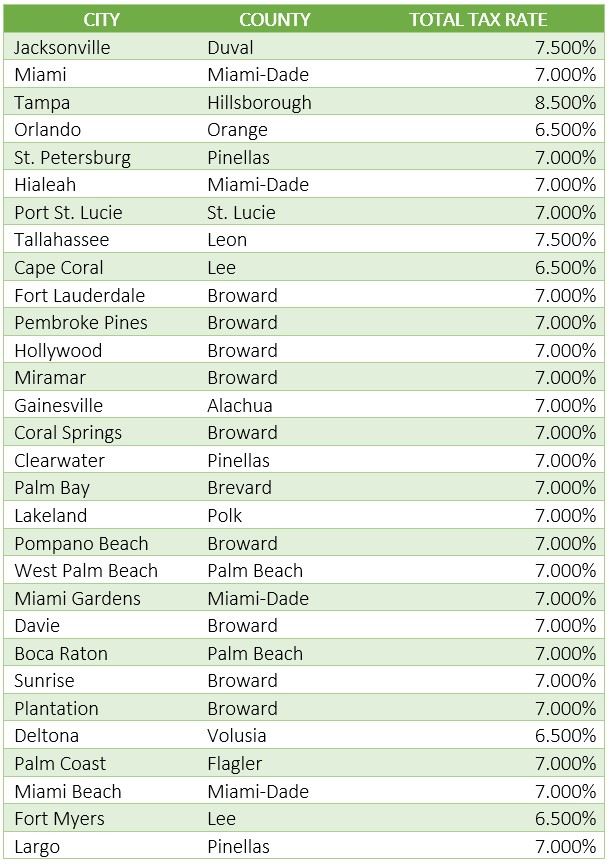
Each of Florida’s 67 counties has the authority to impose a DST, subject to voter approval or specific legislative mandates. These funds are typically used for local infrastructure projects, public services, or other community needs. The combined state and local sales tax rate, therefore, can range from 6% (in counties without a DST) up to 8.5% or even 9% in some areas when all taxes, including TDT, are factored in.
It’s important to note that DSTs often have a “cap” on individual transactions for certain items. For example, some counties might cap the surtax applied to a single purchase at a certain dollar amount (e.g., $5,000 for specific sales). However, for the vast majority of consumer purchases and services like accommodation, the DST applies to the full value of the transaction.
Impact on Major Cities and Counties
The presence and rate of DSTs can significantly affect your overall costs, especially in popular tourist destinations and populous areas.
- Miami-Dade County: As a bustling metropolitan and tourist hub, Miami-Dade County has a DST that, when combined with the state rate and Tourist Development Tax, means travelers and residents face a higher overall sales tax rate on many purchases and accommodations. The high volume of luxury travel and tourism here makes understanding these combined rates crucial for budget-conscious visitors.
- Orange County: Home to Orlando’s world-renowned theme parks like Walt Disney World Resort and Universal Studios Florida, Orange County also levies a DST. Coupled with the Tourist Development Tax, this significantly impacts the cost of hotel stays, vacation homes, and even many restaurant bills within the area.
- Hillsborough County: Covering Tampa and surrounding areas, Hillsborough County also has a DST. This affects the cost of goods and services for both residents and visitors exploring attractions like Busch Gardens Tampa Bay.
- Other Counties: Even in less populous areas or smaller cities like Naples or Tallahassee, DSTs are common, adding a small but consistent percentage to the state rate. Always check the specific county’s sales tax rate if you’re making a large purchase or staying for an extended period outside the main tourist centers. The Florida Department of Revenue website is an excellent resource for current county-specific rates.
These local surtaxes are often displayed as part of the total sales tax on your receipt, combining with the state rate. For instance, if a county has a 1% DST, your total sales tax on a taxable item would be 7%. This variable rate means that a purchase made in one county might cost slightly less or more than the identical purchase in an adjacent county, depending on their respective DSTs.
Navigating Sales Tax as a Visitor or Resident
Whether you’re enjoying a short-term family trip or embracing the Florida lifestyle long-term, understanding how to interact with the sales tax system can help you manage your finances effectively.
Tips for Travelers: Budgeting for Your Adventure
- Always Assume Tax: When viewing prices for hotels, car rentals, attraction tickets, or meals, assume that sales tax (and potentially other specific tourism taxes) will be added. Don’t just budget for the sticker price. This is especially true for accommodation costs, which can see the highest combined tax rates.
- Check Total Accommodation Costs: Use booking websites’ “total price” feature or carefully read the breakdown of charges when booking directly. The “taxes and fees” line item can be substantial.
- Factor into Dining Budgets: If you plan to eat out frequently, remember that an additional 6-8% (state sales tax + DST) will be added to your food and drink bill.
- Groceries Can Save You Money: Take advantage of the grocery exemption. If your accommodation has a kitchen, stocking up on unprepared food items can be a cost-effective way to save money on meals, as these are not taxed.
- Be Aware of Rental Car Surcharges: Beyond sales tax, car rentals have additional daily surcharges. These are standard but often overlooked in initial budget planning.
- Keep Receipts: If you’re a business traveler, keeping receipts for taxable purchases is vital for expense reporting.
For Residents: Everyday Financial Planning
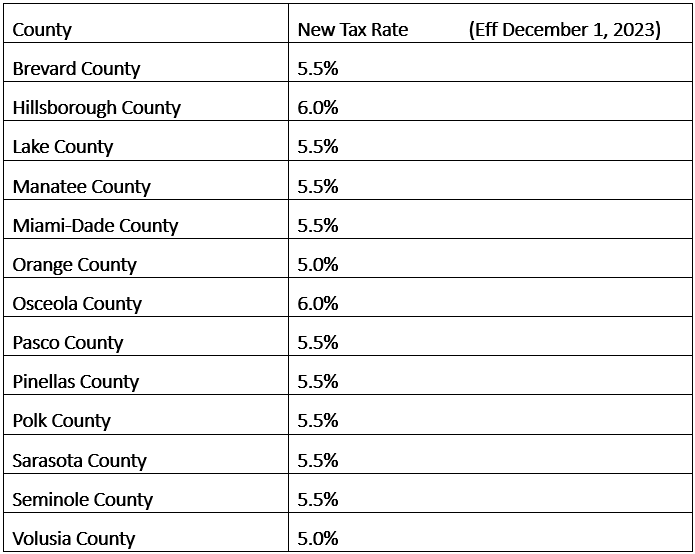
- Understand Your County’s DST: As a resident, you’ll consistently pay your county’s combined state and discretionary sales tax rate on most purchases. Familiarize yourself with this combined percentage to accurately budget for everyday spending, from household goods to durable items.
- Home Improvement Projects: If you’re undertaking renovations, remember that materials purchased from retailers will be subject to sales tax. While many services are exempt, if a contractor supplies and installs taxable goods (e.g., new cabinets, flooring), the goods portion of the invoice will be taxed.
- Vehicle Purchases: When buying a new or used vehicle in Florida, sales tax will be applied to the purchase price. This is a significant expense that needs to be factored into your budget.
- Online Shopping: Under current laws, sales tax is generally collected by online retailers for shipments to Florida if the retailer meets certain nexus requirements, meaning you’ll pay the same tax as if you bought it in a physical store.
- Consult Official Resources: For the most accurate and up-to-date information, residents and businesses should regularly consult the official website of the Florida Department of Revenue. This resource provides detailed guides, publications, and current sales tax rates for all counties.
In conclusion, Florida’s sales tax system is designed to contribute to the state’s infrastructure and public services. While the 6% state sales tax is consistent, the addition of local discretionary surtaxes and specific tourism taxes, especially on accommodations, means the total rate can vary significantly depending on where you are and what you’re buying. By understanding these components, both visitors enjoying the endless attractions and residents embracing the Florida lifestyle can effectively manage their finances and make the most of what the Sunshine State has to offer.
LifeOutOfTheBox is a participant in the Amazon Services LLC Associates Program, an affiliate advertising program designed to provide a means for sites to earn advertising fees by advertising and linking to Amazon.com. Amazon, the Amazon logo, AmazonSupply, and the AmazonSupply logo are trademarks of Amazon.com, Inc. or its affiliates. As an Amazon Associate we earn affiliate commissions from qualifying purchases.