
Embarking on a Texas adventure, whether it’s for the vibrant culture of Austin, the historical allure of San Antonio, the bustling cityscape of Dallas, or the coastal charm of Galveston, promises an unforgettable experience. The Lone Star State is a tapestry of diverse destinations, from rolling Hill Country vistas to expansive desert landscapes. Many travelers choose to explore this vast state by car, embracing the freedom of the open road. However, amidst the excitement of discovering new places and enjoying your journey, it’s crucial to remain mindful of local traffic laws, especially speed limits. A speeding ticket, an unwelcome souvenir, can quickly derail your travel budget and dampen the spirits of even the most seasoned explorer. So, how much is a speeding ticket in Texas, and what else should travelers know to avoid this costly misstep?
Understanding the potential financial and logistical implications of a speeding violation is an essential part of responsible travel planning. For those on a budget travel escapade, an unexpected fine can mean cutting short a planned attraction visit or foregoing a delightful local meal. Even for luxury travel connoisseurs, the hassle of dealing with legalities in an unfamiliar place can detract from the serene experience they seek. This comprehensive guide aims to shed light on the costs, consequences, and best practices for navigating Texas roadways safely and legally, ensuring your trip remains as smooth as the state’s wide-open highways.
Understanding Texas Speeding Tickets: More Than Just a Fine
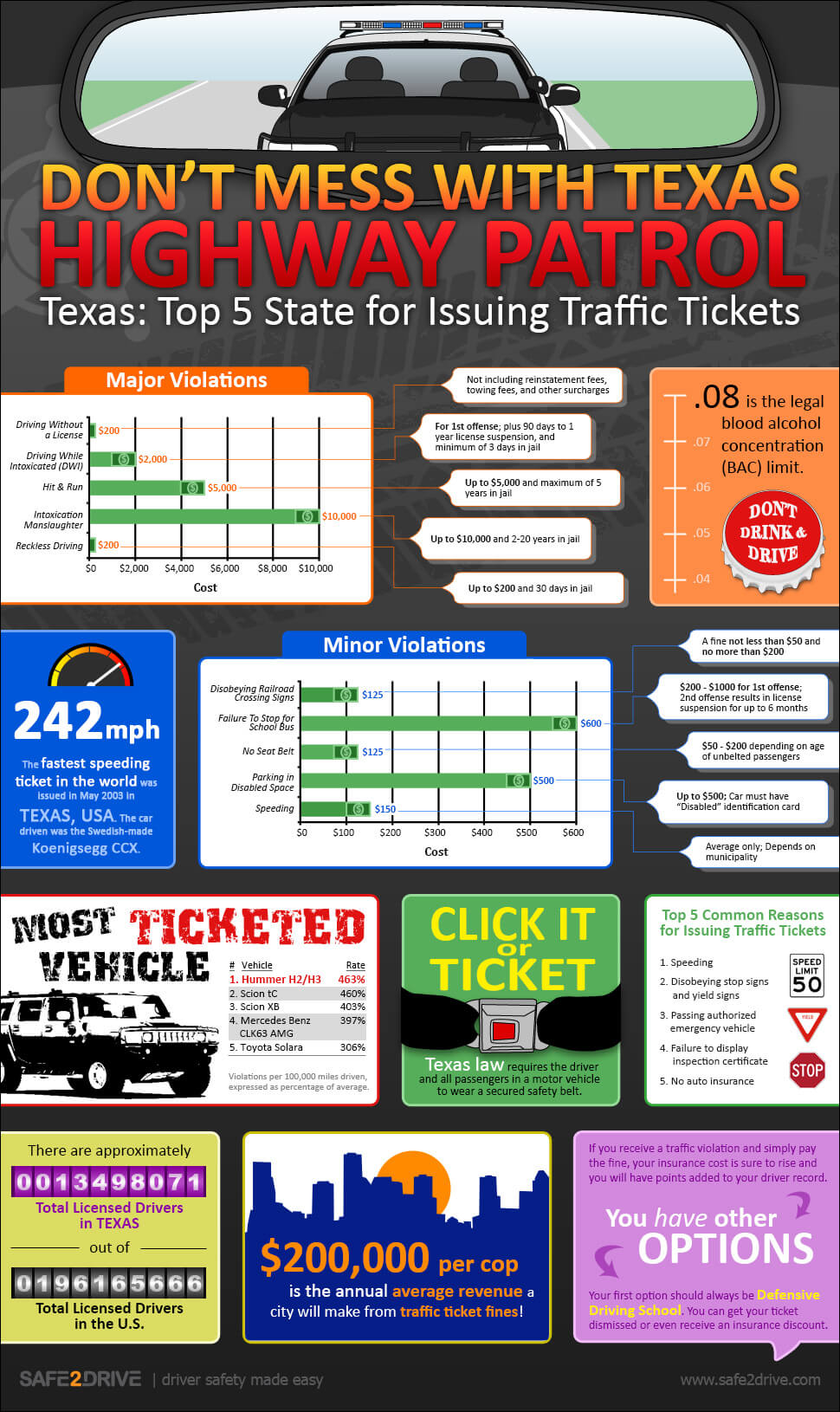
The cost of a speeding ticket in Texas isn’t a fixed sum; it’s a dynamic figure influenced by a variety of factors. These can range from the speed at which you were allegedly driving to the specific jurisdiction where the offense occurred. It’s not just the base fine you need to consider; court costs, administrative fees, and potential surcharges can significantly inflate the total amount, transforming a seemingly minor infraction into a substantial drain on your vacation funds. For travelers renting a car, additional fees from the rental company might also apply if they have to process the ticket on your behalf.
The Baseline Cost: What to Expect
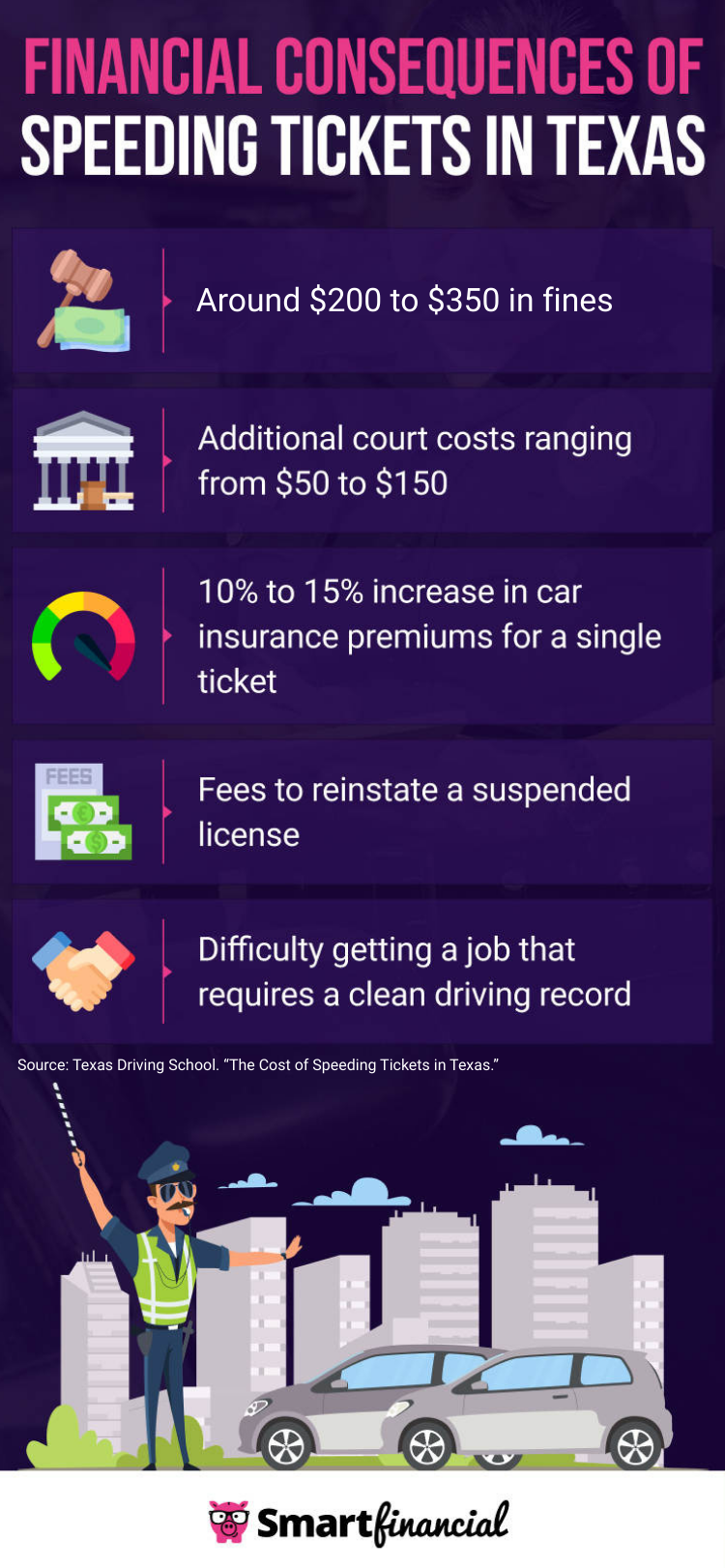
Generally, a speeding ticket in Texas for exceeding the posted limit by a small margin (e.g., 1-10 mph over) can start anywhere from $150 to $250. However, this is merely a starting point. As your speed increases above the limit, so does the fine. For instance, being cited for driving 15-20 mph over the limit could see fines easily climbing to $300-$400 or more. Go significantly faster, say 25-30 mph over, and you might be looking at fines exceeding $500, not to mention the possibility of more severe penalties, including reckless driving charges in extreme cases.
It’s crucial to remember that these figures often exclude additional court costs and administrative fees, which can add another $50-$100 (or more) to the total bill. Each county and municipality in Texas has its own fee schedule, contributing to the variability in costs. For instance, a ticket issued by a Houston city police officer might have a different total cost than one issued by a state trooper in a rural area like those surrounding Big Bend National Park. Always check the specific citation for the exact amount due and payment instructions.
Factors That Increase the Price Tag
Several aggravating factors can significantly escalate the cost and severity of a speeding ticket in Texas. Being aware of these specific scenarios is vital for any traveler aiming to stay within legal bounds and protect their travel budget.
- Speeding in School Zones: This is arguably one of the most punitive violations. Fines for speeding in an active school zone in Texas are typically doubled and come with enhanced penalties. These zones are usually clearly marked with flashing lights during active hours, signaling a reduced speed limit. Disregarding these can lead to fines upwards of $500-$800, plus court costs. The priority here is child safety, and enforcement is stringent.
- Speeding in Construction Zones: Similarly, exceeding the speed limit in a designated construction or maintenance zone, especially when workers are present, carries heavier fines. These zones are critical for worker safety, and penalties reflect this. Fines can easily exceed $300-$500, in addition to standard fees. Again, clear signage will indicate these areas and adjusted speed limits.
- Exceeding by a Large Margin: The greater your speed above the posted limit, the higher the fine. If you’re caught driving excessively fast, say 30 mph or more over the limit, it could even lead to a misdemeanor charge of reckless driving, which carries much steeper fines, potential jail time, and a more significant impact on your driving record. This is a severe offense that should be avoided at all costs, particularly if you are an out-of-state or international visitor.
- Location and Jurisdiction: While state law sets general guidelines, individual counties and municipal courts have some discretion in setting fines and fees. A ticket in a large metropolitan area like Fort Worth might differ slightly from one in a smaller town along a scenic route. Researching local traffic laws and typical penalties for your specific destination can provide a clearer picture.
Navigating the Consequences: Beyond the Wallet
A speeding ticket in Texas isn’t just about the immediate financial hit. It can have far-reaching consequences that impact your driving record, insurance premiums, and even future travel plans, especially for those visiting from other states or countries. Understanding these broader implications is crucial for making informed decisions on how to handle a citation.
Impact on Your Driving Record and Insurance
In Texas, moving violations like speeding can result in points being added to your driving record. While points don’t directly lead to license suspension for a single speeding ticket, accumulating too many points over time can result in a license suspension or state surcharges. More importantly for most drivers, a conviction for speeding is typically reported to your insurance company. This can lead to a significant increase in your car insurance premiums, sometimes for several years. For a family trip, a spike in insurance costs can add an unexpected long-term expense.
For out-of-state drivers, the impact depends on whether your home state is part of the Interstate Driver’s License Compact or the Non-Resident Violator Compact (most United States states are). These agreements allow states to share information about traffic violations. This means a speeding ticket in Texas could still result in points on your home state’s driving record and affect your insurance rates back home.
Special Considerations for Out-of-State Drivers and International Visitors
For those from outside Texas, a speeding ticket can introduce unique complexities.
- Rental Cars: If you’re driving a rental car, the ticket will likely be sent to the rental company. They will then forward it to you, often with an additional administrative fee charged to your credit card, compounding the original fine. Be sure to review your rental agreement for clauses related to traffic violations.
- Interstate Driver’s License Compact: As mentioned, most U.S. states will receive notification of your Texas ticket and may impose their own penalties, such as points on your license.
- International Visitors: For international tourists, the situation can be more delicate. While a single speeding ticket might not directly impact your visa status or future entry into the United States, ignoring a court summons or failing to pay a fine can escalate into more serious legal problems. An outstanding warrant for unpaid fines could potentially cause issues upon future entry attempts into the U.S. or when renewing visas. It’s always best to address any legal issues promptly and thoroughly, even if it means contacting the court from abroad. Legal guidance from a Texas attorney may be advisable in complex cases.
Your Options When Faced with a Texas Speeding Ticket
Receiving a speeding ticket can be daunting, especially when you’re away from home. However, you typically have several options for how to proceed. Understanding these avenues can help you mitigate the impact on your finances and travel plans.
Paying the Fine: The Easiest Path
For many travelers, especially those facing a minor infraction or a limited timeframe, paying the fine is the most straightforward option. This generally involves pleading guilty or no contest and paying the indicated amount by the deadline. Payment methods often include online portals, mail, or in-person at the courthouse.
While paying the fine closes the matter quickly, it usually results in a conviction on your driving record, which can lead to points and potentially increased insurance premiums. For a business stay or a quick weekend getaway, the convenience might outweigh the long-term record impact. Be sure to pay promptly to avoid additional late fees or warrants.
Contesting the Ticket: When It Makes Sense
If you believe you were wrongly accused, the speed limit was unclear, or there were extenuating circumstances, you have the right to contest the ticket in court. This path requires more time and effort, but it could result in the ticket being dismissed or reduced.
Grounds for contesting could include:
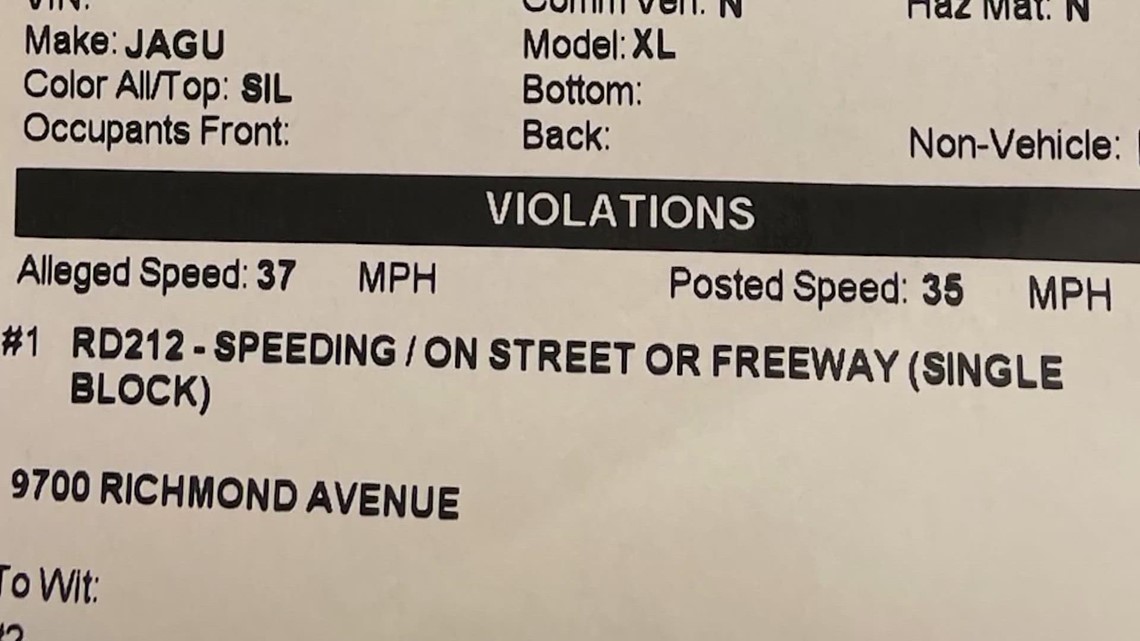
- Incorrect Information: Errors on the citation (e.g., wrong vehicle make, incorrect location).
- Faulty Equipment: Questions about the calibration of radar or lidar devices used by law enforcement.
- Lack of Clear Signage: Arguing that speed limit signs were obscured or missing.
- Emergency Circumstances: While rare, a legitimate emergency might be a defense.
Contesting a ticket often means appearing in court, which can be challenging for out-of-state or international visitors. You may need to hire a Texas attorney to represent you, which adds to the cost but can save you from having to return to Texas for a court date. Weigh the potential cost savings and record benefits against the time and legal fees involved.
Defensive Driving and Deferred Disposition: Alternatives to a Conviction
Texas offers two common alternatives to a direct conviction that can keep the speeding ticket off your driving record:
- Defensive Driving Course: Many courts allow eligible drivers to take an approved defensive driving course. Upon successful completion, the ticket may be dismissed. Eligibility usually requires that you haven’t taken a defensive driving course for ticket dismissal within the last 12 months, hold a valid Texas driver’s license (or sometimes out-of-state), and were not driving excessively over the limit or in a school/construction zone. There’s typically a fee for the course and an administrative court fee. This can be a great option for minimizing the impact on your insurance. Many courses are available online, making them convenient for travelers to complete from anywhere.
- Deferred Disposition (Probation): This option involves the court placing you on a probationary period (e.g., 60 or 90 days). If you successfully complete the probation without any further traffic violations, the ticket will be dismissed. This often requires paying a court fee upfront, which is usually equivalent to the fine. Deferred disposition might be available even if you don’t meet the defensive driving eligibility requirements. It’s an excellent way to avoid a conviction, but you must be diligent about not getting another ticket during the probationary period. This option is particularly useful for those who travel frequently to Texas or reside there regularly for business stays.
Both options require court approval and have specific deadlines for completion. Always contact the court listed on your citation to understand your eligibility and the exact procedures.
Smart Travel: Avoiding Speeding Tickets in the Lone Star State
Prevention is always better than cure, especially when it comes to avoiding the hassles and costs of a speeding ticket. Thoughtful planning and adherence to local laws can ensure your Texas journey remains enjoyable and incident-free.
Know the Speed Limits and Road Types
Texas boasts some of the highest speed limits in the United States, with some stretches of interstate highways reaching 85 mph. While tempting to unleash your vehicle’s full potential, it’s vital to stay vigilant.
- Interstates and Freeways: Typically 70-75 mph in urban areas, and up to 80-85 mph in some rural sections, particularly along Interstate 10 or Highway 130.
- U.S. and State Highways: Generally 60-70 mph, depending on the area.
- Farm-to-Market (FM) Roads: Often 55-65 mph, but can vary greatly, especially near towns.
- Residential and Business Districts: Usually 30 mph unless otherwise posted.
Always look for posted speed limit signs. If no sign is present, the statutory speed limits apply, but it’s always safer to err on the side of caution. Be particularly wary in areas where speed limits drop suddenly, such as entering a small town from a highway, or around schools and construction zones. Radar detectors are legal in Texas for non-commercial vehicles, but they only alert you to radar, not necessarily prevent you from speeding.
Planning Your Texas Road Trip
A well-planned Texas road trip isn’t just about selecting fascinating destinations like Padre Island National Seashore or the Guadalupe Mountains National Park; it also involves anticipating driving conditions.
- Utilize Navigation Apps with Speed Limit Info: Many GPS devices and smartphone applications (e.g., Google Maps, Waze) display the current speed limit for the road you’re on, often with real-time traffic and police reports. This can be an invaluable tool for staying informed.
- Allow Ample Time: Rushing is a primary cause of speeding. Build extra time into your itinerary for unexpected delays, rest stops, and sightseeing. This makes the journey itself part of the enjoyable travel experience, rather than just a means to an end. Consider breaking up long drives with overnight accommodation at charming hotels or cozy bed and breakfasts in towns like Fredericksburg or Waco.
- Stay Alert and Focused: Long stretches of open road in Texas can lead to complacency. Avoid distractions, take regular breaks, and ensure you’re well-rested. If you’re tired, consider stopping at a hotel or resort to recharge, perhaps one of the many excellent options found in cities like El Paso or Corpus Christi.
- Drive Defensively: Pay attention to other drivers, particularly those who seem to be speeding or driving erratically. Maintaining a safe following distance and being prepared for unexpected situations can help prevent accidents and the need for sudden maneuvers that could lead to speeding.
Ultimately, your Texas adventure should be filled with discovery, relaxation, and memorable moments, not the stress of legal battles or unexpected expenses. By understanding the costs and consequences of speeding tickets and adopting safe driving practices, you can ensure your travels through the magnificent Lone Star State are truly seamless and unforgettable. Drive safely, enjoy the incredible sights, and make the most of your Texas experience, free from the burden of a speeding ticket.
LifeOutOfTheBox is a participant in the Amazon Services LLC Associates Program, an affiliate advertising program designed to provide a means for sites to earn advertising fees by advertising and linking to Amazon.com. Amazon, the Amazon logo, AmazonSupply, and the AmazonSupply logo are trademarks of Amazon.com, Inc. or its affiliates. As an Amazon Associate we earn affiliate commissions from qualifying purchases.