
Embarking on a new adventure, whether it’s a cross-country move, a long-term stay, or a decision to embrace the open road as a digital nomad, often comes with a set of logistical challenges. For those considering Texas as their next destination – a state renowned for its sprawling landscapes, vibrant cities, and unique culture – acquiring or transferring a vehicle is often a crucial step in truly experiencing all it has to offer. A car, RV, or motorcycle becomes more than just transportation; it’s your key to unlocking the vast beauty of the Hill Country, the coastal charm of the Gulf Coast, or the bustling streets of Austin and Houston.
However, before you can hit the highways and explore the many landmarks and hidden gems, there’s an essential administrative hurdle: understanding the vehicle title transfer process and its associated fees in Texas. While not the most glamorous aspect of travel or lifestyle planning, knowing “how much is the title transfer fee in Texas?” is vital for budgeting and ensuring a smooth transition into your Lone Star State experience. This guide will demystify the costs and procedures, helping you navigate the paperwork so you can focus on the exciting journeys ahead. From city-hopping between Dallas and San Antonio to exploring the wilderness of Big Bend National Park, your vehicle is your ticket to freedom, and understanding its legal prerequisites is the first step towards an unforgettable Texas adventure.

Understanding the Basics: What Are You Paying For?
When you’re transferring a vehicle title in Texas, you’re not just paying a single “title transfer fee.” Instead, you’re looking at a combination of fees and taxes that contribute to the overall cost. These components are standard for most vehicle transactions, whether you’re buying from a dealership, a private seller, or bringing a vehicle in from out of state. Understanding each part is crucial for accurate budgeting, allowing you to allocate funds for your Texas accommodations, dining experiences, and attractions without any unwelcome financial surprises.
The Texas Title Fee Itself
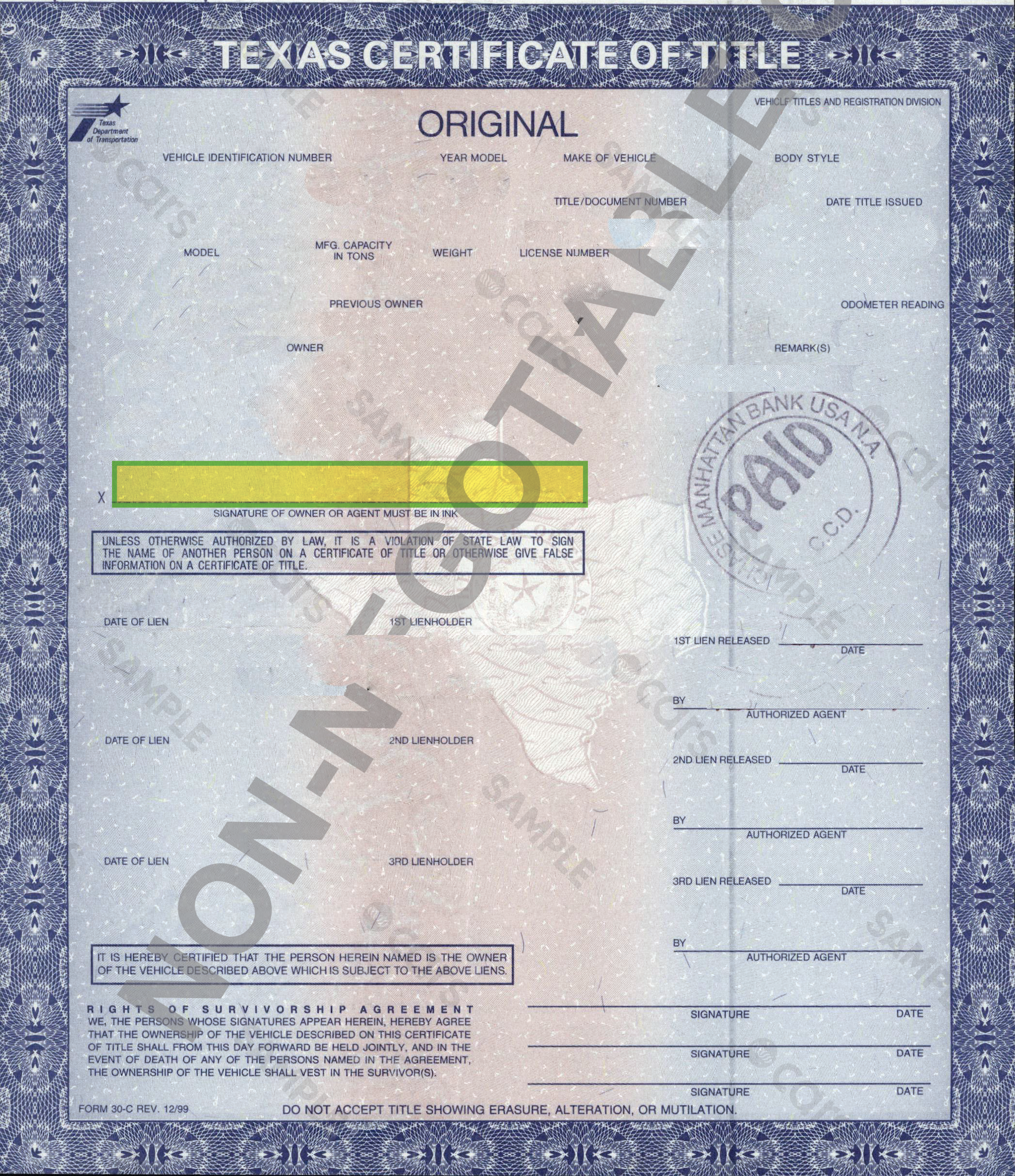
Let’s start with the direct answer to the core question: The official title transfer fee in Texas is a relatively modest $33.00. This fee is levied for the processing and issuance of your new vehicle title by the Texas Department of Motor Vehicles (TxDMV), although it’s typically handled through your local County Tax Assessor-Collector’s office. This small administrative charge covers the cost of updating ownership records and printing the new title document in your name. While minimal, it’s a non-negotiable part of securing your legal ownership in the state, ensuring that your vehicle is properly registered for all your travel plans, from weekend getaways to Guadalupe Mountains National Park to long-term stays in a Texas city.
Unpacking the Texas Sales Tax (Motor Vehicle Sales Tax)
Beyond the $33 title fee, the most significant cost you’ll encounter when transferring a vehicle title due to a purchase is the Motor Vehicle Sales Tax. In Texas, this tax is assessed at 6.25% of the vehicle’s sales price. However, there’s a crucial caveat: if the sales price seems unusually low (e.g., in a private sale), the state may tax based on the vehicle’s standard presumptive value (SPV), which is an estimated market value. This prevents under-reporting of sales prices to avoid taxes.
For travelers or new residents planning extended tours or choosing Texas as a long-term base, factoring this sales tax into your budget is paramount. Whether you’re purchasing an economical sedan for daily commutes and local exploration, or a robust RV for extensive road trips and a nomadic lifestyle, this 6.25% can add a substantial amount to the total cost. For example, a $20,000 vehicle will incur $1,250 in sales tax. This needs to be considered alongside your hotel bookings, accommodation expenses, and tourism activities, as it impacts your overall financial planning for your Texas adventure.
Don’t Forget Registration and Inspection
While technically separate from the title transfer, you cannot title a vehicle in Texas without also registering it, and registration requires a prior safety inspection. These are integral steps to legally operate your vehicle and are intertwined with the title transfer process.
- Vehicle Inspection: Before you can register your vehicle, it must pass an annual state safety inspection and, in certain counties (like those around Houston and Dallas), an emissions inspection. The cost for these inspections typically ranges from $7 to $40, depending on the type of inspection required and the inspection station. This ensures your vehicle is roadworthy and environmentally compliant for safe travel across the state.
- Registration Fees: The base registration fee in Texas for most passenger vehicles is currently $50.75. However, additional local fees (e.g., for road and bridge maintenance) can increase this by up to $10, making the total closer to $60-$70. This fee is annual and must be renewed to keep your vehicle legal on Texas roads, allowing you uninterrupted access to its many attractions, from the NASA Johnson Space Center to historic sites like The Alamo.
In summary, when asking “how much is the title transfer fee in Texas?”, remember to factor in the $33 title fee, the 6.25% motor vehicle sales tax (if applicable), and the inspection and registration fees. These combined costs are part of the essential groundwork for seamless vehicle ownership and unrestricted exploration in the Lone Star State.
The Transfer Process: Navigating the Texas DMV for Your Adventures
Once you have a clear picture of the costs, understanding the process for transferring a vehicle title in Texas is the next vital step. While it might seem like bureaucratic red tape, completing these steps correctly ensures that your vehicle is legally yours, free to take you on any adventure, whether it’s a short drive to a local landmark or a multi-day road trip exploring the diverse regions of Texas.
Required Documents for a Smooth Journey
Preparation is key to a hassle-free experience. Before heading to the County Tax Assessor-Collector’s office, gather the following essential documents:
- Original Texas Title or Out-of-State Title: This is the most crucial document, signed over by the seller. Ensure all sections related to the seller’s information and odometer reading are accurately filled out.
- Application for Texas Title (Form 130-U): This form must be completed and signed by both the buyer and the seller. It collects all necessary information about the vehicle, the transaction, and the parties involved.
- Proof of Texas Vehicle Insurance: You must have liability insurance that meets Texas minimum requirements.
- Current Vehicle Inspection Report (VIR): This confirms your vehicle has passed its safety and emissions inspections.
- Valid Photo ID: For identification purposes.
- Payment for Fees and Taxes: Be prepared with the full amount, typically payable by cash, check, or major credit card (though card acceptance varies by county office).
Having these documents ready will prevent multiple trips and allow you to quickly move from administrative tasks to enjoying your Texas lifestyle.
Where to Go: The County Tax Assessor-Collector’s Office
Unlike some states where title transfers are handled by a central Department of Motor Vehicles (DMV) office, in Texas, these transactions are processed by your local County Tax Assessor-Collector’s office. Each county has its own office, making it convenient for residents to handle their vehicle-related paperwork. You’ll need to visit the office in the county where you reside. A quick online search for “[County Name] Tax Assessor-Collector” will provide you with the exact address, hours of operation, and often a list of services offered. Some offices even allow you to schedule appointments online, which can be a real time-saver, especially for busy travelers or new residents settling into cities like Austin or Dallas.
What to Expect During the Visit
When you arrive at the County Tax Assessor-Collector’s office, here’s a general overview of what to expect:
- Check-in: You’ll likely take a number and wait for your turn.
- Document Review: A clerk will review all your submitted documents to ensure they are complete and accurate. They’ll verify signatures, odometer readings, and insurance details.
- Fee Calculation and Payment: The clerk will calculate the total amount due, including the title fee, sales tax (if applicable), and registration fees. You’ll make your payment at this time.
- Temporary Registration/Sticker: Once payment is made and everything is processed, you’ll receive a new registration sticker for your license plate and, if necessary, a temporary registration document. Your official title document will typically be mailed to you within a few weeks.
- New License Plates (if applicable): If you’re bringing an out-of-state vehicle, you’ll be issued new Texas license plates.
The entire process, assuming you have all your documents in order, can often be completed within an hour or two. Once done, you’re officially a vehicle owner in Texas, ready to explore its vibrant cities, scenic drives, and unique accommodations without a hitch.
Special Scenarios and Considerations for Travelers
The standard title transfer process covers most situations, but there are specific scenarios that frequently apply to travelers, digital nomads, and new residents moving to Texas. Understanding these nuances can save you time and potential headaches, ensuring your journey into the Texas lifestyle is as smooth as possible.
Out-of-State Transfers: Bringing Your Ride to the Lone Star State
For those moving to Texas with a vehicle previously titled in another state, the process is largely similar, but with a few key differences:
- Proof of Residency: You’ll need to demonstrate Texas residency, which can include a utility bill, lease agreement, or other official mail.
- Out-of-State Title: Your original out-of-state title is required.
- New Texas License Plates: You will be issued new Texas license plates and a registration sticker.
- VIN Verification: In some cases, especially if your out-of-state title doesn’t match the vehicle’s VIN perfectly, or if the vehicle is a salvage or rebuilt title, a VIN inspection might be required by a certified inspector.
- No Sales Tax (Often): If you’ve owned and used the vehicle in another state for more than one year before moving to Texas, you typically won’t pay Texas sales tax when titling it here. However, if you bought it recently and paid less than 6.25% sales tax in your previous state, Texas might charge you the difference. Always bring proof of sales tax paid in the previous state.
Navigating this ensures your cherished vehicle, which has perhaps carried you through many travel adventures, continues its journey legally in Texas.
Gifts, Inheritance, and Family Transfers
Sometimes, a vehicle changes hands not through a traditional sale, but as a gift or inheritance. These scenarios have specific rules regarding sales tax:
- Gifts: If a vehicle is gifted from one family member to another (spouse, parent, child, grandparent, grandchild, sibling), it may be exempt from sales tax. You’ll need to complete a “Affidavit of Motor Vehicle Gift Transfer” (Form 14-317) in addition to the Application for Texas Title. The $33 title transfer fee still applies. This can be a significant saving for families who wish to pass down a vehicle for a young adult embarking on their first independent travels or for someone needing reliable transportation for a new job in a city like San Antonio.
- Inheritance: Vehicles inherited through a will or by right of survivorship (e.g., joint ownership with a deceased spouse) are also typically exempt from sales tax. Specific documentation, such as a death certificate or letters testamentary, will be required along with the standard title application.
In both cases, while the sales tax burden is lifted, the basic $33 title fee and subsequent registration fees remain.
RVs, Campers, and the Nomad Lifestyle
For those embracing the nomadic lifestyle or planning extensive RV travel throughout Texas and beyond, special considerations apply to recreational vehicles (RVs) and travel trailers:
- RVs (Motorhomes): These are treated similarly to cars for title and registration purposes, including sales tax. The title fee, sales tax (if purchased), inspection, and registration fees will all apply.
- Travel Trailers/Fifth Wheels: These typically require their own separate title and registration in Texas. While they don’t undergo a state safety inspection, they are subject to the same sales tax (if purchased) and a separate registration fee (usually around $45-$55 annually, plus local fees) and the $33 title fee. This is crucial for anyone setting up a mobile accommodation for long-term stays or exploring the many state parks and private resorts Texas offers.
Understanding these specific rules ensures that your mobile home on wheels is fully compliant, allowing you to focus on finding the best campsites and enjoying the freedom of the road.
Budgeting for Your Texas Wheels: More Than Just the Fee
When planning your move, long-term stay, or extensive road trip in Texas, the costs associated with vehicle ownership extend far beyond the initial title transfer fees. A comprehensive budget is essential to ensure a stress-free lifestyle and uninterrupted travel. Thinking about the bigger picture will help you maintain financial flexibility for unexpected adventures or last-minute hotel bookings.
The True Cost of Vehicle Ownership in Texas
Beyond the title transfer fee, sales tax, and annual registration, consider these ongoing expenses:
- Fuel: Texas is a vast state, and covering its immense distances—whether driving between Dallas and Houston or embarking on a scenic drive through the Hill Country—will consume significant fuel. Prices fluctuate, so factor in a generous budget, especially if you plan extensive tourism.
- Insurance: Vehicle insurance rates vary widely based on your driving record, vehicle type, and location within Texas. Obtain quotes from several providers to secure the best rate, as this can be a substantial monthly expense.
- Maintenance and Repairs: Regular maintenance is crucial for vehicle longevity and safety, especially for road trips. Budget for oil changes, tire rotations, and unexpected repairs. For older vehicles or those undertaking heavy travel, this budget should be more robust.
- Tolls: Many major highways and express lanes in Texas, particularly around metropolitan areas like Austin and San Antonio, are toll roads. An electronic tag (like a TxTag) can make these trips seamless, but the cumulative costs can add up.
- Parking: In bustling city centers or at popular attractions, parking fees can quickly accumulate. Research parking options and costs if you plan to frequently visit urban areas.
Planning Your Travel Budget with Vehicle Costs in Mind
Integrating vehicle ownership costs into your overall travel or lifestyle budget is paramount. If you’re a digital nomad, your vehicle might double as your office, making its reliability and cost efficiency critical. For families embarking on a Texas vacation, knowing these expenses upfront prevents unwelcome surprises and allows for more comfortable accommodation choices or additional experiences.
- Initial Setup Costs: Remember the total initial outlay: purchase price + sales tax + title fee + first-year registration + inspection. This upfront investment should be accounted for before booking your first Texas hotel or planning your first major excursion.
- Monthly Operating Costs: Factor in estimated monthly expenses for fuel, insurance, and a contingency for maintenance. This allows you to plan your daily or weekly travel activities, dining budgets, and other tourism expenses more accurately.
- Long-Term Planning: If your Texas stay is long-term, remember that registration and inspection are annual costs. Setting aside a small amount each month for these renewals can prevent a financial pinch when they come due.
By adopting a holistic approach to budgeting, you can ensure that your vehicle not only serves its purpose but also enhances your Texas adventure without draining your financial resources.
Beyond the Paperwork: Embracing Your Texas Journey
Once the administrative tasks of understanding “how much is the title transfer fee in Texas?” and completing the process are behind you, a world of exploration opens up. Your vehicle is now legally ready to be your companion, unlocking the true essence of the Lone Star State and enriching your lifestyle within its borders.
The Freedom of the Open Road
The sheer size of Texas means that having your own transportation isn’t just a convenience; it’s an essential tool for discovery. Imagine spontaneous road trips through the wildflower-strewn Hill Country in spring, or a culinary tour through the vibrant food scenes of Austin and Houston. With your newly titled and registered vehicle, you have the flexibility to chase sunsets over the vast West Texas plains, venture into charming small towns that offer a glimpse into local culture, or simply enjoy the freedom of setting your own itinerary. This is the heart of what travel and a liberated lifestyle are all about – unconstrained movement and the ability to follow your whims.
Discovering Texas’ Diverse Landscapes
Texas offers an incredible array of natural beauty and man-made landmarks. Your vehicle will be instrumental in exploring:
- Deserts and Mountains: Head west to experience the majestic desolation of Big Bend National Park or the rugged peaks of Guadalupe Mountains National Park, where hiking trails and stargazing opportunities abound.
- Coastlines: Drive down to the Gulf Coast for beach relaxation, fishing, and birdwatching in places like Galveston or South Padre Island. These coastal retreats offer diverse accommodation options, from family-friendly hotels to secluded resorts.
- Forests and Lakes: In East Texas, the piney woods offer a contrasting landscape of lush forests, perfect for camping, boating, and exploring charming historic towns.
- Urban Explorations: Utilize your vehicle to navigate the rich tourism scenes of cities like San Antonio with its historic The Alamo and River Walk, or Dallas with its world-class museums and entertainment districts. While you might opt for public transport or ride-sharing within very dense areas, having your car for trips to the outskirts or between different city zones is invaluable.
In conclusion, while the initial administrative steps of understanding vehicle title transfer fees in Texas may seem like a trivial detail amidst grand travel plans, they are foundational. By meticulously handling the $33 title fee, the 6.25% sales tax, and the associated registration and inspection costs, you secure the legal standing of your vehicle. This groundwork transforms a mere piece of machinery into a licensed passport to the boundless adventures, rich culture, and diverse landscapes that make Texas an unparalleled destination for travel, lifestyle, and discovery. So, get your paperwork in order, budget wisely, and then embark on the Texas journey of your dreams.
LifeOutOfTheBox is a participant in the Amazon Services LLC Associates Program, an affiliate advertising program designed to provide a means for sites to earn advertising fees by advertising and linking to Amazon.com. Amazon, the Amazon logo, AmazonSupply, and the AmazonSupply logo are trademarks of Amazon.com, Inc. or its affiliates. As an Amazon Associate we earn affiliate commissions from qualifying purchases.