
Embarking on a journey to the Golden State is an adventure filled with iconic landmarks, diverse cultures, and unforgettable experiences. From the sun-kissed beaches of Southern California to the majestic redwoods of Northern California, and from the vibrant cityscapes of Los Angeles and San Francisco to the serene vineyards of Napa Valley, California truly offers something for every traveler. However, as you plan your dream vacation, extended stay, or even a business trip, one crucial aspect often overlooked is the impact of sales tax on your overall budget. Understanding how much sales tax you’ll encounter is vital, whether you’re booking luxury accommodations, dining at world-class restaurants, shopping for souvenirs, or simply fueling up for a scenic drive along Highway 1.
The sales tax system in California isn’t as straightforward as a single statewide rate. Instead, it’s a dynamic combination of a base state rate and various local district taxes that can significantly alter the final cost of goods and certain services depending on where you are in the state. For travelers, this means that the exact percentage added to your purchases can vary dramatically from one city or county to another. This comprehensive guide will illuminate the intricacies of California’s sales tax, helping you navigate your expenses with confidence and ensure a smoother, more enjoyable travel experience, regardless of whether you’re indulging in a luxury escape or meticulously adhering to a budget travel plan.
Understanding California’s Sales Tax System: A Traveler’s Perspective
The fundamental principle of California’s sales tax revolves around a statewide base rate, which is then augmented by various local district taxes. This tiered system means that while the core tax rate is consistent across the state, the combined rate—the one you actually pay—fluctuates based on the specific city and county where your transaction occurs. For tourists and visitors, this is an especially important detail to grasp, as your spending habits will naturally lead you through different districts, each with its own specific tax implications.
The Statewide Baseline: Your Starting Point
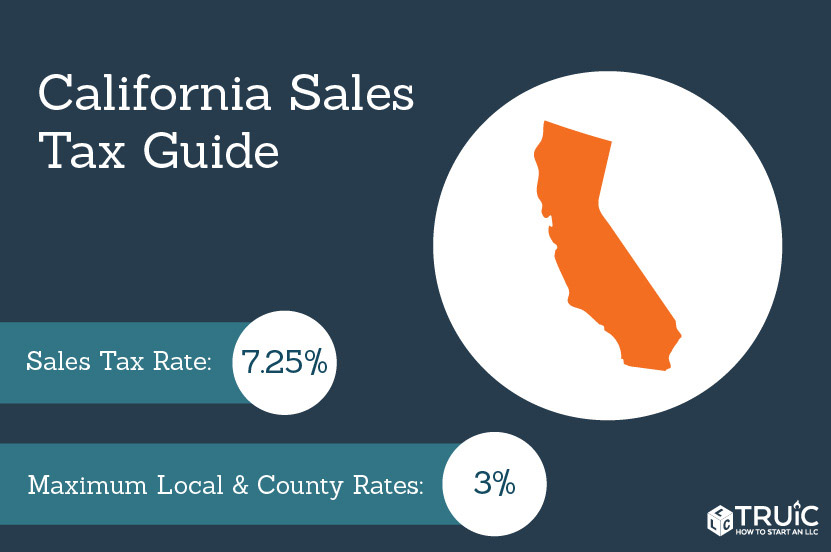
At the heart of California’s sales tax structure is the statewide base rate. As of the time of writing, this rate stands at 7.25%. This is the minimum sales tax you can expect to pay on taxable goods and certain services anywhere in the state. This baseline funds various statewide initiatives and services, providing a consistent foundation for the state’s revenue. However, it’s crucial to understand that this 7.25% is almost never the final rate you’ll encounter. It merely serves as the starting point before local additions are factored in. When you buy a postcard in a gift shop in Sacramento or a new pair of hiking boots near Yosemite National Park, this 7.25% is the constant element of the tax applied.
Local District Taxes: A Varied Landscape Across Destinations
Beyond the statewide rate, cities and counties in California have the authority to levy their own district taxes. These additional percentages are what cause the combined sales tax rate to vary so widely across different regions. These local taxes are typically enacted to fund specific local services, infrastructure projects, or public programs, making each community’s tax rate a reflection of its unique needs and priorities.
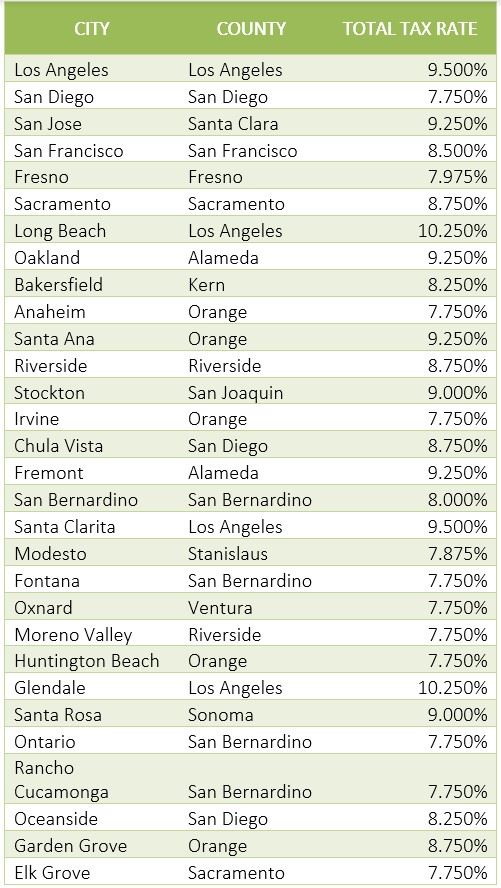
For instance, a visit to Los Angeles County or Alameda County might see you paying a combined sales tax rate well over 9% or even exceeding 10%, depending on the specific city within those counties. Cities like Culver City or Hayward often have rates at the higher end of the spectrum. Conversely, some smaller, less populated areas might have combined rates closer to the base 7.25%, if they haven’t implemented significant local add-ons.
This variability means that if you’re planning an extensive trip that covers multiple California destinations—say, starting with theme park adventures in Anaheim, then a cultural immersion in San Francisco, and finally a relaxing coastal retreat in San Diego—you’ll likely encounter different sales tax rates on your purchases in each location. Keeping this in mind can help you better allocate your budget, especially for significant purchases like electronics, designer apparel, or substantial souvenir hauls. The California Department of Tax and Fee Administration (CDTFA) is the official source for the most up-to-date and specific sales tax rates for every city and county in the state, a resource savvy travelers might consult for precise planning.
How Sales Tax Impacts Your California Travel Budget
For travelers, sales tax isn’t just a minor annoyance; it’s a significant factor that can subtly—or not so subtly—increase the total cost of your trip. From where you sleep to what you eat and the souvenirs you buy, understanding its reach is crucial for effective budget planning.
Sales Tax on Hotels and Accommodation: Beyond the Room Rate
When booking your stay, whether it’s a luxurious suite at the Waldorf Astoria Beverly Hills, a family-friendly resort near Disneyland Park in Orange County, or a cozy boutique hotel in Santa Monica, it’s important to differentiate between sales tax and occupancy taxes. While sales tax generally applies to tangible goods, hotels are subject to a different levy known as the Transient Occupancy Tax (TOT), often referred to as a “hotel tax” or “bed tax.”
The TOT is a tax imposed by local governments (cities and counties) on guests staying in hotels, motels, bed and breakfasts, and similar short-term rental accommodations. Unlike sales tax, the TOT rate is not uniform across California and can be significantly higher than combined sales tax rates, often ranging from 8% to as much as 17% in popular tourist destinations. For example, a single night at a Marriott in San Francisco or a Hilton in Los Angeles could incur a TOT of 14-15%, plus potentially other tourism assessments or surcharges. While not sales tax, it’s an equally important tax to factor into your accommodation budget, as it adds directly to your nightly rate. Always check the total price, including all taxes and fees, before confirming your booking to avoid any surprises.
Dining Out and Groceries: A Tale of Two Taxes
Food is an integral part of any travel experience, and California’s culinary scene is a major draw. From Michelin-starred restaurants in San Francisco to casual taco trucks in San Diego and the farm-to-table delights of the Central Valley, understanding how sales tax applies to your meals is key.
- Restaurant Meals and Prepared Foods: When you dine out at a restaurant, café, or even grab a hot dog from a street vendor, the full combined sales tax rate of that specific location will apply to your entire bill (excluding tip, which is typically voluntary). This includes prepared foods, hot meals, and fountain drinks. So, whether you’re enjoying a gourmet meal in Beverly Hills or a quick bite at Pier 39 in San Francisco, factor in an additional 8-10%+ on top of the menu price.
- Groceries (Unprepared Food): This is where a significant exemption comes into play. Most unprepared food products purchased for consumption at home, such as fresh produce, packaged goods, and raw ingredients from grocery stores or farmers’ markets, are generally exempt from sales tax in California. This is excellent news for budget-conscious travelers or those on long-term stays who plan to cook some of their meals in apartment-style accommodations. However, prepared deli foods, hot rotisserie chickens, or combo meals sold at grocery stores often become taxable because they are considered “prepared” for immediate consumption.
Souvenirs, Shopping, and Experiences: The Retail Reality
Shopping is an inevitable part of most trips, and California offers everything from high-end fashion on Rodeo Drive to unique artisan crafts in beachfront boutiques. Almost all tangible personal property you purchase, including clothing, electronics, books, art, and souvenirs, is subject to the combined sales tax rate of the jurisdiction where you make the purchase.
For example, if you buy a souvenir t-shirt on the Hollywood Walk of Fame, the sales tax rate for Los Angeles will apply. If you pick up a local wine in Sonoma County, that county’s specific rate will be added. This also extends to rental cars, where sales tax is typically applied to the rental fee, in addition to other taxes and surcharges. Even tickets for attractions, while often having other fees, if they involve a tangible product (like a physical commemorative ticket or merchandise bundle), might incorporate sales tax elements.
For travelers enjoying a lifestyle of luxury travel, these percentages can add up quickly on high-value items, so it’s always wise to factor the sales tax into your purchasing decisions, especially for big-ticket items. Budget travelers can also save significantly by being mindful of where and what they buy.
Navigating Sales Tax in Popular California Destinations
The variation in sales tax rates across California can be a significant factor in your overall travel expenses, especially in major tourist hubs. Here’s a closer look at what to expect in some of the state’s most beloved destinations.
Los Angeles and Orange County: The Southern California Hubs
Los Angeles and Orange County are home to some of the most popular attractions globally, from Universal Studios Hollywood to Disneyland Park and the vibrant beaches of Santa Monica. These areas typically feature some of the higher combined sales tax rates in the state.
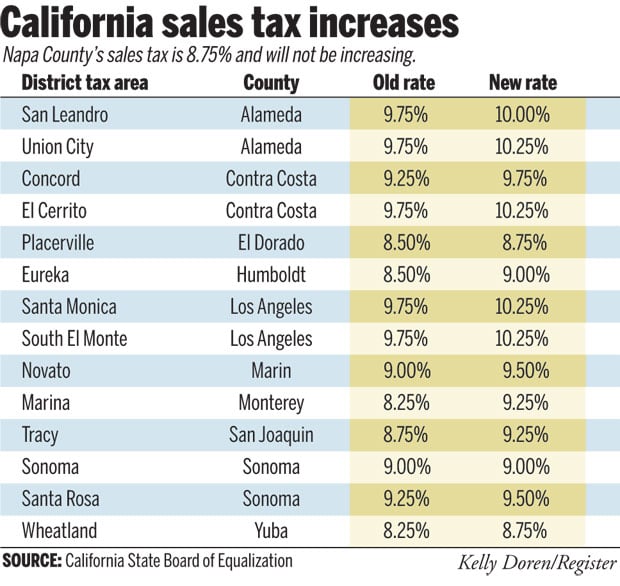
- In much of Los Angeles County, the combined sales tax rate often hovers around 9.50% to 10.25%, depending on the specific city. For instance, Santa Monica, Beverly Hills, and Downtown Los Angeles often fall into this higher bracket. This means that a $100 purchase could cost you $109.50 to $110.25.
- Orange County, which includes popular cities like Anaheim and Irvine, generally sees combined sales tax rates around 7.75% to 8.75%. While slightly lower than Los Angeles, these rates are still considerable, particularly when factoring in multiple purchases for a family vacation.
When planning to shop at luxury boutiques, enjoy fine dining, or buy extensive souvenirs in these areas, budgeting for these higher sales tax percentages is essential.
San Francisco and the Bay Area: Northern California’s Iconic Metropolis
The San Francisco Bay Area, with its iconic Golden Gate Bridge, historic Alcatraz Island, and dynamic tech scene, is another major tourist magnet. Like Southern California, the Bay Area also experiences higher sales tax rates.
- In the city and county of San Francisco itself, the combined sales tax rate is typically around 8.625% to 8.875%.
- Surrounding counties like Alameda County (home to Oakland), Contra Costa County, and Santa Clara County (where San Jose is located) often feature some of the state’s highest rates, frequently reaching 9.25% to 10.75% in certain cities. This makes purchases in these areas among the most expensive in terms of sales tax.
For those exploring the diverse neighborhoods of San Francisco, sampling gourmet food, or visiting museums like the de Young Museum, the added tax can be a noticeable bump on your spending.
San Diego and Other Coastal Gems: Relaxed Vibe, Consistent Tax
San Diego, known for its beautiful beaches, the San Diego Zoo, and a laid-back atmosphere, offers a slightly different tax landscape compared to its northern and central urban counterparts.
- In San Diego County, the combined sales tax rate is generally around 7.75% to 8.75%. While still higher than the statewide minimum, it can be a bit more moderate than in Los Angeles or much of the Bay Area.
- Other popular coastal destinations like Monterey, Santa Barbara, and cities along Big Sur will have their own specific district taxes, but often maintain rates within a similar range, typically between 7.75% and 9%.
When planning a family trip to Legoland California or a romantic getaway to a resort along the Pacific Coast Highway, these rates will be consistently applied to your purchases.
Essential Tips for Managing Sales Tax on Your California Trip
Effectively managing sales tax can help you stretch your travel budget further, enhancing your overall experience in California. Whether you’re a seasoned traveler or planning your first visit, these tips are designed to help you navigate the financial landscape.
Budgeting for Sales Tax: The Hidden Cost
One of the most crucial steps is to incorporate sales tax directly into your daily or trip-long budget. Don’t just budget for the listed price of items; always assume an additional 8-10% (or even higher in specific high-tax zones like Los Angeles or the Bay Area) on all taxable purchases.
- Estimate Real Costs: If you budget $50 for a meal, mentally earmark $5 for sales tax. If you plan to spend $200 on souvenirs, expect to pay closer to $216-$220. This proactive approach prevents you from overspending your allocated funds and avoids any unpleasant surprises at the checkout.
- Use Budgeting Apps: Many travel budgeting apps allow you to factor in taxes and fees, providing a more accurate real-time overview of your spending. This is particularly useful for longer trips or when managing a tight budget.
Understanding Exemptions: Save Where You Can
Leveraging sales tax exemptions is a smart way to save money, especially if you’re planning a longer stay or prefer to self-cater.
- Groceries are Your Friend: As mentioned, unprepared food items purchased at grocery stores are generally exempt. Stocking up on snacks, breakfast items, and ingredients for simple meals can significantly cut down on your dining expenses, which are fully taxed. For example, buying ingredients for a picnic lunch to enjoy at Balboa Park in San Diego or overlooking the Golden Gate Bridge will be tax-free, unlike buying a sandwich from a deli.
- Services vs. Goods: Most pure services (e.g., a spa treatment, a guided tour where no tangible goods are provided, or professional services) are not subject to sales tax. However, if a service includes a tangible item (e.g., a spa package including a take-home product, or a tour package with a souvenir gift), the tangible component might be taxed. Always clarify what’s included and how taxes are applied.
Keep Track of Receipts and Purchases
While not directly related to saving money on sales tax for immediate purchases, keeping track of your receipts is good practice for overall financial management during travel.
- Monitor Spending: Receipts provide a clear record of how much you paid in sales tax for different items in various locations, giving you a better understanding of how the rates affected your budget.
- Returns and Exchanges: Should you need to return an item, having the receipt ensures a smooth process, and you’ll receive a full refund, including the sales tax you paid.
Consider Duty-Free Shopping for International Travelers
For international visitors, California does not offer a widespread “tax-free shopping” program for sales tax refunds upon departure, unlike some European countries. However, duty-free shops at international airports like Los Angeles International Airport (LAX) or San Francisco International Airport (SFO) do allow travelers departing to international destinations to purchase certain goods (like liquor, tobacco, perfumes, and luxury items) without paying import duties or local sales taxes. This can be a significant saving for those eligible. Ensure you understand the specific rules and restrictions of duty-free purchases and your home country’s customs allowances.
In conclusion, understanding “how much sales tax in California?” is far more nuanced than a single number. It’s a dynamic interplay of state and local rates that can significantly impact your travel budget, whether you’re exploring the vibrant lifestyle of Hollywood, relaxing at a luxury resort in Palm Springs, or embarking on a budget-friendly road trip through the state’s breathtaking natural landmarks. By being informed about the base rate, district taxes, exemptions, and crucial tips for budgeting and planning, you can navigate your California adventure with financial savvy, ensuring your focus remains on creating unforgettable memories rather than being caught off guard by unexpected costs. Enjoy the Golden State!
LifeOutOfTheBox is a participant in the Amazon Services LLC Associates Program, an affiliate advertising program designed to provide a means for sites to earn advertising fees by advertising and linking to Amazon.com. Amazon, the Amazon logo, AmazonSupply, and the AmazonSupply logo are trademarks of Amazon.com, Inc. or its affiliates. As an Amazon Associate we earn affiliate commissions from qualifying purchases.