
When visions of pristine beaches, swaying palm trees, and year-round sunshine dance in one’s head, the concept of snow in Florida seems almost paradoxical. The Sunshine State is renowned globally for its subtropical to tropical climate, making it a perennial escape for those seeking warmth, especially during colder months. So, to answer the question directly: Florida rarely, if ever, experiences significant snowfall. While occasional flurries or light dustings have been recorded in some parts of the state’s history, a true winter wonderland akin to what one might find in the northern United States or Europe is virtually unheard of.

This unique climate is precisely why Florida has cemented its status as a premier travel destination, drawing millions of visitors each year who are eager to trade icy sidewalks for sandy shores. Far from being a disadvantage, the absence of snow is a cornerstone of Florida’s appeal, shaping its vibrant tourism industry, diverse accommodation options, and a distinctive lifestyle centered around outdoor enjoyment. For those planning a getaway, understanding Florida’s relationship with “winter” is key to unlocking its full potential as an unforgettable escape.
The Sunshine State’s Infrequent Embrace of Winter White
Despite its reputation, Florida isn’t entirely immune to the whims of colder weather. While a blanket of snow is a rare phenomenon, the state has indeed witnessed a few memorable, albeit fleeting, encounters with frozen precipitation. These events are often cataloged with a mix of wonder and amusement, standing as curious anomalies in the subtropical narrative.
A Historical Glimpse: When Florida Saw Snow
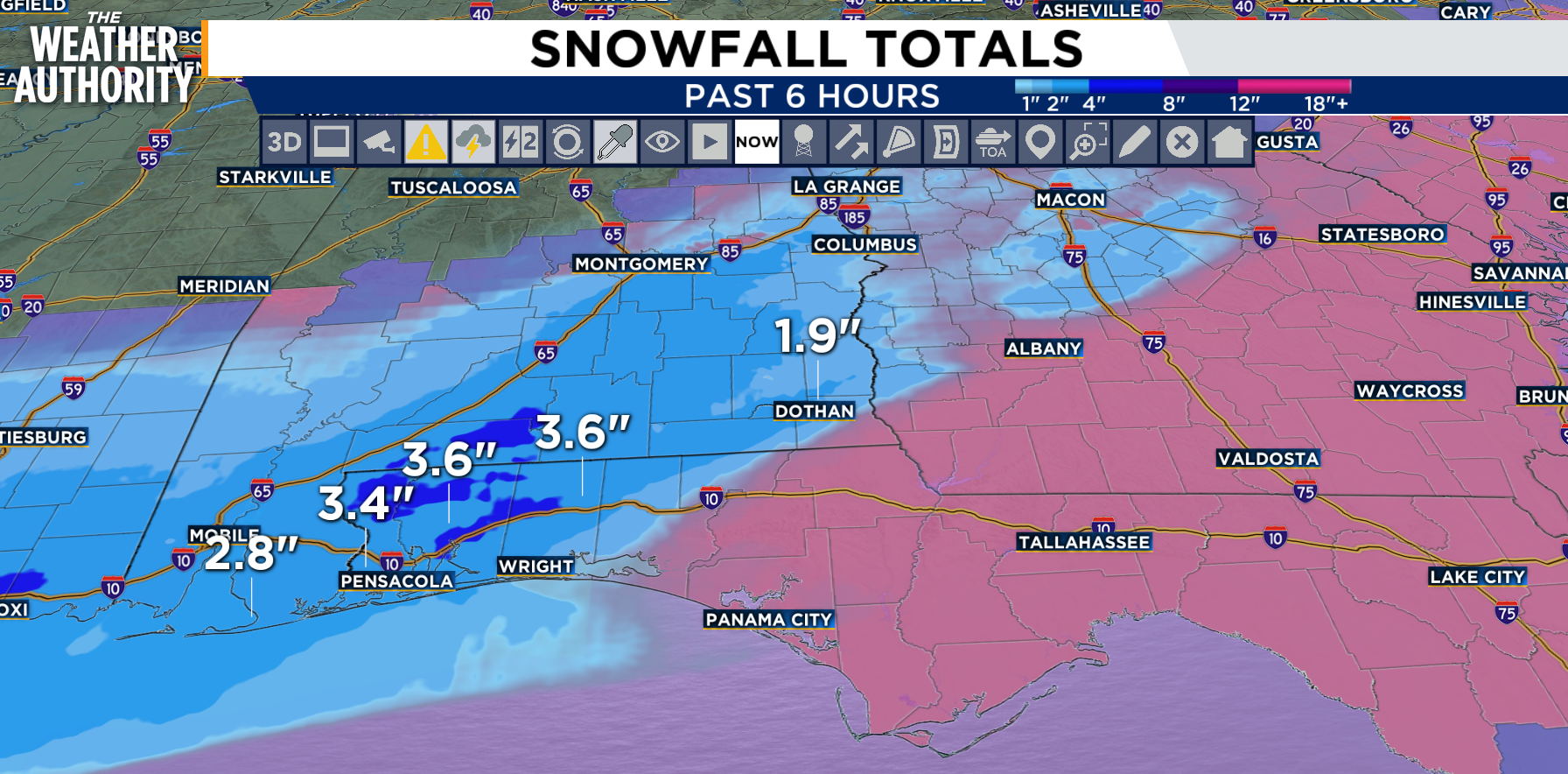
The historical records of snow in Florida are scattered and largely confined to the northern and central regions, with South Florida remaining virtually untouched. One of the most significant and widespread snow events occurred on January 19, 1977. On this remarkable day, nearly every part of Florida north of a line from Sarasota to Fort Pierce reported some form of frozen precipitation. Cities like Jacksonville and Gainesville saw accumulation, and even parts of Orlando experienced light flurries, delighting and bewildering residents in equal measure. This event, though light, made headlines precisely because of its extreme rarity.
Prior to 1977, other notable instances include a “Great Snow” in February 1899, which brought several inches to Tallahassee and a light dusting as far south as Fort Myers. More recently, a cold snap in January 2018 brought a brief snow shower to Tallahassee, marking the first measurable snowfall there in nearly three decades. These occurrences are typically fleeting, often melting upon contact with the ground, a testament to the state’s mild soil temperatures.
It’s important to differentiate between actual snow and other cold weather phenomena. Freezing rain or sleet can occur in Florida during severe cold fronts, particularly in the northern areas like the Panhandle, but these are distinct from the fluffy, accumulating snow envisioned in classic winter scenes. For destinations like Miami, Key West, and the rest of South Florida, snow remains an almost mythical event, a true once-in-a-lifetime occurrence that most residents will never witness.

Beyond the Flurries: The True Impact of Cold Snaps
While snow is a rare spectacle, significant cold fronts do sweep through Florida periodically, bringing temperatures well below what is typical for the region. These “cold snaps” have a far more tangible impact than a few flurries, particularly on the state’s unique ecosystem and its vital agricultural industries.
Florida’s economy has historically relied heavily on agriculture, especially its expansive citrus groves. Freezing temperatures, even for a few hours, can devastate crops, leading to significant economic losses. Growers employ various methods, from overhead irrigation to wind machines, to protect their precious oranges, grapefruits, and other tropical plants from frost damage. These battles against the cold are a perennial concern for farmers, highlighting the delicate balance between Florida’s mild climate and its vulnerability to extreme weather.
The state’s diverse wildlife also feels the brunt of unexpected cold. Manatees, gentle giants that thrive in warm waters, seek refuge in natural springs and power plant outfalls when Gulf and ocean temperatures drop. Likewise, exotic species like iguanas, which have become established in South Florida’s ecosystem, can become temporarily stunned and fall from trees during severe cold spells. While these cold-induced wildlife phenomena can be startling, they underscore the state’s fundamental warmth; such events are a sign that temperatures are far outside the norm for these heat-loving creatures. Understanding these impacts provides a richer context for Florida’s climate, beyond just the absence of snow.
Florida’s Allure: A Winter Escape from the Snow
The very rarity of snow in Florida is its greatest marketing asset, especially when it comes to attracting visitors during the winter months. While other regions bundle up against blizzards, Florida continues to bask in inviting warmth, offering a seamless transition from daily life to a sun-drenched holiday.
The Snowbird Migration: Embracing Sun-Drenched Winters
Each year, as temperatures plummet across the northern United States and Canada, a phenomenon known as the “snowbird migration” begins. Millions flock to Florida, seeking refuge from harsh winters and embracing the state’s promise of warmth and relaxation. This influx of seasonal residents and tourists significantly boosts Florida’s economy, supporting everything from local culture and food scenes to a wide array of activities.
For many, this winter migration isn’t just a trip; it’s a lifestyle choice. Whether it’s retirees enjoying long-term stays in comfortable villas or families escaping for a week-long family trip to a theme park, Florida caters to all forms of winter escapes. Luxury travel experiences are abundant, with high-end resorts and spas offering unparalleled amenities. Simultaneously, numerous options for budget travel ensure that the Sunshine State remains accessible to a broad demographic. The state’s diverse appeal also extends to business stays, with convention centers and hotels well-equipped to host events amidst a backdrop of perpetual sunshine. The common thread among all these visitors is the desire for sun-drenched days, often spent outdoors, far from the grip of winter.
Unrivaled Winter Experiences: From Beaches to Theme Parks
The absence of snow doesn’t mean a lack of exciting winter experiences in Florida; quite the opposite. The state truly shines during its mild winter months, offering perfect conditions for exploring its world-famous attractions and natural landmarks.
Theme Park Extravaganzas: Central Florida is home to some of the planet’s most iconic theme parks, and winter is arguably the best time to visit. The cooler temperatures make exploring expansive parks like Walt Disney World Resort and Universal Orlando Resort far more comfortable than during the scorching summer heat. Crowds can still be substantial, especially during holiday periods, but the pleasant weather enhances every magical moment. Beyond Orlando, Busch Gardens Tampa Bay offers thrilling rides and unique wildlife encounters in an equally agreeable climate.
Coastal Charms and Beach Bliss: Florida’s thousands of miles of coastline remain a major draw. From the vibrant energy of South Beach in Miami to the serene shores of the Emerald Coast in the Panhandle, beaches are open year-round for swimming, sunbathing, and watersports. Even if the air is a bit too cool for a dip in the ocean, a stroll along the shore or enjoying a meal with an ocean view is a quintessential Florida winter activity.
Nature and Outdoor Activities: Winter is prime season for enjoying Florida’s natural beauty. Everglades National Park transforms into a wildlife spectator’s paradise as cooler, drier conditions make animals more visible. Airboat tours, hiking, and birdwatching are incredibly popular. For the adventurous, kayaking through mangrove tunnels or paddleboarding in clear springs offers a unique perspective on the state’s diverse ecosystems. Golf enthusiasts will find perfect conditions on Florida’s numerous championship courses, while fishing and boating remain popular pursuits in the calmer winter waters. Even a visit to the Kennedy Space Center Visitor Complex offers a unique indoor/outdoor educational experience.
Planning Your Snow-Free Florida Getaway
Embarking on a Florida adventure, especially during the peak winter season, requires a bit of planning to ensure a seamless and enjoyable experience. From selecting the perfect place to stay to understanding what to pack, preparing adequately can significantly enhance your trip.
Accommodation Choices: From Coastal Resorts to Urban Suites
Florida’s popularity means an incredibly diverse range of accommodation options to suit every taste, budget, and travel style. Whether you’re seeking the ultimate in luxury, a family-friendly stay, or a cozy hideaway, the state delivers.
Luxury Resorts and Hotels: For those desiring opulence and comprehensive amenities, Florida boasts some of the world’s most exquisite resorts. Imagine waking up to ocean views at The Breakers Palm Beach, an iconic landmark blending history with modern comfort. Or perhaps a stay at the Ritz-Carlton Orlando, Grande Lakes offers unparalleled service and access to championship golf. In the heart of the theme park capital, Four Seasons Resort Orlando at Walt Disney World Resort combines Disney magic with five-star luxury. Even themed hotels like Loews Portofino Bay Hotel at Universal Orlando Resort offer a blend of immersive experiences and upscale comforts. These establishments often feature gourmet dining, spa services, private beach access, and children’s programs, making them ideal for family trips and luxury travel.
Apartments and Villas for Longer Stays: For snowbirds or families seeking more space and flexibility, vacation rentals, apartments, and villas are highly popular. These options often come equipped with full kitchens, multiple bedrooms, and private pools, providing a home-away-from-home experience. They are particularly attractive for long-term stay visitors who appreciate the convenience and cost savings of self-catering. Websites dedicated to booking and comparison tools make finding the perfect rental straightforward.
Budget-Friendly Hotels and Suites: Florida also offers an abundance of affordable hotels and suites that don’t compromise on comfort or location. From major hotel chains to charming boutique inns, visitors can find comfortable lodging that allows them to allocate more of their budget to experiences and attractions. For business stays or solo travelers, these options provide essential comfort without the added extravagance. Thorough research and using comparison sites are excellent tips for finding the best deals, especially during peak season.
Navigating Florida’s Winter Climate: What to Expect
While the headline “How Much Snow Did Florida Get?” clearly points to very little, understanding the nuances of a Florida winter is essential. The season is characterized by generally mild temperatures, abundant sunshine, and lower humidity, making it incredibly pleasant for outdoor pursuits.
However, it’s not uniformly hot. Daytime temperatures across Florida during winter typically range from the low 60s to mid-70s Fahrenheit (15-24°C). Nights can cool down, especially in North Florida and Central Florida, potentially dipping into the 40s or even 30s Fahrenheit (4-10°C) during a strong cold front. South Florida and the Florida Keys tend to stay warmer, often maintaining daytime highs in the 70s Fahrenheit (21-26°C) throughout the winter.
Packing Advice: The key to a comfortable Florida winter wardrobe is layering. While you’ll definitely want your swimwear for beach days or heated pools, be sure to pack light jackets, sweaters, or cardigans for cooler evenings, especially if you plan to dine outdoors or enjoy evening entertainment. Comfortable walking shoes are a must for exploring theme parks or nature trails, and don’t forget sun protection – the Florida sun is strong year-round.
Beyond the weather, winter in Florida offers a chance to experience the state’s vibrant culture. From art deco architecture in Miami’s Art Deco Historic District to the charming historic streets of St. Augustine, there’s a rich tapestry of history and local culture to discover. The cuisine scene is equally diverse, ranging from fresh seafood to international delights, reflecting the state’s multicultural influences and proximity to the Caribbean.
Conclusion: The Enduring Appeal of a Snow-Free Paradise
The question “How Much Snow Did Florida Get?” ultimately leads to an answer that defines much of the state’s identity: very little, and that’s precisely its charm. Far from being a state defined by winter white, Florida embraces its role as a perpetually sunny haven, a warm embrace for those seeking respite from colder climates.
From its rare historical dustings to the vital agricultural practices that guard against frost, Florida’s relationship with cold weather is unique. But it is the state’s consistent warmth that truly shapes its appeal, fostering a robust tourism industry, a diverse array of accommodation options from luxury resorts to cozy villas, and a lifestyle centered on outdoor enjoyment. Whether you’re chasing thrills at world-class theme parks, relaxing on sun-drenched beaches, or exploring ancient natural landmarks, Florida offers an unparalleled winter escape. So, pack your swimsuit, a light jacket, and leave the snow shovel behind – your perfect, snow-free Florida adventure awaits.
LifeOutOfTheBox is a participant in the Amazon Services LLC Associates Program, an affiliate advertising program designed to provide a means for sites to earn advertising fees by advertising and linking to Amazon.com. Amazon, the Amazon logo, AmazonSupply, and the AmazonSupply logo are trademarks of Amazon.com, Inc. or its affiliates. As an Amazon Associate we earn affiliate commissions from qualifying purchases.