
The question “How Much Subway in New York?” is more than just a query about fare prices; it’s a gateway into understanding the intricate, sprawling, and utterly essential New York City transit system. For millions of New Yorkers and countless visitors, the subway is not merely a mode of transport but a lifeline, a constant hum beneath the city’s iconic skyscrapers, a vibrant artery pumping lifeblood through its diverse neighborhoods. This article will delve into the costs associated with navigating this colossal network, but also explore the sheer scale and significance of the New York City Subway system, offering insights that will enrich any travel experience in the Big Apple, whether you’re a budget traveler, a luxury seeker, or a curious tourist eager to soak in the local lifestyle.

Understanding the Fares and Fares: Navigating the Cost of the New York Subway
The most direct answer to “How Much Subway in New York?” revolves around the fare. As of my last update, a single ride on the New York City Subway costs $2.90. This fare grants you access to the entire system, allowing for transfers between subway lines and even to select MTA bus routes within the same direction of travel. However, for those planning to use the subway frequently, simply paying per ride can quickly become an expensive proposition. The Metropolitan Transportation Authority (MTA), the agency responsible for public transit in the New York metropolitan area, offers various fare options designed to cater to different travel needs and budgets.
The Magic of the MetroCard and OMNY
For decades, the MetroCard was the ubiquitous plastic card that unlocked the subway gates. While still in circulation and usable, the MTA has been transitioning to a new contactless payment system called OMNY (One Metro New York). OMNY allows riders to tap their contactless credit or debit card, smartphone, or wearable device directly at the turnstile. The beauty of OMNY is its “fare capping” feature. This means that after a certain number of rides within a seven-day period, you effectively stop paying per ride. For example, if you take 12 rides within a week, you’ll have paid the equivalent of a 7-day Unlimited Ride MetroCard. This is a game-changer for tourists who plan on extensive exploration.
Unlimited Ride Options: For the Avid Explorer
For visitors intending to explore multiple boroughs, visit numerous landmarks, and truly immerse themselves in the New York experience, the Unlimited Ride MetroCard or its OMNY equivalent is the most economical choice.
- 7-Day Unlimited Ride MetroCard: This option provides unlimited travel on subways and local buses for seven consecutive days. The current price for a 7-day unlimited pass is $34. This is an excellent value if you plan to take more than 12 rides in a week, making it a key component of budget travel in New York.
- 30-Day Unlimited Ride MetroCard: For longer stays, the 30-day pass offers even greater savings. Priced at $132, this option is ideal for extended business stays, longer vacations, or anyone who considers the subway their primary mode of transportation throughout their visit.
When calculating “How Much Subway in New York?” for your trip, consider your itinerary. If you’re staying for a week and plan to visit attractions like the Statue of Liberty, explore the vibrant streets of Greenwich Village, or ascend the Empire State Building, the 7-day unlimited pass will likely pay for itself and then some. For those staying longer, the 30-day pass offers significant savings.
Pay-Per-Ride Options: For the Occasional Rider
If your visit is short, or your itinerary is limited to just a few subway journeys, the pay-per-ride option might be more suitable. You can load value onto a MetroCard or use OMNY with your contactless payment method and pay $2.90 per ride. Remember the fare capping with OMNY, which can still offer a pleasant surprise if you end up riding more than you initially planned.
Beyond the Fare: The Scale and Scope of the New York City Subway

The cost of a subway ride is just one facet of the “How Much Subway in New York?” narrative. The sheer scale of this system is awe-inspiring. The New York City Subway is the busiest rapid transit system in the United States, the fourth busiest in the world by passenger count, and the busiest in the world by number of stations, with 472 stations in operation. It operates 24 hours a day, 7 days a week, providing an unparalleled level of mobility across the five boroughs: Manhattan, Brooklyn, Queens, the Bronx, and Staten Island.
A Network That Connects: Reaching Every Corner of New York
The subway network spans over 248 miles (399 km) of track, carrying millions of passengers daily. This vast network connects iconic landmarks, bustling commercial districts, quiet residential neighborhoods, and vibrant cultural hubs. For travelers, this means that whether you’re staying in a luxury suite at the Plaza Hotel or a budget-friendly apartment in Long Island City, the subway can likely get you there.
Consider planning your days around subway accessibility. Want to experience the bright lights of Times Square? Hop on the 1, 2, 3, N, Q, R, or W trains. Planning a stroll through Central Park? Numerous stations provide access. Dreaming of exploring the artistic enclaves of Williamsburg in Brooklyn? The L train is your direct link. The subway system is an integral part of understanding New York‘s geography and planning your travel experiences.
A Glimpse into Local Life and Tourism
Riding the subway is often considered an authentic New York experience. It’s where you’ll see the city’s diverse population in action – business professionals rushing to meetings, artists with their portfolios, families on outings, and tourists with wide-eyed wonder. It’s a melting pot of cultures, a microcosm of the city itself. Paying attention to the announcements, the art installations in some stations, and the diverse array of fellow passengers can offer profound insights into New York‘s local culture.
For tourists, the subway is the most efficient way to access many of the city’s famous landmarks and attractions. It allows you to hop between vastly different areas with ease, maximizing your sightseeing time. Instead of relying on expensive taxis or rideshares, the subway keeps your travel budget in check, freeing up funds for experiences like a Broadway show, a fine dining meal in Greenwich Village, or even a day trip to Coney Island.
Maximizing Your Subway Experience: Tips for Tourists
Navigating the New York City Subway for the first time can seem daunting, but with a little preparation, it becomes a seamless part of your New York adventure.
Planning Your Route and Understanding the System
- Use a Transit App: Apps like Google Maps, Citymapper, or the official MTA app are invaluable. They provide real-time train information, suggest the best routes, and even indicate if there are service changes or delays.
- Know Your Lines and Directions: Subway lines are identified by letters (A, C, E, L, etc.) or numbers (1, 2, 3, 4, 5, 6, 7). Pay close attention to the direction of travel. Uptown/Downtown in Manhattan, or towards Queens/Brooklyn/Bronx from Manhattan, are key distinctions. Signs at the station platforms clearly indicate the destination and direction.
- Transfers: The fare covers transfers between subway lines and to some buses, but typically only in the same general direction. Be mindful of this to avoid paying an extra fare.
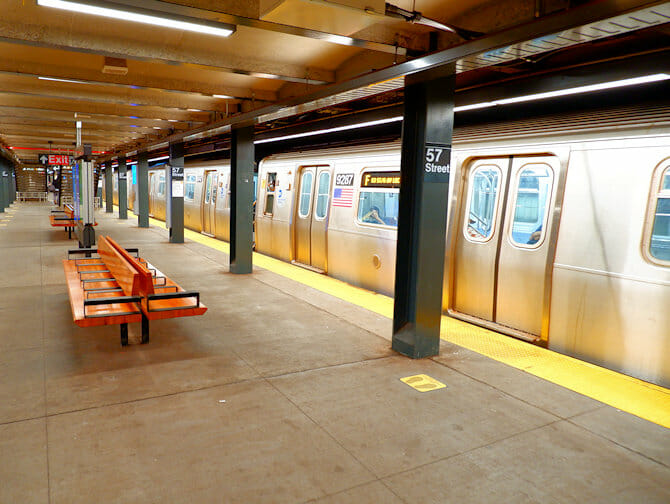
Etiquette and Safety on the Subway
- Stand Clear of the Doors: Always allow passengers to exit before attempting to board.
- Let Others Pass: On crowded trains, move to the center of the car to allow more people to board.
- Offer Seats: If you are able, offer your seat to elderly passengers, pregnant women, or those with disabilities.
- Be Aware of Your Surroundings: While the subway is generally safe, it’s always wise to be aware of your belongings and surroundings, especially during off-peak hours. Keep valuables secure and avoid displaying them openly.
- Mind the Gap: A classic New York phrase, and a real one! Be careful when stepping between the platform and the train.
By understanding the costs, the sheer reach of the network, and a few simple tips, your journey on the New York City Subway will be not just an economical way to travel, but a truly enriching part of your New York experience, connecting you directly to the pulse of this incredible city. Whether you’re looking for the best accommodations, planning your sightseeing, or simply want to experience authentic New York lifestyle, the subway is your key to unlocking it all.