
California, a land of unparalleled beauty, from the sun-drenched beaches of Southern California to the majestic peaks of the Sierra Nevada, beckons millions of travelers each year. Known for its vibrant culture, iconic landmarks, and diverse landscapes, the Golden State offers everything from the bustling urban energy of Los Angeles and San Francisco to the serene vineyards of Napa Valley and the pristine wilderness of Yosemite National Park. Whether you’re planning a luxurious escape, a budget-friendly family trip, or an extended stay for business, understanding the financial landscape is crucial. Beyond the cost of flights, hotels, and attractions, one significant factor often overlooked by visitors and prospective residents alike is the array of taxes that apply.
Navigating the tax system in [California] can seem daunting at first glance. It’s a topic that touches every aspect of travel, accommodation, and lifestyle, influencing everything from the price of your morning coffee in Beverly Hills to the nightly rate of a resort in Palm Springs. This comprehensive guide aims to demystify the various taxes you’ll encounter, providing clarity for anyone looking to explore, stay, or even relocate to this dynamic state. By shedding light on sales tax, lodging tax, transportation levies, and broader income and property tax considerations, we hope to equip you with the knowledge to budget effectively and enjoy your California experience to the fullest. Our focus will be primarily on the taxes relevant to tourists and those engaging in the state’s vibrant tourism and lifestyle offerings, ensuring you can plan your adventure with confidence and no hidden surprises.
Understanding California’s Tax Landscape for Visitors and Residents
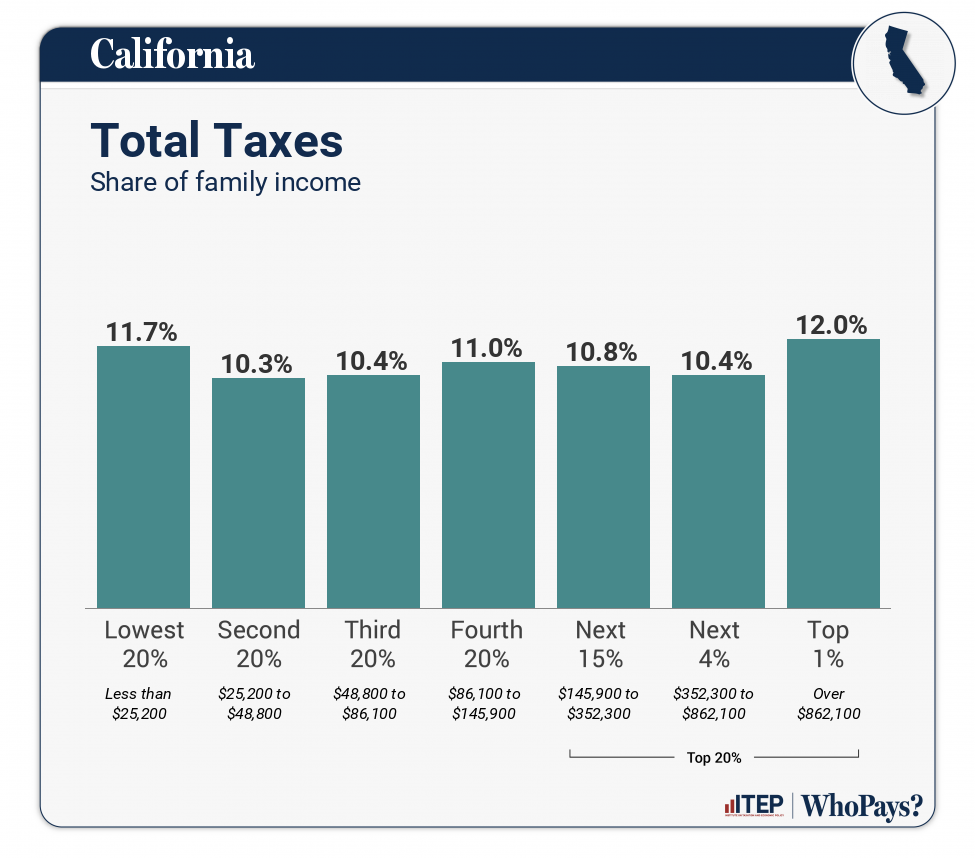
California’s tax structure is multi-faceted, designed to fund essential public services, infrastructure, and the diverse programs that enhance the quality of life for its residents and the experience for its visitors. For anyone exploring the state, from a quick weekend getaway to a longer sabbatical, certain taxes are almost unavoidable. Understanding these core levies is the first step in financial preparedness.
Sales Tax: The Everyday Essential
The most common tax you’ll encounter in [California] is sales tax. This tax is applied to the sale of most tangible goods, including souvenirs, clothing, electronics, and many prepared food items bought in restaurants or delis. The statewide base sales tax rate in [California] is 7.25%. However, this is just the starting point. Local jurisdictions, including cities and counties, have the authority to impose additional district sales taxes. This means the actual sales tax rate you pay can vary significantly depending on where you are in the state.
For example, while the base rate applies across the board, in cities like Los Angeles, San Francisco, and San Diego, the combined sales tax rate can climb to over 9% or even 10%. This variation is crucial for budgeting, especially if you plan on significant shopping excursions in areas like Rodeo Drive or the boutiques of Union Square. For instance, a $100 purchase in a city with a 7.25% sales tax will cost $107.25, but the same purchase in a 10% tax zone will set you back $110. It’s important to note that certain necessities, primarily unprepared food items bought at grocery stores, are typically exempt from sales tax, offering a slight reprieve for those preparing their own meals during their stay in a self-catering accommodation like an apartment or villa.
Transient Occupancy Tax (TOT): Your Hotel Stay Explained
One of the most significant taxes for travelers is the Transient Occupancy Tax (TOT), often referred to as a hotel tax or lodging tax. This tax is levied on the rent paid for temporary lodging in hotels, motels, inns, and other short-term accommodation options, including many vacation rentals. The TOT is a critical revenue source for local governments, funding essential services such as public safety, infrastructure improvements, and, notably, tourism promotion.
Like sales tax, the TOT rate varies considerably by city and county across [California]. There is no statewide TOT; rather, each local jurisdiction sets its own rate. Common rates range from 8% to 15%, but some cities may impose even higher percentages. For example, Anaheim, home to the Disneyland Resort, has a TOT that significantly impacts the cost of stays for families visiting the theme parks. San Francisco’s TOT can also be quite high, affecting business travelers and tourists exploring its iconic landmarks like the Golden Gate Bridge or Alcatraz Island. When booking your accommodation, it is crucial to check the specific TOT rate for your chosen city, as this can add a substantial amount to your overall budget, especially for longer stays or for luxury travel experiences in high-end resorts. Websites and booking platforms generally include this tax in the final price, but it’s always wise to confirm to avoid surprises.
Navigating Taxes on Travel and Leisure in the Golden State
Beyond the fundamental sales and lodging taxes, California imposes several other taxes that directly impact how you experience its vast destinations and attractions. From getting around to enjoying its renowned culinary scene, these levies are part of the true cost of your Golden State adventure.
Transportation Taxes: On the Road and Beyond
Exploring [California]’s diverse landscapes often involves extensive travel, whether by rental car, public transport, or rideshares. Several taxes and fees are embedded in these modes of transportation.
Gas Tax: If you plan on renting a car to drive along the scenic Pacific Coast Highway or explore the wine regions, you’ll encounter [California]’s relatively high gas tax. This tax is incorporated into the price per gallon at the pump and contributes to road maintenance and environmental initiatives. The state has one of the highest gas taxes in the United States, meaning fuel costs can add up quickly, especially on long road trips from San Diego to Lake Tahoe. Budgeting for fuel is essential for any itinerary involving significant driving.
Rental Car Fees and Taxes: Renting a vehicle in [California] comes with its own set of charges. Besides the base rental rate, you’ll typically pay sales tax on the rental, plus various local fees and surcharges that are specific to the rental car industry. These can include airport concession fees (if renting from an airport location), vehicle license recovery fees, and even tourism assessment fees. These surcharges are often a percentage of the rental cost or a flat daily rate and can significantly increase the total price of your rental car, which is a key component of many travel plans, particularly for those looking for the flexibility of self-guided tours. Always review the detailed breakdown of charges when booking a rental car to understand the full financial commitment.
Public Transportation: For those opting for eco-friendly travel or exploring urban centers like San Francisco or Los Angeles without a car, public transportation fares (buses, trains, subway, cable cars) generally do not have an explicit separate sales tax added at the point of purchase. The listed fare is usually the final price. However, the operational costs of these systems are often subsidized by various local taxes, meaning residents contribute indirectly. For visitors, the transparency of the fare makes budget travel planning simpler in this regard.
Dining and Entertainment: What to Expect at Checkout
Restaurant Tax (Sales Tax on Meals): When dining out, sales tax will be applied to your entire bill, including food and non-alcoholic beverages. As discussed, this rate will vary by city and county. Some municipalities might also impose a separate district tax or surcharge for specific services, though this is less common than the standard sales tax. Alcoholic beverages are also subject to sales tax, and sometimes additional excise taxes are embedded in their price, though these are typically accounted for by the vendor. Remember that gratuity (tip) for service staff is separate from taxes and is generally expected in the United States (15-20% is standard).
Entertainment and Attraction Taxes: The cost of admission tickets to most [California] attractions, such as Disneyland Resort, Universal Studios Hollywood, museums like the Getty Center, or a show at the Hollywood Bowl, generally includes sales tax in the advertised price or will have it added at checkout. Similar to other goods, this is the prevailing local sales tax rate. There aren’t usually separate “entertainment taxes” per se, beyond the standard sales tax applying to the purchase of the ticket itself. However, large venues or specific events might have additional “facility fees” or “service charges” that are not taxes but are part of the total cost. When booking online, ensure you review the final price breakdown before confirming your purchase to understand all components of the cost for your desired experiences.
Broader Tax Considerations and Lifestyle Implications
While the above taxes are most relevant to short-term visitors, those considering a longer stay in [California], perhaps for an extended sabbatical, remote work, or even eventual relocation, will encounter a broader spectrum of tax implications that touch upon different aspects of lifestyle and finance.
Income Tax in California: A Snapshot for Longer Stays
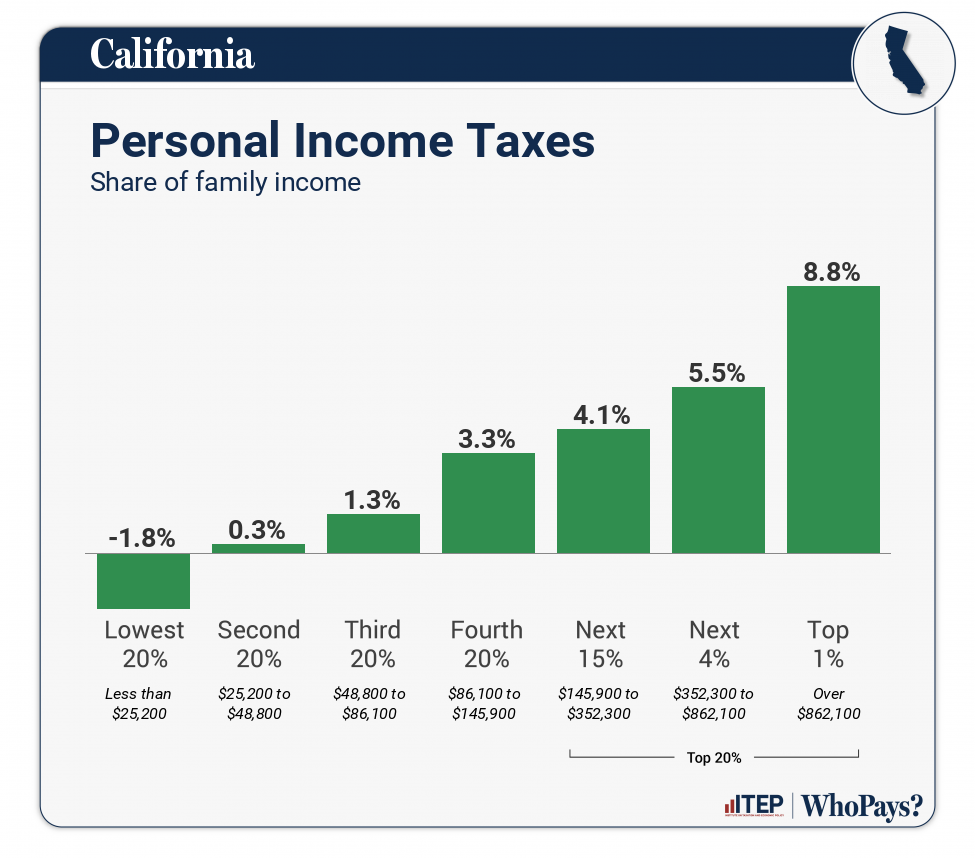
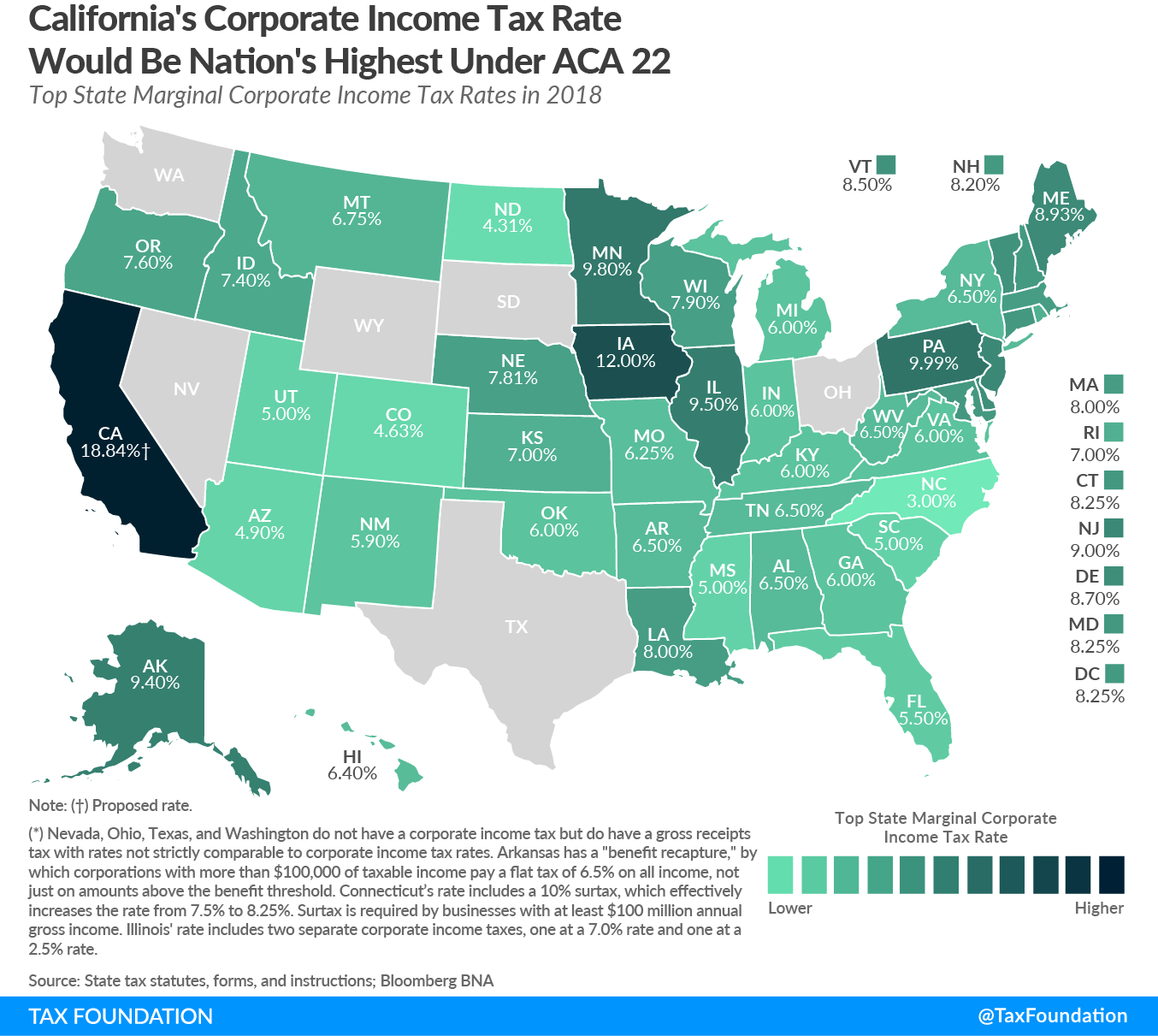
[California] has a progressive state income tax system, meaning higher earners pay a higher percentage of their income in taxes. The rates are among the highest in the United States, ranging from 1% to 12.3%, with an additional 1% surcharge on taxable incomes over $1 million for mental health services. This is a crucial consideration for anyone who establishes residency in [California] or earns income while physically present in the state, even for temporary work assignments.For tourists or short-term visitors who are not working in [California], state income tax generally won’t apply. However, if you’re exploring business stays or extended periods where you might work remotely for a [California]-based company or have income derived from sources within the state, understanding these rates is paramount. The nuances of residency for tax purposes can be complex, and it’s advisable to consult with a tax professional if you anticipate earning income or staying for an extended period (typically more than six months). This tax directly impacts the overall cost of living and the attractiveness of the state for long-term accommodation or relocation for many individuals.
Property Tax and Vehicle Registration: Beyond the Short Trip
For those contemplating a more permanent move or an extended stay that involves purchasing property or bringing a vehicle, property taxes and vehicle registration fees come into play.
Property Tax: [California]’s property tax system is governed by Proposition 13, which limits the maximum annual tax on real estate to 1% of its full cash value, plus voter-approved bonds and special assessments. The full cash value is generally determined by the purchase price of the property. While the 1% base rate seems modest, [California]’s high property values mean that annual property tax bills can still be substantial, especially in desirable areas like Orange County or the Bay Area. This is a primary consideration for anyone investing in vacation homes, long-term rentals, or residential property in the state, directly affecting the long-term financial viability of such accommodation options.
Vehicle Registration Fees: If you move to [California] and bring your car, or purchase one within the state, you’ll be subject to annual vehicle registration fees. These fees are determined by various factors, including the vehicle’s value, weight, and license plate type, and they contribute to state transportation projects and environmental programs. These are recurring costs that add to the overall lifestyle expenses for residents and long-term visitors who choose to have their own transportation.
The Impact of Taxes on California’s Tourism and Economy
It’s easy to view taxes as just an added cost, but they play a fundamental role in shaping the California experience, directly supporting the very tourism and lifestyle aspects that draw people to the state.
Funding the Golden State Experience
The revenues generated from sales tax, Transient Occupancy Tax (TOT), gas tax, and other levies are critical for maintaining and enhancing the infrastructure and services that both residents and visitors rely upon. This includes:
- Roads and Transportation: Gas taxes and vehicle fees contribute directly to the upkeep of [California]’s extensive highway system, vital for reaching its diverse destinations, from San Francisco to San Diego and beyond.
- Public Safety and Services: A portion of sales tax and TOT revenues funds local police, fire departments, and public health services, ensuring safety and well-being for everyone.
- Parks and Recreation: Taxes help maintain [California]’s magnificent state parks, beaches, and recreational facilities, which are major attractions for both locals and tourists seeking nature and outdoor experiences.
- Cultural and Tourism Promotion: Especially relevant to the TOT, these funds are often channeled back into local tourism boards and marketing efforts, helping to promote [California]’s attractions, support local arts and culture, and attract even more visitors. This directly benefits the hotel industry, local businesses, and the vibrant lifestyle that makes the state unique. For instance, the tax revenue from visitors to Anaheim helps to support the city’s infrastructure and services, enhancing the overall experience for those visiting the Disneyland Resort.
Budgeting for Your California Adventure
Understanding California’s tax structure empowers you to create a more accurate and realistic budget for your travel or stay.
- Research Local Rates: Before booking accommodation or planning major purchases, quickly check the local sales tax and TOT rates for the specific cities you plan to visit, such as Sacramento, Santa Barbara, or any city in the Bay Area.
- Factor in “Hidden” Costs: Remember that rental car fees and gas taxes can add up, especially on extended road trips exploring destinations like Big Sur or the Redwood National Park.
- Consider Long-Term Implications: If you’re pondering a longer stay, delve into the specifics of income and property taxes to fully grasp the financial commitment.
Ultimately, while taxes might seem like a mere financial burden, they are an intrinsic part of what makes California such a captivating and well-maintained destination. By understanding “how much tax in [California]?,” you’re not just preparing your wallet, but also gaining insight into the economic fabric that supports the very travel, tourism, and lifestyle experiences that define the Golden State. With this knowledge, you can confidently plan your visit, make informed decisions, and immerse yourself fully in all the wonders that California has to offer, from the Hollywood Walk of Fame to the tranquil shores of Lake Tahoe. Enjoy your journey through one of the most exciting and diverse states in the United States!
LifeOutOfTheBox is a participant in the Amazon Services LLC Associates Program, an affiliate advertising program designed to provide a means for sites to earn advertising fees by advertising and linking to Amazon.com. Amazon, the Amazon logo, AmazonSupply, and the AmazonSupply logo are trademarks of Amazon.com, Inc. or its affiliates. As an Amazon Associate we earn affiliate commissions from qualifying purchases.