
New York City – often hailed as the “Capital of the World” – is a global epicenter for culture, finance, fashion, and an unparalleled travel experience. From the glittering lights of Times Square to the serene pathways of Central Park, the city offers an endless array of attractions, luxurious hotels, diverse culinary delights, and unforgettable memories. However, as with any major metropolitan area, especially one with such a high cost of living and a vast array of public services, understanding the tax landscape is crucial for both visitors and those contemplating a longer stay or even making the Big Apple their home.
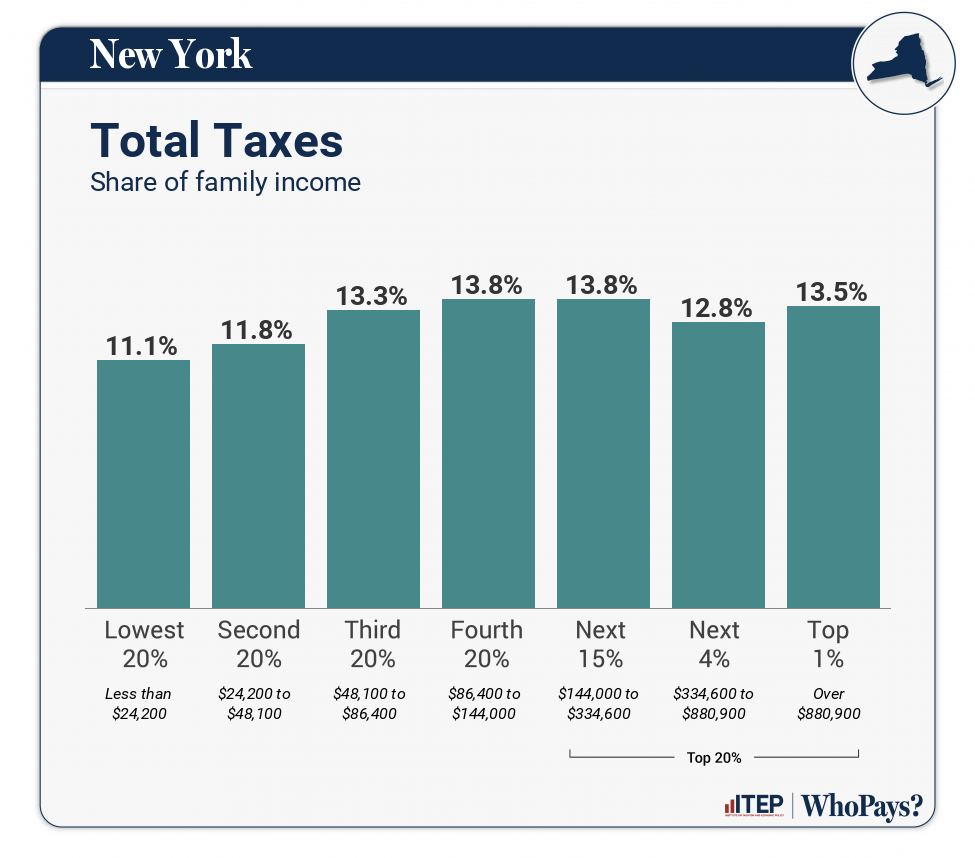
The question of “how much tax in New York City?” is multifaceted, touching upon various aspects of daily life, from booking a hotel room and dining out to shopping for souvenirs or even purchasing property. Taxes in New York City are levied at multiple levels: federal, New York State, and New York City itself. This complex layering means that nearly every transaction and income stream is subject to some form of taxation. For tourists planning their dream vacation, comprehending accommodation and sales taxes is paramount for effective budgeting. For digital nomads considering an extended stay or individuals relocating for work, a deeper dive into income and property taxes becomes essential. This comprehensive guide aims to demystify the tax structure in New York City, providing clarity and helping you budget wisely for your visit or residency, ensuring your experience in this vibrant metropolis is as smooth and enjoyable as possible. Whether you’re planning a lavish getaway, a budget-friendly adventure, or exploring long-term accommodation options, navigating the financial aspects, including taxes, is key to a rewarding New York City lifestyle.
Navigating Accommodation Taxes in the Big Apple
For most visitors to New York City, the first significant encounter with local taxes often comes with booking accommodation. Whether you opt for a luxurious suite at The Plaza Hotel, a charming boutique hotel in Greenwich Village, or a more budget-friendly option, hotel taxes can add a substantial amount to your overall bill. Understanding these charges is vital for accurate budgeting and avoiding any unpleasant surprises during your trip. New York City’s hotel tax structure is a combination of New York State sales tax, New York City hotel occupancy tax, and a smaller daily unit fee.
Hotel Occupancy Tax Explained
When you book a hotel room, expect to see several distinct tax line items. First, there’s the standard New York State sales tax, which currently stands at 4%. This is applied to most goods and services across the state, and hotel rooms are no exception. On top of this, New York City imposes its own hotel room occupancy tax, which is 5.875% of the room rate. Finally, there’s a specific daily unit fee of $1.50 per room per night.
Let’s put this into perspective with an example: If you book a hotel room for $300 per night, the breakdown would look something like this:
- Room Rate: $300.00
- New York State Sales Tax (4%): $12.00
- New York City Hotel Occupancy Tax (5.875%): $17.63
- Daily Unit Fee: $1.50
- Total Taxes per night: $31.13
- Total Cost per night: $331.13
This means that for a standard $300 room, you’re looking at an additional $31.13 in taxes, bringing the total tax rate to over 10% of the room price, plus the flat fee. Over a week-long stay, these charges accumulate significantly, underscoring the importance of factoring them into your accommodation budget. Many luxury hotels, such as the St. Regis Hotel or the Mandarin Oriental, New York, might have higher base rates, leading to higher absolute tax amounts.
Short-Term Rentals and Their Tax Implications
The rise of platforms like Airbnb has revolutionized accommodation options, offering everything from quaint apartments in Brooklyn to stylish lofts in SoHo. However, New York City has some of the strictest regulations in the United States regarding short-term rentals, especially for entire apartments when the host is not present. Legally, most short-term rentals of entire apartments for less than 30 days are prohibited in multi-unit buildings if the primary resident is not present. This has impacted the availability and legality of many typical Airbnb listings.
For legally operating short-term rentals, such as those in single-family homes or situations where the host is present, the same general tax rules apply as to hotels. Hosts are typically required to collect and remit both the New York State sales tax and the New York City hotel occupancy tax. The daily unit fee may also apply, depending on the specific rental type and duration. Many platforms now automatically collect and remit these taxes on behalf of hosts, but it’s always wise to check the detailed breakdown of charges before confirming your booking. When looking for accommodation, especially for longer stays that might fall under “long-term stay” categories, be aware of the specific legal framework to ensure a hassle-free experience.
Understanding Sales Tax on Goods and Services
Beyond accommodation, the most ubiquitous tax you’ll encounter as a visitor or resident in New York City is sales tax. This tax is applied to most retail purchases and a variety of services, forming a significant portion of the city and state’s revenue. From picking up groceries to splurging on designer items on Fifth Avenue, sales tax will be a consistent factor in your spending.
The Standard Sales Tax Rate
The combined sales tax rate in New York City is currently 8.875%. This rate is a composite of the 4% New York State sales tax, a 4.5% New York City local sales tax, and a 0.375% Metropolitan Commuter Transportation District (MCTD) surcharge. This means that for every $100 you spend on taxable goods or services, you’ll pay an additional $8.88 in tax.
However, there are notable exemptions that can help travelers and residents save money:
- Clothing and Footwear: One of the most beloved exemptions for shoppers is on clothing and footwear items. Individual items of clothing and footwear costing less than $110 are exempt from both New York State and New York City sales tax. This is a significant perk for those planning a shopping spree in districts like SoHo or department stores around Herald Square. If an item costs $110 or more, the entire purchase price is subject to the full 8.875% sales tax.
- Most Food Purchases: Basic groceries and unprepared food items sold for home consumption are generally exempt from sales tax. This includes items bought at supermarkets, bodegas, or farmers’ markets. However, prepared food, restaurant meals, and certain beverages are typically taxable.
For example, if you buy a $105 pair of shoes, you pay no sales tax. If you buy a $115 jacket, you pay 8.875% on the full $115. This rule is crucial to remember, especially when budgeting for fashion and retail therapy, which is a significant part of the New York City lifestyle experience. Whether you’re browsing luxury boutiques or searching for unique finds, these tax nuances impact your final cost.
Dining Out and Entertainment Taxes
New York City is a culinary paradise, boasting everything from Michelin-starred restaurants to bustling street food vendors. When dining out, prepared food and restaurant meals are subject to the full 8.875% sales tax. This applies whether you’re enjoying a gourmet meal in Manhattan or grabbing a quick bite from a deli. Alcohol purchased at restaurants or bars is also subject to this sales tax. Tips for service staff are not taxed but are, of course, a customary and expected part of the dining experience, typically ranging from 15% to 20%.
Beyond dining, New York City offers an unparalleled array of entertainment options. Tickets for Broadway shows, concerts at Madison Square Garden or Radio City Music Hall, sporting events, and many other forms of live entertainment are generally subject to sales tax. This also extends to tickets for cultural attractions and museums. For instance, while some smaller museums might be exempt or offer free admission days, tickets to major institutions like the Metropolitan Museum of Art, the Museum of Modern Art (MoMA), or the American Museum of Natural History often include sales tax in their price.
When booking tours, experiences, or activities, it’s advisable to check whether the listed price includes all applicable taxes, as this can vary by provider. Many online booking platforms and tour operators will specify the tax breakdown during the checkout process. Integrating the costs of dining and entertainment, including their respective taxes, into your overall travel budget is crucial for a complete and enjoyable New York City experience.
Broader Tax Considerations for Living and Long-Term Stays
While visitors primarily focus on accommodation and sales taxes, those contemplating a move to New York City or an extended stay will need to understand a broader spectrum of taxes. The city’s financial landscape for residents includes income tax, property tax, and a variety of other fees and levies that contribute to the overall cost of living and maintaining the city’s extensive infrastructure and services. This is particularly relevant for individuals considering long-term accommodation, career opportunities, or adopting a true New York City lifestyle.
Income Tax: State and City Levies
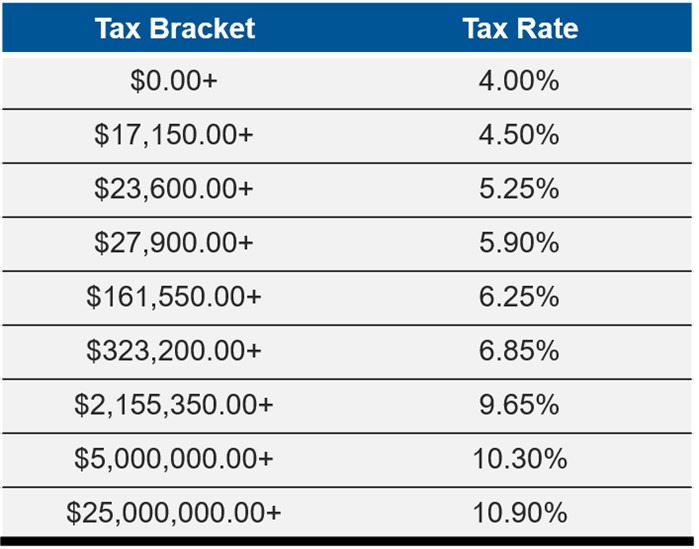
One of the most significant differences for residents versus visitors is the imposition of income tax. As a resident of New York City, you are subject to federal, New York State, and New York City income taxes. This triple layer of taxation makes income tax in New York City among the highest in the United States.
- Federal Income Tax: This is levied by the United States government and is progressive, meaning higher earners pay a larger percentage of their income in taxes. Rates vary based on income brackets and filing status.
- New York State Income Tax: New York State also has a progressive income tax system. Rates generally range from approximately 4% to over 10% for the highest earners.
- New York City Income Tax: Unique among most major United States cities, New York City imposes its own municipal income tax. These rates are also progressive and typically range from around 3% to nearly 4% for top earners.
When combined, these taxes can significantly impact a resident’s take-home pay. It’s crucial for anyone considering a move to factor in all three layers of income tax when evaluating potential salaries and budgeting for living expenses in Manhattan, Brooklyn, or other boroughs.
Property Tax Insights
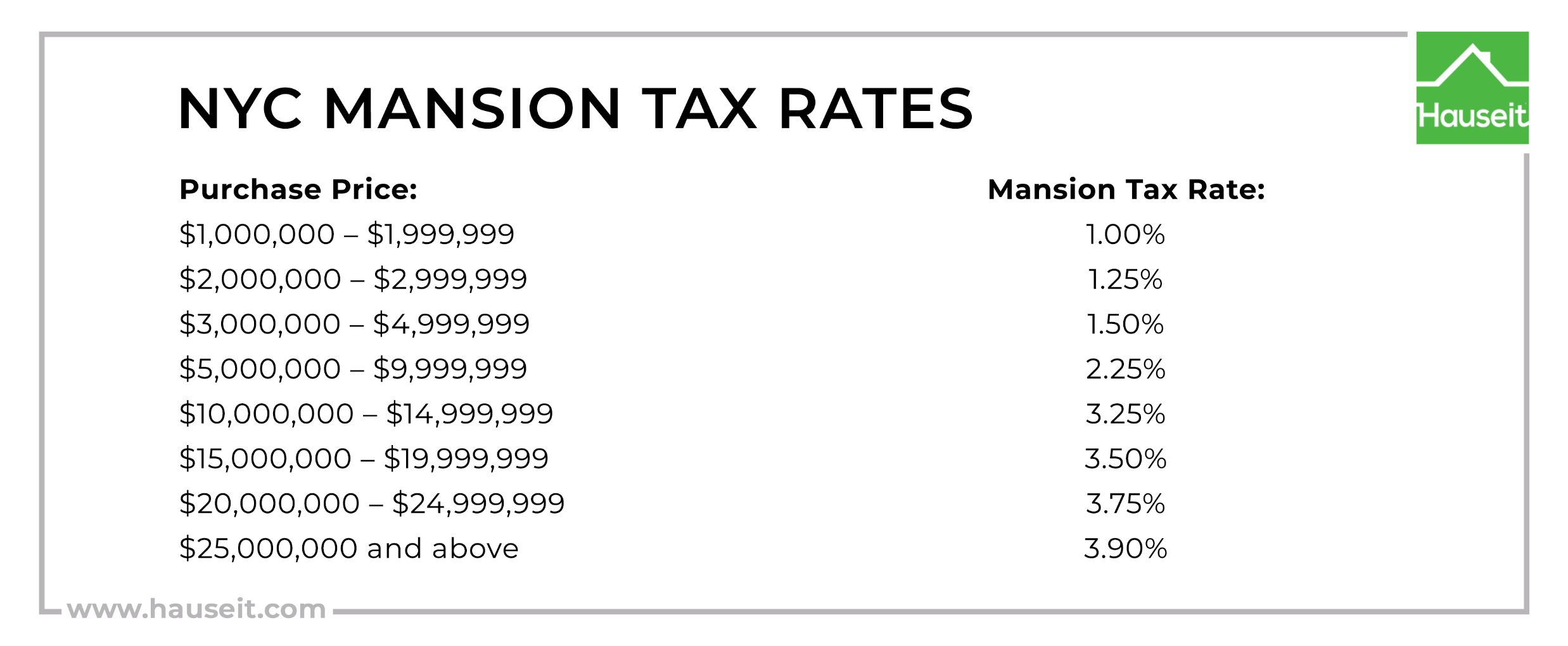
For homeowners or those who rent from landlords, property taxes are another substantial cost. Property taxes in New York City are locally assessed and collected by the Department of Finance. They are levied on real estate and are a primary funding source for local services such as schools, sanitation, and public safety. The amount of property tax depends on the assessed value of the property and the tax rate set by the city.
New York City has a complex system for property assessment, categorizing properties into different classes (e.g., residential, commercial) with varying rules and rates. While residents don’t directly pay property tax if they are renters, these costs are invariably factored into rent prices. Therefore, the notoriously high rents in New York City are, in part, a reflection of the significant property tax burden on landlords and property owners. Understanding this helps paint a clearer picture of the overall cost of accommodation in the city, whether you’re staying for a few months or planning a permanent move.
Other Taxes Affecting Your New York Experience
Beyond the major categories, several other taxes and fees can impact your spending in New York City, particularly if you’re exploring beyond public transit or consuming specific goods.
- Car Rental Tax: If you decide to rent a car for a day trip out of the city or for specific needs, be prepared for additional taxes. In addition to the standard sales tax, New York State imposes an extra fee on car rentals, which can add a notable percentage to the rental cost. Rideshare services like Uber and Lyft also have various surcharges and fees, particularly for trips to and from airports.
- Parking Tax: Driving and parking in New York City are notoriously expensive. On top of high parking rates, the city levies a parking tax. This is often an additional 18.375% on parking garage fees in Manhattan below 96th Street, with slightly lower rates in other boroughs.
- Alcohol and Tobacco Taxes: Like many jurisdictions, New York State and New York City levy “sin taxes” on alcohol and tobacco products. These excise taxes are included in the retail price of these goods, contributing to their higher cost compared to other states.
- MTA Fares: While not strictly a tax, the cost of using the Metropolitan Transportation Authority (MTA) – including subway and bus fares – is a significant and recurring expense for everyone in New York City. These fares are essential for navigating the city and visiting landmarks like the Statue of Liberty, the Empire State Building, or crossing the Brooklyn Bridge. Though not a tax, these costs need to be factored into any travel budget.
In conclusion, the tax structure in New York City is comprehensive and impacts almost every aspect of a visit or residency. From the moment you book your hotel or short-term rental to every purchase you make, and especially if you earn income or own property, taxes are an inherent part of the New York City experience. While the various levies may seem daunting, understanding them allows for better financial planning and a more relaxed enjoyment of all that this incredible city has to offer. Whether you’re here for world-class tourism, luxury travel, or a permanent lifestyle change, budgeting for taxes ensures that you can fully immerse yourself in the dynamism and unique culture of New York City without financial surprises.
LifeOutOfTheBox is a participant in the Amazon Services LLC Associates Program, an affiliate advertising program designed to provide a means for sites to earn advertising fees by advertising and linking to Amazon.com. Amazon, the Amazon logo, AmazonSupply, and the AmazonSupply logo are trademarks of Amazon.com, Inc. or its affiliates. As an Amazon Associate we earn affiliate commissions from qualifying purchases.