
New York City is undeniably one of the world’s most captivating destinations, a vibrant tapestry of culture, commerce, and unparalleled experiences. From the iconic landmarks like the Statue of Liberty and the Empire State Building to the glittering spectacle of Broadway and the tranquil beauty of Central Park, the Big Apple offers something for every traveler. However, like any major global hub, navigating the financial aspects of a visit – especially understanding the tax landscape – is crucial for a smooth and enjoyable trip. Beyond the upfront costs of flights, accommodation, and attractions, various taxes can significantly impact your overall budget. This comprehensive guide will illuminate the different taxes you’ll encounter in New York City, helping you budget smarter and enjoy your stay without unexpected financial surprises.
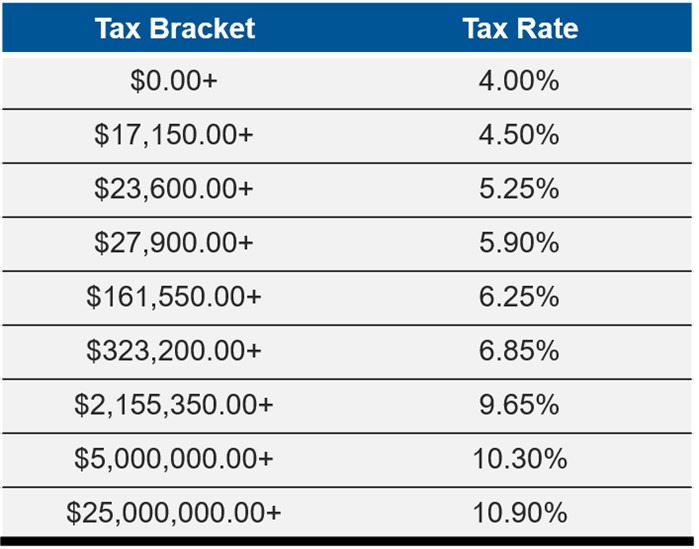
Understanding the tax structure isn’t just about saving money; it’s about making informed choices that align with your travel style, whether you’re a luxury seeker, a budget-conscious explorer, a family on vacation, or a business traveler. From the moment you book your flight to the last souvenir purchase, taxes will play a role, and knowing what to expect is key to a stress-free New York City adventure.
Understanding the Tax Landscape for Visitors in New York City
New York City operates under a complex system of state and local taxes, each designed to fund various public services and infrastructure projects. For visitors, the most noticeable taxes will typically fall into categories like sales tax, accommodation tax, and potentially taxes on entertainment or certain services. These aren’t just minor additions; they can add a substantial percentage to your expenditures, making it essential to factor them into your initial budget planning. Ignoring them can lead to overspending or cutting short other desired experiences.
The dynamic nature of New York City means that prices for almost everything, from a five-star hotel suite to a casual meal, reflect the city’s premium status. Taxes are an additional layer on top of these base prices. For instance, a luxurious stay at a renowned property like The Plaza Hotel or a more business-oriented stay at the Grand Hyatt Hotel will see these taxes escalate the final bill considerably. Conversely, even budget accommodations or modest dining experiences will still incur these charges. Planning your trip with a clear understanding of these financial realities will allow you to allocate funds effectively, ensuring you can splurge on that Broadway show or a gourmet meal without fretting over an unexpected tax bill.
The Ever-Present Sales Tax: What You’ll Pay for Goods and Services
Sales tax is arguably the most ubiquitous tax you’ll encounter during your visit to New York City. It applies to most retail purchases and many services, and it’s critical to understand its rate and what it covers. In New York City, the combined sales tax rate is 8.875%. This is composed of the 4% New York State sales tax, the 4.5% New York City sales tax, and a 0.375% Metropolitan Commuter Transportation District (MCTD) surcharge.
This 8.875% tax will be added to nearly everything you buy, from souvenirs at Times Square to designer clothes in SoHo, electronics, and even most restaurant meals. When you see a price tag in a store or a menu item at a restaurant, remember that the final amount you pay at the register or on your bill will include this additional percentage. For example, a $100 souvenir would cost you $108.88. A $50 meal will come to $54.44 before tip. These small additions can quickly accumulate, especially if you plan on doing a lot of shopping or dining out.
However, there’s one significant exemption that can benefit shoppers: clothing and footwear. In New York City, individual items of clothing or footwear costing less than $110 are exempt from the 4% New York State sales tax, the 4.5% New York City sales tax, and the 0.375% MCTD sales tax. This means that for items under $110, you pay no sales tax at all! If an item costs $110 or more, the full 8.875% sales tax applies. This is a considerable advantage, particularly for travelers looking to update their wardrobe, and it’s a detail worth remembering when planning your shopping excursions in the city. Other specific exemptions might include certain food items bought at grocery stores for home consumption (though prepared food from restaurants or delis is generally taxed). For those on a budget, being mindful of these exemptions can help stretch your spending power.
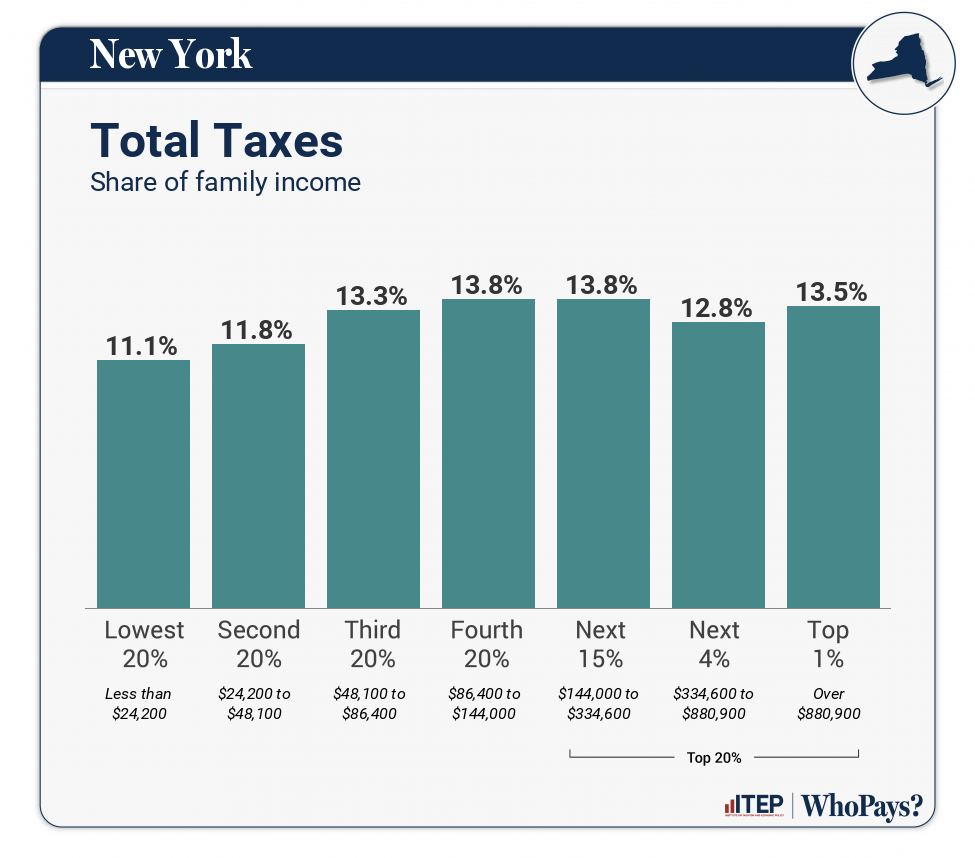
Accommodation Taxes: A Significant Factor in Your Stay
For most visitors, accommodation is one of the largest expenses, and unfortunately, it’s also subject to a combination of taxes that can inflate the advertised room rate considerably. Whether you opt for a luxury suite overlooking Central Park, a cozy boutique hotel in the Village, or a short-term rental through a platform like Airbnb, understanding these taxes is paramount. They often come as a surprise to travelers who only budget for the base nightly rate, leading to an unwelcome addition to their final bill upon checkout.
These taxes are particularly relevant for travelers considering different types of accommodation. A business traveler might be less sensitive to the added cost, but a family planning a longer stay or a budget traveler trying to optimize every dollar will find these taxes demand careful consideration. The cumulative effect over multiple nights can be quite substantial, underscoring the importance of always looking at the “total price” when comparing booking options.
Hotel Occupancy Tax: A Core Component of Your Room Rate
When booking a hotel room in New York City, you’ll encounter a combination of taxes that significantly add to the base price. The primary components are:
- New York City Hotel Room Occupancy Tax: This is a rate of 5.875% of the room charge.
- New York State Sales Tax: A 4% sales tax is also applied to the room charge.
- New York City Per-Room, Per-Night Occupancy Tax: An additional flat fee of $1.50 per room, per night.
Let’s illustrate with an example. Imagine you’ve found a hotel room for $300 per night.
- Base room rate: $300.00
- New York City Hotel Room Occupancy Tax (5.875% of $300): $17.63
- New York State Sales Tax (4% of $300): $12.00
- New York City Per-Room, Per-Night Occupancy Tax: $1.50
- Total Taxes per night: $31.13
- Total Cost per night: $331.13
So, for a five-night stay, your base room rate of $1500 would actually cost you $1655.65 (before any resort fees or incidentals), representing over $150 in taxes alone. This significant addition can influence your choice of hotel or the length of your stay. When comparing hotels, always ensure you’re looking at the total price, including all taxes and fees, to get an accurate picture of your expenditure. Many online booking platforms will display this total cost, but it’s always wise to double-check.
Short-Term Rentals and Alternative Accommodations: What to Expect
The rise of platforms like Airbnb and other vacation rental services has provided travelers with more diverse accommodation options in New York City. However, the tax situation for these types of rentals can be complex and depends heavily on the duration of your stay and the specific regulations governing the rental.
Generally, for short-term rentals (typically less than 30 consecutive days), many are subject to the same hotel occupancy taxes as traditional hotels. This means the 5.875% New York City occupancy tax, the 4% New York State sales tax, and the $1.50 per-room, per-night fee often apply. Platforms like Airbnb have typically integrated these taxes into their pricing models for eligible listings in New York City, collecting and remitting them on behalf of the hosts. Always verify the total cost, including all taxes and fees, before confirming your booking on any platform.
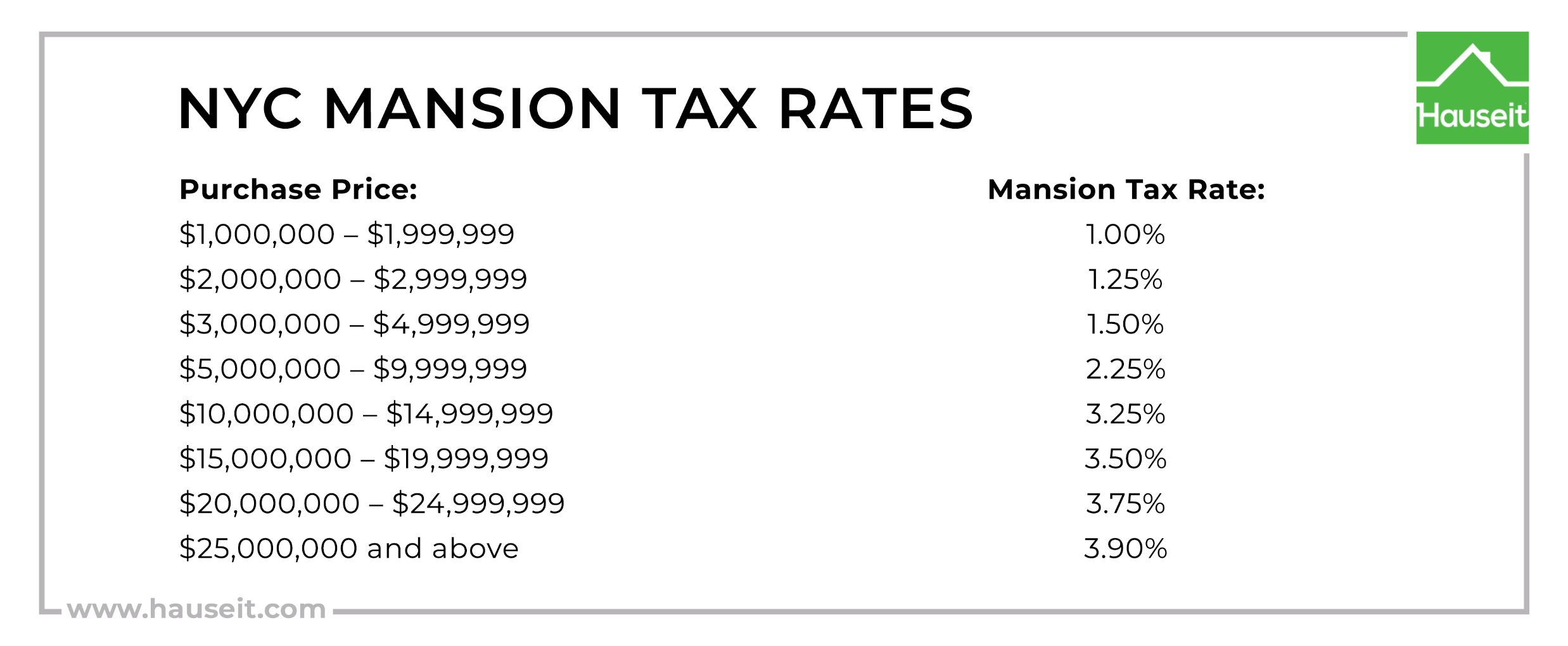
A notable exception exists for longer stays. If you book an accommodation (whether a hotel or a short-term rental) for 30 consecutive days or more, you are generally exempt from the New York City Hotel Room Occupancy Tax and the New York State Sales Tax on the room rate. This makes extended stays significantly more affordable from a tax perspective and is a crucial detail for digital nomads, students, or those considering long-term visits for business or leisure. Always confirm this with your host or hotel directly, as rules can sometimes vary or require specific documentation. For those planning an extended experience in the city, this exemption can lead to substantial savings, making a long-term stay a more attractive and viable option.
Beyond Sales and Stays: Other Taxes to Consider
While sales tax and accommodation taxes will likely be your most frequent encounters, New York City has other levies that can add to your overall travel expenses. These might not be as universally applied, but they are important to consider depending on your planned activities and how you choose to explore the city.
For travelers focused on specific experiences such as catching a concert at Radio City Music Hall, attending a sporting event, or indulging in fine dining, these additional taxes can impact the perceived value and final cost of these experiences. Being aware of them allows for more precise budgeting and prevents any unpleasant surprises when settling bills.
Entertainment and Activity Taxes: Fun Comes with a Price Tag
New York City’s entertainment scene is world-class, from Broadway shows to concerts, sporting events, and cultural institutions like the Metropolitan Museum of Art or the Museum of Modern Art. Most tickets for these events and attractions will be subject to the standard 8.875% New York State and New York City sales tax. This means that if a Broadway ticket is advertised at $150, you’ll actually pay approximately $163.31 for it.
Beyond standard sales tax, there can be additional service fees or facility charges levied by venues, which, while not always strictly “taxes,” function similarly by increasing the total cost. These charges are usually disclosed during the purchase process, especially when buying tickets online. Some specific events or venues might also have unique surcharges. When budgeting for entertainment, it’s always best to assume that the advertised price is not the final price and to factor in the sales tax and any booking fees. This foresight is particularly useful for popular attractions or high-demand shows, where every dollar counts.
Transportation Taxes: Getting Around the Big Apple
Navigating New York City can be done via its extensive subway system, iconic yellow cabs, or ride-sharing services. While subway fares are typically a flat rate without additional sales tax, other forms of transportation can incur various fees and taxes.
- Taxis: Standard yellow cab fares are regulated, and while the meter displays the fare, surcharges might be added, such as a state tax surcharge (currently $0.50 per ride) and potentially a peak-hour surcharge. These are often integrated into the final fare calculation shown by the meter or driver, so you might not see them itemized as a “tax” but as part of the total.
- Ride-Sharing Services: Services like Uber and Lyft operate with their own pricing structures, which typically include base fares, per-mile/per-minute rates, and various fees (booking fees, service fees, airport fees). In New York City, ride-sharing trips are also subject to a supplemental tax of $2.75 per trip for rides in certain areas (primarily Manhattan below 96th Street). This can add up, especially for frequent users. The good news is that these services usually show the estimated total cost, including all taxes and fees, before you confirm your ride.
- Airport Transfers: When arriving or departing from airports like JFK or LaGuardia, expect additional airport access fees or surcharges on top of standard taxi or ride-share fares. These are specific charges levied by the port authority to fund airport operations and improvements. For example, a flat fare yellow cab ride to or from JFK to Manhattan includes various tolls and surcharges that increase the final price significantly beyond just the metered fare.
Budgeting for Taxes: Smart Strategies for Your New York City Trip
Successfully navigating the financial aspects of a New York City trip requires proactive planning and a clear understanding of the tax implications. By integrating tax considerations into your budgeting process from the outset, you can avoid common pitfalls and ensure your trip is as enjoyable and stress-free as possible. This approach allows you to fully immerse yourself in the city’s unique charm, from the bustling streets of Times Square to the serene paths of Central Park, without worrying about unexpected costs.
First and foremost, always factor taxes into your budget. When researching hotel prices, attraction tickets, or even estimated dining costs, mentally (or physically) add the relevant tax percentages. For hotels, remember the combined percentage (around 14.875% plus $1.50 per night), and for most other purchases, use the 8.875% sales tax rate. Many online travel agencies and booking sites will show you the “total price” inclusive of taxes and fees, which is the most reliable figure to use for planning your accommodation budget.
For accommodations, if you’re planning a longer visit for tourism, business, or lifestyle exploration, investigate the benefits of booking stays of 30 consecutive days or more to potentially exempt yourself from the significant hotel occupancy and state sales taxes. This can lead to substantial savings, making a longer immersion in New York City’s culture and daily life more financially viable. Always confirm the tax exemption details with the property or rental platform before booking.
When it comes to shopping, remember the clothing and footwear sales tax exemption for items under $110. This is a fantastic opportunity for budget travelers and fashion enthusiasts alike. If you’re buying multiple items, consider purchasing them separately if each item falls below the $110 threshold, rather than in a single transaction that might push the total over. This small strategy can lead to noticeable savings on your shopping sprees.
Dining out is a quintessential New York City experience, but remember that the 8.875% sales tax applies to most prepared food and restaurant meals. Additionally, tipping culture is very strong in the United States, and in New York City, a standard tip for good service often ranges from 18-20% or more. Factor both the sales tax and your intended tip percentage into your meal budget to avoid sticker shock. Consider taking advantage of New York City’s abundant delis and grocery stores for some meals, as many essential food items for home consumption are tax-exempt. This can be a significant cost-saving measure, especially for families or long-term visitors.
Finally, for transportation, while the subway offers excellent value and is largely tax-free beyond the fare, be mindful of the added fees and taxes for taxis and ride-sharing services like Uber and Lyft, particularly for trips within Manhattan or to/from airports. Comparing costs between different options, including public transit, can help you manage your budget effectively.
By understanding the various taxes and applying these smart budgeting strategies, your New York City experience will be financially transparent and thoroughly enjoyable. From the iconic sights to the hidden gems, the Big Apple awaits, and with a little preparation, you can savor every moment without any unwanted tax surprises.
LifeOutOfTheBox is a participant in the Amazon Services LLC Associates Program, an affiliate advertising program designed to provide a means for sites to earn advertising fees by advertising and linking to Amazon.com. Amazon, the Amazon logo, AmazonSupply, and the AmazonSupply logo are trademarks of Amazon.com, Inc. or its affiliates. As an Amazon Associate we earn affiliate commissions from qualifying purchases.