
Florida, often celebrated as the Sunshine State, beckons millions each year with its pristine beaches, world-class theme parks, and vibrant cultural scenes. From the bustling metropolis of Miami to the enchanting magic of Orlando and the tranquil beauty of the Florida Keys, it’s a destination that perfectly blends relaxation with adventure. But beyond the allure of its attractions and experiences, Florida also holds a unique financial appeal, particularly when it comes to taxes. For anyone considering a move to this tropical paradise, a long-term stay, remote work, or simply planning an extensive vacation, understanding the tax landscape is crucial.
The question of “how much taxes are taken out of paychecks in Florida?” isn’t just for residents; it’s a critical piece of information for digital nomads, seasonal workers, and even savvy travelers who want to maximize their disposable income for more travel and luxury experiences. The state’s approach to taxation significantly impacts the cost of living, the affordability of a dream lifestyle, and the overall budget for your next Floridian adventure. Unlike many other states, Florida boasts a distinct tax structure that can translate into more money in your pocket, freeing up funds for exploring hidden gems, indulging in gourmet dining, or extending your stay at a luxurious resort. This comprehensive guide delves into the specifics of paycheck deductions in Florida, exploring what you pay, what you save, and how this unique tax environment shapes the ultimate Florida lifestyle.
Unpacking the Florida Paycheck: What You Don’t Pay
One of the most significant draws of Florida for individuals and businesses alike is its favorable income tax policy. This policy has far-reaching implications, not just for those who call Florida home year-round, but also for the transient population of remote workers, snowbirds, and long-term visitors who contribute to its vibrant economy. Understanding this crucial difference is key to appreciating the true financial advantage of living or working in the Sunshine State.
The Sunshine State’s Income Tax Advantage
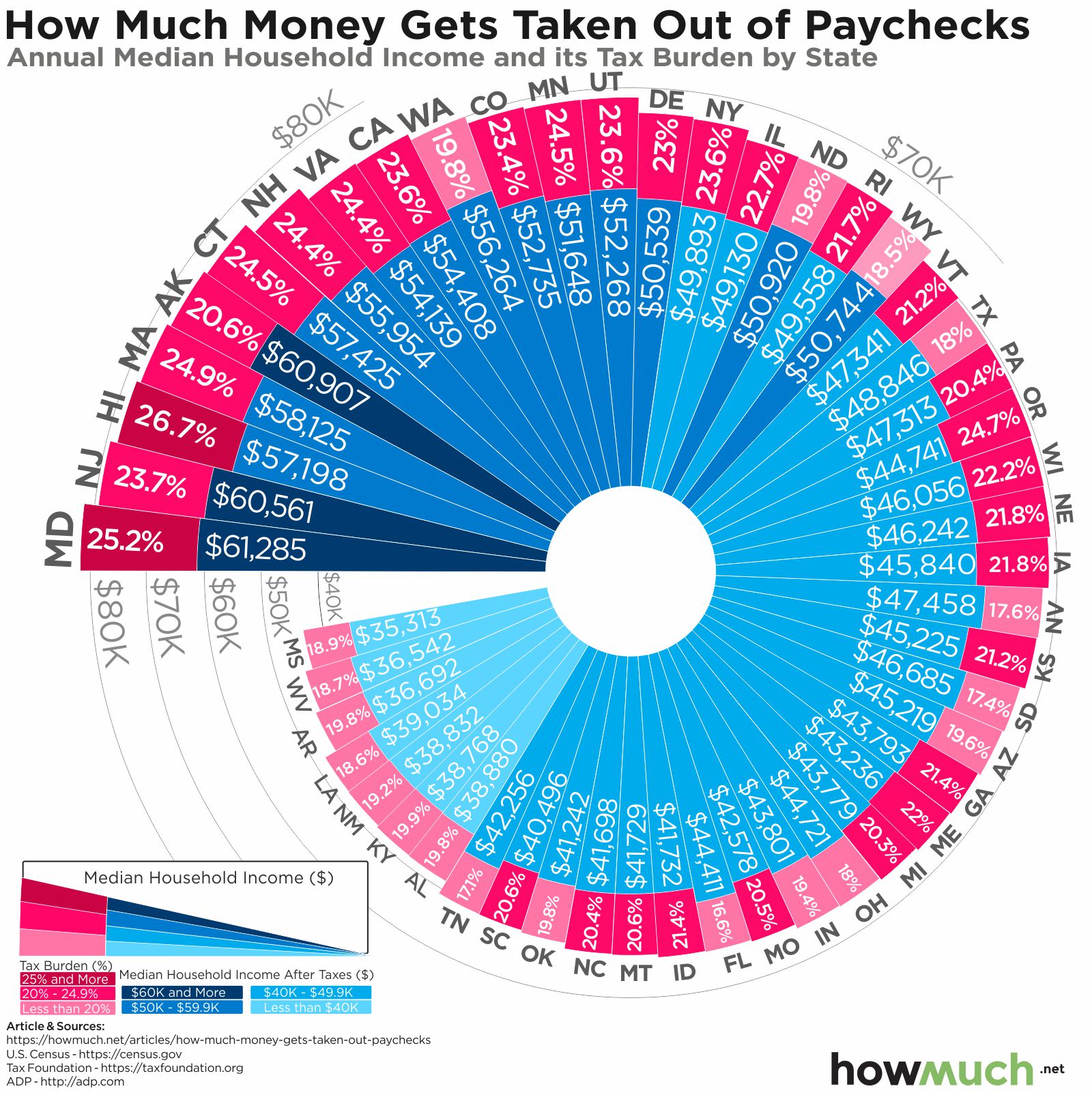
The most impactful aspect of a Florida paycheck is what’s missing: state income tax. That’s right – Florida is one of only a handful of U.S. states that does not levy a state income tax on its residents’ wages. This means that after federal deductions, your take-home pay can be significantly higher compared to someone earning the same salary in a state like California or New York. For many, this translates directly into a higher disposable income, which can be channeled into a variety of lifestyle enhancements. Imagine the extra funds available for exploring the diverse ecosystems of Everglades National Park, taking a luxury cruise from Port Canaveral, or extending your stay at a charming boutique hotel in St. Augustine.
For remote workers considering a relocation or individuals planning a long-term stay, the absence of state income tax is a game-changer. It means more of your hard-earned money stays with you, enhancing your ability to invest in experiences, accommodations, and local culture that define the Florida lifestyle. This financial benefit is a strong incentive for those seeking a better work-life balance, allowing them to truly embrace the leisure and amenities that Florida offers. It supports a diverse population, from retirees seeking comfortable golden years to young professionals building careers in burgeoning tech hubs like Tampa or Jacksonville, all benefiting from a tax environment that prioritizes individual wealth retention.
Federal Obligations: The Universal Deductions
While Florida offers a state income tax advantage, it’s essential to remember that certain deductions are universal across the United States. These are federal taxes that are withheld from nearly every paycheck, regardless of which state you reside in. The primary federal deductions include:
- Federal Income Tax: This is the largest deduction and is progressive, meaning higher earners pay a larger percentage. The amount withheld depends on your income, filing status, and the information you provide on your W-4 form. For travelers and those on extended stays, accurately filling out your W-4 is important to avoid under or over-withholding, which can impact your budget for future adventures.
- Social Security Tax: This funds the Social Security program, which provides benefits for retirees, disabled workers, and survivors. As of current regulations, employees contribute 6.2% of their earnings up to an annual wage cap.
- Medicare Tax: This funds the Medicare program, which provides health insurance for individuals aged 65 or older, and younger people with certain disabilities. Employees contribute 1.45% of all earned wages, with no income cap.
- FICA Taxes: Social Security and Medicare taxes are collectively known as Federal Insurance Contributions Act (FICA) taxes. Your employer also contributes an equal amount on your behalf.
These federal taxes are non-negotiable and will be deducted from your paycheck whether you’re working at a hotel in South Beach, a theme park in Orlando, or a corporate office in Fort Lauderdale. However, the absence of state income tax means that the total percentage of your paycheck deducted for taxes is still significantly lower in Florida compared to high-tax states. This financial relief can be a deciding factor for long-term travelers, seasonal workers, or those contemplating a permanent relocation, as it directly impacts their purchasing power for everything from daily expenses to grand travel plans. This advantage allows residents and visitors alike to enjoy more of Florida’s diverse offerings, from exploring the historic streets of Key West to experiencing the thrill of a launch at the Kennedy Space Center Visitor Complex.
Beyond the Paycheck: Taxes That Shape Your Florida Experience
While the lack of state income tax is a major advantage for Florida residents and long-term workers, it’s equally important to consider other taxes that impact the cost of visiting and living in the state. These indirect taxes play a significant role in budgeting for everything from a weekend getaway to an extended tourism adventure, influencing your dining choices, shopping sprees, and accommodation expenses. Understanding these additional costs ensures that your Florida experience remains enjoyable and within budget.
Sales Tax: The Everyday Traveler’s Expense
Florida levies a statewide sales tax of 6% on most goods and services. However, this base rate can increase due to local discretionary sales surtaxes imposed by counties. For example, in Miami-Dade County, the sales tax rate is 7%, while in Orange County (home to much of Orlando’s theme park action), it’s 6.5%. These surtaxes are typically used to fund local government services, infrastructure projects, or specific initiatives like public transportation.
For travelers, sales tax applies to a wide array of purchases that enhance their trip. This includes:
- Dining out: Whether you’re enjoying fresh seafood in Sarasota or a vibrant meal in Miami, sales tax will be added to your bill.
- Shopping: From souvenirs at Walt Disney World Resort to high-end fashion on Worth Avenue in Palm Beach, expect to pay sales tax.
- Attraction tickets: Entrance fees for theme parks, museums, zoos, and other paid attractions are subject to sales tax. This means the advertised price for a day at Universal Orlando Resort or Busch Gardens Tampa Bay will be slightly less than your final payment.
- Rental cars: A crucial expense for many Florida visitors exploring the Gulf Coast or the Atlantic Coast will also incur sales tax.
- Certain services: While many services are exempt, some, like repairs or certain dry cleaning services, may be taxed.
Budgeting for sales tax is crucial, especially when planning larger purchases or multiple dining experiences. A slight percentage can add up quickly over a long vacation, potentially impacting how much you can spend on other desired activities or even an extra night at a charming villa.

Tourist Development Tax (TDT): Accommodating Your Stay
Perhaps one of the most specific taxes impacting travelers in Florida is the Tourist Development Tax (TDT), also commonly known as the “bed tax” or “resort tax.” This tax is levied on short-term rentals, specifically accommodations that are rented for six months or less. It applies to hotels, motels, timeshares, apartments, villas, condos, mobile homes, and any other living quarters or sleeping accommodations. The TDT is typically collected by the owner or operator of the accommodation and then remitted to the county.
The rate of the TDT varies significantly by county, ranging from 2% to 6% on top of the statewide 6% sales tax. For instance:
- Orange County (home to Walt Disney World Resort) charges 6%.
- Miami-Dade County charges 6%.
- Pinellas County (including Clearwater Beach and St. Pete Beach) charges 6%.
- Smaller counties might have lower rates, but they all contribute to the final cost of your stay.
The funds generated by the TDT are earmarked specifically for promoting tourism, funding convention centers, supporting local sports arenas, and improving tourism-related infrastructure. Essentially, visitors pay this tax, and the revenue is reinvested into making Florida an even more attractive destination. While it adds to the cost of your hotel or vacation rental, it also directly contributes to the quality of the very tourism facilities and marketing that draw visitors in the first place.
When booking your stay, always check the total price, including all taxes and fees, to get an accurate picture of your accommodation cost. A three-night stay at a resort in Orlando could easily see an additional 12.5% to 13.5% (6.5% sales tax + 6% TDT) added to the base room rate, which can significantly impact a budget-conscious traveler or a family planning a longer trip with suites or apartments as preferred options.
Strategic Budgeting for a Floridian Lifestyle & Travel
Understanding Florida’s tax structure empowers you to make smarter financial decisions, whether you’re planning a thrilling adventure or considering a more permanent move. The combination of no state income tax with sales tax and Tourist Development Tax necessitates a strategic approach to budgeting, allowing you to maximize your enjoyment of everything the state has to offer. This foresight ensures that your time in Florida is filled with memorable experiences and comfortable stays, without unexpected financial surprises.
Maximizing Your Disposable Income for Adventure
The significant advantage of no state income tax in Florida directly translates into more disposable income in your paycheck. This extra cash is a golden opportunity for travelers and those embracing a Floridian lifestyle. It means more funds available for:
- Extended Travel and Exploration: With more money in your pocket, you can afford longer vacations or more frequent weekend getaways. Imagine extending your stay in Key West to truly soak in its bohemian charm, or adding a side trip to the historic city of St. Augustine without stretching your budget thin.
- Upgraded Accommodations: That extra income could mean upgrading from a standard hotel room to a luxurious suite at a Hyatt or Marriott property, or even splurging on a stay at a Four Seasons or Ritz-Carlton resort for unparalleled comfort and amenities.
- Indulgent Experiences: From chartering a fishing boat in Naples to enjoying fine dining in Miami’s Design District, or even experiencing a private tour of Walt Disney World Resort, your enhanced purchasing power opens doors to more memorable activities.
- Exploring Local Culture and Food: Dive deeper into Florida’s diverse culinary scene, from authentic Cuban cuisine in Little Havana to fresh Gulf seafood in Sarasota. More disposable income means you can truly savor the flavors and culture of each destination.
To strategically budget, always factor in sales tax and TDT when planning purchases and accommodations. Many online booking platforms now display the total cost including all taxes, making it easier to see the final price. Look for package deals, consider loyalty programs with major hotel brands like Hilton, or explore all-inclusive resorts (especially if you’re venturing to nearby Caribbean or Mexican destinations from Florida) where many of these costs are bundled. For longer stays, consider apartments or villas which often offer better long-term rates.
Real Estate and Property Taxes: A Consideration for Long-Term Stays
For those considering a more permanent move or purchasing a vacation home in Florida, understanding property taxes is essential. While not directly deducted from a paycheck, property taxes are a significant recurring expense that impacts the overall cost of living and the long-term viability of a Floridian lifestyle. Florida’s property taxes are assessed locally by counties, based on the assessed value of the property and the millage rate set by various taxing authorities (county, city, school board, special districts).
Property tax rates can vary widely depending on the county, city, and specific taxing districts. For example, a home in a bustling Orlando suburb might have different rates than a coastal property on Amelia Island or a quiet retreat in Daytona Beach. A key benefit for permanent residents is the Homestead Exemption, which allows homeowners to reduce the taxable value of their primary residence by up to $50,000, significantly lowering their property tax bill. This is a major incentive for those making Florida their permanent home.
For individuals planning long-term stays (over six months) or contemplating buying a second home, factoring in property taxes (and understanding the potential for homestead exemption benefits if applicable) is crucial for accurate financial planning. This consideration directly ties into the website’s focus on accommodation and long-term stays, impacting whether a purchase makes financial sense over continuous hotel bookings or vacation rentals. The attractive tax environment, particularly the lack of state income tax, can often offset other costs, making Florida an economically appealing choice for a vibrant and adventurous lifestyle.
In conclusion, while federal taxes are a constant, the absence of state income tax in Florida makes a considerable difference in your take-home pay, providing more financial flexibility for residents and long-term visitors. However, a complete understanding of your Floridian finances requires acknowledging the state and local sales taxes, as well as the Tourist Development Tax on accommodations. By strategically budgeting for these costs, you can fully leverage the financial advantages of the Sunshine State, ensuring that your travel plans, lifestyle choices, and accommodation selections are as enjoyable and stress-free as the Florida sun itself. Embrace the freedom and financial breathing room that Florida’s tax landscape offers, and unlock an even richer tapestry of experiences in this extraordinary state.
LifeOutOfTheBox is a participant in the Amazon Services LLC Associates Program, an affiliate advertising program designed to provide a means for sites to earn advertising fees by advertising and linking to Amazon.com. Amazon, the Amazon logo, AmazonSupply, and the AmazonSupply logo are trademarks of Amazon.com, Inc. or its affiliates. As an Amazon Associate we earn affiliate commissions from qualifying purchases.