
Florida, often known as the Sunshine State, beckons millions each year with its pristine beaches, vibrant cities, and unparalleled recreational opportunities. From the magical theme parks of Orlando to the Art Deco splendor of Miami’s South Beach and the tranquil beauty of the Florida Keys, there’s an endless array of experiences awaiting. Whether you’re planning a relocation, an extended winter escape as a snowbird, or simply contemplating a long-term stay to soak in the relaxed lifestyle, understanding the logistics of car registration is a crucial step in budgeting and seamless integration.
Beyond the allure of world-class attractions like Walt Disney World Resort and Universal Orlando Resort, Florida offers a unique blend of urban sophistication and natural wonders. For those considering making it their permanent or temporary home, the ability to freely explore the state, from the historic streets of St. Augustine to the wildlife-rich expanse of Everglades National Park, is often contingent on having a properly registered vehicle. But what exactly does it cost to get your car road-ready in this popular destination? The answer isn’t always straightforward, as various factors can influence the final price tag. This comprehensive guide aims to demystify the costs associated with registering a vehicle in Florida, helping you budget effectively for your Sunshine State adventure or new chapter. We’ll delve into the initial registration process for new residents and newly purchased vehicles, break down annual renewal fees, outline necessary documentation, and offer insights for those embracing the Florida lifestyle.

Understanding Initial Car Registration Costs in Florida
For many, the journey to Florida begins with a decision – whether it’s a permanent move, an extended sabbatical, or purchasing a vehicle within the state. Each scenario comes with its own set of initial registration requirements and, consequently, a unique cost structure. It’s crucial for anyone planning to drive their vehicle on Florida roads to understand these upfront expenses, as they form a significant part of your initial financial outlay. These costs are not merely bureaucratic hurdles but contribute to the maintenance of Florida’s extensive road networks and various public services, ensuring a smooth travel experience for residents and visitors alike, whether you’re commuting in Tampa or exploring the coastal drives near Naples.
For New Residents and Out-of-State Vehicles
If you’re making Florida your new home, congratulations! You’re joining a vibrant community that appreciates beautiful weather and diverse experiences. However, bringing your out-of-state vehicle means you’ll need to register it with the state promptly. New Florida residents are generally required to register their vehicle within 10 days of establishing residency or starting employment in the state. This process involves a few key fees that distinguish it from standard renewals or new car purchases within Florida.
The most notable charge for new residents is the Initial Registration Fee, often referred to as the “new plate fee” or “original registration fee.” This one-time charge, which typically stands at $225, is applied when you’re getting a brand-new Florida license plate for a vehicle that has never been registered in the state before. This fee is in addition to other standard costs and is a crucial part of integrating your vehicle into Florida’s system.
In addition to the $225 initial fee, you’ll also incur:
- Title Fee: When you transfer your out-of-state title to a Florida title, there’s a fee involved. This is usually around $85 for an electronic title, or slightly more for a paper title if you opt for one. This ensures your vehicle’s ownership is properly recorded in Florida’s system, a vital step whether you’re planning road trips to Key West or daily commutes in Jacksonville.
- Plate Fee (Annual Portion): Even with the $225 initial fee, you’ll still pay the standard annual registration fee for your specific vehicle type and weight, prorated for the remainder of the year. This annual fee typically ranges from $28 to $46, depending on the vehicle’s weight.
- Sales Tax (if applicable): If you purchased your vehicle less than six months before moving to Florida and did not pay sales tax in your previous state, or if the sales tax paid was less than Florida’s 6% state sales tax (plus any local discretionary sales surtax), you might owe the difference to Florida. This is an important consideration for budget travelers and those planning a move.
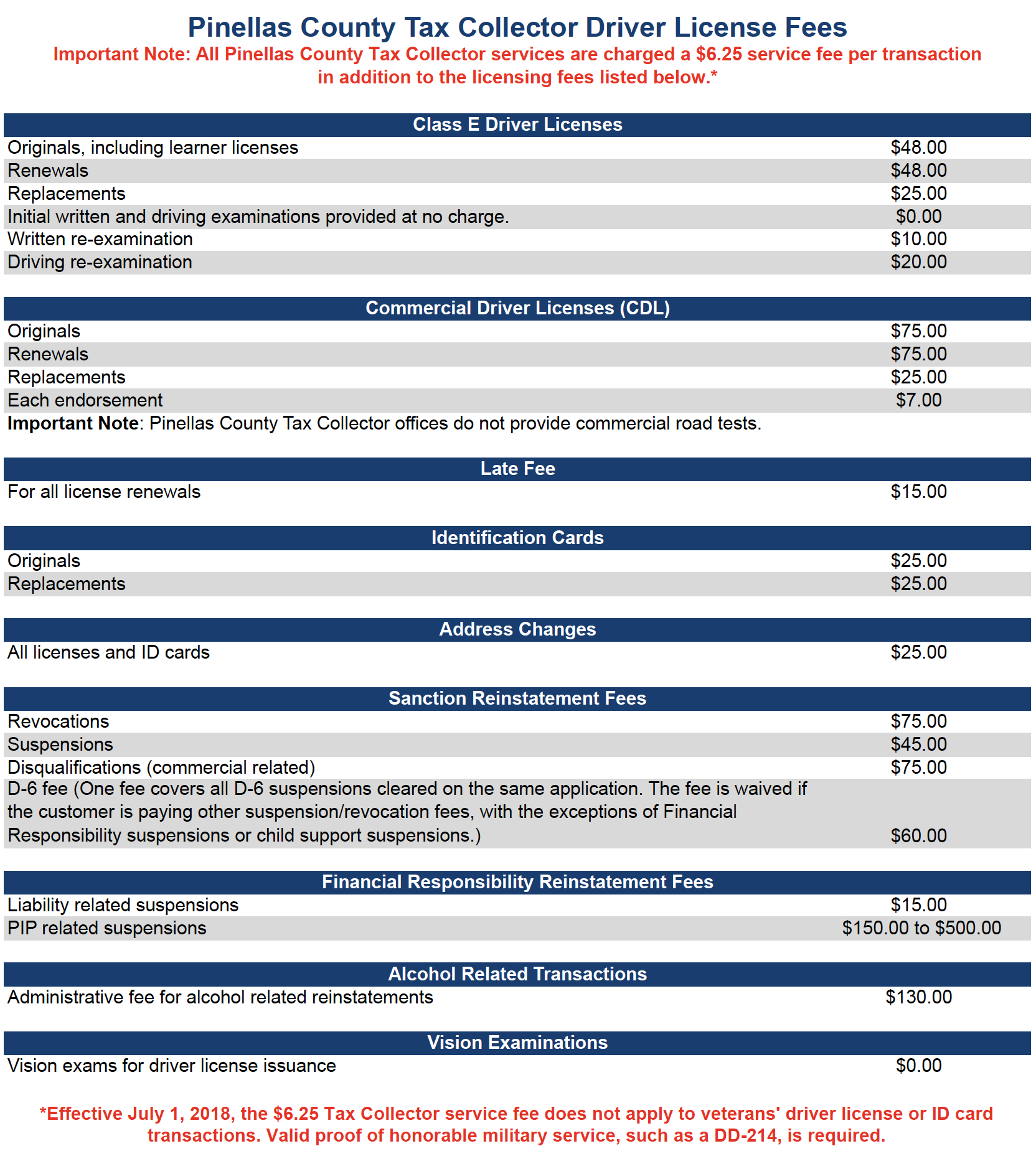
Registering a Newly Purchased Vehicle in Florida
Purchasing a vehicle directly in Florida, whether from a dealership or a private seller, follows a slightly different cost structure compared to bringing an out-of-state car. If you’re a long-term visitor or a new resident buying a vehicle locally, understanding these nuances is essential for your financial planning and overall Florida lifestyle.
When you buy a car from a licensed dealership, they typically handle much of the paperwork, including collecting sales tax and registration fees, making the process smoother. For private sales, you’ll be responsible for handling the title transfer and registration yourself at a County Tax Collector’s Office or a licensed tag agent.
Key costs for newly purchased vehicles include:
- Sales Tax: Florida has a 6% state sales tax on the purchase price of vehicles. Additionally, many counties impose a discretionary sales surtax, which can add up to 1.5% more. So, on a $20,000 car, you could pay anywhere from $1,200 to $1,500 in sales tax alone. This is a significant upfront cost that must be factored into your budget, whether you’re buying a convertible for cruising Fort Lauderdale Beach or an SUV for family trips to Busch Gardens Tampa Bay.
- Title Fee: Similar to out-of-state transfers, a new Florida title will be issued, incurring a fee of approximately $85.
- License Plate Fee (Annual Portion): If you’re getting a new plate, you’ll pay the annual registration fee (ranging from $28 to $46) based on your vehicle’s weight.
- Initial Registration Fee ($225): This one-time fee also applies to newly purchased vehicles that are receiving a new Florida license plate for the very first time. If you’re simply transferring an existing Florida plate from a vehicle you previously owned to your new purchase, this $225 fee is waived, and you’ll typically pay a smaller transfer fee of around $2.50. This distinction is crucial for understanding whether you’ll face this larger upfront cost.
- Lien Recording Fee (if financed): If you finance your vehicle purchase, a lien will be recorded on the title, typically costing around $2.00.

Understanding these initial costs is paramount for anyone planning their finances around a move or extended stay in Florida. These figures represent the bare minimum you can expect, and local county fees or special plate requests can add to these amounts.
Annual Vehicle Registration Renewal Fees
Once your vehicle is successfully registered in Florida, whether as a new resident or after a local purchase, the next financial consideration is the annual renewal. This is a recurring expense that every vehicle owner in the Sunshine State will encounter, and it’s essential to factor it into your yearly budget for travel, accommodation, and general lifestyle expenses. The good news is that annual renewal fees are generally much lower than the initial registration costs, making ongoing vehicle ownership more predictable. They typically contribute to maintaining the state’s infrastructure and services, vital for navigating everything from the bustling streets of Miami to the scenic routes of Sarasota.
What Influences Your Annual Bill?
The exact amount you’ll pay for your annual vehicle registration renewal in Florida isn’t a fixed sum; it varies based on several factors. Knowing these variables can help you anticipate your expenses and plan accordingly, especially if you’re managing a budget for a long-term stay or a permanent move.
The primary determinants of your annual renewal fee include:
- Vehicle Weight: This is the most significant factor affecting your annual registration cost. Florida categorizes vehicles into different weight classes, with heavier vehicles generally incurring higher fees. For passenger cars, the annual fees can range approximately from $28 to $46. For example, a lighter sedan might be on the lower end, while a heavier SUV would be on the higher end of this scale. Truck and commercial vehicle registrations have different, often higher, fee schedules based on their gross vehicle weight.
- Type of License Plate: While the standard “Sunshine State” plate is included in the base fees, Florida offers a wide array of specialty license plates. These plates support various causes, organizations, universities, and professional sports teams. If you opt for a specialty plate (e.g., supporting sea turtle conservation, a specific university like the University of Florida, or a cause like preventing child abuse), you’ll pay an additional annual fee, typically ranging from $15 to $25 or more, which goes directly to the charity or program supported by that plate. These are popular choices for Floridians looking to express their interests and support their communities.
- County Surcharges: Some counties in Florida may levy minor surcharges in addition to the state-mandated fees. These are usually small amounts, often a few dollars, and contribute to local transportation projects or emergency services. While not a major cost, it’s worth noting that the exact total might vary slightly depending on which county you reside in, such as Palm Beach County or Duval County.
- Registration Period: Vehicle registrations are typically valid for one year. You can generally renew your registration up to three months before its expiration date. This flexibility allows you to plan your budget and avoid late fees.
To give a clearer picture, a typical passenger vehicle weighing under 2,500 pounds might have an annual renewal fee of around $28-$30, while a vehicle over 3,500 pounds could be closer to $45-$46. Adding a specialty plate would mean an additional $20-$25 on top of that. Therefore, a common annual renewal bill for a passenger car with a standard plate usually falls in the range of $30 to $70, before any potential minor county surcharges. It’s always best to check the official Florida Department of Highway Safety and Motor Vehicles (FLHSMV) website or your local County Tax Collector’s Office for the most current and precise fee schedule for your specific vehicle. Online renewal options are also available, offering convenience for those managing their lives and travels from afar or within the state.
Essential Documents and the Registration Process
Navigating bureaucracy can often feel daunting, especially when settling into a new place or managing logistics during extended travel. However, registering your car in Florida is a relatively streamlined process, provided you arrive prepared with all the necessary documentation. Understanding what’s required and where to go can save you significant time and potential frustration, ensuring you can quickly get back to enjoying Florida’s diverse offerings, from exploring the Kennedy Space Center Visitor Complex to unwinding on the Gulf Coast.
Gathering Your Paperwork
Before you head to the County Tax Collector’s Office or a licensed tag agent, taking the time to gather all required documents is crucial. Missing even one item can result in delays and multiple trips. This list applies to both new residents bringing an out-of-state vehicle and individuals registering a newly purchased vehicle within Florida.
Here’s a checklist of what you’ll typically need:
-
Proof of Ownership:
- For out-of-state vehicles: Your original out-of-state title. If your vehicle is financed, your lienholder may hold the title. In such cases, you’ll need a copy of your current out-of-state registration and a completed “Application for Certificate of Title With/Without Registration” (HSMV Form 82040) along with your lienholder’s name and address. The FLHSMV will then request the title directly from your lienholder.
- For newly purchased vehicles (private sale): The original Florida title, properly signed over to you by the seller(s). Ensure all sections are correctly filled out, especially the odometer disclosure.
- For newly purchased vehicles (dealership): The dealership typically handles the title transfer, but you should receive temporary registration and proof of purchase.
-
Proof of Florida Insurance: You must have valid personal injury protection (PIP) and property damage liability (PDL) coverage from a Florida-licensed insurance company. The minimum requirements are $10,000 PIP and $10,000 PDL. You’ll need to provide your insurance policy number or card. The state’s database typically verifies this electronically, but it’s always wise to have a physical or digital copy.
-
Proof of Identity: A valid government-issued photo ID is required. This could be your Florida driver’s license, a state ID card, or if you’re a new resident applying for a Florida driver’s license simultaneously, you’ll need the documents required for that process (e.g., birth certificate, social security card, proof of address).
-
Vehicle Identification Number (VIN) Verification:
- For out-of-state vehicles: The VIN must be verified. This can be done by a Florida notary public, a law enforcement officer, a licensed motor vehicle dealer, or by having an authorized FLHSMV or County Tax Collector’s Office employee inspect it. There’s a specific form for this (HSMV Form 82042, “Vehicle Identification Number and Odometer Verification”) that needs to be completed.
- For new vehicles purchased in Florida: A VIN verification is typically not required if the vehicle was purchased from a licensed Florida dealership.
-
Odometer Reading: This will be recorded on the title application.
-
Payment: Be prepared to pay all applicable fees (initial registration, title, sales tax, annual registration, etc.) by cash, check, or credit/debit card. Accepted payment methods may vary slightly by location.
Navigating the Florida DMV and Tax Collector Offices
Once you have your documents in order, the next step is to visit the appropriate office. In Florida, vehicle registrations and title transfers are primarily handled by the County Tax Collector’s Office in the county where you reside. While the Florida Department of Highway Safety and Motor Vehicles (FLHSMV) oversees the statewide regulations, local tax collector offices are the operational hubs for these services.
Here’s what to expect and some tips for a smooth experience:
- Locate Your Office: Use the FLHSMV website to find the nearest County Tax Collector’s Office or a licensed tag agency. These are spread throughout the state, from Tallahassee to Fort Myers.
- Check Hours and Appointments: Before you go, verify their operating hours and whether they require or recommend appointments. Some offices offer online appointment scheduling, which can significantly reduce wait times, especially in bustling areas like Orlando or Miami.
- Go Prepared: Arriving with all your documents organized (perhaps in a folder) will make the process much faster.
- The Process:
- Upon arrival, you’ll typically take a number or check in for your service.
- When called, you’ll present your documents to a clerk. They will review everything, verify your VIN (if applicable), and calculate your total fees.
- You will then make your payment.
- If everything is in order, you’ll receive your new Florida license plate and registration sticker on the spot. For title transfers, you’ll typically receive proof of title application, with the official electronic title being issued later or a paper title mailed to you.
- Be Patient: While offices strive for efficiency, there can still be wait times, especially during peak hours. Bring something to read or do.
Once registered, you’re good to go! You’ll receive a registration certificate and a decal to place on your license plate. Remember to keep your registration certificate in your vehicle as proof of valid registration.
Budgeting for Your Florida Vehicle: Beyond Registration
While understanding initial and annual registration fees is fundamental, a holistic financial plan for vehicle ownership in Florida extends beyond these administrative costs. For individuals considering a permanent move, long-term accommodation, or even extended tourism, factoring in other essential expenses is critical. These additional costs impact your overall lifestyle budget, whether you’re enjoying the cultural scene in St. Petersburg or adventuring in the Florida Panhandle.
Insurance Requirements and Costs
One of the most significant ongoing expenses for vehicle owners in Florida is car insurance. Unlike many states that require bodily injury liability coverage, Florida operates under a “no-fault” system, which mandates specific minimum coverages:
- Personal Injury Protection (PIP): $10,000 minimum. This covers medical expenses and lost wages for you, your passengers, and certain others, regardless of who is at fault in an accident.
- Property Damage Liability (PDL): $10,000 minimum. This covers damage you cause to other people’s property (e.g., their vehicle, fence, building).
While these are the minimums, it’s highly recommended to consider higher coverage limits and additional types of coverage, such as:
- Bodily Injury Liability (BIL): Though not required by law unless you’ve been in an accident and had your license suspended, BIL protects you if you cause an accident that results in injuries to others. Given the high cost of medical care, this is a crucial addition for many.
- Collision Coverage: Pays for damage to your own vehicle in an accident, regardless of fault.
- Comprehensive Coverage: Protects your vehicle from non-collision incidents like theft, vandalism, fire, natural disasters (a particular concern in hurricane-prone Florida), and damage from hitting an animal.
- Uninsured/Underinsured Motorist (UM/UIM) Coverage: Protects you if you’re hit by a driver with no insurance or insufficient insurance.
The cost of car insurance in Florida can vary widely based on numerous factors:
- Your Driving Record: A clean record typically means lower premiums.
- Vehicle Type: Newer, more expensive cars, or those considered high-risk for theft, may cost more to insure.
- Location: Rates can differ significantly between cities. For instance, insurance in dense urban areas like Miami or Orlando might be higher due to higher traffic density and theft rates compared to more suburban or rural areas in Gainesville or Pensacola.
- Age and Gender: Younger, less experienced drivers often face higher rates.
- Credit Score: In Florida, your credit history can impact insurance premiums.
- Deductibles and Coverage Limits: Higher deductibles generally lead to lower premiums, but mean higher out-of-pocket costs if you file a claim.
Given these variables, it’s prudent to obtain multiple quotes from various Florida-licensed insurance providers. Online comparison tools and local agents can help you find competitive rates that align with your budget and coverage needs.
Considerations for Snowbirds and Long-Term Visitors
Florida is a magnet for “snowbirds” – individuals who spend the winter months in the Sunshine State, escaping colder climates up north. Many of these long-term visitors also bring their vehicles. Understanding the registration implications is crucial for planning your annual migration and ensuring a hassle-free stay, whether it’s in a rental villa near Disney or a beachfront apartment in Boca Raton.
- Residency Rules: The 10-day rule for new residents is important. If you truly establish Florida residency (e.g., getting a Florida driver’s license, registering to vote, accepting employment), you are expected to register your vehicle. However, if you maintain your primary residence elsewhere and are merely visiting for an extended period (typically less than six months in a calendar year, though exact interpretations can vary), you may not need to register your vehicle in Florida. Your out-of-state registration and insurance would remain valid.
- Insurance for Out-of-State Vehicles: If you are a snowbird or long-term visitor using your out-of-state registered vehicle, ensure your existing insurance policy provides adequate coverage in Florida. Some out-of-state policies may have limitations or specific requirements for extended stays. It’s always best to inform your insurance provider about your plans to spend several months in Florida.
- Planning for Longer Stays: For those contemplating stays longer than six months, or if your lifestyle blurs the line between visitor and resident (e.g., owning property, working remotely), it’s highly advisable to consult the FLHSMV or a local County Tax Collector’s Office directly to clarify your status and obligations. Avoiding registration when required could lead to fines or other legal issues.
- Vehicle Rentals: For shorter visits or exploratory trips, renting a car might be a more cost-effective and simpler option, eliminating the need to worry about registration, insurance transfers, and maintenance. This frees up budget for other travel experiences, such as gourmet dining in West Palm Beach or a day trip to the Salvador Dalí Museum in St. Petersburg.
In conclusion, moving to or spending significant time in Florida involves more than just soaking up the sun. Prudent financial planning, particularly concerning vehicle registration and associated costs, is crucial for a smooth transition and an enjoyable experience. By understanding these expenses upfront, you can allocate your resources effectively, allowing you to fully embrace the dynamic lifestyle and diverse travel opportunities that the Sunshine State proudly offers. Always remember that official fees and regulations can change, so consulting the FLHSMV website for the most up-to-date information is the best practice. With proper preparation, your journey through Florida will be as open and inviting as its expansive highways.