
Navigating the Sunshine State’s vehicular requirements might seem like just another task to tick off your list, especially when you’re focused on planning your next great adventure. Whether you’re a long-time resident, a recent transplant, or a frequent visitor who’s decided to extend their stay, understanding the cost and process of renewing your Florida vehicle tag is essential. This guide aims to demystify the often-convoluted world of vehicle registration renewals, ensuring you’re prepared and informed. While the primary focus of LifeOutoftheBox.com is on enriching your travel experiences, from discovering hidden gems in Destinations to indulging in the finest Hotels, we understand that practical matters like vehicle registration are part of the broader lifestyle that facilitates these journeys. A smoothly running vehicle is, after all, a key to unlocking freedom and exploration, whether you’re embarking on a cross-country road trip to Grand Canyon National Park or simply exploring the vibrant Local Culture of a new City.
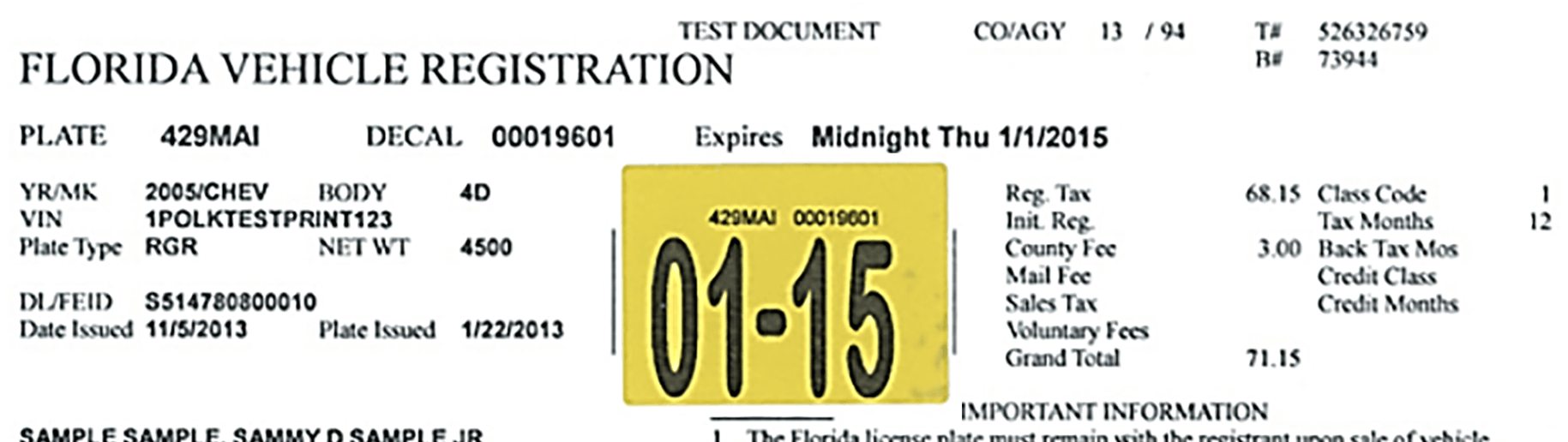
Understanding the Cost of Florida Tag Renewal
The cost of renewing your vehicle tag in Florida is not a one-size-fits-all figure. It’s influenced by several factors, making it crucial to understand these variables to estimate your personal renewal expenses. The Florida Department of Highway Safety and Motor Vehicles (FLHSMV) oversees these fees, which are designed to cover various services and operational costs.
Key Factors Influencing Renewal Fees
Several components contribute to the final amount you’ll pay for your Florida tag renewal. Understanding these will help you anticipate the cost and avoid any last-minute surprises.
Vehicle Type and Weight
One of the most significant determinants of your renewal cost is the type and weight of your vehicle. Passenger cars, for instance, will have different fee structures than trucks, motorcycles, or recreational vehicles. Generally, heavier vehicles or those with larger engines may incur higher registration fees. The FLHSMV categorizes vehicles based on these specifications, and each category has a base fee associated with its registration. For example, a compact sedan will typically cost less to renew than a heavy-duty pickup truck.
Plate Type
Florida offers a wide array of specialty license plates, often referred to as “vanity plates” or “specialty plates.” These plates are designed to support various causes, organizations, or express personal interests. While they offer a way to personalize your vehicle and contribute to specific initiatives, they also come with an additional cost on top of the standard registration fees. The price of these specialty plates varies depending on the organization they support. For example, a plate supporting an environmental cause might have a different surcharge than one for a university alumni association.
County Fees and Local Taxes
Beyond the state-mandated fees, individual counties in Florida can also impose additional fees. These “local option” fees help fund county-specific transportation projects or services. Therefore, the exact amount you pay can differ slightly depending on where you reside within the state. Some counties might have higher fees than others, so it’s always advisable to check with your local county tax collector’s office for the most precise figures. Additionally, some counties may also levy local taxes that are collected during the renewal process.
Renewal Period
In Florida, vehicle registrations are typically renewed annually. However, in certain circumstances, you might have the option to renew for a longer period, such as two years. While not always available for every vehicle type or plate, opting for a longer renewal period can sometimes offer a slight cost saving over time, though the upfront payment will be higher. It’s important to verify if this option is applicable to your situation when you go to renew.
The Renewal Process: Step-by-Step Guide
Renewing your vehicle tag in Florida is designed to be a straightforward process, with multiple avenues available to suit your convenience. Whether you prefer the speed of online renewal, the personal touch of an in-person visit, or the ease of mail, there’s a method for you.
Online Renewal
The most popular and often the most convenient method for renewing your Florida vehicle tag is through the FLHSMV’s online portal. This option allows you to complete the renewal from the comfort of your home or while you’re on the go, perhaps even from your Resort in Orlando.
What You’ll Need for Online Renewal:
- Your License Plate Number: This is the primary identifier for your vehicle.
- Your Vehicle Identification Number (VIN): The last few digits of your VIN are usually required.
- Your Renewal Notice: This notice, mailed to you by the FLHSMV, contains a confirmation code that speeds up the process. If you’ve misplaced it, you can often proceed using your plate number and VIN.
- A Valid Credit Card or Debit Card: For payment of the renewal fees.
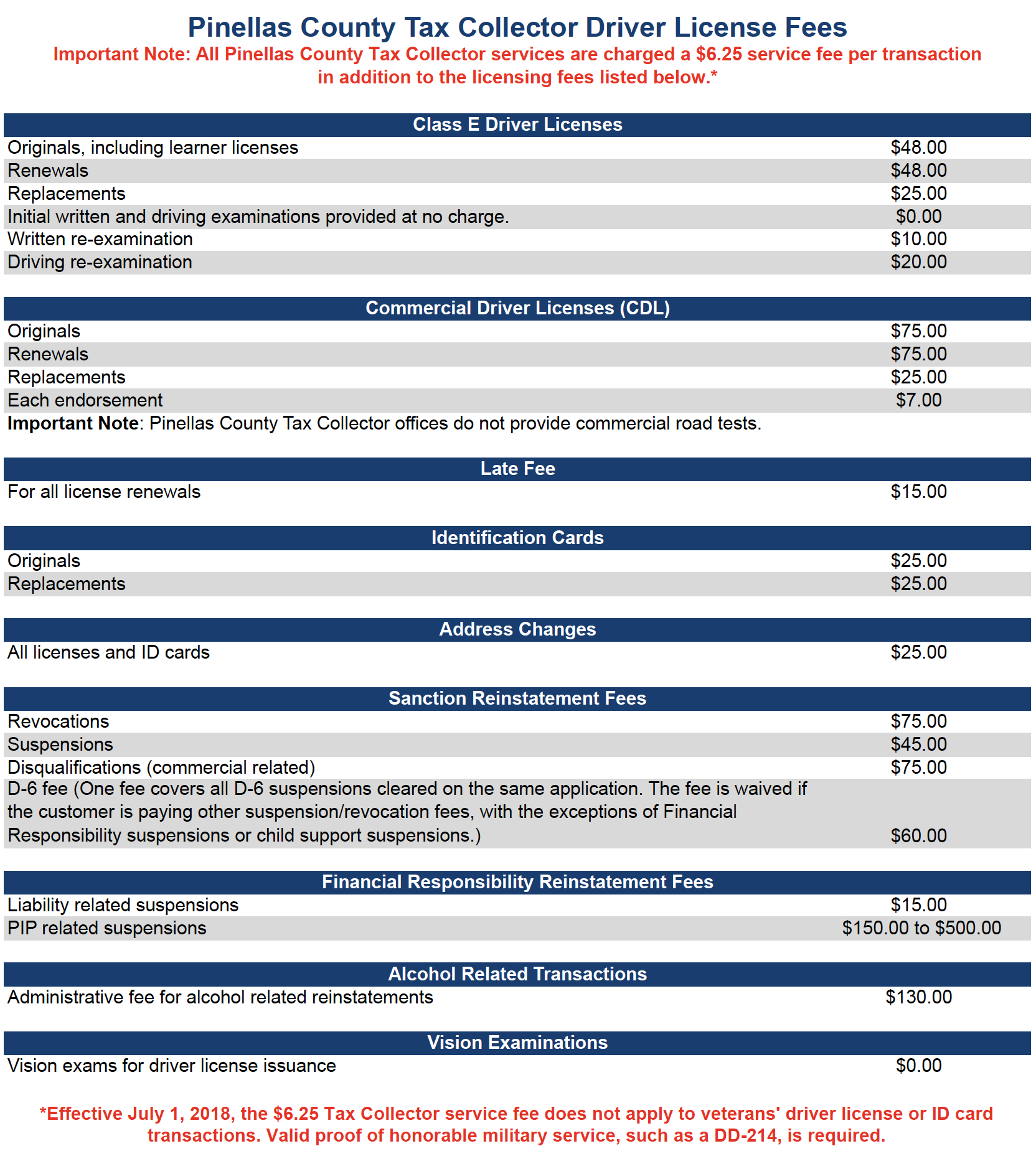
The online system will guide you through a series of steps, confirming your vehicle information, allowing you to select any specialty plate options, and presenting the total cost. Once payment is processed, you will receive confirmation, and your new registration sticker will typically be mailed to your address on file within a few business days. It’s advisable to renew online a week or two before your expiration date to ensure timely delivery.
In-Person Renewal
For those who prefer face-to-face assistance or need to handle complex renewal situations, visiting a county tax collector’s office or a licensed private tag agency is a reliable option. This method is especially useful if you have questions about your specific vehicle, need to change your address, or are dealing with a title transfer simultaneously.
Locations for In-Person Renewal:
- County Tax Collector Offices: Each county in Florida has tax collector offices that handle vehicle registration services. These are government-run offices, and you can typically find their locations and operating hours by searching online for “[County Name] Tax Collector.”
- Licensed Private Tag Agencies: These are private businesses authorized by the state to provide tag and title services. While they offer convenience, they may charge an additional service fee on top of the state-mandated renewal costs.
When you visit in person, be sure to bring your renewal notice, your current registration, driver’s license, and proof of insurance (if not already on file and verified electronically). The staff will assist you in completing the renewal and processing your payment.
Renewal by Mail
While less common than online or in-person methods, renewing your tag by mail is still an option available in Florida. This method is best suited for individuals who have received their renewal notice and have no changes to their vehicle information.
How to Renew by Mail:
- Complete the Renewal Notice: Fill out all the required sections of your renewal notice accurately.
- Include Payment: Send a check or money order payable to the FLHSMV for the total amount due. Do not send cash.
- Mail to the Designated Address: The correct mailing address will be provided on your renewal notice. It’s crucial to mail it well in advance of your expiration date to allow for processing and delivery time.
It’s recommended to send mail renewals using a method that provides tracking, such as certified mail, to ensure it reaches its destination and to have a record of your submission.
Understanding Additional Fees and Potential Penalties
While the core renewal cost is based on your vehicle and plate type, other fees can apply, and failing to renew on time can lead to penalties. Being aware of these potential additions will help you budget accurately and avoid unnecessary expenses.
Service Fees and Transaction Fees
As mentioned, licensed private tag agencies typically charge a service fee for their convenience. Additionally, online and credit card transactions may sometimes incur small processing fees, although these are generally minimal. Be sure to check for any additional charges before finalizing your renewal, whether online or at an agency.
Late Renewal Penalties
Florida law requires vehicle owners to renew their registration by the expiration date. If you fail to do so, you will be subject to late fees. The penalty is typically $1 for every month the registration is past due, with a maximum penalty of $50 per registration. Furthermore, operating a vehicle with an expired tag is a traffic violation and can result in tickets and fines, which are separate from the renewal penalties. It is always best to renew on time to avoid these additional costs and legal issues, especially if you are enjoying a leisurely Family Trip across the state or a solo expedition to explore the Nature of the Everglades National Park.

Insurance Requirements
A critical component of vehicle registration in Florida is maintaining continuous Florida no-fault personal injury protection (PIP) and property damage liability (PDL) insurance coverage. Your insurance information is often verified electronically during the renewal process. Failure to provide proof of current insurance can lead to suspension of your vehicle registration and driver’s license. Ensure your insurance is up-to-date before you attempt to renew your tag. This is a vital aspect of responsible vehicle ownership, whether you’re using your car for daily commutes or for weekend excursions to charming towns like St. Augustine.
By understanding these various cost components, renewal methods, and potential additional fees, you can confidently navigate the process of renewing your Florida vehicle tag. This practical step ensures your vehicle remains legally compliant, allowing you to continue enjoying all the amazing travel, Accommodation, and Lifestyle opportunities the Sunshine State has to offer, from the bustling streets of Miami to the serene beaches of the Florida Keys.