
Navigating the nuances of travel etiquette can often feel like a complex journey in itself. While we meticulously plan our itineraries, book the perfect accommodation for our destinations, and research local attractions, one small but significant detail often gets overlooked: tipping the hotel maid. For many travelers, especially those venturing into different cultures or staying in various types of hotels, the question of “how much to tip” can be a source of confusion. This guide aims to demystify the practice of tipping hotel housekeeping, offering clear advice so you can show appreciation for the often-unseen work that contributes significantly to your comfortable stay.
From a cozy boutique hotel in Paris to a sprawling resort in Dubai, the dedicated individuals who maintain the cleanliness and order of your room play a crucial role in your overall travel experience. Their efforts often go unnoticed, yet they are the backbone of the hospitality industry, ensuring your space is a pristine sanctuary after a day of exploring landmarks or attending business meetings. Understanding when, how much, and how to tip appropriately is not just about generosity; it’s about acknowledging hard work, adhering to local customs, and contributing positively to the service industry that caters to our needs while we are away from home. Let’s delve into the specifics, ensuring your next trip is not only enjoyable but also respectful and informed.

Understanding the Importance of Tipping Housekeeping
Tipping culture varies wildly across the globe, but the underlying principle often remains consistent: it’s a way to express gratitude for good service. In the context of hotel housekeeping, this gesture takes on particular significance, as these employees often earn lower wages and rely on tips to supplement their income.
Why Your Tip Matters
The housekeeping staff are the unsung heroes of the hospitality world. They work tirelessly to turn over rooms, often under tight deadlines and with demanding physical labor. Imagine returning to your room at the Marriott International in New York City after a long day of sightseeing, only to find it impeccably clean, fresh towels laid out, and your bed neatly made. This seamless experience is the direct result of a housekeeper’s dedication. Their work ensures a hygienic and comfortable environment, which is paramount for any guest, whether you’re on a luxury travel adventure or a budget travel getaway.
For many, a tip is more than just a monetary exchange; it’s a direct acknowledgement of their hard work and attention to detail. In countries where tipping is customary, such as the United States and Canada, these gratuities form a significant portion of their earnings. Even in regions where tipping is less prevalent, a thoughtful tip can go a long way in showing respect and appreciation for their efforts, making their often-arduous job feel more valued. It can also subtly encourage continued high standards of service, benefiting future guests as well.

The Unseen Labor of Hotel Staff
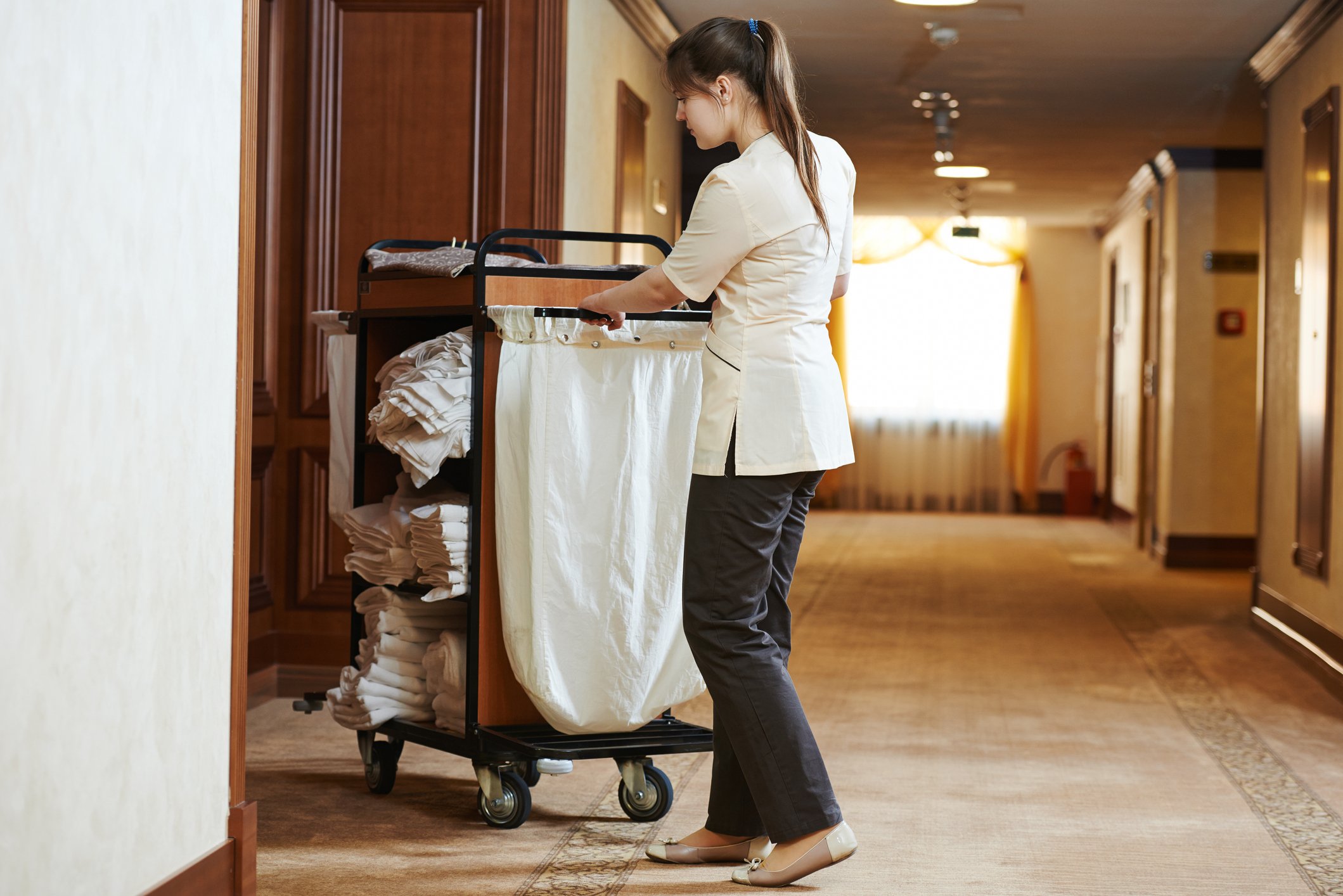
The duties of a hotel maid extend far beyond simply making beds. They meticulously clean bathrooms, dust surfaces, vacuum carpets, restock amenities, and often handle special requests, all while maintaining a discreet presence. Their work is physically demanding, requiring them to lift, bend, and push carts loaded with supplies throughout their shifts. The sheer volume of rooms they are expected to clean each day, especially in large establishments like a Hilton Worldwide or a Hyatt Hotels Corporation property, means they are constantly on the move.
Furthermore, housekeepers are often the frontline defenders against germs and allergens, especially in our post-pandemic world. Their meticulous cleaning protocols ensure guest safety and comfort. This invisible labor, performed day in and day out, directly impacts the guest experience and the overall reputation of the hotel. Recognizing this intense effort through a tip is a tangible way to acknowledge their professionalism and the essential role they play in the hospitality ecosystem. It reflects a deeper understanding of the service industry and fosters a more considerate travel lifestyle.
General Tipping Guidelines: How Much and When?
Determining the right amount to tip can be subjective, but there are widely accepted guidelines that can help travelers make an informed decision. These guidelines often depend on various factors, including the type of accommodation, the quality of service, and the duration of your stay.
Standard Tipping Amounts
In regions where tipping is customary, like North America, a common guideline for hotel housekeeping is around $2 to $5 per night.
- For standard hotel rooms, $2-$3 per night is generally considered appropriate.
- For larger rooms, suites, or those with exceptional service, $4-$5 per night is a more generous gesture.
- If you’re staying in a luxury hotel like a Four Seasons Hotels and Resorts or The Ritz-Carlton, or if your room requires extra cleaning due to excessive mess, a tip on the higher end of this range, or even slightly more, is often appreciated.
These amounts serve as a good baseline, but always consider the overall service quality. If the housekeeper goes above and beyond—perhaps arranging your toiletries neatly, leaving a personalized note, or fulfilling a special request promptly—it’s certainly worth acknowledging with a slightly larger tip.
Daily vs. End-of-Stay Tipping
One of the most debated aspects of tipping housekeeping is whether to tip daily or at the end of your stay. The consensus among travel experts and industry professionals leans strongly towards tipping daily.
- Why daily? Housekeeping staff often work on rotating shifts, meaning different individuals might be cleaning your room on different days. If you leave a lump sum at the end of your stay, there’s no guarantee that the tip will be distributed fairly among everyone who serviced your room. Tipping daily ensures that the person who cleaned your room on a given day receives the gratuity for their work.
- It also provides immediate feedback and appreciation, which can often lead to more attentive service throughout your stay.
- When tipping daily, place the money in a visible spot, such as on a pillow, nightstand, or desk. It’s also a good idea to leave a small note (even just “Thank You”) to clarify that the money is intended for housekeeping, avoiding any confusion.
While some guests prefer to leave a larger sum at the end, especially for longer stays (e.g., a week or more), it’s generally best to stick to the daily practice to ensure fairness and direct appreciation to the deserving staff.
Factors Influencing Your Tip
Several elements should factor into your tipping decision, moving beyond just the standard amounts:
- Hotel Type: A modest tip at a Best Western might be perfectly adequate, whereas a higher tip would be expected at an opulent Waldorf Astoria property. Luxury establishments typically involve more extensive service and often cater to guests with higher budgets.
- Length of Stay: For short stays (1-2 nights), the standard daily amount is fine. For extended stays, you might consider slightly increasing the daily amount or leaving a more substantial overall sum, as housekeepers maintain your room for a longer period and potentially handle more tasks.
- Room Condition: If you’ve made a significant mess (e.g., traveling with children, pets, or hosting a gathering), it’s courteous to increase your tip to acknowledge the extra effort required to clean the room.
- Special Requests: If you asked for extra towels, pillows, or specific cleaning times, and these requests were fulfilled efficiently, consider reflecting that in your tip.
- Local Norms: Tipping customs can vary dramatically by country. Always research the local tourism etiquette before you travel. What’s expected in the United States might be an insult in Japan, or simply not practiced in parts of Europe.
Navigating Tipping Etiquette Across Different Regions
Tipping is perhaps one of the most culturally sensitive aspects of international travel. What is a standard practice in one country might be entirely absent or even misunderstood in another. Understanding these regional differences is key to being a respectful and informed traveler.
Tipping in North America
In the United States and Canada, tipping hotel housekeeping is very much expected and is a significant part of a housekeeper’s income. As mentioned, $2-$5 per night is the standard, with higher amounts for luxury accommodations or extra services. In Mexico, tipping is also customary, often around 20-50 Mexican pesos per day, which translates to a similar dollar amount. Always leave tips in local currency when possible, or in U.S. dollars if that’s the only option and you know it’s easily exchangeable.
European Tipping Customs
Europe presents a mixed bag when it comes to tipping. Generally, tipping culture is less entrenched than in North America, but it’s still appreciated for good service.
- In countries like the United Kingdom, France, Germany, Italy, and Spain, housekeepers are generally paid a living wage, so tipping isn’t strictly necessary but is a kind gesture. If you choose to tip, €1-€3 per night is a considerate amount. In Italy and Spain, sometimes a small amount like €5-€10 for the entire stay (for excellent service) is left at the end.
- In Scandinavia and some Eastern European countries, tipping is rare or only for truly exceptional service, and often discouraged as it can be seen as an unnecessary supplement to fair wages.
Always check specific country guides or ask at the reception discreetly if you are unsure.
Asia and Beyond: Diverse Approaches
Tipping customs vary widely across Asia, Australia, Africa, and South America.
- In countries like Japan and China, tipping is generally not customary and can even be considered rude or confusing. Service charges are often included in hotel bills, and good service is simply expected as part of their cultural ethos. Attempts to tip might be met with polite refusal.
- In Southeast Asia, such as Thailand, Vietnam, and Singapore, a small gratuity of 50-100 Thai Baht or its equivalent (around $1-$3 USD) per night is becoming more common, especially in tourist-heavy areas and international hotel chains. In Singapore, many establishments explicitly discourage tipping because service charges are already added.
- In Australia and New Zealand, tipping is not customary for hotel housekeeping, though exceptional service might warrant a small gesture.
- In the Middle East, particularly in tourist hubs like Dubai or Abu Dhabi, a small tip (around 10-20 AED per night) is often appreciated in international hotels, although service charges are usually included.
- In South America, such as Brazil or Argentina, tipping housekeepers is less common than in North America, but a small amount (equivalent to $1-$2 USD per night) for excellent service is a thoughtful gesture.
Always research the specific country you’re visiting to avoid cultural missteps. Online travel guides and forums can be excellent resources.
Luxury Hotels vs. Budget Stays
The type of hotel often correlates with service expectations and, consequently, tipping norms.
- Luxury Hotels and Resorts: At high-end establishments like a Ritz-Carlton, Four Seasons, or St. Regis, guests often have higher expectations for impeccable service, and staff are trained to deliver it. A more generous tip, perhaps $5-$10 per night, is often warranted, reflecting the premium service and the likely higher cost of your stay. Consider the complex turn-down service, personalized amenities, and spotless environments these hotels maintain.
- Mid-Range Hotels: For chains like Accor, IHG Hotels & Resorts, or independent boutique hotels, the standard $2-$5 per night is appropriate. These hotels offer a good balance of comfort and amenities, and housekeeping works diligently to maintain these standards.
- Budget Hotels and Motels: At more economical options, such as a Motel 6 or similar budget-friendly accommodations, housekeeping staff often have even more demanding workloads for potentially lower pay. While the overall expectation for service might be different, a tip of $1-$2 per night is still a kind gesture that is much appreciated. It shows you value their effort regardless of the hotel’s star rating.
Practical Tips for Leaving a Gratuity
The act of tipping should be straightforward and discreet. A few simple practices can ensure your tip is received by the intended recipient and understood as a gesture of appreciation.
Where to Leave the Tip
The most crucial aspect of leaving a tip for housekeeping is making its intention clear.
- Visible Spot: Place the cash (crisp bills are always better than crumpled ones) in a highly visible location in your room. The best spots are typically on your pillow, on a nightstand right next to the bed, or on the desk. Avoid leaving it tucked away in drawers, under items, or in places where it might be mistaken for forgotten money.
- Envelope or Note: The gold standard is to place the money in an envelope clearly labeled “Housekeeping” or “Maid Service,” or simply with a short note like “Thank You.” Many hotels provide small envelopes in the room for this purpose. If not, a piece of hotel stationery will suffice. This removes any ambiguity and ensures the money is taken by the right person.
The Power of a Personal Note
While not mandatory, a brief, handwritten note can elevate your tip from a simple transaction to a genuine expression of gratitude. Something as simple as “Thank you for the excellent service!” or “Much appreciated, your room was spotless!” can make a big difference. It humanizes the interaction and acknowledges the individual’s effort beyond just the monetary value. This is especially true if you’ve had a specific positive interaction or noticed particular attention to detail. A kind word can significantly boost morale and is a thoughtful touch for any traveler, whether on a family trip or a business stay.
What If You Forget to Tip?
It happens to the best of us—you’re rushing to catch a flight, and the thought of leaving a tip slips your mind. If you realize you’ve forgotten to tip after checking out, there are still a few options:
- Contact the Front Desk: Call or email the hotel and explain the situation. Most hotels are willing to accommodate and can add a gratuity to your credit card or arrange for the tip to be passed on to the housekeeping staff. Be prepared to provide your room number and dates of stay.
- Return to the Hotel: If you haven’t gone too far, you could physically return to the hotel and leave the tip at the front desk, asking them to ensure it reaches the correct department.
While these methods work, they are less ideal than tipping daily. It’s always best to plan ahead and set aside a small amount of cash each morning for your housekeeper.
Beyond the Tip: Showing Appreciation in Other Ways
While tipping is a direct and impactful way to show appreciation, it’s not the only way. Thoughtful guests can contribute to a positive experience for both themselves and the hotel staff through respectful behavior and constructive feedback.
Providing Constructive Feedback
Excellent service should always be acknowledged. If a housekeeper, or any hotel staff member, provides outstanding service, consider mentioning it directly to the front desk or in a review platform. Many hotels have internal recognition programs, and positive guest feedback can lead to bonuses, promotions, or simply public praise for the employees. A specific mention by name can be incredibly valuable. This kind of feedback not only rewards the individual but also helps the hotel maintain high standards, benefiting future guests who rely on positive reviews when choosing their accommodation.
Being a Respectful Guest
Perhaps the most fundamental way to show appreciation to housekeeping, and indeed all hotel staff, is simply to be a respectful guest.
- Keep Your Room Tidy: While you don’t need to deep-clean your room, making an effort to keep it reasonably tidy can significantly ease the housekeeper’s workload. Gathering your trash, placing used towels in a designated spot, and generally not leaving excessive clutter can make a big difference.
- Follow Hotel Policies: Adhere to rules regarding noise, smoking, pet policies, and check-out times. Violating these policies often creates extra work for housekeeping or other staff.
- Communicate Needs Clearly: If you have specific preferences or need certain services (like a “Do Not Disturb” sign for an extended period), communicate them clearly to the front desk. This helps housekeeping manage their schedule efficiently without disturbing you.
In conclusion, understanding how much to tip a hotel maid is a small but meaningful part of being a well-rounded and considerate traveler. By following these tips, researching local customs, and always approaching your interactions with hotel staff with respect and gratitude, you not only ensure a pleasant stay for yourself but also contribute positively to the livelihoods of the dedicated individuals who make our travel experiences comfortable and memorable. Whether you’re exploring the bustling streets of Tokyo, relaxing on the beaches of Bangkok, or admiring the Eiffel Tower in Paris, a thoughtful tip can bridge cultural divides and express universal appreciation.