
California, the Golden State, is a land of captivating contrasts. From the sun-drenched beaches of Southern California to the majestic redwood forests of the north, it beckons travelers with its diverse attractions. Whether you’re seeking the glitz and glamour of Hollywood, the artistic vibes of San Francisco, or the natural splendor of Yosemite National Park, there’s an experience for every kind of explorer. The state boasts an unparalleled array of accommodations, from luxurious beachfront resorts and boutique hotels in Los Angeles to cozy apartments in San Diego and sprawling villas in the wine country. Its rich tapestry of local culture, world-class cuisine, and vibrant activities makes it a perennial favorite for tourism. However, beneath this alluring surface lies a geological reality that every visitor, and indeed every resident, should understand: California sits on a major fault line, making earthquakes a regular, and sometimes significant, part of its character.
Understanding the frequency and nature of earthquakes in California is not just a matter of scientific curiosity; it’s crucial for planning a safe and enjoyable trip. This knowledge empowers travelers to make informed decisions about where to stay, what activities to engage in, and how to prepare for the unexpected. While the idea of an earthquake might seem daunting, a closer look reveals a nuanced picture, with a constant hum of seismic activity punctuated by less frequent, but more impactful, events. This article aims to demystify the frequency of earthquakes in California, explore the underlying geological forces at play, and offer practical insights for those planning their adventures in this dynamic state.
The Geological Heartbeat of California: Understanding Seismic Activity
California is situated along the boundary of two tectonic plates: the Pacific Plate and the North American Plate. This boundary is not a smooth, straight line, but rather a complex zone where these massive slabs of the Earth’s crust interact. The primary driver of this interaction is the San Andreas Fault, a massive transform fault that runs for over 800 miles through the state. Here, the Pacific Plate is grinding northwestward relative to the North American Plate. This movement, however, is not constant or uniform. Instead, the plates are locked in many places, building up immense stress over time. When this stress exceeds the strength of the rocks, it is released in the form of an earthquake.
The Constant Tremors: Microearthquakes and Small to Moderate Events
The most frequent occurrences of seismic activity in California are not the dramatic, headline-grabbing quakes, but rather a continuous stream of microearthquakes. These are seismic events that are too small to be felt by humans, typically registering below magnitude 3.0 on the Richter scale. The U.S. Geological Survey (USGS) network of seismometers diligently records hundreds, if not thousands, of these tiny tremors every day across the state. They are a constant reminder of the slow but relentless movement of the tectonic plates.
Beyond these imperceptible tremors, California also experiences a significant number of small to moderate earthquakes. These events, typically ranging from magnitude 3.0 to 5.0, can often be felt by people, causing rattling windows, shaking objects, and a general sense of unease. While they rarely cause significant damage, they serve as frequent reminders of the geological forces at work. For instance, areas like the Salton Sea region, Parkfield, and the greater Los Angeles basin are known for their relatively high frequency of these noticeable, yet generally non-destructive, earthquakes. Tourists visiting these areas might experience such tremors, and it’s important to remember that these are a normal part of California‘s seismic landscape. The frequency of these events can vary, but it’s not uncommon for residents and visitors to feel a noticeable tremor once or twice a year in many parts of the state.
The Infrequent Giants: Major and Great Earthquakes
While the daily seismic chatter is constant, the events that capture public attention are the larger, more powerful earthquakes. These are the magnitude 6.0 and above quakes, which have the potential to cause widespread damage and disruption. Historically, California has experienced several significant earthquakes that have shaped its landscape and its people’s preparedness.
-
Major Earthquakes (Magnitude 6.0 – 6.9): These earthquakes can cause considerable damage, especially in densely populated areas. They are felt over a wide area and can lead to structural damage to buildings, power outages, and disruptions to transportation networks. While not as frequent as smaller events, California experiences a magnitude 6.0 or greater earthquake on average roughly every decade. Notable examples include the 1989 Loma Prieta earthquake, which caused significant damage in the San Francisco Bay Area and interrupted the World Series, and the 1994 Northridge earthquake in Los Angeles, which resulted in extensive destruction and loss of life.
-
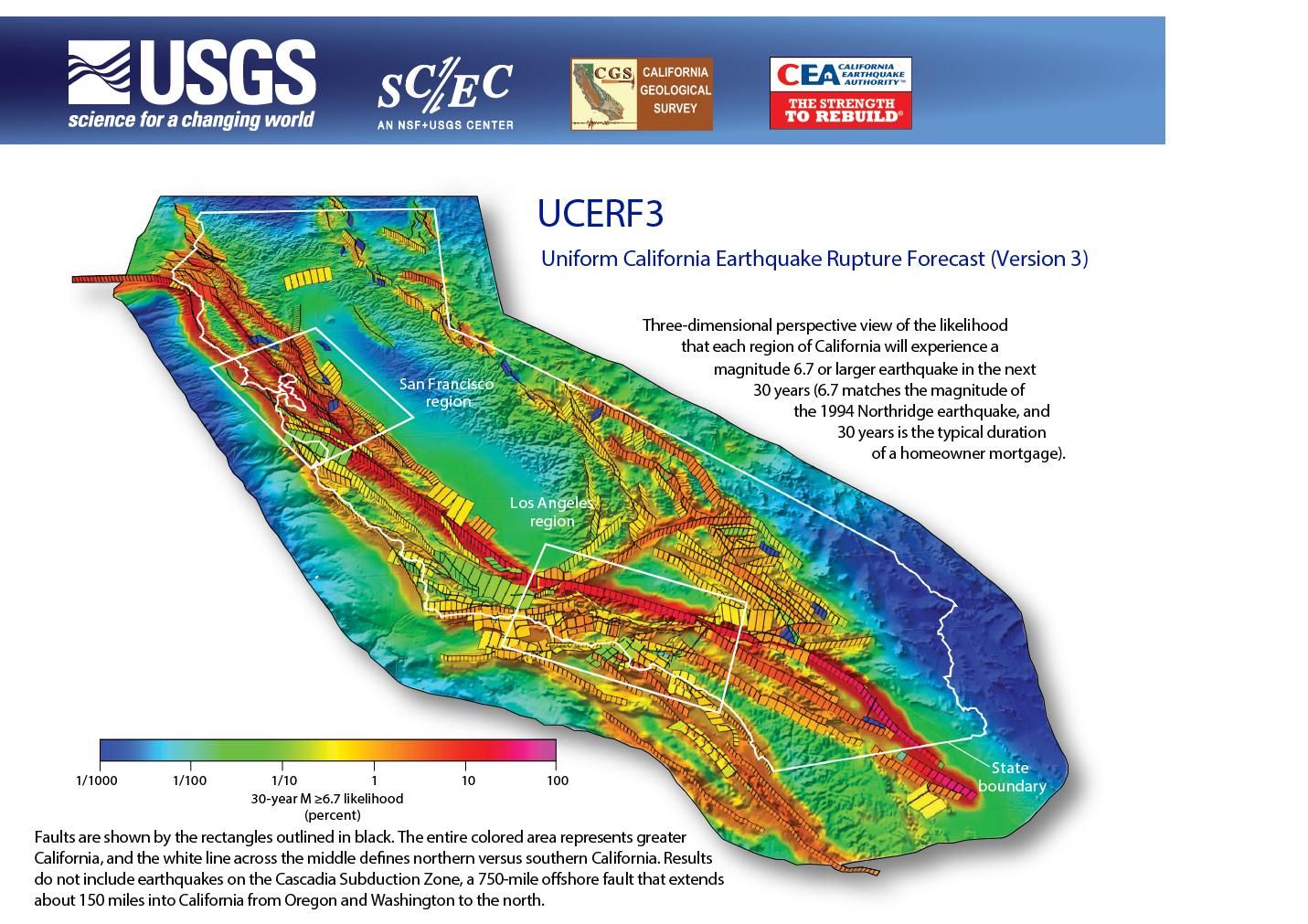
Great Earthquakes (Magnitude 7.0 and above): These are the rarest but most devastating seismic events. A magnitude 7.0 earthquake releases immense energy and can cause catastrophic destruction over a vast region. The last “great” earthquake to significantly impact Southern California was the 1952 Kern County earthquake. However, geologists warn that the probability of another major earthquake on the southern San Andreas Fault is significant within the coming decades. The northern section of the San Andreas Fault also carries a substantial risk for a large earthquake. These events, though infrequent, are a critical consideration for long-term planning and emergency preparedness in the state.
Factors Influencing Earthquake Frequency and Intensity
The seemingly random nature of earthquakes can be misleading. Several geological factors contribute to where, when, and how frequently seismic events occur in California. Understanding these factors provides a clearer picture of the state’s seismic risk.

The San Andreas Fault System: The Epicenter of Activity
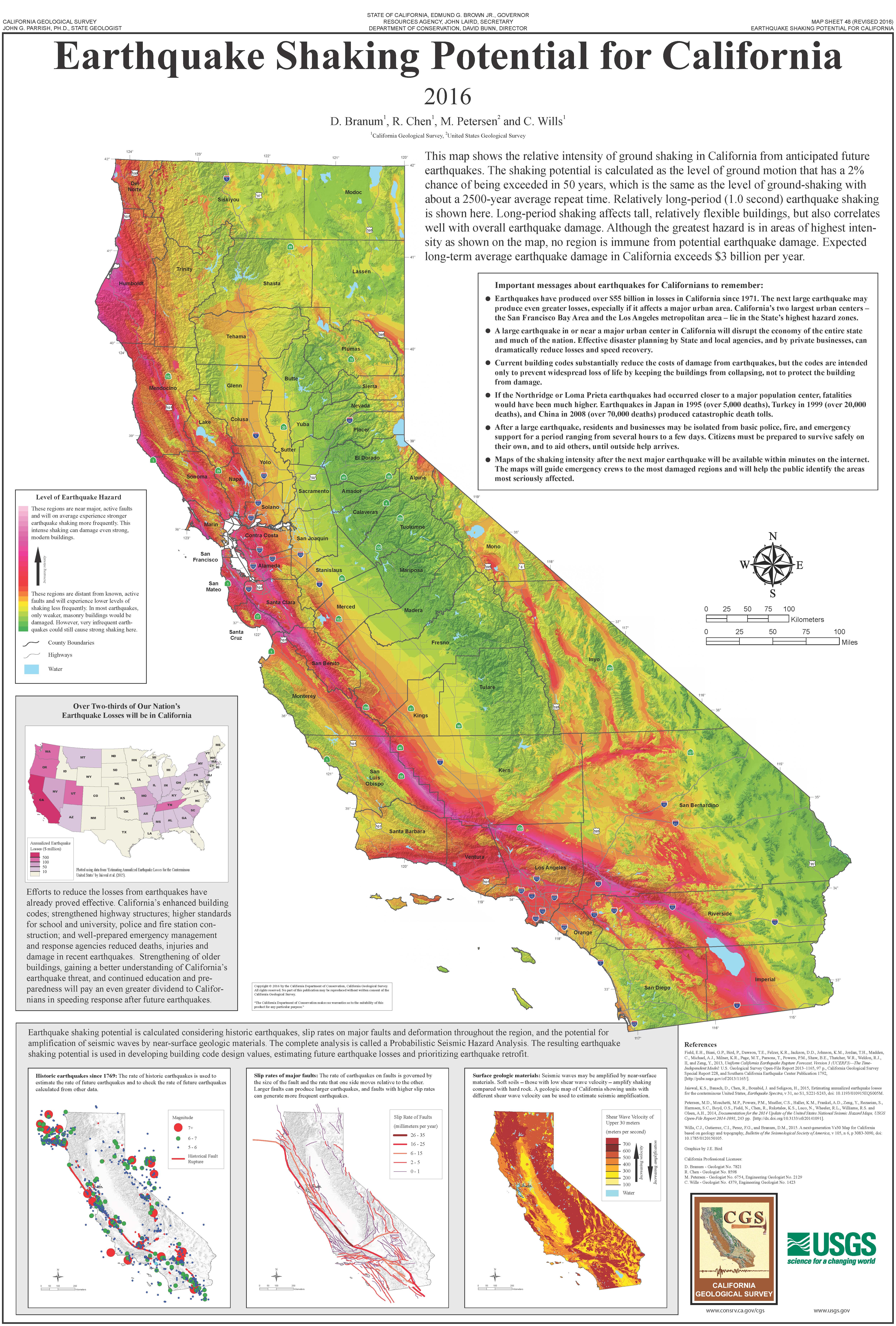
The San Andreas Fault is the most famous and active fault system in California, acting as the primary boundary between the Pacific Plate and the North American Plate. This massive fault system is characterized by different segments, each with its own seismic behavior. Some segments, like the one near Parkfield, are known for their regular, moderate earthquakes, offering valuable data for scientists. Other segments, particularly those in southern California, have been locked for decades, leading to a significant accumulation of strain and a higher probability of a major rupture. The San Andreas Fault is responsible for the vast majority of California‘s significant earthquakes.
Beyond the main San Andreas Fault, numerous smaller, secondary faults crisscross the state. These can also generate earthquakes, often related to the larger plate boundary movements. The Hayward Fault in the San Francisco Bay Area, for example, is considered one of the most dangerous faults in the United States due to its proximity to densely populated areas. The Ventura Fault and the faults underlying Los Angeles are also significant contributors to the state’s seismic activity. The intricate network of faults means that earthquakes can occur in various locations across California, not just along the most prominent fault lines.
Plate Tectonics and Stress Accumulation
The fundamental reason for California‘s seismic activity is the constant motion and interaction of tectonic plates. The Pacific Plate is moving northwest relative to the North American Plate at an average rate of about two inches per year. This persistent movement causes stress to build up along the fault lines. When this stress is released, it generates seismic waves that we perceive as earthquakes. The rate of stress accumulation varies along different segments of the faults, influencing the frequency and magnitude of earthquakes in those areas. Areas where the faults are more “stuck” tend to accumulate more stress and are therefore more prone to larger, less frequent earthquakes. Conversely, areas with more continuous slippage may experience more frequent, smaller earthquakes.
The complex interplay of these forces means that predicting the exact timing and magnitude of future earthquakes remains an immense scientific challenge. However, by studying historical earthquake data, monitoring seismic activity, and understanding the geology of the region, scientists can provide probabilistic forecasts, highlighting areas and timeframes with a higher likelihood of seismic events. This information is invaluable for urban planning, building codes, and public safety initiatives throughout California.
Preparing for the Shake: What Travelers and Residents Should Know
Living in or visiting California comes with the understanding that earthquakes are a part of the landscape. While the possibility of a significant tremor can be unsettling, being informed and prepared can significantly mitigate risks and ensure safety. This applies equally to tourists exploring iconic landmarks like the Golden Gate Bridge or relaxing at a resort in Palm Springs, and to those considering a longer-term accommodation.
Understanding Seismic Risk in Different Regions
While the entire state of California is seismically active, certain regions have a higher probability of experiencing larger or more frequent earthquakes. The Southern California region, particularly the greater Los Angeles area and the areas surrounding the southern San Andreas Fault, is at a high risk for major seismic events. The San Francisco Bay Area, with faults like the Hayward and San Andreas, also faces significant earthquake hazards. Even areas that might seem less prone, such as parts of the Central Valley or the Sierra Nevada, can experience damaging earthquakes, often triggered by the larger plate boundary movements.
Travelers should be aware of the specific seismic risks associated with their chosen destination. For example, while visiting San Diego‘s beautiful beaches or exploring the vineyards of Napa Valley, understanding that earthquakes are possible, even if less frequent or severe than in other parts of the state, is prudent. Many hotels and accommodations in California are built to stringent earthquake-resistant building codes, especially in high-risk areas. High-rise hotels in Los Angeles and San Francisco, for instance, are designed to withstand significant shaking.
Safety Measures and Preparedness
The good news is that preparedness can make a substantial difference. For travelers, it’s wise to familiarize yourself with the “Drop, Cover, and Hold On” procedure, which is the recommended action during an earthquake. This involves dropping to your hands and knees, covering your head and neck, and holding on to a sturdy object until the shaking stops.
Many hotels provide earthquake preparedness information in guest rooms, and it’s a good idea to locate the nearest exits and any emergency supplies. If you are staying in a vacation rental or apartment, consider how you would secure heavy furniture or objects that could fall. For those planning longer stays or considering moving to California, earthquake drills and emergency kits are essential components of preparedness. Understanding the local emergency communication systems and having a plan for how to reconnect with travel companions if separated is also crucial.
Ultimately, while California‘s seismic activity is a constant factor, it doesn’t have to detract from the incredible travel experiences it offers. By understanding the frequency of earthquakes, the geological forces at play, and implementing sensible safety measures, visitors and residents can confidently enjoy all that the Golden State has to offer, from its world-renowned landmarks and vibrant cities to its diverse natural beauty and luxurious accommodations.
LifeOutOfTheBox is a participant in the Amazon Services LLC Associates Program, an affiliate advertising program designed to provide a means for sites to earn advertising fees by advertising and linking to Amazon.com. Amazon, the Amazon logo, AmazonSupply, and the AmazonSupply logo are trademarks of Amazon.com, Inc. or its affiliates. As an Amazon Associate we earn affiliate commissions from qualifying purchases.