
The allure of independent travel is a powerful one, beckoning adventurers of all ages to explore new destinations, immerse themselves in different cultures, and forge unforgettable experiences. However, for many young adults eagerly anticipating their first solo trip or a getaway with friends, a crucial question often arises: “How old do I need to be to book a hotel?” This seemingly simple query unveils a complex web of legal statutes, hotel policies, and practical considerations that can significantly impact travel plans. Understanding these nuances is not just about avoiding disappointment; it’s about ensuring a smooth, stress-free, and legally compliant stay.
While the age of legal majority in many countries is 18, this doesn’t automatically grant an individual the right to check into any hotel. Hospitality establishments, for various reasons ranging from liability concerns to property protection, often impose their own minimum age requirements that can be higher than the national standard. This guide delves deep into the intricacies of hotel booking age restrictions, offering insights, tips, and alternatives for young travelers aiming to navigate the world of accommodation with confidence. From understanding the legal landscape to practical advice on verifying policies and exploring alternative lodging, we’ll cover everything you need to know before you pack your bags.

Understanding Minimum Check-in Age Requirements
The cornerstone of understanding hotel booking age policies lies in recognizing the distinction between the legal age of majority and a hotel’s independent operational guidelines. While laws define when an individual is considered an adult, hotels retain the right to establish their own rules for who can contractually check into their rooms. This section will clarify these differences and explore the common ages encountered in the hospitality industry.
The Legal Landscape: Majority Age vs. Hotel Policy
In many parts of the world, including the United States, Canada, most countries in Europe, and Australia, the legal age of majority is 18 years old. This means that an individual is legally recognized as an adult and can enter into contracts, including booking accommodation. Theoretically, an 18-year-old should be able to book a hotel room, sign the necessary paperwork, and take responsibility for their stay.
However, the hospitality industry often operates with an additional layer of discretion. Hotels are private businesses, and as such, they are generally permitted to set their own minimum check-in age requirements, as long as these policies are applied consistently and do not discriminate on protected grounds. It’s not uncommon to find hotels, particularly in certain regions or with specific clientele, enforcing a minimum check-in age of 21.
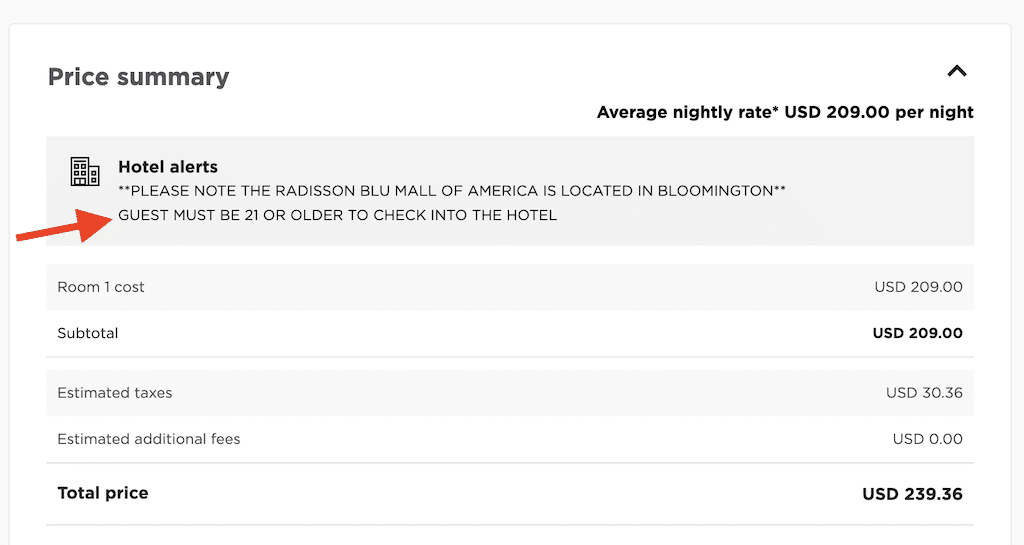
Why do hotels impose higher age limits? The reasons are multi-faceted and primarily revolve around risk management:
- Liability Concerns: Hotels are responsible for the safety and well-being of their guests and, to some extent, for the activities that occur on their property. Younger guests, particularly those traveling without parental supervision, may be perceived as a higher risk for incidents, accidents, or property damage, leading to potential legal liabilities for the hotel.
- Preventing Parties and Disruptions: Many hotels with a 21+ policy aim to deter loud parties, underage drinking, and general disruptive behavior that could negatively impact other guests’ experiences and the hotel’s reputation. This is particularly prevalent in leisure destinations known for nightlife or spring break activities.
- Protecting Property: Young travelers might sometimes be associated with a higher risk of accidental or intentional damage to hotel property. A higher minimum age can be a preventative measure to mitigate these concerns.
- Credit Card Requirements: Many hotels require a valid credit card in the name of the primary guest for incidentals and security deposits. While an 18-year-old can legally obtain a credit card, hotels may prefer guests who are older and potentially have a more established credit history or financial stability.
It’s crucial to understand that even if a state or province has an 18-year-old age of majority, a hotel within that jurisdiction can still legally enforce a 21-year-old check-in policy. This is a business decision, not a legal mandate imposed by the government regarding the specific act of booking a hotel.
Common Age Requirements by Region and Hotel Type
While a general overview of minimum age requirements is helpful, the reality is that policies can vary significantly based on geographic location, the specific hotel chain, and even the type of establishment.
Typical Age Requirements:
- 18 Years Old: Many hotels globally, especially in Europe and parts of Asia, adhere to the legal age of majority, allowing 18-year-olds to check in. In the United States and Canada, while some hotels maintain this policy, it’s increasingly common to find higher age limits. Budget hotels, roadside motels, and independent establishments might be more likely to accept 18-year-olds, especially outside major tourist hubs.
- 21 Years Old: This is a prevalent minimum age in many hotels across the United States, particularly in popular tourist destinations, entertainment districts, and states with strict alcohol laws. Destinations like Florida, Nevada (especially Las Vegas), and vibrant urban centers like New York City frequently enforce a 21+ check-in age. This is often linked to the legal drinking age and the desire to prevent issues related to underage alcohol consumption on the premises.
Variations by Hotel Type and Chain:
- Luxury Hotels and Resorts: Upscale establishments, particularly resorts with extensive amenities like bars, nightclubs, and casinos, often favor a 21+ policy to maintain a certain ambiance and reduce potential issues associated with younger guests. Chains like Marriott, Hilton, Hyatt, and IHG (InterContinental Hotels Group) generally allow individual properties to set their own policies, leading to variations even within the same brand family. It’s not uncommon for a Marriott in a business district to allow 18-year-olds, while a Marriott in Miami Beach might require guests to be 21.
- Budget and Mid-Range Hotels: These categories can be more flexible. Some may stick to the 18+ rule, especially if they cater to a broader demographic, including students or young professionals on a budget. However, in party-heavy areas, they might still opt for a 21+ policy to avoid issues.
- Extended Stay Hotels: While primarily catering to long-term guests, their policies usually align with standard hotel policies regarding check-in age.
- Hostels: Generally, hostels are more accommodating to younger travelers, often accepting guests from 18 years old, and sometimes even 16 with parental consent or supervision. They are designed for budget-conscious and solo travelers, often fostering a communal and social environment.
Geographical Hotspots with Specific Rules:
- Las Vegas, Nevada: Almost universally, hotels in Las Vegas require guests to be 21 to check in, primarily due to the presence of casinos and the legal drinking age.
- Florida (e.g., Miami Beach, Orlando): Many hotels in popular spring break and tourist destinations in Florida enforce a 21+ policy. This is particularly true for properties aimed at leisure and entertainment, such as those near theme parks in Orlando or on the bustling shores of Miami Beach.
- New York City: While some hotels in New York City may accept 18-year-olds, many, especially those in prime tourist areas, opt for a 21+ policy to manage the vibrant nightlife and urban environment.
It is paramount for any young traveler to never assume the age policy. A quick call or check of the hotel’s official website can save a lot of trouble upon arrival.
Navigating Age Restrictions: Practical Tips for Young Travelers
Being prepared is the best defense against unexpected age-related roadblocks. For young travelers, understanding how to verify policies and explore alternatives is key to a successful trip. This section provides actionable advice to ensure a smooth check-in process.
Always Verify Directly with the Hotel
This is arguably the most crucial piece of advice for any traveler concerned about age restrictions. Online travel agencies (OTAs) or general hotel chain websites might not always reflect the specific, granular policies of an individual property.
- Call the Specific Property: Do not just call the central reservations line for a hotel chain. While they might provide general information, the ultimate decision and specific policy often rest with the individual hotel manager. Obtain the direct phone number for the specific hotel you intend to book and speak with the front desk or reservations department.
- Ask Clear Questions: When calling, be explicit. State your age and ask, “What is your minimum check-in age policy? Will I, as an [18/19/20]-year-old, be able to check in and be the primary guest on the reservation?”
- Check the Official Website: Many hotels list their minimum check-in age in their terms and conditions, FAQ section, or on their reservation pages. Look for phrases like “minimum age requirement” or “check-in policy.”
- Get it in Writing (if possible): If you have any lingering doubts, especially for a crucial trip, try to get confirmation via email. This provides a record in case of any miscommunication upon arrival.
Failing to verify can lead to significant inconvenience, including being turned away at check-in, losing your booking, and being stranded without accommodation, particularly if you’re traveling internationally or late at night.
Alternatives for Underage Travelers
If you encounter a hotel with a strict age requirement that you cannot meet, don’t despair. Several alternatives can still make your travel dreams a reality.
- Travel with an Adult: The simplest solution is to travel with a parent, legal guardian, or another adult who meets the hotel’s minimum age requirement. The adult can then be the primary guest on the reservation, check in, and assume responsibility for the room. This is the most common and widely accepted method for underage travelers.
- Explore Different Accommodation Types:
- Hostels: As mentioned, hostels are generally more flexible with age, often accepting 18-year-olds and sometimes younger with parental consent. They are fantastic for budget travel and meeting other young explorers.
- Vacation Rentals: Platforms offering apartments, villas, and homes for short-term rent (e.g., various local short-term rental services) sometimes have more flexible age policies, though this can vary by host. Always check the specific listing’s rules and communicate directly with the host about your age before booking. It’s essential to be transparent and confirm their policy.
- Extended Stay Hotels: While typically adhering to standard hotel policies, some may have slightly more lenient rules for longer bookings, but this is less common for age.
- Seek Out Specific Hotel Chains or Independent Hotels Known for Flexibility: Through online forums and travel communities, you might find recommendations for specific hotels or smaller chains that are known to accept 18-year-olds. This requires more research but can be fruitful.
- Consider Hotels in Business Districts vs. Leisure Districts: Hotels primarily catering to business travelers might have different age policies than those in popular party or tourist zones. They may be less concerned with preventing disruptive parties.
Remember, honesty and clear communication are key. Always disclose your age if you suspect it might be an issue and inquire about any specific policies for young travelers.
Essential Documents and Deposit Information
Regardless of your age, having the correct documentation and understanding financial requirements is crucial for a smooth hotel check-in.
- Valid Identification: You will always need a valid, government-issued photo ID. This could be a driver’s license, state ID card, or passport. The name on your ID must match the name on the reservation. Ensure your ID is current and not expired.
- Credit Card in Your Name: Most hotels require a major credit card in the name of the primary guest for the room charges and to cover incidentals (such as mini-bar purchases, room service, or potential damages). While you can book a room online with one card and pay with another upon arrival, the credit card presented at check-in must generally match the primary guest’s name. If you are using a debit card, be aware that hotels may place a hold on funds, which can sometimes take several business days to be released after checkout.
- Security Deposits: Hotels often require a security deposit, especially from younger guests or for longer stays. This is a pre-authorization on your credit card or a cash payment held by the hotel to cover any damages or unpaid incidentals. The amount can vary significantly, from a nominal sum to several hundred dollars. Ensure you understand the deposit amount and the hotel’s policy for its return. If using a debit card for the deposit, be prepared for those funds to be temporarily unavailable.
Having all these elements prepared in advance will not only expedite your check-in but also demonstrate your responsibility and readiness to adhere to hotel policies, potentially easing any concerns the hotel staff might have about your age.
Beyond the Age: Other Booking Considerations
While age is a significant hurdle for some, successful travel involves a broader understanding of hotel policies and how your chosen destination or trip type influences your stay. Proactive research extends beyond just age.
Understanding Hotel Policies and Amenities
Before finalizing any booking, delve into the details of the hotel’s offerings and rules. This ensures your accommodation truly fits your needs and avoids any unwelcome surprises.
- Pet Policies: If you’re traveling with a furry friend, verify if the hotel is pet-friendly, what types of pets are allowed, and if there are any additional fees or restrictions (e.g., weight limits, designated areas).
- Smoking Rules: Most hotels today are smoke-free indoors. Understand their policy on smoking in rooms, on balconies, or in designated outdoor areas. Violations can lead to significant cleaning fees.
- Guest Limits: Be aware of the maximum occupancy for the room type you book. Attempting to bring more guests than allowed can result in additional charges or even refusal of service.
- Amenities: Explore the amenities offered. Does it have a swimming pool, a fitness center, on-site restaurants, or a spa? Knowing what’s available can enhance your stay, especially for leisure travel. For business trips, look for features like complimentary Wi-Fi, meeting rooms, or business centers.
- Accessibility Features: If you or a travel companion have specific accessibility needs, confirm that the hotel offers accessible rooms and facilities that meet those requirements.
- Cancellation Policies: Always read the cancellation policy carefully. Understand the deadline for cancellations without penalty and how refunds are processed. This is crucial in case your plans change unexpectedly.
A thorough review of these details can make a significant difference in your overall travel experience, ensuring comfort and convenience align with your expectations.
The Role of Destination and Type of Travel
The context of your trip—where you’re going and why—can influence various aspects of your hotel booking, including how flexible hotels might be with certain policies.
- Business Travel vs. Leisure: Hotels catering primarily to business travelers, often located in urban centers, might have different operational concerns than those in popular vacation spots. Their policies might be more focused on efficiency and professional conduct rather than managing leisure-related disruptions.
- Family Trips vs. Solo Adventures: When traveling as a family, hotels often cater with amenities like kids’ clubs, family-friendly pools, or interconnected rooms. Solo travelers, especially young ones, might find hostels or smaller independent hotels more suitable for meeting other travelers and budgeting.
- Resort Environments vs. City Center Hotels: Resorts typically offer a self-contained experience with extensive on-site activities and dining, which might come with different age-related access rules for certain facilities (like adult-only pools or bars). City hotels, on the other hand, are often about convenience to urban attractions, with policies reflecting the dynamic nature of city life.
- Impact of Popular Tourist Destinations: Destinations known for nightlife or being popular spring break spots, such as Miami Beach or Las Vegas, are almost guaranteed to have stricter age policies, often requiring guests to be 21+. Conversely, historical destinations or quieter natural retreats might be more lenient. Understanding the character of your chosen destination can provide clues about the likely stringency of hotel policies.
- Event-Based Travel: If you’re traveling for a specific event, concert, or festival, hotels in the vicinity might temporarily adjust policies or have heightened security measures. Always check for any event-specific advisories.
Considering these broader travel contexts can help you anticipate potential challenges and choose accommodation that is not only age-appropriate but also best suited to the overall purpose and style of your trip.
Conclusion
Embarking on a journey, whether for leisure, business, or exploration, is an exciting prospect. For young adults, the independence of booking and staying in a hotel for the first time marks a significant milestone. However, as we’ve explored, the question “How old to book a hotel?” isn’t always met with a straightforward answer. It’s a complex interplay of legal age, private business policies, geographical nuances, and the specific type of accommodation.
The key takeaway is clear: always verify the minimum check-in age directly with the specific hotel property before making a reservation. This simple step can save immense frustration, stress, and potential financial loss. Be prepared with valid identification and a suitable payment method, and understand that hotels set these policies for legitimate reasons, often concerning liability and the comfort of all their guests.
Should you encounter an age restriction, remember that alternatives exist, from traveling with an older adult to exploring hostels or vacation rentals. Proactive research, clear communication, and an understanding of your destination’s specific context will empower you to navigate the world of hotel bookings successfully. With the right information and preparation, young travelers can confidently secure their accommodation and fully immerse themselves in the enriching experiences that travel has to offer. Safe travels!
